What MT 2 Peptide Results Look Like Week by Week
Curious about MT 2 peptide results? This timeline breaks down what really happens week by week, from the first dose to achieving your final tan.
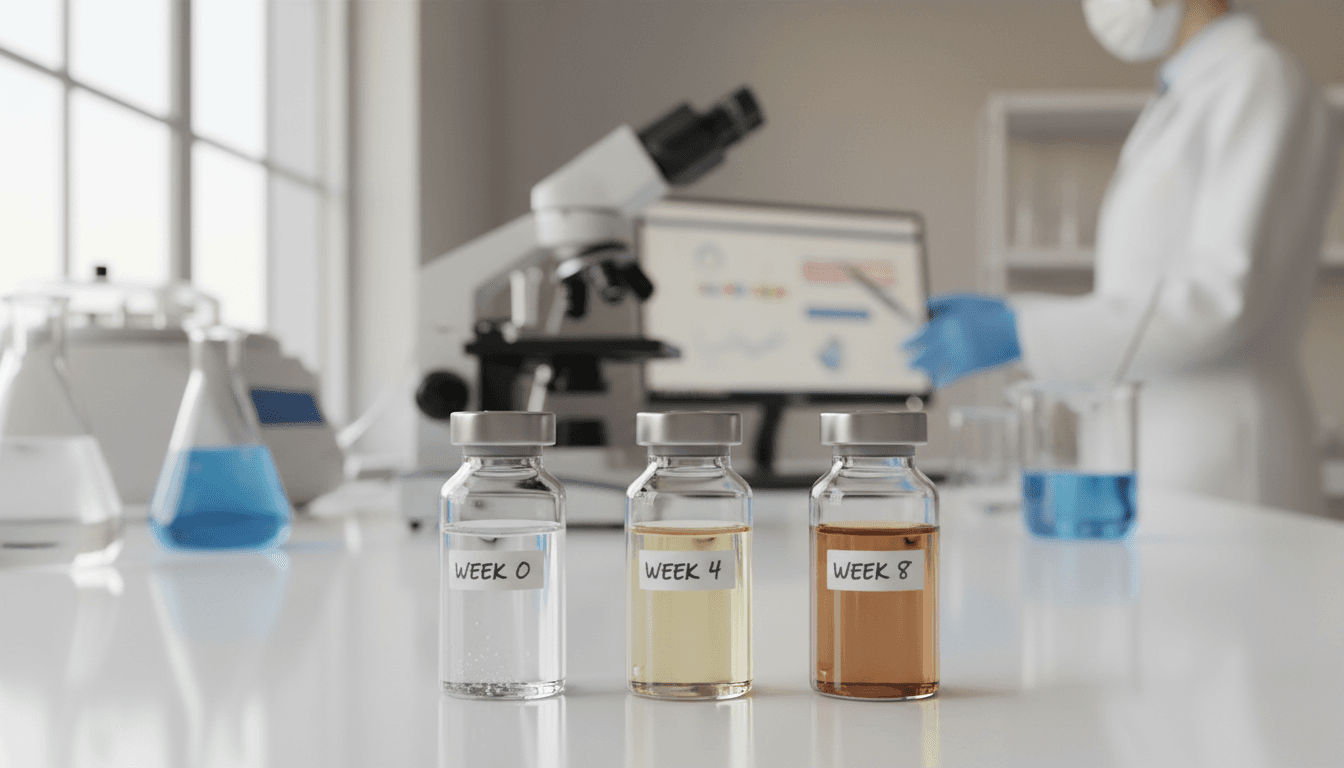
This content is for informational purposes only and does not constitute medical advice.
Melanotan II (MT-2) is one of the most talked-about research peptides, known for its ability to produce a deep tan without hours in the sun. If you're searching for MT 2 peptide results, you want a clear, no-nonsense timeline of what to expect. This guide breaks down the process week-by-week, based on clinical data and user experiences, so you can understand the potential outcomes and significant risks involved.
Because MT-2 is not approved by the FDA, understanding its effects and safety profile is critical before considering its use. Discuss any peptide therapy with a qualified medical provider.
A Quick Overview of MT 2 Peptide Results
Before diving into the details, here is a high-level look at the typical timeline. Remember, your personal results will vary based on your skin type, dosage, and UV exposure.
| Timeline | Expected Pigmentation Changes | Common Side Effects & Other Effects |
|---|---|---|
| Days 1-7 | Minimal to no visible tanning. Freckles and existing moles may begin to darken slightly. | Nausea, facial flushing, and appetite suppression are most common, often occurring shortly after injection. These typically peak in the first few days and begin to subside (The Peptide Catalog, 2026). |
| Weeks 2-4 | A noticeable base tan begins to develop, especially with mild UV exposure. Skin may take on a "glow." Tanning is most apparent on UV-exposed areas. | Side effects like nausea continue to decrease for most users. Increased libido may be noticed due to MT-2's action on multiple receptors. |
| Months 1-2 | Tanning becomes more pronounced and even. The full effect of the loading phase is apparent, with a deep tan achievable for many. Transition to a lower maintenance dose usually occurs here. | Side effects are typically minimal or absent. The primary focus shifts to maintaining the desired skin tone. |
| Months 3-6+ | The tan is stable with a consistent maintenance protocol. The focus is on long-term sustainability and monitoring. | Long-term use requires careful monitoring of moles and skin spots. Regular dermatological check-ups are highly recommended. |
Disclaimer: Melanotan II is an unapproved research chemical and is not legal for human use in many countries, including the United States. This timeline is based on anecdotal reports and limited clinical research.
Feeling overwhelmed by the different types of peptides and their effects? It's normal. If you want guidance on what might be right for your health goals, our quick quiz can help.
Take our free 3-minute quiz to get matched with a vetted provider who can create a plan for you.
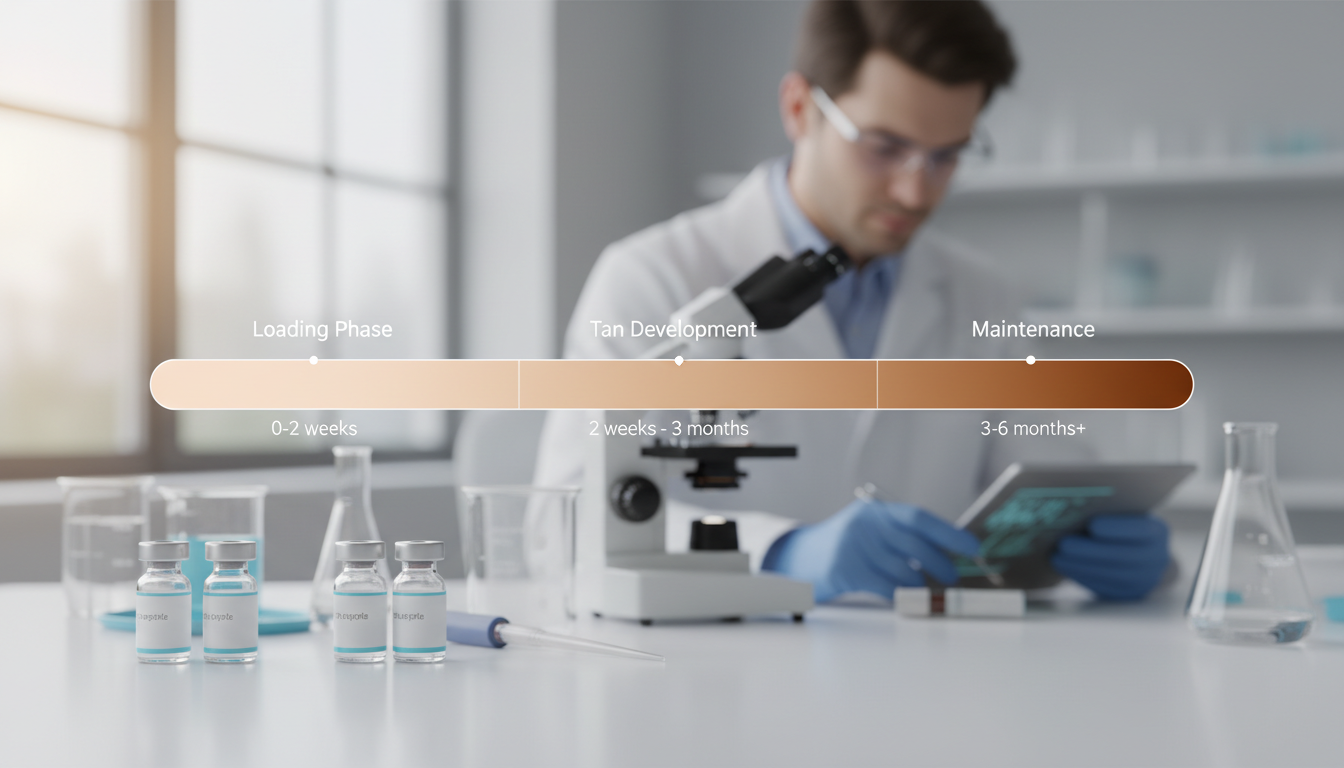
The First 1-2 Weeks (Loading Phase): A Closer Look at MT 2 Peptide Results
The initial one to two weeks of using Melanotan II are known as the "loading phase." This period is designed to saturate your system and kickstart the melanin production process.
During this time, research protocols often involve daily injections of 250 to 500 micrograms (mcg) (PeptideVerdict, 2026). The goal is to activate the melanocortin receptors responsible for pigmentation. MT-2 is an analog of the alpha-melanocyte stimulating hormone (α-MSH), and by mimicking this hormone, it tells your skin cells (melanocytes) to produce more melanin.
What do you actually experience?
- Side Effects First, Tan Second: The most immediate MT 2 peptide results are often the side effects. Within minutes of an injection, many people report facial flushing, mild nausea, and a temporary loss of appetite. According to PeakedLabs, this is because MT-2 is not selective and activates multiple receptors, including those that influence arousal (MC4R) and cause nausea. These side effects are usually most intense for the first few days and tend to fade as your body adapts.
- Early Pigment Changes: You likely won't see a full-body tan in the first week. Instead, the first signs are subtle. You might notice that existing freckles or moles begin to darken. This is a clear sign that the peptide is stimulating your melanocytes. In one clinical trial, just five low-dose injections were enough to produce measurable pigmentation changes in two of three subjects, showing how quickly the biological process can begin (The Peptide Catalog, 2026).
- Skin Type Matters: People with fairer skin (Fitzpatrick Type I or II) may see very little change in the first couple of weeks, while those with darker skin that tans easily (Type III or IV) might notice a subtle "glow" or base tan forming within 5 to 10 days.
This initial phase is a test of tolerance. The side effects can be uncomfortable, but for many, they are manageable and temporary.
Months 1-2: Seeing Your Tan Take Shape
After an initial loading phase, the next four to eight weeks are when the desired tanning effects truly become visible. By now, your body has adapted, side effects have likely subsided, and the peptide is actively stimulating melanin production.
During this period, most users transition from a daily "loading" dose to a "maintenance" protocol. This typically involves injecting the same dose (250-500mcg) but only one to two times per week (The Peptide Catalog, 2026). This lower frequency is usually enough to sustain the level of melanin production you have built up.
Here’s what to expect during this phase:
- A Developing Tan: The subtle "glow" from the first weeks deepens into a noticeable tan. One study noted that 70% of participants saw increased pigmentation after just 10 days, so by month one, the changes should be clear (Peptide Clinic Locator). The tan often appears most prominent on areas that get some sun exposure, as UV light helps to "oxidize" the newly produced melanin, making it darker and more visible.
- Reduced Side Effects: The initial nausea and flushing that are common in the loading phase should be mostly gone by this point. Most users report feeling few, if any, side effects on a maintenance dose.
- Other Potential Effects: MT-2's lack of receptor selectivity means it does more than just tan your skin. It also activates MC4R, a receptor linked to sexual arousal and appetite. Early clinical research on MT-2 confirmed its powerful effect on erectile function, with one study finding that a dose of 0.025 mg/kg induced erections in 17 out of 20 men with psychogenic erectile dysfunction (PeakedLabs, 2026). This research eventually led to the development of PT-141 (Bremelanotide), an FDA-approved derivative of MT-2 used for sexual dysfunction.
This period is often the most rewarding for users, as the primary goal of tanning is achieved while the initial unpleasant side effects fade away.
Months 3-6: Maintaining Your MT 2 Peptide Results
Once you have achieved your desired skin tone, typically within the first two to three months, the focus shifts to long-term maintenance. This phase is about finding the minimum effective dose to keep your tan stable without experiencing unwanted side effects. The good news is that maintaining the results is often much easier than achieving them.
A common maintenance protocol is 250-500 mcg injected once or twice per week. Some users with a strong response find they can reduce the frequency even further, perhaps to once every 10-14 days, especially with occasional sun exposure.
Key aspects of this phase include:
- Stable Tan: Your tan should remain consistent as long as you adhere to your maintenance schedule. It will not continue to darken indefinitely. The body reaches a saturation point, and the maintenance dose simply keeps the melanocytes "turned on."
- Minimal Side Effects: At this stage, side effects are rare. The body is fully accustomed to the peptide, and the lower frequency of administration further reduces the likelihood of issues like nausea.
- Mole and Freckle Monitoring: This is a critical part of long-term use. MT-2 will darken existing moles and freckles, and in some cases, may cause new ones to appear. Because the peptide indiscriminately stimulates all melanocytes, there is a theoretical concern about its long-term impact on these cells. As noted by Peptide Breakdown, this risk is a primary reason MT-2 has never been approved by regulatory bodies like the FDA. You should regularly self-check your skin and plan for dermatological screenings every 3-6 months to monitor any changes.
This maintenance phase can, in theory, continue as long as the user desires. However, it's crucial to remember that MT-2 is an unapproved substance with no long-term safety data. All use is at your own risk. This is why working with a knowledgeable peptide doctor is so important for anyone exploring these therapies.
Long-Term Results and Considerations (6+ Months)
Using Melanotan II beyond six months enters territory where formal clinical data is virtually nonexistent. Its development was halted in early-phase trials due to its side effect profile, so we lack large-scale studies on its long-term safety (PeakedLabs, 2026). All information from this point forward is based on anecdotal reports from the research and biohacking communities.
The primary long-term consideration is safety. Because MT-2 is a non-selective agent that broadly activates several melanocortin receptors, the biggest unknown is what happens after years of continuous stimulation. The main concern, cited by multiple sources including Peptide Breakdown and My Peptide Match, is the theoretical risk of promoting melanoma. By constantly activating melanocytes, the cells that can become cancerous, there is a plausible but unproven risk of adverse changes over time.
This is why regular skin checks by a dermatologist are not just a suggestion but a necessity for anyone using MT-2 long-term. Any new or changing moles should be examined immediately.
Another point to consider is the legality and source of the peptide. As of 2026, MT-2 is not approved by the FDA for any indication and cannot be legally sold or compounded by licensed pharmacies for human use in the US (My Peptide Match, 2026). The products sold online as "research chemicals" are unregulated, meaning there are no guarantees of purity, sterility, or accurate dosing. Contaminants or incorrect concentrations pose a significant health risk.
Want to explore safer, FDA-approved options for your health goals? It can be hard to tell what's legitimate. Our free quiz connects you with qualified providers who only work with reputable compounding pharmacies.
Find a provider who can guide you through safe and effective therapies.

Factors That Influence Your MT 2 Peptide Results
Not everyone experiences the same MT 2 peptide results. The speed, depth of tan, and side effects you experience can be influenced by several key factors. Understanding them can help you manage your expectations.
1. Fitzpatrick Skin Type This is the single most important factor. The Fitzpatrick scale classifies skin type based on its reaction to UV light.
- Type I (Pale, always burns, never tans): Will see the slowest results. It can take 3-4+ weeks of consistent use to see even subtle pigmentation.
- Type II (Fair, usually burns, tans with difficulty): Results are faster than Type I, but a deep tan still takes time, often over a month.
- Type III (Light brown, sometimes burns, tans gradually): Often sees good results within 2-3 weeks.
- Type IV (Moderate brown, rarely burns, tans easily): Can see results in as little as 5-10 days (The Peptide Catalog, 2026).
- Types V-VI (Dark brown to black): MT-2 is generally not used by these types, as they already have high levels of melanin.
2. Dosage and Protocol Following a structured loading and maintenance phase is key. Starting with too high a dose can lead to intense side effects, while using too little may not produce any results. The common 250-500mcg range is based on years of user reports and early research protocols.
3. UV Exposure While MT-2 can produce a tan without any sun (a "sunless tan"), mild UV exposure can dramatically enhance and accelerate the results. The peptide increases melanin production, and UV light helps that melanin darken and move to the surface of the skin. Just 15-30 minutes of sun a few times a week is often enough to significantly deepen the tan.
4. Peptide Purity and Sourcing Since MT-2 is sold on the unregulated research market, quality varies significantly. A product that is underdosed or has poor purity will not deliver the expected results and may introduce unknown health risks. Sourcing from a reputable vendor is crucial, though difficult to verify. Finding legitimate peptide clinics near me that work with trusted pharmacies is a safer approach for any peptide therapy.
5. How It Compares to Other Peptides The timeline for peptide outcomes depends entirely on the peptide's function. The results from MT-2 are unique. For example, those looking at peptides results before and after for tissue repair with something like BPC-157 may see reduced inflammation in days, but full tissue healing can take weeks or months. Similarly, follistatin peptide results for muscle growth are measured over months of consistent use and training. Meanwhile, KPV peptide results for gut inflammation can be felt within weeks. The tanning from MT-2 is a relatively fast outcome compared to the systemic changes from many other peptides.
Looking at timelines from other peptides, like in this GHK-Cu peptide injection before and after guide, reinforces how different each compound's mechanism and timeline can be.
Ready to explore your options with a medical professional? A qualified provider can help you understand the risks and benefits of different therapies and create a plan that fits your specific needs. Stop guessing and get expert guidance.
Take our free 3-minute quiz to get matched with a licensed provider.
Frequently Asked Questions about MT 2 Peptide Results
What are the main side effects of MT-2? The most common side effects, especially during the initial loading phase, are nausea, facial flushing, appetite suppression, and increased libido. Darkening of existing moles and the appearance of new ones are also common. Approximately 15% of users report these side effects, according to one report from Peptide Clinic Locator.
Is MT-2 legal in 2026? No. As of 2026, Melanotan II is not approved by the FDA for any medical or cosmetic use in the United States. It cannot be legally prescribed or sold for human consumption. It is sold online as a "research chemical," but this does not provide a legal loophole for personal use (My Peptide Match, 2026).
How quickly will I see a tan with MT-2? The timeline depends heavily on your Fitzpatrick skin type. Those with skin that tans easily (Type III+) may see a base tan in 5-10 days. Those with very fair skin that burns easily (Type I-II) may need 3-4 weeks or more to see a noticeable change in pigmentation (The Peptide Catalog, 2026).
Does MT-2 work without sun exposure? Yes, MT-2 stimulates melanin production directly, so it can create a tan without any UV light. However, most users find that minimal, sensible sun exposure significantly deepens the tan and speeds up the process.
Can MT-2 cause cancer? There is no long-term data to confirm or deny this. Because MT-2 globally stimulates melanocytes (the cells that can form melanoma), there is a theoretical risk that it could promote cancerous changes over time. This potential risk is a primary reason it has never gained FDA approval and why regular skin checks with a dermatologist are essential for anyone using it.
Contributing to evidence-based peptide education and provider transparency.
Too many clinics, not enough clarity?
We don't sell peptides. Tell us your goals and we'll connect you with a vetted provider who can figure out what actually makes sense for you.
See what's right for youRelated articles
How Protein and Muscle Growth Actually Work
It's not just about eating more. Understand the real science of protein and muscle growth to learn how much you need and the best timing to see results.
Peptide ScienceWhat are the best peptides for muscle growth and fat loss?
Exploring peptides for muscle growth and fat loss? Discover the most effective options for body recomposition, how they actually work, and what to expect.
Peptide ScienceThe Key L-Lysine Benefits for Skin, Immunity & Stress
Discover the science-backed l-lysine benefits. Our guide covers how this essential amino acid may boost collagen, fight viruses, and aid calcium absorption.