What Are the Real NAD Injections Benefits?
Thinking about NAD+ therapy? Discover the actual nad injections benefits for mental clarity, energy, and longevity, and see if it's right for you.

This content is for informational purposes only and does not constitute medical advice. Always consult with a qualified healthcare provider before starting any new treatment.
If you’ve heard whispers in wellness circles about boosting your body's core energy and repair systems, you’ve likely come across NAD+. As we age, our natural levels of this critical molecule decline, leading to many of the hallmark signs of getting older. The search for ways to restore it has led many to explore supplementation, and one of the most direct methods is through injections. This guide breaks down the core nad injections benefits, the science behind them, and what you need to know before considering this therapy in 2026.
What is NAD+?
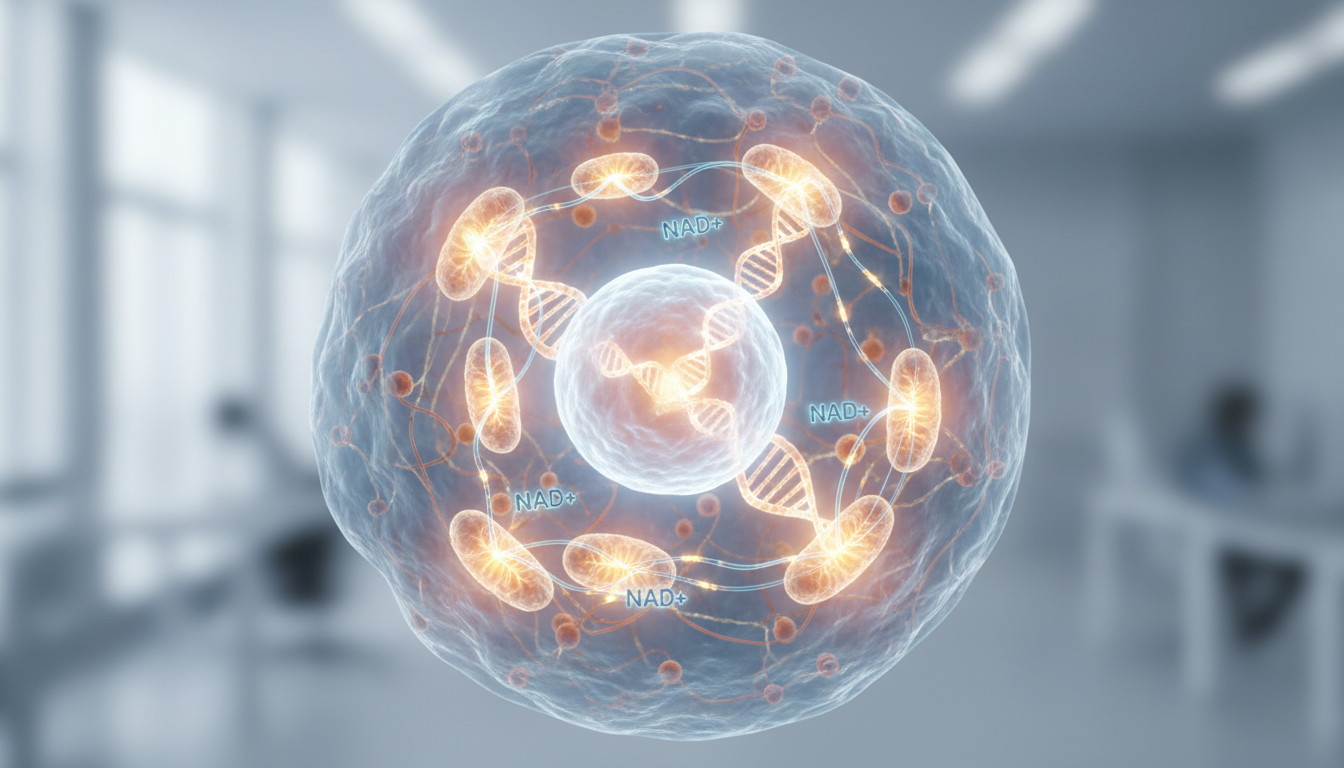
NAD+, or Nicotinamide Adenine Dinucleotide, is a coenzyme found in every living cell in your body. Think of it as a crucial helper molecule that your cells need to function properly. Its primary jobs are to help convert the food you eat into cellular energy and to assist proteins that regulate other vital cellular functions, including DNA repair.
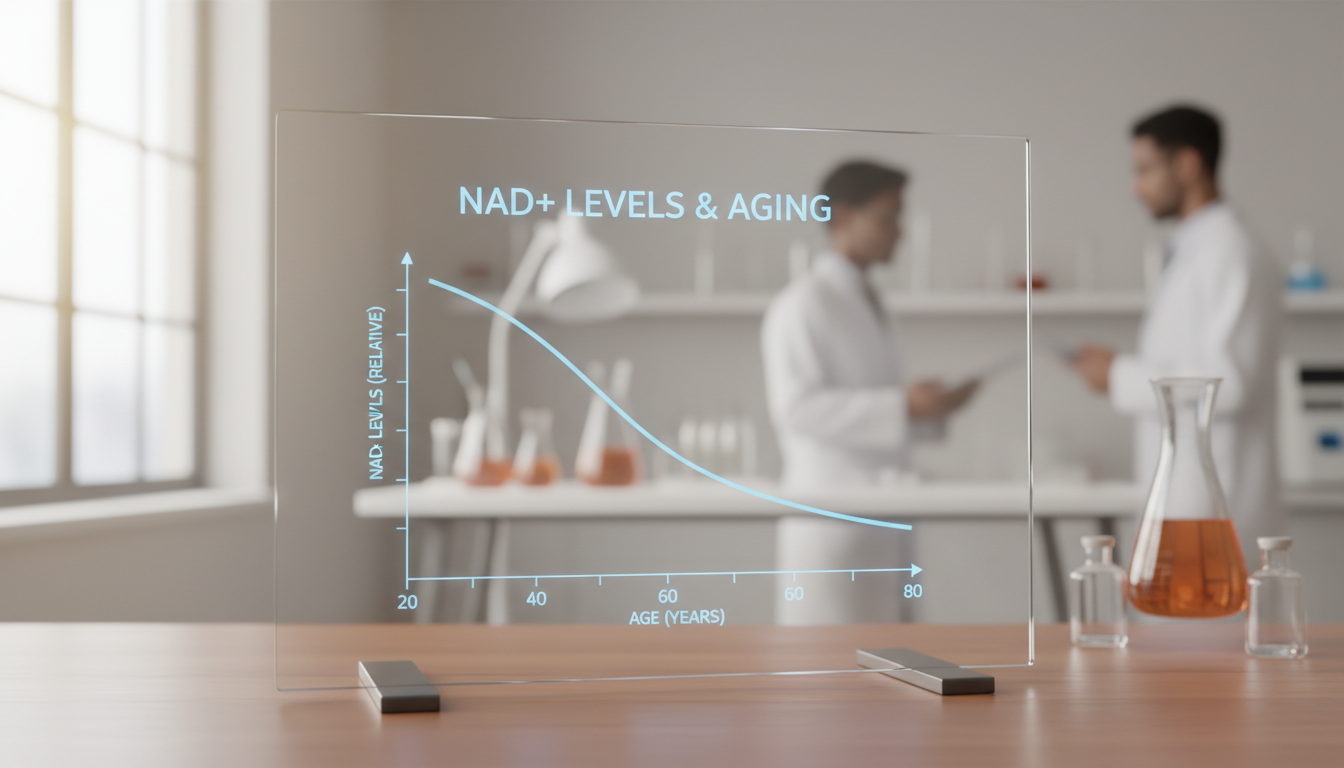
While you’re born with a high supply of NAD+, your levels naturally decrease over time. Research from FormBlends indicates that NAD+ levels can decline by as much as 50% between the ages of 40 and 60. This drop is driven by several factors, including an increase in the activity of enzymes like CD38 and PARP, which consume NAD+ as they work to manage inflammation and repair cellular damage that accumulates with age. This decline is directly linked to many age-related concerns, from lower energy and metabolic slowdowns to cognitive changes, which is why restoring NAD+ levels has become a major focus in anti-aging medicine.
How Does It Work?
The mechanism behind NAD+ is fundamental to your biology. It works in two main ways: fueling energy production and activating special proteins.
1. Cellular Energy Production: Your cells contain tiny power plants called mitochondria. NAD+ plays a key role in the metabolic process that turns nutrients from your food into ATP, the main energy currency of your cells. When NAD+ levels are high, your mitochondria can work efficiently, providing your body with the energy it needs for everything from thinking to moving. When NAD+ levels are low, this process slows down, contributing to feelings of fatigue and sluggishness.
2. Activating Helper Proteins (Sirtuins and PARPs): Beyond energy, NAD+ acts as fuel for two important families of proteins.
- Sirtuins: Often called "longevity genes," sirtuins are a class of proteins that regulate cellular health. They help manage inflammation, protect your DNA, and maintain a healthy metabolism. But sirtuins can only work when NAD+ is available.
- PARPs (Poly-ADP-ribose polymerases): These enzymes are your cells' first responders to DNA damage. When they detect a break in a DNA strand, they use NAD+ to create a repair signal, fixing the damage before it can lead to bigger problems.
Boosting NAD+ can be done in several ways. Oral supplements like Nicotinamide Riboside (NR) or Nicotinamide Mononucleotide (NMN) are popular, but they must first be converted by the body. According to one source, daily NMN may raise blood NAD+ by about 40-60%. More direct methods include intravenous (IV) therapy and subcutaneous injections. IV infusions can raise blood levels significantly but are expensive sessions that require a clinical setting.
Subcutaneous NAD+ injections offer a middle ground. They allow for self-administration at home and provide higher bioavailability than oral options. One source suggests injections offer 40-60% bioavailability, while another estimates they can lead to peak blood levels of around 210%. While these direct methods are efficient, a fascinating 2026 study in Frontiers in Aging noted that high concentrations of NAD+ from IV infusions may not be taken up by cells efficiently and are often broken down into precursors anyway. This highlights that the delivery method and dosage are key factors to discuss with a provider.
Not sure which treatment is right for you? Our free quiz can help you understand your options and connect you with a qualified provider. Take our free quiz to find a provider near you.
The Science-Backed NAD Injections Benefits
By restoring levels of this vital coenzyme, NAD+ therapy aims to support cellular function from the ground up. The potential nad injections benefits are broad because nearly every system in your body relies on NAD+ to operate correctly. Here are some of the key benefits reported in clinical settings and early research.
Enhanced Cellular Energy and Reduced Fatigue
This is often the first benefit people notice. By directly supporting the mitochondrial process of creating ATP, NAD+ injections can help restore cellular energy. This isn't like the jittery buzz from caffeine. Instead, it’s a more fundamental improvement in energy levels, helping to combat the general fatigue that can come with aging or chronic stress. Better energy production at the cellular level translates to more stamina and vitality throughout the day.
Cognitive Support and Brain Health
Your brain is an energy-hungry organ, consuming about 20% of your body's total energy. Because NAD+ is so critical for energy production, maintaining healthy levels is essential for cognitive functions like focus, memory, and mental clarity. Sirtuins, which are activated by NAD+, also play a role in protecting neurons from oxidative stress and inflammation. Some users report a reduction in "brain fog" and an improvement in their ability to concentrate.
Accelerated DNA and Cellular Repair
As you age, your DNA accumulates damage from environmental factors and normal metabolic processes. PARP enzymes work tirelessly to fix this damage, but they use up a lot of NAD+ in the process. By replenishing NAD+ stores, you provide these repair enzymes with the fuel they need to work effectively. This supports your body's natural ability to maintain its genetic integrity, which is a cornerstone of healthy aging. For more on this topic, explore our other articles on aging supplements.
Metabolic Support and Anti-Aging Effects
Sirtuins also play a key role in regulating metabolism, insulin sensitivity, and how your body handles fats and glucose. By activating these pathways, NAD+ therapy can help support a healthy metabolic state. Many of the visible signs of aging, from skin health to physical performance, are tied to the health of your cells. Supporting foundational processes like energy creation and DNA repair contributes to a broader anti-aging effect, helping your cells function more like they did when you were younger. If you're exploring therapies for metabolic health, you might also be interested in learning about Semaglutide for weight loss.
Support for Addiction Recovery Protocols
Some specialized clinics use high-dose NAD+ therapy, often intravenously, as part of addiction recovery protocols. The theory is that it helps repair brain pathways and reduce withdrawal symptoms by restoring neurotransmitter balance and cellular energy in the brain. While more research is needed, it's an area of growing interest. South Lake Pharmacy notes that some protocols specifically assist in this area.
NAD+ Injections vs. Other Peptides like BPC-157
If you're exploring regenerative medicine, you've likely come across other compounds like BPC-157. It's helpful to understand how the nad injections benefits differ from the effects of other popular therapies.
BPC-157 is a peptide—a short chain of amino acids—that has gained a reputation for its powerful healing and regenerative properties. The bpc 157 effects are primarily focused on tissue repair. It is believed to work by promoting angiogenesis, the formation of new blood vessels, which brings blood, oxygen, and nutrients to injured areas. The main benefits of bpc 157 injection include accelerating the healing of muscles, tendons, ligaments, and even the gut lining. You can learn more in our detailed guides on BPC-157 research and potential BPC-157 side effects.
Here’s the key difference:
- NAD+ works universally at the cellular level. It boosts the fundamental processes of energy production and DNA repair in every cell. Its effects are systemic and foundational to overall health and aging.
- BPC-157 acts more specifically. It targets pathways related to injury repair, inflammation reduction, and blood vessel growth. Its benefits are often localized to a specific area of injury or a particular system, like the digestive tract.
The two are not mutually exclusive. In fact, some providers may recommend using them together. NAD+ can provide the cellular energy needed for repair, while BPC-157 can direct and accelerate the healing process itself. Think of NAD+ as upgrading the power supply for the entire factory, while BPC-157 is like bringing in a specialized repair crew for a specific machine.
Risks and Potential Side Effects
While NAD+ is a natural molecule in your body, supplementing with it directly comes with potential side effects, especially depending on the method of administration. According to nadinjections.org, safety largely depends on proper medical screening and clinician oversight, as protocols are not yet standardized by the FDA.
Side Effects of Subcutaneous Injections: For at-home subcutaneous NAD+ injections, the side effects are typically mild and localized. These can include:
- Redness, swelling, or itching at the injection site
- Mild discomfort or a brief burning sensation during the injection
These reactions are common with many types of peptide injection therapy and usually resolve on their own.
Side Effects of Intravenous (IV) Therapy: IV NAD+ therapy is known for causing more pronounced and uncomfortable side effects during the infusion. A February 2026 retrospective study published in Frontiers in Aging directly compared IV NAD+ with its precursor, NR. The study found that all participants receiving IV NAD+ reported moderate to severe symptoms, including:
- Nausea and stomach cramping
- Increased heart rate
- Chest pressure or tightness
- Headaches and flushing
These side effects often required the infusion to be slowed down, resulting in an average infusion time of 97 minutes, compared to just 37 minutes for the better-tolerated NR group. The study also noted that IV NAD+ was associated with a modest reduction in HDL-C, or "good" cholesterol, though the values remained within a normal range. These findings suggest that introducing high concentrations of the large NAD+ molecule directly into the bloodstream may be less comfortable for many people.
How to Get More NAD Injections Benefits
Getting started with NAD+ injections is a straightforward process, but it must be done under the guidance of a healthcare professional since it requires a prescription.
1. Find a Provider and Get a Consultation: The first step is to consult with a doctor who specializes in hormone optimization or peptide therapy. They can assess your health history, symptoms, and goals to determine if you're a good candidate. Many people find providers through telehealth platforms or local peptide clinics.
2. Obtain a Prescription: If your provider agrees that NAD+ therapy is right for you, they will write you a prescription. Because NAD+ injections are not mass-produced by pharmaceutical companies, the prescription is sent to a compounding pharmacy.
3. Receive Your Medication from a Compounding Pharmacy: Compounding pharmacies are licensed to create specific formulations for individual patients. They will prepare your sterile vial of NAD+ and ship it directly to you. This ensures you are getting a quality product made under strict standards. Learn more about how compounded medications work.
4. Learn to Self-Administer: NAD+ injections are administered subcutaneously, meaning just under the skin, using a tiny insulin needle. Your provider or pharmacy will give you instructions on how to do this safely at home. A typical protocol involves 2-3 injections per week, with doses generally ranging from 100-200mg per injection, according to WVU Healthcare. Protocols often start with a loading phase followed by a lower-dose maintenance phase.
5. Cost: The cost of at-home NAD+ injections varies. Vials may cost between $50 and $200 each. Depending on your dosage, a monthly maintenance protocol can run from $150 to $400, based on data from South Lake Pharmacy and WVU Healthcare. This is significantly more affordable than IV therapy, which can cost $500 to $1500 per session.
Want to see which options fit your budget and goals? Our free quiz takes 3 minutes and matches you with vetted providers who can offer transparent pricing and guidance. Find a qualified provider today.
The Legal Status of NAD Injections in 2026
It's crucial to understand the regulatory landscape for NAD+ therapy. As of 2026, NAD+ injections are not FDA-approved. This is a key piece of information for anyone considering this treatment.
What does "not FDA-approved" mean?
- Lack of Standardization: There are no official, universally accepted guidelines for dosing, frequency, or treatment duration. The protocols used by clinics are based on their own clinical experience and emerging research.
- Off-Label Use: Prescribing NAD+ injections is considered an "off-label" use of a compounded substance for wellness and anti-aging purposes.
- Importance of a Legitimate Provider: Since it is not a standard regulated drug, it is vital to work with a licensed healthcare provider and a reputable compounding pharmacy. This ensures you are receiving a safe, sterile product and have medical oversight to monitor your response and manage any side effects. You can read our guide on how to find a legitimate peptide clinic.
The fact that it is not FDA-approved doesn't mean it's illegal. Licensed doctors can legally prescribe compounded medications when they believe it is medically appropriate for their patient. However, the lack of large-scale, long-term clinical trials means the full scope of benefits and risks is still being studied.
Ready to explore your options safely with a professional? Take our free 3-minute quiz to get matched with a licensed provider who can create a plan for your unique needs.
Frequently Asked Questions (FAQs)
How long does it take to feel the benefits of NAD+ injections?
Response times vary. Some people report feeling a boost in energy and mental clarity within the first week or two of starting a loading phase. For other benefits, such as improvements in metabolism or cellular repair, it may take several weeks or even a few months of consistent use to notice significant changes.
Are NAD+ injections better than IV therapy?
"Better" depends on your goals, budget, and tolerance for side effects. IV therapy delivers a very high dose quickly but is expensive, time-consuming, and associated with more side effects like nausea and chest pressure. Injections are more convenient, more affordable, and generally better tolerated, while still providing significantly better bioavailability than oral supplements.
Are NAD+ injections painful?
The injections use a very small, thin needle (similar to an insulin needle) and are injected into fatty tissue, like the abdomen. Most people report only a minor pinch or a brief stinging sensation that lasts for a few seconds. The discomfort is generally minimal.
Can I get NAD+ injections without a prescription?
No. In the United States, NAD+ for injection is a regulated substance that can only be dispensed by a compounding pharmacy with a valid prescription from a licensed healthcare provider. Any source offering it without a prescription is unregulated and should be avoided for safety reasons.
Do NAD+ injections help with weight loss?
While not a direct weight-loss drug like Tirzepatide, NAD+ can support weight management efforts. By improving mitochondrial function and activating sirtuins, it can help optimize your metabolism. The increased energy levels may also make it easier to stay active. It is best viewed as a supportive therapy for a healthy lifestyle, not a primary solution for weight loss.
What's the difference between NAD+ and BPC-157 injections?
NAD+ is a coenzyme that supports universal cellular functions like energy production and DNA repair system-wide. BPC-157 is a peptide that promotes targeted healing of specific tissues like muscles, tendons, and the gut lining by stimulating blood vessel growth and reducing inflammation. They work through entirely different mechanisms.
Contributing to evidence-based peptide education and provider transparency.
Too many clinics, not enough clarity?
We don't sell peptides. Tell us your goals and we'll connect you with a vetted provider who can figure out what actually makes sense for you.
See what's right for youRelated articles
What Does Sermorelin Before And After Face Look Like?
See a real sermorelin before and after face timeline. We break down the changes you can expect in skin quality, fine lines, and texture week by week.
Anti-AgingWhat Are the Science-Backed GHK-Cu Peptide Benefits?
Curious about GHK-Cu? We explore the science-backed ghk-cu peptide benefits for skin repair, hair growth, and anti-aging. Learn how it works & more.
Anti-AgingWhat GHK Cu Peptide Before and After Pictures Really Show
Don't just look at ghk cu peptide before and after pictures. Understand the realistic timeline for results on wrinkles, scars, and hair growth.