Is the Oysters Testosterone Link Real or a Myth?
We explore the science behind the oysters testosterone claim. Learn how nutrients like zinc may impact your hormone levels—and if it's actually enough.

This content is for informational purposes only and does not constitute medical advice. Consult with a qualified healthcare professional before making any decisions about your health or treatment.
The idea that what you eat can influence your hormones has been around for centuries. Few foods are more wrapped in this lore than the humble oyster. You've likely heard the tales linking them to virility and passion. But beyond the old wive's tales, is there a real connection between oysters testosterone levels and male health? The answer is more complex and scientific than you might think. While they aren't a magic pill, these mollusks are packed with specific nutrients that play a foundational role in your body's hormone production systems. This guide will explore the science behind the oysters testosterone connection, separating fact from fiction.
The Link Between Oysters Testosterone: What Is It?
The connection between oysters testosterone and male vitality centers on their dense nutritional profile. For decades, the focus has been on their high zinc content. More recently, scientific interest has expanded to include unique amino acids and antioxidant compounds that may also support hormonal health.
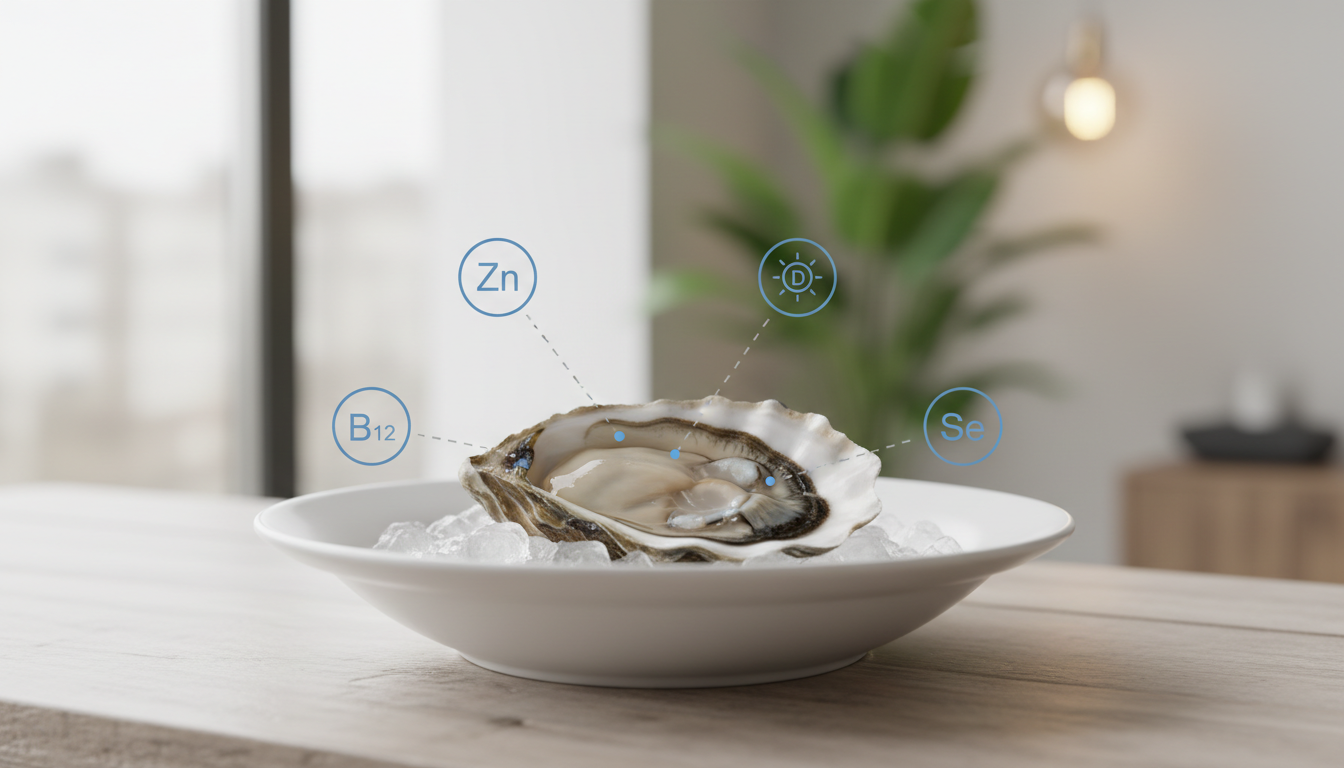
This isn't just about a single food causing a massive spike in hormones. Instead, think of oysters as providing the raw materials your body needs for its own natural testosterone production. They contain an impressive blend of zinc, vitamin D, selenium, and specific peptides, which are all recognized for their roles in endocrine function and overall wellness (HealthNutrition). For men looking to naturally support their hormone levels through diet, oysters represent one of the most nutrient-rich options available. But it's crucial to understand they are part of a larger health picture, not a standalone solution for clinically low testosterone.
How Do Oysters Support Testosterone Production?
The reputation of oysters as a male health booster isn't just folklore. Modern science has identified several mechanisms that explain how the nutrients in oysters can support the body's endocrine system, particularly the pathways involved in creating testosterone.
The most famous mechanism involves zinc. Zinc is an essential mineral that your body cannot produce on its own, meaning it must come from your diet. It acts as a critical cofactor for hundreds of enzymes, including those inside the Leydig cells of the testes, which are the body's primary testosterone factories. A 3-ounce serving of oysters can provide between 32 and 50 mg of zinc, a figure that dramatically surpasses most other foods (ShiftyChevre). Studies have shown that supplementing with zinc can increase testosterone levels in men who are zinc-deficient, highlighting the mineral's direct role in the synthesis process (MedShun).
Beyond zinc, emerging research points to other powerful compounds within oysters. Researchers have noted that oysters contain amino acids like D-aspartic acid, which was shown to increase testosterone levels in male rats (Revibe Men's Health). While these results from animal studies need to be confirmed in humans, they suggest another potential pathway.
Perhaps the most exciting new research focuses on oyster peptides and their antioxidant properties. A 2021 study in Geriatrics & Gerontology International found that oyster oligopeptides (OOP) helped promote testosterone synthesis in aging rats by reducing oxidative stress in testicular tissue. Oxidative stress, caused by an imbalance of free radicals and antioxidants, can damage Leydig cells and impair their ability to produce testosterone. More recent studies support this. A study published in PubMed in late 2023 identified specific oyster-derived dipeptides that protect testosterone-producing cells by directly scavenging these damaging reactive oxygen species (ROS). This new research suggests that oysters may do more than just provide building blocks; they may also protect the hormone-production machinery itself.
Feeling a bit lost in the science of hormone optimization? Diet is just one piece of the puzzle. If you want to understand all your options for feeling your best, professional guidance can help. Take our free 3-minute quiz to get matched with a provider who specializes in men's health.
The Evidence-Based Benefits of the Oysters Testosterone Connection
While eating oysters won't double your testosterone overnight, the scientific evidence points to several tangible benefits for male health, rooted in their unique nutritional makeup. It's important to view these benefits as supportive measures within a healthy lifestyle.
A Rich Source of Testosterone-Supporting Nutrients
The most undeniable benefit of oysters is their status as a nutritional powerhouse. They are arguably the best dietary source of zinc, a mineral directly tied to testosterone production. But their benefits don't stop there. Oysters are also a good source of:
- Vitamin D: Often called the "sunshine vitamin," Vitamin D also functions as a hormone in the body. Low levels are consistently linked to lower testosterone. While getting enough sun is key, dietary sources like oysters contribute to your overall intake. If you're concerned about your levels, learning about a vitamin D supplement can be helpful.
- Selenium: This mineral is a potent antioxidant that helps protect cells from damage and is important for sperm health.
- Vitamin B12: Crucial for energy metabolism and nervous system function, B12 ensures your body has the energy it needs for all its processes, including hormone synthesis.
- Iron: Essential for carrying oxygen in the blood, iron prevents fatigue and supports overall physical performance.
- Omega-3 Fatty Acids: These healthy fats help reduce inflammation throughout the body, which can create a better environment for optimal hormone function.
This combination of nutrients makes a strong case for oysters as a key food for anyone looking at how to increase testosterone naturally through their diet.
Potential to Mitigate Oxidative Stress
As mentioned, new research is uncovering the role of oyster peptides in fighting oxidative stress. A groundbreaking study in late 2025 from Food & Function showed that oyster enzymatic hydrolysate (OEH) could alleviate testicular oxidative stress in mice. By protecting the delicate machinery of the testes from damage, these compounds help maintain the body's innate ability to produce testosterone. A separate 2023 study in PubMed confirmed this, showing specific peptides from oysters directly reduce cellular oxidative stress. This is a promising field of study, suggesting oysters may help preserve long-term testicular function.
Support for Male Sexual Health
The benefits of oysters may extend beyond just T-levels. The same late 2025 Food & Function study that noted reduced oxidative stress also found that OEH significantly restored sexual performance parameters in mice. Another study from 2020 investigated the effects of oyster hydrolysate on erectile function in rats, suggesting a potential link.
It's crucial to be realistic. The evidence directly linking whole oyster consumption to a significant increase in human testosterone levels is still limited and inconclusive. One small study of 12 men who took an oyster extract supplement for three weeks found no notable difference in their testosterone levels compared to a placebo group (MedShun). Oysters are a valuable part of a healthy diet, but they are not a medical treatment for hypogonadism.
Risks and Potential Side Effects of Using Oysters
While oysters offer a wealth of nutrients, they are not without risks. Before you start shucking a dozen a day, it's important to be aware of the potential downsides related to food safety, contaminants, and even excessive nutrient intake.
First and foremost is the risk of foodborne illness. Oysters, especially when eaten raw, can carry harmful bacteria like Vibrio vulnificus. This bacterium thrives in the warm coastal waters where oysters grow and can cause vibriosis, an illness with symptoms ranging from diarrhea and vomiting to life-threatening bloodstream infections, particularly for individuals with compromised immune systems or liver disease. To minimize this risk, always choose oysters from reputable sources and consider cooking them thoroughly, as heat effectively kills the bacteria.
Next is the concern of heavy metals and environmental pollutants. As filter feeders, oysters strain large volumes of water, and in the process, they can accumulate toxins present in their environment. These can include heavy metals like mercury, lead, and cadmium. Over time, high consumption of contaminated seafood can lead to a buildup of these metals in your body, which can have negative neurological and systemic health effects. Sourcing oysters from clean, tested waters is essential.
While zinc is a major benefit, too much of a good thing can be a problem. Acute zinc toxicity can occur from a single very high dose, leading to nausea, vomiting, and stomach cramps. Chronic overconsumption of zinc can interfere with your body's ability to absorb other essential minerals, particularly copper, potentially leading to a copper deficiency and associated neuropathy.
Finally, shellfish are one of the most common food allergens. An allergic reaction to oysters can range from mild hives and itching to severe anaphylaxis, a medical emergency. If you have a known shellfish allergy, you must avoid oysters and oyster extracts completely. Considering these factors, while oysters can be a healthy addition to a diet, they should be consumed with awareness and in moderation.
Oysters vs. Medical Therapies for Low Testosterone
Understanding the role of oysters is about perspective. They are a powerful dietary tool for supporting natural hormone production. However, for men with clinically diagnosed low testosterone (hypogonadism), diet alone is almost never enough to restore levels to a healthy range. This is where medical therapies come in.
Dietary Support: Oysters and a Healthy Lifestyle
Think of oysters and a nutrient-rich diet as building a strong foundation. They provide your body with the essential building blocks and protective compounds it needs to function optimally. A lifestyle that includes a balanced diet, regular exercise, stress management, and adequate sleep creates the best possible environment for your endocrine system to do its job. For men with borderline-low levels or those simply looking for natural optimization, focusing on these lifestyle factors, including nutrient-dense foods like oysters, is the right first step. You can learn more about a holistic approach in our guide on how to increase testosterone.
Prescription Therapies: Testosterone Replacement Therapy (TRT)
When testosterone levels fall below the normal range and cause significant symptoms like fatigue, low libido, and depression, a doctor may diagnose hypogonadism. In these cases, Testosterone Replacement Therapy (TRT) is the gold standard treatment. Unlike oysters, which support your body’s production, TRT directly adds testosterone to your system to bring levels back to normal.
TRT comes in various forms, including gels, patches, and injections. A common prescription, for example, is testosterone cypionate 250mg, administered via injection. This method provides a stable, controlled dose to effectively alleviate symptoms and restore vitality. You can explore a full overview of the benefits and side effects of TRT to understand if it might be a relevant path for you.
Advanced Support: Peptide Therapy
Another advanced option is peptide therapy. Peptides are short chains of amino acids that act as signaling molecules in the body. Certain peptides, such as CJC-1295 a nd Ipamorelin, can stimulate the pituitary gland to release more of your body's own growth hormone, which can have positive downstream effects on overall vitality and metabolic health. This approach works to optimize your body's own systems rather than replacing hormones directly. Our complete guide to peptides explores this exciting field of medicine.
| Feature | Oysters / Diet | Testosterone Replacement Therapy (TRT) | Peptide Therapy |
|---|---|---|---|
| Mechanism | Provides nutrients (zinc, etc.) to support natural production. | Directly adds bioidentical testosterone to the body. | Stimulates the body's own glands to produce more hormones. |
| Best For | General health and natural hormone optimization. | Clinically diagnosed low testosterone (hypogonadism). | Optimizing the body's natural hormone output. |
| Effectiveness | Supportive; will not fix clinically low levels. | Highly effective at restoring T levels and relieving symptoms. | Can improve hormone balance and vitality. |
| Accessibility | Available at grocery stores. | Prescription only from a licensed medical provider. | Prescription only from a specialized clinic. |
Deciding between natural support, hormone replacement, or peptide therapy can feel overwhelming. Each path has its own pros, cons, and ideal candidate. Want to see which options might be the best fit for your goals? Our free quiz takes 3 minutes and matches you with vetted providers.
How to Incorporate Oysters' Nutrients into Your Diet
If you're interested in reaping the nutritional benefits of oysters, there are several ways to go about it, from eating them whole to using concentrated supplements.
The most direct way is to eat whole oysters. When doing so, safety should be your top priority. While many enjoy them raw on the half shell, cooking oysters by grilling, broiling, or steaming them is the safest option to eliminate the risk of bacterial contamination. The nutritional content remains largely intact after cooking. Always buy your oysters from a trusted fishmonger or market that can tell you where they were harvested.
For those who dislike the taste or texture of oysters, or find daily consumption impractical and expensive, oyster extract supplements are a viable alternative. As one analysis notes, supplements can offer a consistent and concentrated dose of key nutrients without the cost or inconvenience of preparing fresh oysters daily (HealthNutrition). These extracts typically come in capsule form and concentrate the beneficial compounds, including zinc and peptides.
Finally, you don't have to rely on oysters alone. You can build a testosterone-supporting diet by focusing on the key nutrients found within them. Eat other foods rich in zinc, such as grass-fed beef, pumpkin seeds, and lentils. Boost your vitamin D with fatty fish like salmon and consider a vitamin D supplement if you have low levels. A well-rounded diet is the most sustainable strategy for long-term health.
The Legal Status of Oysters vs. Testosterone Therapies
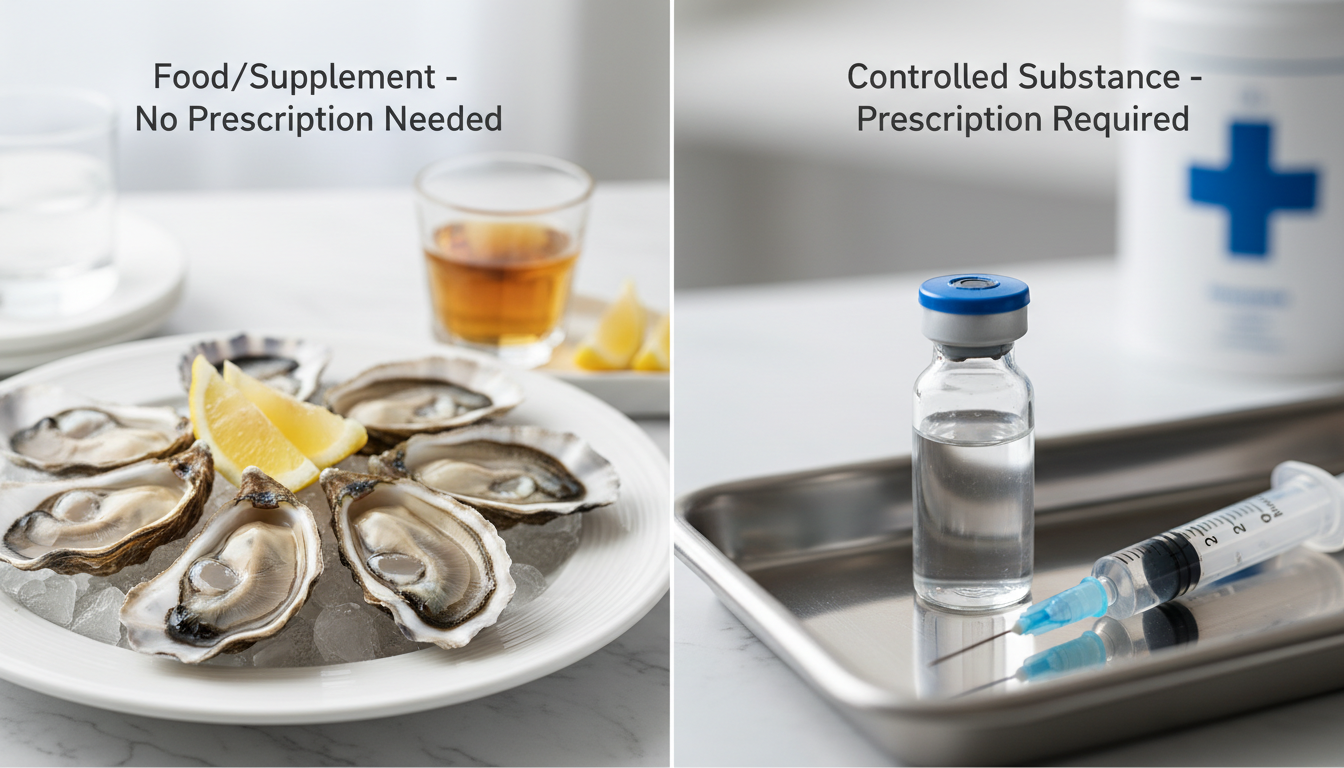
The way you access oysters versus medical testosterone treatments highlights a fundamental difference in how they are regulated. One is a food, and the other is a controlled substance.
Oysters are food products, freely available for purchase at restaurants and markets without a prescription. Oyster extract supplements fall under the category of dietary supplements. In the United States, the Food and Drug Administration (FDA) regulates supplements differently from prescription drugs. The FDA does not have to approve them for safety or effectiveness before they are sold. The responsibility falls on the manufacturer to ensure their product is safe and that its claims are truthful.
In stark contrast, testosterone is a powerful hormone and is classified as a Schedule III controlled substance. This means it has an accepted medical use but also a potential for abuse. A prescription for any form of TRT, including a testosterone cypionate 250mg injection, can only be written by a licensed medical provider after a thorough evaluation and a diagnosis of a condition like hypogonadism. You can find legitimate and safe care through online doctors that prescribe testosterone in the US who follow these strict medical guidelines.
Peptides occupy a space in between. Some, like sermorelin, are FDA-approved and prescribed by doctors, while others are sold for "research purposes only" in a legal gray market. To ensure safety and efficacy, it is vital to only use peptides prescribed by and sourced from a legitimate peptide clinic.
FAQs About Oysters Testosterone and Male Health
How many oysters should I eat to increase testosterone? There is no magic number. While oysters are rich in zinc, scientific evidence does not show that eating a specific quantity will significantly raise testosterone levels. A serving of 3-6 oysters a few times a week can contribute to a nutrient-rich diet that supports overall hormone health.
Are cooked oysters as good as raw for testosterone? Yes. The primary testosterone-supporting nutrient in oysters is zinc, a mineral that is not destroyed by heat. Cooking oysters is the safest way to consume them, as it kills potentially harmful bacteria without significantly diminishing their nutritional value.
What's the best nutrient in oysters for testosterone? Zinc is the most well-known and researched nutrient in oysters for its direct role in testosterone synthesis. However, emerging research suggests that unique antioxidant peptides in oysters may also be very important for protecting the testosterone-producing cells in the testes from damage.
Can eating oysters replace testosterone replacement therapy (TRT)? No. Eating oysters is a dietary strategy to support your body's natural hormone production. TRT is a medical treatment prescribed by a doctor to treat clinically diagnosed low testosterone (hypogonadism). Oysters cannot raise testosterone levels enough to resolve a clinical deficiency.
Do oysters increase libido? The link is complex. Oysters' aphrodisiac reputation may stem from their nutritional content supporting overall health and hormone production, the psychological effect of eating a food known for virility, and the sensory experience itself. Some mouse studies on oyster hydrolysates have shown improvements in sexual performance parameters.
Is oyster extract better than eating whole oysters? "Better" depends on your goals. Whole oysters provide a range of nutrients in their natural state. Oyster extract provides a convenient, concentrated dose of specific compounds, which can be more practical and cost-effective than eating fresh oysters daily.
Ready to move beyond diet and understand what a personalized hormone optimization plan could look like for you? The first step is speaking with a qualified professional. Take our free 3-minute quiz to get matched with a licensed provider who can help.
Contributing to evidence-based peptide education and provider transparency.
Too many clinics, not enough clarity?
We don't sell peptides. Tell us your goals and we'll connect you with a vetted provider who can figure out what actually makes sense for you.
See what's right for youRelated articles
Which Protein Supplements for Muscle Growth Actually Work?
Tired of the hype? Find out which protein supplements for muscle growth are backed by science and learn how to pick the right one for your goals.
Hormone TherapyWhat Are the Real Magnesium Glycinate Benefits?
Uncover the science-backed magnesium glycinate benefits. We explore its effects on sleep, stress, and muscle function and explain why it's a top choice.
Hormone TherapyWhat B12 Shot Benefits Can You Actually Expect?
B12 shots are often hyped for energy, but the real b12 shot benefits are more specific. Learn who is a true candidate and what results to expect.