trt benefits and side effects
A comprehensive 2026 guide to the benefits and side effects of testosterone replacement therapy (TRT), with the latest research on cardiovascular risk, costs, and management.

This content is for informational purposes only and does not constitute medical advice. Always consult with a qualified healthcare provider for any health concerns or before making any decisions related to your health or treatment.
An Updated 2026 Look at TRT Benefits and Side Effects
For years, the conversation around testosterone replacement therapy was filled with caution, especially concerning heart health. But the landscape has shifted dramatically. If you're exploring the TRT benefits and side effects in 2026, you're looking at a different and clearer picture than just a few years ago. Landmark research has answered old questions and raised new ones, providing a more refined understanding of this life-changing therapy.
The biggest news came in February 2025. Influenced by the massive TRAVERSE clinical trial, the U.S. Food and Drug Administration (FDA) officially removed the boxed warning about increased cardiovascular risk from testosterone labels (BodyworksTN). This was a major validation for what many clinicians already believed. When prescribed and managed correctly for men with diagnosed hypogonadism, TRT does not appear to increase the risk of major events like heart attacks or strokes (NEJM).
However, the FDA also added a new warning about a class-wide increase in blood pressure associated with testosterone use. So while the old fear has subsided, a new point of focus has emerged. This guide will walk you through the modern understanding of TRT, covering the proven upsides, the real risks, and what you need to know to make an informed decision with your provider. For a foundational understanding of what TRT is and who it's for, you can read our detailed guide on what is TRT.
The Tangible Benefits of Medically Supervised TRT
When testosterone levels are restored from a deficient state to a healthy, normal range, the improvements can affect nearly every aspect of a man's life. The goal of therapy isn't to create superhuman strength, but to bring your body back to its optimal functioning state. The actual TRT before and after results are often less about a dramatic physical transformation and more about a return to feeling "normal" again.
Here are some of the most well-documented benefits of properly managed TRT:
- Improved Body Composition: Testosterone plays a crucial role in metabolism. Men on TRT often experience an increase in lean muscle mass and a corresponding decrease in body fat, particularly visceral fat, which is the dangerous fat around your organs.
- Increased Energy and Vitality: One of the most common complaints of men with low testosterone is persistent fatigue and a lack of motivation. Restoring levels can lead to a significant boost in daily energy, drive, and overall zest for life.
- Sharper Mental Clarity: "Brain fog" is a real symptom of low T. Many men report improved focus, better memory, and a clearer mind once their hormone levels are optimized.
- Enhanced Mood and Well-being: Low testosterone is linked to irritability, low mood, and even symptoms of depression. By normalizing hormone levels, TRT can help stabilize mood and foster a greater sense of confidence and well-being.
- Better Sexual Function: TRT can be highly effective at restoring libido (sex drive) and improving the quality and frequency of erections. For many, this is one of the most significant quality-of-life improvements. You can learn more about the specific testosterone injection benefits here.
- Improved Metabolic Health: Beyond just body composition, TRT has shown profound effects on metabolic markers. In a groundbreaking finding from the TRAVERSE trial, men on testosterone had a 22.5% reduction in the rate of new-onset type 2 diabetes compared to the placebo group (Hackett, 2024). This suggests TRT can be a powerful tool for metabolic health in hypogonadal men.
- Increased Bone Density: Testosterone is vital for maintaining bone mineral density. Long-term low T can lead to osteoporosis, and TRT helps protect against this by stimulating bone formation.
These benefits are not guaranteed and depend on a proper diagnosis and a consistent, medically supervised protocol.

Breaking Down Common and Manageable TRT Side Effects
No effective medical treatment is without potential side effects. The key to a successful TRT protocol is monitoring and management. Many of the most common TRT benefits and side effects are predictable and can be controlled with simple adjustments by a knowledgeable provider.
Here are the side effects your doctor will be watching for:
- Elevated Hematocrit (Polycythemia): Testosterone stimulates the production of red blood cells. This can cause your blood to become thicker, which increases the risk of blood clots. It is one of the most important metrics to monitor. If your hematocrit level rises too high, your doctor may suggest lowering your dose, changing injection frequency, or having you donate blood (therapeutic phlebotomy) to bring it back to a safe range (ShotFreeTRT).
- Acne and Oily Skin: Similar to the hormonal shifts in puberty, an increase in androgens can cause your oil glands to become more active. This can lead to acne, particularly on the back and shoulders. It is usually mild and can be managed with topical treatments or protocol adjustments.
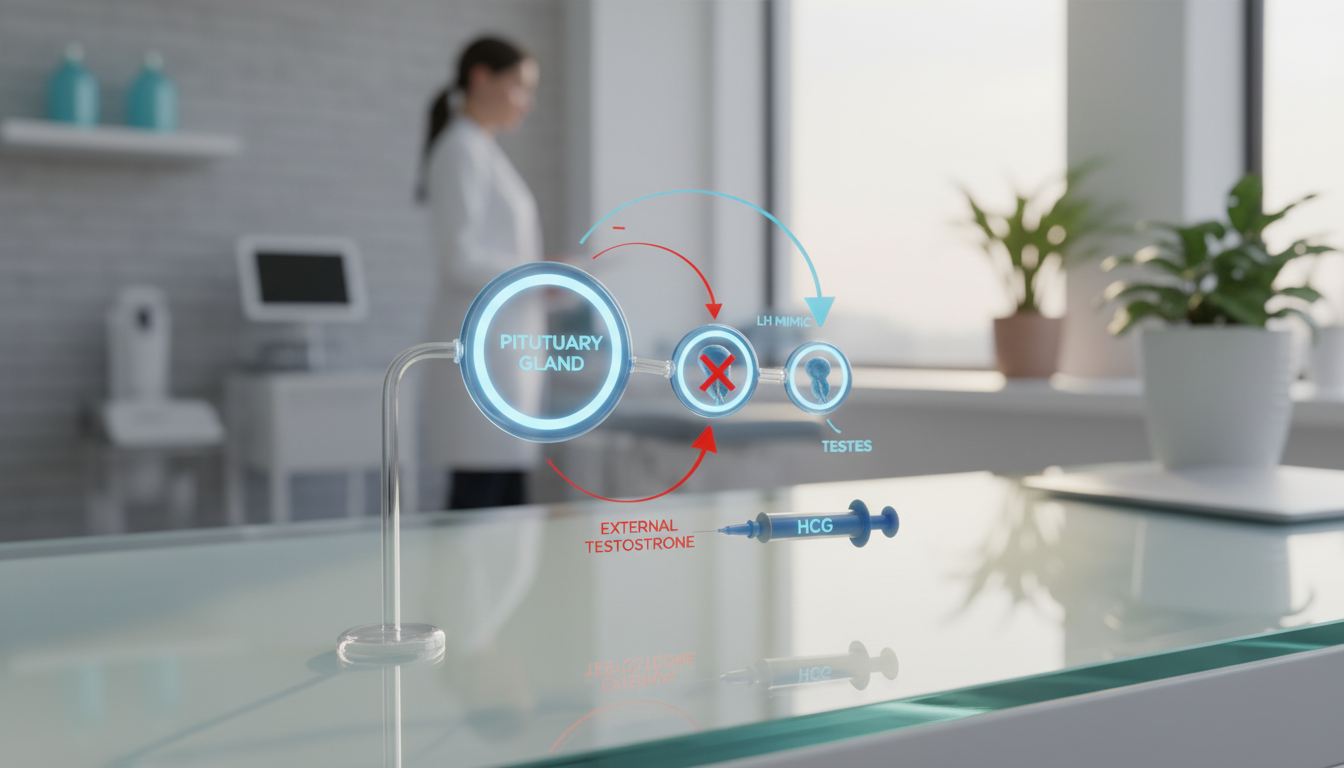
- Testicular Atrophy: When you supply your body with external testosterone, your brain's signal to produce its own testosterone shuts down. This causes the testicles to stop producing testosterone and shrink. This is an expected side effect. For men concerned about testicular size or preserving fertility, a medication called Human Chorionic Gonadotropin (HCG) can be added to the protocol to maintain testicular function.
- Estrogen Management: Testosterone can convert into estrogen through a process called aromatization. While some estrogen is essential for men's health, too much can lead to water retention, moodiness, and gynecomastia (the development of breast tissue). A good clinician will first try to manage high estrogen by adjusting the TRT dose or injection frequency. Only if that fails might they consider an aromatase inhibitor (AI) like Arimidex. The discussion of trt arimidex side effects is important, as these drugs can crash your estrogen too low, which causes its own severe problems like joint pain, low libido, and poor mood.
- Fertility Concerns with Add-ons: When discussing add-ons, it’s worth noting the side effects of medications used alongside testosterone. For example, while HCG can help maintain fertility, potential hcg with trt side effects include an increase in estrogen that needs to be managed. Thinking about the full picture of your therapy is crucial.
Understanding this balance can be complex. To see if TRT could be right for you and connect with a provider who can manage these variables, take our free 3-minute quiz to find a provider.
Understanding More Serious TRT Benefits and Side Effects: A 2026 Perspective
The conversation about TRT benefits and side effects has become more nuanced, especially regarding serious risks. The latest research from 2023-2026 has provided much-needed clarity, dispelling old myths while highlighting new areas that require careful attention.
The New Picture of Cardiovascular Risk
For two decades, a cloud of cardiovascular uncertainty hung over TRT. The TRAVERSE trial, published in the New England Journal of Medicine, largely cleared the air. This study of over 5,000 men with or at high risk for heart disease found that TRT was "non-inferior" to placebo for major adverse cardiac events (MACE), meaning it didn't increase the risk of heart attack or stroke (NEJM).
This evidence led the FDA to remove its most severe cardiovascular warning in 2025 (BodyworksTN). However, the picture isn't completely rosy. The same trial revealed a few specific risks to watch:
- Atrial Fibrillation (AFib): There was a statistically significant increase in the incidence of AFib in the testosterone group (3.5%) compared to the placebo group (2.4%) (TRT-ED).
- Pulmonary Embolism (PE): The trial also showed a small but significant increase in blood clots in the lungs (0.9% vs. 0.5%) (NEJM).
- Blood Pressure: The FDA added a new warning about increased blood pressure based on trial data. This is now a primary point of monitoring for any man on TRT. A 2026 study even suggested that lifelong higher genetic testosterone levels are linked to heart disease risk primarily through their effect on blood pressure (InteractiveWellness).
The takeaway for 2026 is that TRT is safer than we feared for heart attacks and strokes, but it demands careful monitoring of blood pressure, heart rhythm, and clotting factors.
Fertility Suppression
This is not a risk but a near certainty. TRT functions as a powerful form of male contraception by shutting down your body's natural sperm production. For any man who may want to have biological children in the future, this is a critical consideration. The effect can sometimes be irreversible. Discussing fertility preservation options like sperm banking before starting therapy is essential. This is an especially important conversation for men considering TRT in their 30s.
Other Considerations and Adjunct Therapies
- Sleep Apnea: TRT can worsen existing obstructive sleep apnea. Your doctor should screen you for this condition before starting treatment.
- Prostate Health: The old fear that TRT causes prostate cancer has been largely debunked. A 2026 meta-analysis of 41 trials and the TRAVERSE trial itself found no increase in prostate cancer events (Nature.com, Hackett-2024). However, TRT is still not recommended for men with an active, untreated case of prostate cancer.
- Side Effects of Too Much TRT: Many of the worst-case scenarios you read about online are not a result of therapeutic TRT, but of supraphysiological doses. The side effects of too much trt can include severe acne, extreme mood swings, dangerously high hematocrit, and high blood pressure. The goal of therapy is normalization, not maximization.
- Unprescribed Add-ons: Online forums often discuss adding other compounds to TRT protocols. For example, chatter about "primo trt side effects reviews" refers to using the anabolic steroid Primobolan alongside testosterone. This is not medical practice, it is not prescribed by doctors, and it introduces a host of unknown dangers. Similarly, some wonder about "trt peptide side effects." While certain peptides may be used alongside hormone therapy under a doctor's care, they have their own risk profiles. You can learn more about how they might be combined in our article on TRT and peptides.
- "Testosterone Pills": Terms like "prime trt pills side effects" usually refer to over-the-counter "testosterone boosters," not actual prescription testosterone. These supplements are often ineffective and are not the same as legitimate TRT. Medically prescribed oral testosterone does exist in the form of testosterone undecanoate, which you can learn about in our guide to testosterone tablets for men.
Navigating these risks and adjunct therapies requires expert guidance. Want to see which TRT options, including costs and provider choices, fit your personal health profile? Our free quiz takes 3 minutes and matches you with vetted providers.
What to Consider Before Starting TRT
Deciding to start TRT is a significant medical decision. It's a long-term commitment that requires careful thought and planning with a qualified medical professional. Here’s what you should think about.
Get a Proper Diagnosis
First and foremost, TRT is a medical treatment for a diagnosed condition called hypogonadism. It is not a lifestyle drug for men who are simply feeling the effects of aging. A proper diagnosis requires two separate morning blood tests showing low testosterone levels, combined with clinical symptoms. You can learn more about the process in our guide on how to test my testosterone levels. A good doctor will not prescribe TRT based on a single test or symptoms alone.
Understand the Real Costs
The cost of TRT can vary widely. According to 2026 data, monthly costs can range from $20 to over $500. This depends on the delivery method, clinic type, and what's included (ShotFreeTRT). Here's a general breakdown:
- Online Clinics (Self-Pay): Injections typically cost $100-$250 per month, including medication, clinical oversight, and supplies. Shot-free options like gels or creams are more expensive, often from $150-$380 per month.
- Blood Work: This is a major and often underestimated expense. If not bundled with your clinic fee, out-of-pocket lab costs can run $300-$800 per year (ShotFreeTRT).
- Insurance: Coverage is inconsistent. Some plans may cover branded injections or lab work if you meet strict criteria, but they rarely cover compounded medications, online clinic fees, or add-ons like HCG.
For a deeper dive into expenses, check our breakdown of how much TRT is per month.
Choose the Right Provider
Your choice of provider is the single most important factor in having a safe and effective experience. A good provider will conduct comprehensive initial blood work, monitor you regularly (at least every 6-12 months after stabilization), and adjust your protocol based on your labs and symptoms. Whether you choose a local endocrinologist or one of the many reputable online clinics, ensure they are licensed and experienced in hormone optimization. The ultimate question of is TRT worth it often comes down to the quality of your medical care.
Ready to find out if TRT is the right option for you? Take our free 3-minute quiz to get matched with a licensed medical provider who can create a plan based on your unique health profile and goals.
FAQs
What are the most common side effects of TRT?
The most common side effects are manageable and include potential acne or oily skin, some fluid retention, and testicular shrinkage. Your provider will also monitor for an increase in red blood cell count (hematocrit), which is managed by adjusting your dose or donating blood.
Did the FDA say TRT is safe for the heart now?
In 2025, the FDA removed its previous warning about an increased risk of heart attack and stroke for men on TRT, based on the findings of the TRAVERSE trial. However, the agency added a new warning for increased blood pressure. The trial also found a slightly higher risk of atrial fibrillation and pulmonary embolism, so close cardiovascular monitoring with your doctor is still essential.
Can TRT cause permanent infertility?
Yes, TRT suppresses your body's natural sperm production and should be considered a form of male contraception. The effect can be permanent. Men who may want to have biological children in the future should discuss fertility preservation options like sperm banking with a doctor before starting treatment.
How do I know if the side effects I see are from too much TRT?
Symptoms like very high blood pressure, extreme mood swings, severe acne, breast tissue sensitivity (gynecomastia), or lab results showing very high hematocrit or estradiol can be signs that your dose is too high. This is why regular blood work and open communication with your provider are critical to finding the lowest effective dose for your body.
Contributing to evidence-based peptide education and provider transparency.
Too many clinics, not enough clarity?
We don't sell peptides. Tell us your goals and we'll connect you with a vetted provider who can figure out what actually makes sense for you.
See what's right for youRelated articles
Which Protein Supplements for Muscle Growth Actually Work?
Tired of the hype? Find out which protein supplements for muscle growth are backed by science and learn how to pick the right one for your goals.
Hormone TherapyWhat Are the Real Magnesium Glycinate Benefits?
Uncover the science-backed magnesium glycinate benefits. We explore its effects on sleep, stress, and muscle function and explain why it's a top choice.
Hormone TherapyWhat B12 Shot Benefits Can You Actually Expect?
B12 shots are often hyped for energy, but the real b12 shot benefits are more specific. Learn who is a true candidate and what results to expect.