Progesterone Side Effects: What to Really Expect
Worried about progesterone side effects? We break down what's common, from bloating to mood swings, and what's rare but serious. Learn when to wait it out and when to call your doctor.

This content is for informational purposes only and does not constitute medical advice. Always consult a licensed healthcare provider for diagnosis and treatment.
Progesterone is a key hormone for regulating the menstrual cycle and supporting pregnancy. It's also a critical component of hormone replacement therapy (HRT) for many women. While it offers significant benefits, it's essential to understand the potential progesterone side effects before starting treatment. Knowing what to expect, from common annoyances to rare but serious risks, helps you and your provider make the best decisions for your health.
This guide breaks down the latest safety information, including data from a February 2026 pharmacovigilance study, so you can have an informed conversation about your health. We will cover the risks, how to manage them, and when to seek medical attention.
Common Progesterone Side Effects
Most people who experience progesterone side effects find them to be mild and temporary. Your body often needs a few weeks or months to adjust to the new hormone levels. Some of the most frequently reported issues occur because progesterone has a sedative effect and can cause fluid retention.
A 12-week randomized trial of perimenopausal women found that those taking 300 mg of oral progesterone reported more side effects than the placebo group. For example, 8.3% of women in the progesterone group experienced nausea or gastrointestinal issues, compared to just 1.1% in the control group. Similarly, 6.5% reported musculoskeletal issues versus 1.1% in the control group.
Here is a table of common adverse events and their reported frequencies from clinical studies.
| Side Effect | Reported Frequency | Description |
|---|---|---|
| Drowsiness/Dizziness | >5% | A common sedative effect, often more noticeable an hour after taking an oral dose. |
| Breast Pain/Tenderness | >5% | Hormonal fluctuations can make breast tissue more sensitive. |
| Headache | >5% | Can occur as your body adjusts to the new hormone levels. |
| Bloating/Abdominal Pain | >5% | Progesterone can cause fluid retention and slow down digestion. |
| Mood Swings/Depression | >5% | Hormones have a direct impact on brain chemistry and mood regulation. |
| Nausea/GI Issues | 8.3% (in one study) | Feeling sick to your stomach, especially when first starting the medication. |
| Musculoskeletal Pain | 6.5% (in one study) | Aches in muscles or joints. |
| Vaginal Discharge | Common | May be white or brownish and is usually not a cause for concern. |
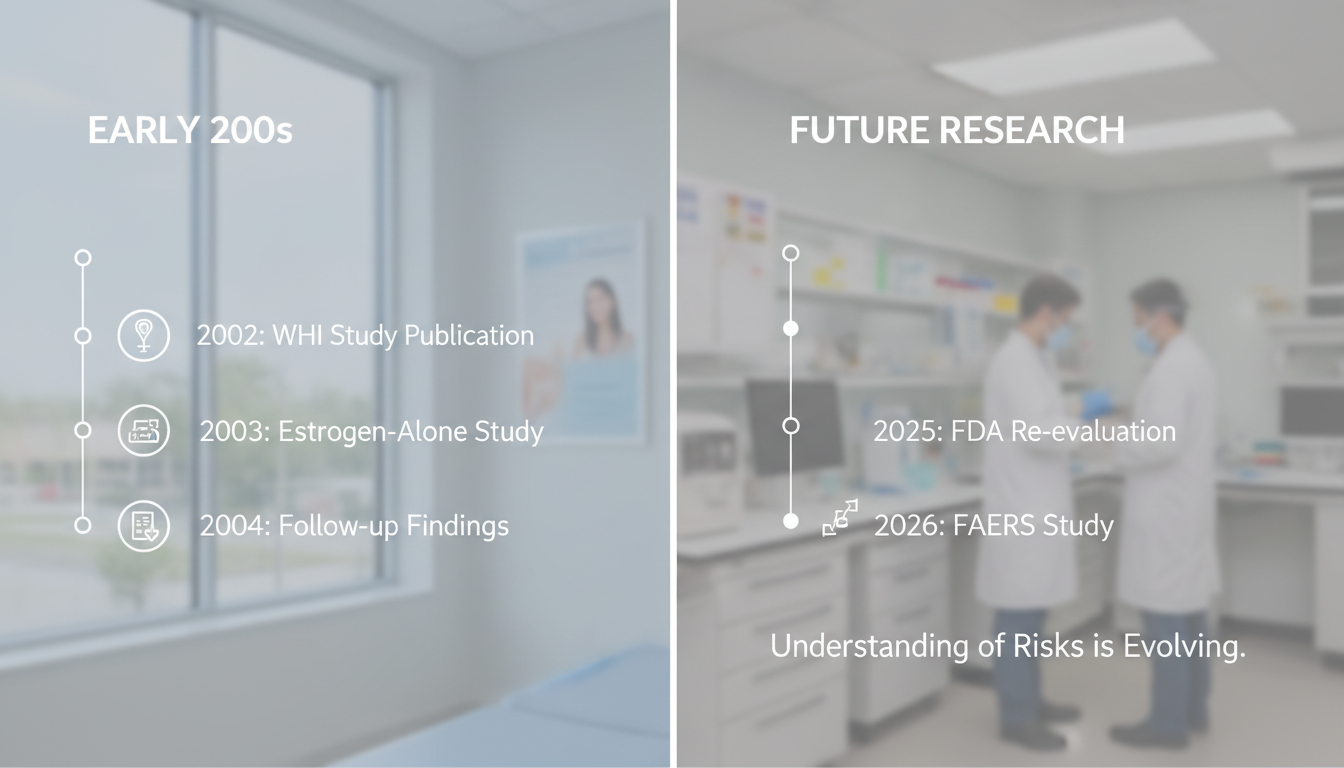
According to a large-scale analysis of the FDA Adverse Event Reporting System (FAERS) from 2004-2024, published in February 2026, most adverse events occurred within 30 to 180 days of starting the medication. This suggests that if you can get through the initial adjustment period, many side effects may lessen on their own.
Navigating these effects can feel overwhelming. If you're trying to figure out if hormone therapy is right for you, help is available. Take our free quiz to get matched with a provider who can review your symptoms and create a plan for you.
Serious Progesterone Side Effects to Watch For
While less common, some progesterone side effects are serious and require immediate medical attention. Much of the concern around hormone therapy stems from the Women’s Health Initiative (WHI) studies. These trials, which looked at postmenopausal women taking estrogen plus a progestin (a synthetic form of progesterone), found increased risks for certain conditions.
Based on the WHI findings, progesterone products carry a black box warning from the FDA regarding these potential risks:
- Cardiovascular Disorders: An increased risk of stroke, deep vein thrombosis (DVT), pulmonary embolism (PE), and heart attack (myocardial infarction).
- Invasive Breast Cancer: The WHI study showed a higher incidence of invasive breast cancer in women using combined estrogen-progestin therapy.
- Probable Dementia: In women aged 65 or older, combined hormone therapy was linked to an increased risk of developing probable dementia.
It is crucial to understand the context of this data. In November 2025, the FDA announced it was reassessing these warnings for menopausal hormone therapies. The agency noted that the average age of women in the WHI studies was 63-79, which is significantly older than the typical woman starting hormone therapy for perimenopause or menopause (ages 45-55). The FDA's action suggests the risks may not be the same for this younger group, a topic further explored in our guide to hormone replacement therapy for perimenopause.
Beyond the WHI findings, the 2026 FAERS study identified new, though rare, potential side effects, including:
- Acute eosinophilic pneumonia (a rare lung disease)
- Meningioma (a type of tumor on the brain or spinal cord)
- Autoimmune dermatitis
These findings are very recent and highlight the need for ongoing monitoring. While the absolute risk of these events is low, they underscore the importance of reporting any new or unusual symptoms to your doctor. The study found that while most outcomes were minor, more serious events like hospitalization (14.67%), life-threatening events (2.28%), and death (1.46%) were reported over the 20-year period.
Who Should Not Take Progesterone?
Progesterone is not safe for everyone. Your doctor will review your medical history to determine if it's a suitable option for you. You should not take progesterone if you have a history of:
- Breast Cancer or Other Hormone-Sensitive Cancers: Progesterone can potentially stimulate the growth of certain cancers.
- Undiagnosed Abnormal Vaginal Bleeding: Bleeding should always be investigated first to rule out serious underlying conditions like uterine cancer.
- Blood Clots: A history of DVT (deep vein thrombosis) or PE (pulmonary embolism) is a major contraindication.
- Arterial Thromboembolic Disease: This includes having had a stroke or heart attack.
- Liver Disease: Progesterone is processed by the liver, and impaired liver function can cause the hormone to build up to unsafe levels.
- Allergy to Progesterone: Or any of its ingredients, such as peanut oil in some formulations.
The FAERS database analysis from 2004-2024 found that the most frequent adverse event reports were related to maternal exposure during pregnancy (151 cases) and spontaneous abortion (144 cases). For this reason, progesterone is generally not recommended during pregnancy unless prescribed by a specialist for a specific reason.
Understanding your risk profile is key. While some women worry about progesterone, others may experience side effects from different hormone therapies. For example, the side effects of TRT in women are very different and can include issues like acne or voice changes.
Drug Interactions to Know
Progesterone can interact with other medications, which can either reduce its effectiveness or increase the risk of side effects. It is primarily broken down in the liver by an enzyme system called CYP3A4.
- Drugs That Increase Progesterone Breakdown: Certain medications, known as CYP3A4 inducers, can speed up how quickly your body clears progesterone, making it less effective. Examples include some anti-seizure drugs (like carbamazepine) and the herbal supplement St. John's Wort.
- Drugs That Decrease Progesterone Breakdown: Other drugs, known as CYP3A4 inhibitors, can slow down its metabolism. This can lead to higher levels of progesterone in your blood and increase a person's risk of side effects. Examples include certain antifungal medications (like ketoconazole) and grapefruit juice.
It’s vital to tell your doctor and pharmacist about all medications, supplements, and herbal products you take. Hormonal balance is complex. Just as progesterone interacts with other drugs, men managing their hormones must consider how treatments interact, weighing the benefits against things like side effects of testosterone injections or dutasteride side effects.
Want to see how progesterone might fit with your current medications? A qualified provider can help. Our free 3-minute quiz can connect you with a vetted provider who will perform a comprehensive review of your health history. You can also use online tools like our drug interaction checker for preliminary information.
How to Manage Common Progesterone Side Effects
If you're dealing with mild side effects, several strategies can help you feel better while your body adjusts. Always discuss these changes with your provider before making them.
For Drowsiness or Dizziness: This is one of the most common complaints, especially with oral progesterone capsules.
- Take it at night: Most doctors recommend taking oral progesterone at bedtime. This allows you to "sleep through" the peak sedative effect.
- Avoid alcohol: Alcohol can significantly worsen dizziness and drowsiness. It's wise to limit your intake, especially in the evenings when you take your medication. This is similar to safety advice for other medications, like avoiding alcohol on Semaglutide.
- Be careful when you stand up: Move slowly to prevent lightheadedness.
For Bloating and Fluid Retention:
- Watch your salt: Reducing sodium intake can help minimize water retention.
- Stay hydrated: It sounds counterintuitive, but drinking plenty of water helps your kidneys flush out excess sodium and fluid.
- Eat potassium-rich foods: Foods like bananas, avocados, and spinach can help balance fluid levels.
For Mood Swings or Sadness:
- Exercise regularly: Physical activity is a powerful mood booster.
- Prioritize sleep: Progesterone can help with sleep, but good sleep hygiene is still important for emotional regulation.
- Consider dose timing: Talk to your doctor. Sometimes, changing the dose or form (e.g., from oral to a cream) can help. For overall wellness, ensuring you get enough Vitamin D can also support a stable mood. You can look into a quality vitamin D supplement for women.
For Breast Tenderness:
- Wear a supportive bra: A well-fitting bra can reduce discomfort.
- Limit caffeine: Some women find that reducing caffeine intake helps with breast tenderness.
If side effects persist for more than a few months or are severe, do not just stop taking your medication. Your provider may suggest adjusting the dose, changing the delivery method (e.g., from oral to transdermal), or trying a different type of progestogen.

When to See a Doctor
While mild side effects can often be managed at home, certain symptoms are red flags that require immediate medical evaluation. These symptoms could indicate a serious event like a blood clot, stroke, or liver problem.
Call your doctor or seek emergency medical help immediately if you experience:
- Signs of a blood clot in your leg (DVT): Pain, swelling, warmth, or redness in one leg, usually the calf.
- Signs of a blood clot in your lung (PE): Sudden shortness of breath, sharp chest pain that worsens with a deep breath, or coughing up blood.
- Signs of a stroke: Sudden numbness or weakness (especially on one side of the body), severe headache, confusion, trouble speaking, or vision changes.
- Signs of a heart attack: Chest pain or pressure, pain spreading to your shoulder or arm, shortness of breath, or lightheadedness.
- Signs of liver problems: Yellowing of the skin or eyes (jaundice), dark urine, or severe abdominal pain.
- New breast lumps or changes in your breasts.
These symptoms are rare, but it is critical to know them. Prompt action can be life-saving.
Ready to Talk to a Professional?
Understanding the full picture of progesterone side effects is the first step. The next is getting guidance tailored to you. Every person's body and medical history is unique, and what works for one may not work for another.
If you're ready to explore your options for hormone optimization, let us connect you with an expert. Take our free 3-minute quiz to get matched with a licensed provider in your area who can help you weigh the benefits and risks.
Frequently Asked Questions about Progesterone Side Effects
Do progesterone side effects go away?
For many people, common side effects like drowsiness, bloating, and moodiness lessen or disappear within the first one to three months as their body adjusts to the medication. If side effects persist or are severe, you should speak with your healthcare provider.
Can progesterone cause weight gain?
Progesterone can cause fluid retention, which can lead to bloating and a temporary increase on the scale. True fat gain is less common but can occur due to hormonal changes affecting appetite or metabolism. If you are concerned about weight changes, discuss them with your doctor.
Is bioidentical progesterone safer than synthetic progestins?
Some evidence suggests that micronized bioidentical progesterone (like Prometrium) may have a better safety profile than synthetic progestins (like medroxyprogesterone acetate, or Provera), particularly regarding mood and cardiovascular risks. However, no hormone therapy is completely without risk. Your doctor can help you decide which option is best.
What are the progesterone side effects after menopause?
The side effects are generally the same. However, when used in postmenopausal hormone therapy, the focus on risk assessment is often on the long-term data from the WHI studies, such as the risk of breast cancer and cardiovascular events. As of 2026, these risks are being re-evaluated for women who start therapy closer to the onset of menopause.
Can I drink alcohol while taking progesterone?
It is generally advised to limit alcohol. Alcohol can significantly increase the drowsiness and dizziness caused by progesterone, which can impair your coordination and judgment. It is especially important to avoid alcohol around the time you take your dose.
Contributing to evidence-based peptide education and provider transparency.
Too many clinics, not enough clarity?
We don't sell peptides. Tell us your goals and we'll connect you with a vetted provider who can figure out what actually makes sense for you.
See what's right for youRelated articles
Which Protein Supplements for Muscle Growth Actually Work?
Tired of the hype? Find out which protein supplements for muscle growth are backed by science and learn how to pick the right one for your goals.
Hormone TherapyWhat Are the Real Magnesium Glycinate Benefits?
Uncover the science-backed magnesium glycinate benefits. We explore its effects on sleep, stress, and muscle function and explain why it's a top choice.
Hormone TherapyWhat B12 Shot Benefits Can You Actually Expect?
B12 shots are often hyped for energy, but the real b12 shot benefits are more specific. Learn who is a true candidate and what results to expect.