Semaglutide Dosing Schedule for Beginners
Learn the proper semaglutide dosing schedule, starting doses, and weekly increases. Covers Ozempic, Wegovy, and compounded options.
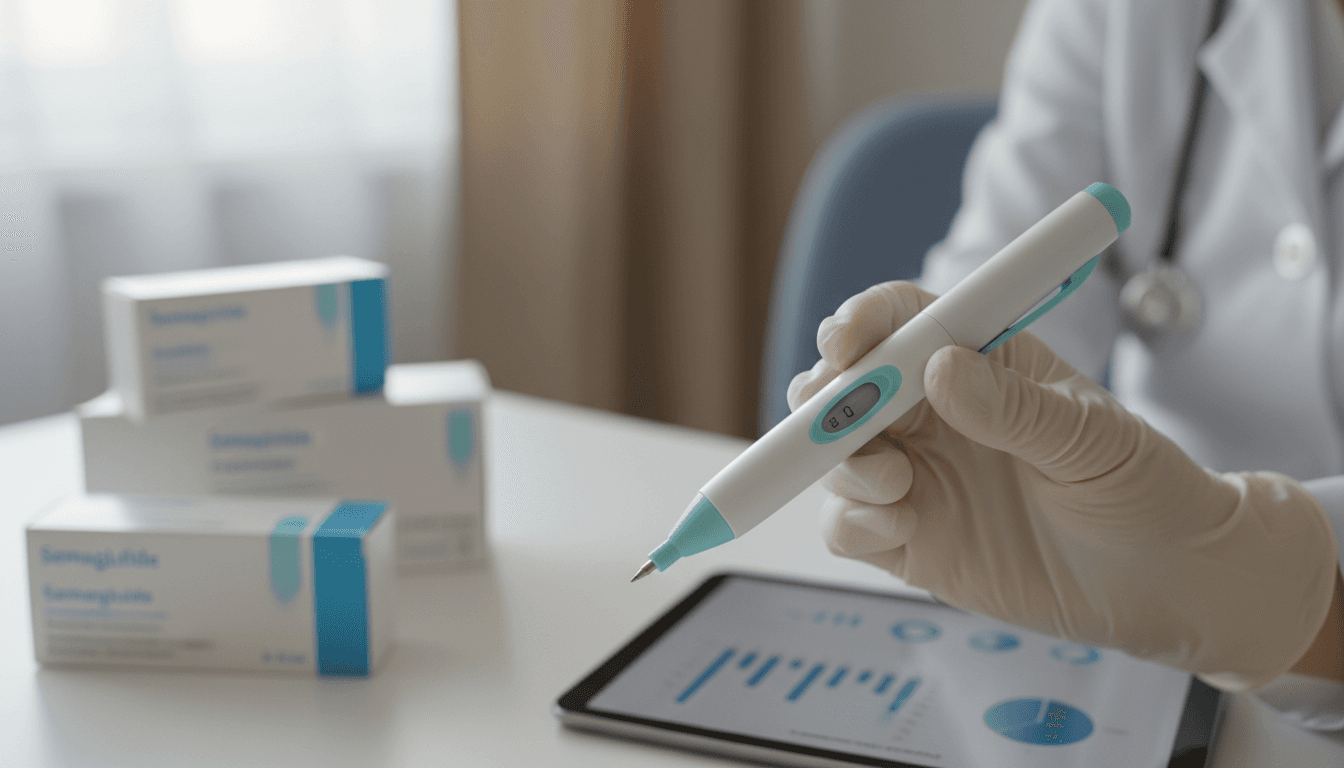
This content is for informational purposes only and does not constitute medical advice. Always consult with a qualified healthcare provider before starting any medication or treatment plan.
Understanding Semaglutide Dosing in 2026
Semaglutide dosing has evolved significantly in 2026, with new high-dose options and refined protocols that make this GLP-1 medication more effective than ever. Whether you're considering branded options like Wegovy and Ozempic or exploring compounded semaglutide, understanding proper dosing schedules is crucial for both safety and results.
Things changed dramatically in March 2026 when the FDA approved Wegovy HD at 7.2mg weekly, tripling the previous maximum dose. This breakthrough, combined with new oral formulations and improved compounding options, means patients now have more choices than ever for their semaglutide treatment plan.
Getting the dosing right matters more than you might think. The standard "start low, go slow" approach minimizes side effects while maximizing weight loss results. Studies show that proper titration can mean the difference between tolerating the medication long-term versus stopping due to gastrointestinal issues. With costs ranging from $99-199 monthly for compounded versions to over $1,350 for retail Wegovy, understanding your options helps you make informed decisions about both effectiveness and affordability.
The key to successful semaglutide treatment lies in following evidence-based dosing protocols, whether you're using it for weight management, diabetes control, or cardiovascular protection. Each indication has specific guidelines, and the recent approval of higher doses opens new possibilities for patients who need additional support.
Standard Semaglutide Dosing Schedules for Different Brands
The semaglutide brand you choose determines your specific dosing schedule. While all contain the same active ingredient, Wegovy, Ozempic, and compounded versions follow different protocols based on their intended use and concentration.
Wegovy (Weight Management) Standard Protocol
Wegovy follows a 16-week titration schedule designed to minimize side effects while reaching therapeutic doses. According to the latest FDA prescribing information, the standard progression begins at 0.25mg weekly for the first four weeks. This initial dose helps your body adjust to the medication's effects on gastric emptying and appetite regulation.
Week 5-8 increases to 0.5mg weekly, followed by 1.0mg weekly for weeks 9-12. The dose then escalates to 1.7mg weekly for weeks 13-16, before reaching the maintenance dose of 2.4mg weekly. This gradual increase reduces the risk of nausea, vomiting, and other gastrointestinal side effects that can occur when starting too high.
For patients who need additional weight loss support, the new Wegovy HD protocol extends beyond 2.4mg. Patients must tolerate the standard 2.4mg dose for at least four weeks before considering the 7.2mg option. Clinical trials showed this higher dose produced 20.7% weight loss compared to 15.8% with the standard dose, as reported in recent studies.
Ozempic (Diabetes Management) Dosing
Ozempic uses a different schedule focused on glycemic control. The starting dose is 0.25mg weekly for four weeks, but this serves as a dose escalation period rather than a therapeutic dose. After the initial month, patients typically move to 0.5mg weekly.
If additional glycemic control is needed after four weeks at 0.5mg, the dose can increase to 1.0mg weekly. Some patients may benefit from a further increase to 2.0mg weekly if glucose targets aren't met. However, doses above 2.0mg weekly aren't currently FDA-approved for diabetes management with the Ozempic brand.
Compound Semaglutide Dosing Variations
Compounded semaglutide offers more flexibility in dosing schedules, often at significantly lower costs ($99-199 monthly versus $1,350 for retail Wegovy). Many compounding pharmacies create custom titration schedules that may include smaller incremental increases or alternative dosing frequencies.
Some providers use microdosing approaches with compounded semaglutide, starting as low as 0.1mg weekly and increasing by 0.1mg increments every two weeks. This ultra-gradual approach can help patients with severe gastrointestinal sensitivity tolerate the medication better.
The concentration of compounded semaglutide varies between pharmacies, affecting injection volumes and dosing calculations. Always verify your specific product's concentration and follow your provider's instructions rather than assuming standard protocols apply.
Oral Semaglutide Considerations
The oral Wegovy formulation requires daily dosing with specific administration requirements. Patients must take the medication on an empty stomach with 4 ounces of water, then wait at least 30 minutes before eating, drinking, or taking other medications. This daily regimen differs significantly from weekly injection protocols and requires consistent morning routines for optimal absorption.
Not sure which semaglutide option and dosing schedule might work best for your situation? Take our free provider matching quiz to connect with qualified healthcare professionals who can evaluate your specific needs and create a personalized treatment plan.
The New High-Dose Semaglutide Options and What They Mean
The March 2026 FDA approval of Wegovy HD at 7.2mg weekly represents the biggest advancement in semaglutide dosing since the medication's initial launch. This development, along with ongoing research into even higher doses, is reshaping how providers approach weight management treatment.
Wegovy HD (7.2mg) Clinical Results
The STEP UP trial that led to Wegovy HD's approval demonstrated remarkable results. Patients achieved an average body weight loss of 21% at 72 weeks, with 31% of participants losing 25% or more of their body weight. These numbers significantly exceed the 15-18% weight loss typically seen with standard 2.4mg dosing.
However, eligibility for Wegovy HD is specific. Patients must be adults with obesity (BMI ≥30) or overweight (BMI ≥27) with at least one weight-related condition. They must already tolerate the 2.4mg dose for at least four weeks and demonstrate a need for additional weight loss. This isn't a first-line treatment but rather an option for patients who need enhanced results.
The higher dose comes with increased monitoring requirements. Providers typically assess gastrointestinal tolerance, blood glucose levels, and potential signs of thyroid issues more frequently with the 7.2mg dose. Side effects mirror those of lower doses but may occur with greater intensity, particularly nausea and decreased appetite.
Research Into Ultra-High Doses
A phase 2 trial published in April 2025 investigated semaglutide doses up to 16mg weekly in people with type 2 diabetes and overweight or obesity. The 16mg dose produced an additional 3.4kg weight reduction compared to the 2mg dose, with modest improvements in HbA1c as well.
While these ultra-high doses aren't yet approved for clinical use, the research suggests that dose-dependent benefits may continue beyond current maximum doses. However, the practical considerations of side effect management and cost-effectiveness at these levels remain under investigation.
Comparing High-Dose Semaglutide to Tirzepatide
Even with the new 7.2mg option, semaglutide still trails tirzepatide in head-to-head comparisons. A May 2025 phase 3b trial showed tirzepatide producing 20.2% mean weight reduction compared to 13.7% with semaglutide at standard doses. This suggests that while higher semaglutide doses close the gap, tirzepatide may still offer superior results for some patients.
The choice between high-dose semaglutide and tirzepatide often comes down to individual tolerance, insurance coverage, and provider experience. Some patients who don't tolerate tirzepatide's dual GLP-1/GIP mechanism may find better success with higher semaglutide doses.
Cost Considerations for High-Dose Options
Wegovy HD carries a premium price, often 40-50% higher than standard Wegovy. Without insurance coverage, monthly costs can exceed $2,000. This makes the cost-per-percentage point of weight loss an important consideration for many patients.
Compounded high-dose semaglutide may offer more affordable alternatives, though availability varies by pharmacy and regulatory considerations continue to evolve. Always discuss both branded and compounded options with your provider to understand the full range of choices available.
Injection Site Considerations for Higher Doses
Higher semaglutide doses require attention to proper injection techniques and site rotation. The larger injection volumes associated with some high-dose formulations may cause more injection site reactions if proper rotation isn't maintained.
Standard semaglutide injection sites include the abdomen, thigh, and upper arm. With higher doses or more frequent injections, rotating between these areas and varying the exact location within each area becomes more critical for comfort and medication absorption.
Optimizing Your Semaglutide Dosing Schedule
Success with semaglutide depends on more than just following a standard protocol. Individual factors, lifestyle considerations, and response patterns often require adjustments to optimize both effectiveness and tolerability.
Personalizing Titration Speed
While standard protocols increase doses every four weeks, some patients benefit from slower or faster titration schedules. Patients with significant gastrointestinal sensitivity may need 6-8 weeks at each dose level to fully adapt. Conversely, patients with minimal side effects and urgent weight loss needs might tolerate faster escalation under close medical supervision.
The "start low, go slow" principle remains crucial, but the definition of "slow" varies between individuals. Factors influencing titration speed include baseline BMI, previous GLP-1 experience, concurrent medications, and individual metabolism patterns. Your provider should assess these factors when creating your specific schedule.
Timing and Administration Best Practices
Consistency in injection timing helps maintain stable blood levels and reduces side effect variability. Most patients find success injecting on the same day each week, though the exact time of day is less critical than consistency. Some patients prefer evening injections to sleep through peak side effect periods, while others choose morning doses to align with their routine.
For patients using compounded semaglutide, proper reconstitution and storage become additional considerations. Our reconstitution calculator can help ensure accurate dosing when working with lyophilized powder formulations.
Managing Side Effects Through Dosing Adjustments
Gastrointestinal side effects are the most common reason for semaglutide discontinuation, but smart dosing strategies can help patients push through initial discomfort. If nausea or vomiting occurs at a new dose level, staying at the previous dose for an additional 2-4 weeks often allows tolerance to develop.
Some providers use "step-back" protocols where patients temporarily reduce their dose if side effects become severe, then attempt re-escalation after 1-2 weeks. This approach often succeeds where permanent discontinuation might have been the only alternative.
Dietary modifications can also support dosing optimization. Eating smaller, more frequent meals and avoiding high-fat foods during dose escalation periods helps minimize gastrointestinal distress. Our guide on foods to avoid on semaglutide provides specific recommendations.
Monitoring Response and Adjusting Goals
Not all patients need maximum doses to achieve their goals. Some individuals reach satisfactory weight loss at 1.0mg or 1.7mg weekly, making further escalation unnecessary. Regular monitoring should include weight trends, side effect assessment, and overall quality of life measures.
Blood glucose monitoring becomes important even for non-diabetic patients, as semaglutide can occasionally cause hypoglycemia, especially when combined with dietary changes or increased exercise. Providers typically recommend checking fasting glucose monthly during titration phases.
Special Populations and Dosing Considerations
Older adults may require slower titration and lower maximum doses due to increased sensitivity and potential drug interactions. Patients with kidney or liver impairment need careful monitoring, though dose adjustments aren't typically required unless function is severely compromised.
Patients transitioning from other GLP-1 medications may not need to start at the lowest semaglutide dose, but cross-tolerance isn't guaranteed. Your provider should consider previous medication response when designing your initial protocol.
Want personalized guidance on optimizing your semaglutide dosing schedule? Our provider matching quiz connects you with experienced practitioners who can create a customized plan based on your specific needs and goals.
Compounded vs. Brand Name Semaglutide Dosing Differences
The choice between compounded and brand name semaglutide involves more than just cost considerations. Dosing protocols, concentrations, and administration methods can vary significantly, affecting both your treatment experience and results.
Cost and Access Differences
The most obvious difference lies in pricing. Compounded semaglutide typically costs $99-199 monthly compared to approximately $1,350 monthly for retail Wegovy. This dramatic cost difference makes treatment accessible to patients without insurance coverage or those whose plans don't cover GLP-1 medications for weight loss.
However, insurance coverage patterns favor brand name medications. Most major insurers cover Ozempic for diabetes and increasingly cover Wegovy for weight management, though prior authorization requirements are common. Compounded versions rarely receive insurance coverage, making them entirely out-of-pocket expenses.
Access also differs geographically and by provider network. Brand name semaglutide is available at virtually any pharmacy, while compounded versions require relationships with specialized compounding pharmacies. Some telehealth providers have streamlined this process, offering integrated prescribing and pharmacy services.
Concentration and Volume Variations
Brand name semaglutide comes in pre-filled pens with standardized concentrations. Wegovy pens contain 2.4mg/mL, while Ozempic pens vary by dose strength. This standardization eliminates calculation errors and ensures consistent dosing.
Compounded semaglutide concentrations vary significantly between pharmacies. Common concentrations range from 1mg/mL to 10mg/mL, affecting injection volumes and dosing calculations. Higher concentrations allow smaller injection volumes but require more precise measurement. Lower concentrations may be easier to dose accurately but result in larger injection volumes.
Some compounding pharmacies offer multiple concentration options, allowing providers to choose based on patient needs. Patients who struggle with small-volume injections might benefit from lower concentrations, while those preferring minimal injection volumes might choose higher concentrations.
Quality and Consistency Considerations
FDA-approved brand name semaglutide undergoes rigorous quality control and batch testing. Each pen contains precisely measured doses with guaranteed potency and sterility. This consistency ensures predictable results and minimizes variability between doses.
Compounded semaglutide quality depends on the individual pharmacy's standards and processes. While reputable compounding pharmacies maintain high standards, the lack of FDA oversight means greater potential for variability. Factors like mixing techniques, storage conditions, and raw material quality can affect final product consistency.
Some compounding pharmacies voluntarily submit to additional quality certifications or third-party testing, providing extra assurance. When considering compounded options, ask about quality control measures and testing procedures.
Dosing Flexibility Advantages
Compounded semaglutide offers dosing flexibility that brand name options can't match. Providers can create custom concentrations for ultra-gradual titration schedules or specific patient needs. This flexibility particularly benefits patients with severe side effect sensitivity or those requiring doses not available in standard formulations.
Microdosing protocols become possible with compounded versions, allowing incremental increases as small as 0.05mg weekly. Some providers use this approach for patients who couldn't tolerate standard titration schedules with brand name products.
Custom combination formulations also become possible through compounding. Some providers combine semaglutide with complementary medications like vitamin B12 or other supportive compounds, though evidence for these combinations remains limited.
Administration and Storage Differences
Brand name semaglutide pens are designed for single-use convenience with built-in needles and dose selectors. This simplicity reduces administration errors and makes treatment more user-friendly, especially for patients uncomfortable with traditional syringes.
Compounded semaglutide typically requires separate syringes and needles, along with careful dose measurement. This traditional injection method requires more skill and confidence but offers greater control over injection techniques. Some patients actually prefer this approach once they become comfortable with the process.
Storage requirements differ as well. Brand name pens are designed for specific storage conditions with clear expiration dates. Compounded versions may have different stability profiles and storage requirements depending on the formulation and preservatives used.
Regulatory and Legal Considerations
Brand name semaglutide carries FDA approval for specific indications with established safety profiles. This regulatory backing provides legal protections and clear guidelines for use. Insurance companies and medical boards recognize these medications as standard treatments.
Compounded semaglutide exists in a different regulatory space. While legal when prescribed appropriately, it lacks FDA approval and the associated safety data. Some states have varying regulations regarding compounding practices, affecting availability and oversight.
Professional liability considerations may also differ. Some providers feel more comfortable prescribing FDA-approved medications due to established legal precedents and clearer malpractice protections.
For a deeper dive into compounded options, including specific providers and quality considerations, check out our full guide to compounded semaglutide.
Practical Implementation and Next Steps
Successfully starting semaglutide treatment requires more than understanding dosing schedules. Practical considerations around provider selection, insurance navigation, and treatment monitoring determine your long-term success and satisfaction with the medication.
Choosing the Right Provider and Treatment Approach
The provider you choose significantly impacts your semaglutide experience. Endocrinologists and obesity medicine specialists typically have the most experience with GLP-1 medications, but many primary care physicians and telehealth providers also offer excellent care.
Key factors to evaluate include the provider's experience with semaglutide dosing adjustments, their approach to side effect management, and their familiarity with both brand name and compounded options. Providers who only offer one type of semaglutide may not present all available options that could better fit your needs and budget.
Telehealth providers have become increasingly popular for semaglutide treatment, often offering competitive pricing and convenient access. However, ensure any telehealth provider includes proper medical evaluation, ongoing monitoring, and clear protocols for managing side effects or emergencies.
Insurance and Cost Management Strategies
Insurance coverage for semaglutide varies dramatically based on your plan and the specific indication. Ozempic for diabetes typically receives better coverage than Wegovy for weight loss, even though they contain the same medication. Understanding your specific benefits before starting treatment prevents surprise costs.
Prior authorization requirements are common and can delay treatment initiation. Work with your provider's office to submit required documentation early, including medical history, BMI documentation, and previous weight loss attempts if required by your plan.
If insurance coverage isn't available or affordable, explore manufacturer discount programs, patient assistance programs, and compounded alternatives. Our GLP-1 cost calculator helps compare options across different scenarios.
Monitoring and Long-term Success Planning
Successful semaglutide treatment requires ongoing monitoring beyond just weighing yourself weekly. Regular check-ins should include side effect assessment, blood pressure monitoring, and periodic lab work to check kidney function and blood glucose levels.
Most providers recommend monthly visits during the titration phase, then quarterly visits once you reach a stable maintenance dose. These visits allow for dose adjustments, side effect management, and discussion of long-term goals.
Weight loss plateaus are common with any medication, including semaglutide. Having a plan for plateau management, whether through dose optimization, lifestyle modifications, or combination therapies, helps maintain motivation and results over time.
Setting Realistic Expectations and Goals
Clinical trials show average weight loss of 15-20% with semaglutide, but individual results vary widely. Some patients lose 30% or more of their body weight, while others may see more modest results. Setting realistic expectations based on your individual circumstances helps prevent disappointment and supports long-term adherence.
Remember that semaglutide is most effective when combined with lifestyle modifications. The medication helps control appetite and food cravings, but maximizing results still requires attention to diet quality, portion control, and regular physical activity.
Studies show that patients who stop semaglutide often regain a substantial portion of lost weight within a year. This underscores the importance of viewing semaglutide as a long-term treatment rather than a temporary solution, similar to how we think about medications for diabetes or high blood pressure.
Ready to explore your semaglutide options with qualified providers who can create a personalized treatment plan? Take our free 3-minute quiz to get matched with licensed practitioners experienced in GLP-1 therapies and peptide treatments.
Frequently Asked Questions
What is the standard semaglutide dosing schedule for weight loss?
The standard semaglutide dosing schedule for weight loss begins at 0.25mg weekly for 4 weeks, increases to 0.5mg weekly for weeks 5-8, then 1.0mg weekly for weeks 9-12, followed by 1.7mg weekly for weeks 13-16, and finally reaches the maintenance dose of 2.4mg weekly. This 16-week titration minimizes side effects while achieving therapeutic levels.
How does compounded semaglutide dosing differ from brand name versions?
Compounded semaglutide dosing offers more flexibility with custom concentrations and titration schedules, often at lower costs ($99-199 monthly vs. $1,350 for Wegovy). However, concentrations vary between pharmacies, requiring careful dose calculations, and quality control may be less standardized than FDA-approved brand name versions.
What are the proper semaglutide injection sites and rotation schedule?
Semaglutide should be injected subcutaneously in the abdomen, thigh, or upper arm. Rotate injection sites weekly and vary the exact location within each area to prevent lipodystrophy and maintain proper absorption. Avoid injecting into areas that are tender, bruised, or have scars.
Can I adjust my semaglutide dose if I experience side effects?
Never adjust your semaglutide dose without consulting your healthcare provider. If you experience significant side effects, your provider may recommend staying at your current dose longer, temporarily reducing the dose, or implementing dietary modifications to improve tolerance before attempting further dose increases.
How long should I stay on each semaglutide dose level?
Standard protocols recommend staying at each dose level for 4 weeks before increasing. However, patients with significant side effects may need 6-8 weeks at each level, while those with minimal side effects might tolerate faster escalation under medical supervision. Always follow your provider's specific recommendations for your situation.
Contributing to evidence-based peptide education and provider transparency.
Too many clinics, not enough clarity?
We don't sell peptides. Tell us your goals and we'll connect you with a vetted provider who can figure out what actually makes sense for you.
See what's right for youRelated articles
A Step-by-Step Gelatin Recipe for Weight Loss
Seen the viral "pink trick"? We break down the simple gelatin recipe for weight loss. Learn our step-by-step method to help manage hunger and feel full.
GLP-1 Weight LossOzempic Cost in 2026: What You'll Actually Pay
The 2026 Ozempic cost can be anywhere from $25 to over $1,400 a month. Discover why and learn how to find savings with or without insurance coverage.
GLP-1 Weight LossHow Zep Weight Loss Works and What to Expect
Thinking about zep weight loss? We cover how this drug works, what realistic results look like, common side effects, and how it compares to Ozempic.