What Are the Real Weight Loss Drugs Long-Term Effects?
For years, we've wondered about the weight loss drugs long-term effects. See what new data reveals about muscle loss, organ health, and what happens after.

This content is for informational purposes only and does not constitute medical advice.
GLP-1 medications like Wegovy, Zepbound, and Ozempic have become incredibly popular for weight management. They offer a powerful tool for people who have struggled with obesity. But with their rapid rise, an important question comes up: what are the weight loss drugs long-term effects? For years, we only had short-term data. Now, in 2026, landmark studies are giving us a clearer picture of their safety and effectiveness over many years. This guide breaks down what the latest science says, from common side effects to the significant long-term health benefits, so you can have an informed conversation with your healthcare provider.
A Look at the Common Side Effects of GLP-1s
Most side effects from GLP-1 medications are gastrointestinal. They happen because these drugs, which are a type of GLP-1 analogue for weight loss, work in part by slowing down how quickly your stomach empties. This helps you feel full longer but can also lead to some discomfort, especially when you first start the medication or increase your dose.
For the majority of people, these side effects are mild to moderate and decrease over time as their bodies adjust. Here’s a look at the most common issues and how often they occur with popular medications, based on clinical trial data.
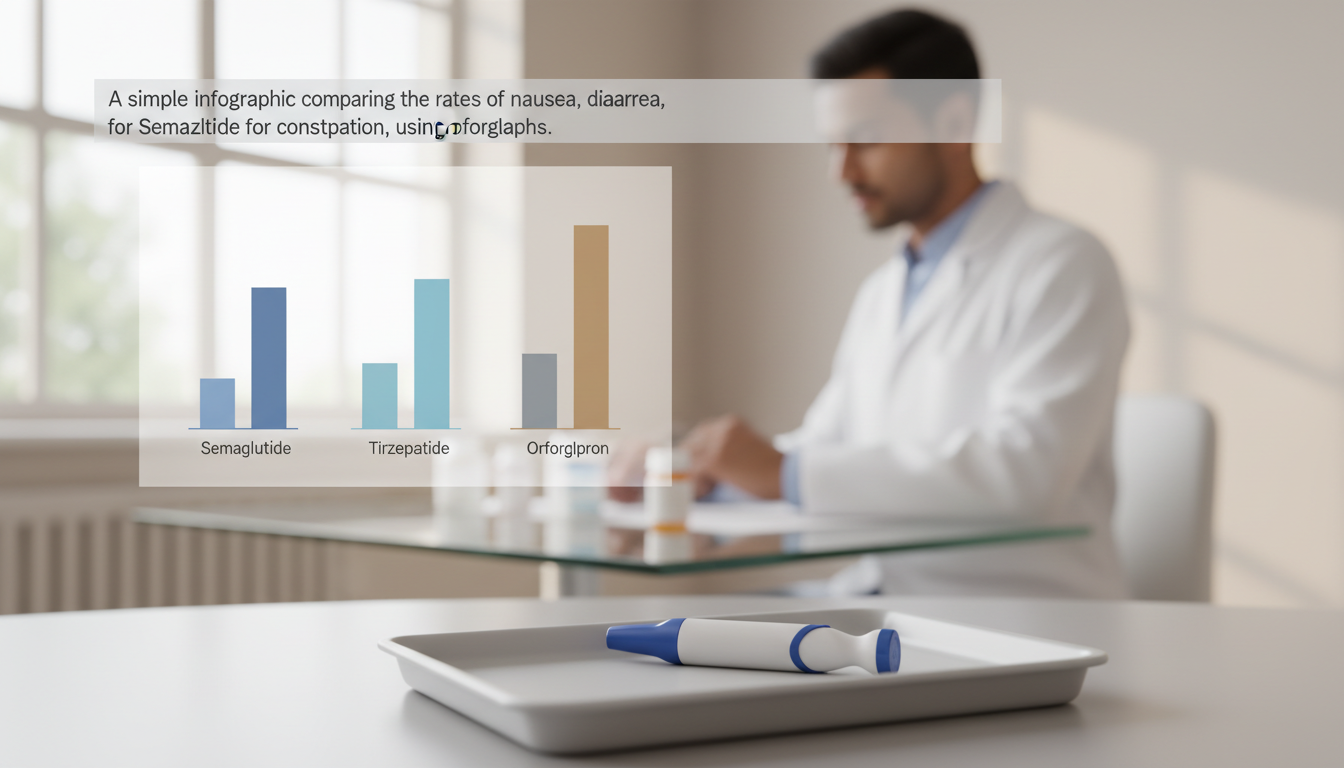
| Side Effect | Semaglutide (Wegovy) | Tirzepatide (Zepbound) | Orforglipron (Oral Pill) |
|---|---|---|---|
| Nausea | ~20% | ~25-30% | ~46-50% |
| Diarrhea | ~15% | ~15-20% | ~15% |
| Vomiting | ~5-8% | ~8-13% | ~25-30% |
| Constipation | ~12% | ~10-12% | ~12% |
| Stomach Pain | ~10% | ~8-10% | ~10% |
Sources: Data compiled from various clinical trials including SELECT and TRIUMPH-4, and real-world data for orforglipron. Frequencies are approximate and can vary by dose.
As you can see, nausea is the most frequent complaint across the board. While the numbers for the oral pill orforglipron look high, a real-world review one year after its approval found that its discontinuation rate due to side effects was only around 6%, similar to injectables. This suggests that for most users, the side effects are manageable (Telehealth Ally, 2026).
Feeling overwhelmed by the different side effect profiles? Finding the best GLP-1 for weight loss depends on your individual health and tolerance.
Not sure which treatment is right for you? Take our free 3-minute quiz to get matched with a provider who can guide you through the options.
Understanding Serious but Rare Weight Loss Drugs Long-Term Effects
While common side effects are usually manageable, it's also important to understand the potential for more serious, though rare, long-term effects. Ongoing safety monitoring by the FDA and long-term clinical trials provide crucial information here.
Heart Health (A Major Positive Effect) The most significant finding about weight loss drugs long-term effects is a positive one. The landmark 5-year SELECT trial, which followed over 17,000 patients, found that semaglutide (the active ingredient in Wegovy and Ozempic) reduced the risk of major adverse cardiovascular events like heart attack and stroke by a stunning 20% in people with pre-existing heart disease (Telehealth Ally, 2026). Follow-up analysis of the trial confirmed that semaglutide led to sustained weight loss of 10.2% over four years (Nature Medicine, 2024). This shows these drugs do more than just help you lose weight; they provide substantial, lasting protection for your heart.
Gallbladder Disease The SELECT trial also confirmed a slightly increased risk of gallbladder-related issues, like gallstones. About 2.6% of patients on semaglutide experienced these events, compared to 1.2% on placebo. Doctors believe this is not a direct effect of the drug itself, but rather a known consequence of rapid weight loss, which can change the composition of bile.
Pancreatitis Inflammation of the pancreas, or pancreatitis, is a rare but serious risk associated with GLP-1s. In clinical trials for semaglutide, it occurred in under 1% of patients. It's critical to know the main symptom: severe, persistent pain in your abdomen that may radiate to your back.
Thyroid C-Cell Tumors All GLP-1 medications carry a "boxed warning" from the FDA about a potential risk of thyroid C-cell tumors. This is the strictest warning the FDA issues. However, it is based on studies in rodents, which developed these tumors at high doses. After over nine years of post-market use and data from massive trials like SELECT, there has been no confirmed signal showing an increased risk in humans (Telehealth Ally, 2026). Still, as a precaution, these drugs are not recommended for people with a personal or family history of medullary thyroid carcinoma (MTC).
Mental Health In early 2026, the FDA took a significant step by asking manufacturers to remove warnings about suicidal thoughts from GLP-1 drug labels. This decision came after a massive review of 91 clinical trials involving over 100,000 patients, which found no evidence linking these drugs to an increased risk of suicidal thoughts or other psychiatric side effects (Reuters, CNN, 2026).
Who Should Not Take These Medications?
GLP-1s are considered safe for many people, but they are not for everyone. You should speak with your doctor about your complete health history. These medications are generally not recommended if you have:
- A personal or family history of medullary thyroid carcinoma (MTC) or Multiple Endocrine Neoplasia syndrome type 2 (MEN 2).
- A history of pancreatitis.
- A known allergy to semaglutide, tirzepatide, or any other ingredients in the medication.
- Severe gastrointestinal disease, such as gastroparesis.
Additionally, if you are pregnant, breastfeeding, or planning to become pregnant, you should not use these medications. For those navigating weight changes during perimenopause, these drugs can be an effective option. Finding the best glp-1 for perimenopause weight loss is a conversation to have with a provider who understands hormone health, as it often involves balancing GLP-1 therapy with other strategies like hormone replacement therapy.
Potential Drug Interactions to Discuss With Your Doctor
Because GLP-1 agonists slow down stomach emptying, they can change how your body absorbs other oral medications. This is a critical conversation to have with your provider before starting treatment. Be sure to provide them with a full list of everything you take, including prescriptions, over-the-counter drugs, vitamins, and supplements.
Key interactions to be aware of include:
- Insulin or drugs that increase insulin production (sulfonylureas): Taking these with a GLP-1 can increase your risk of hypoglycemia (low blood sugar). Your doctor may need to adjust your dosage.
- Oral medications with a narrow therapeutic index: Drugs like Warfarin (a blood thinner) require precise dosing. Delayed absorption could affect their effectiveness and safety.
This is not a complete list. Our free Drug Interaction Checker tool can help you identify potential issues, but it is not a substitute for a professional medical consultation.
Worried about interactions or not sure where to start? Our free 3-minute quiz can connect you with a qualified telehealth provider who can review your health history and guide you to the right choice.
How to Manage the Most Common Side Effects
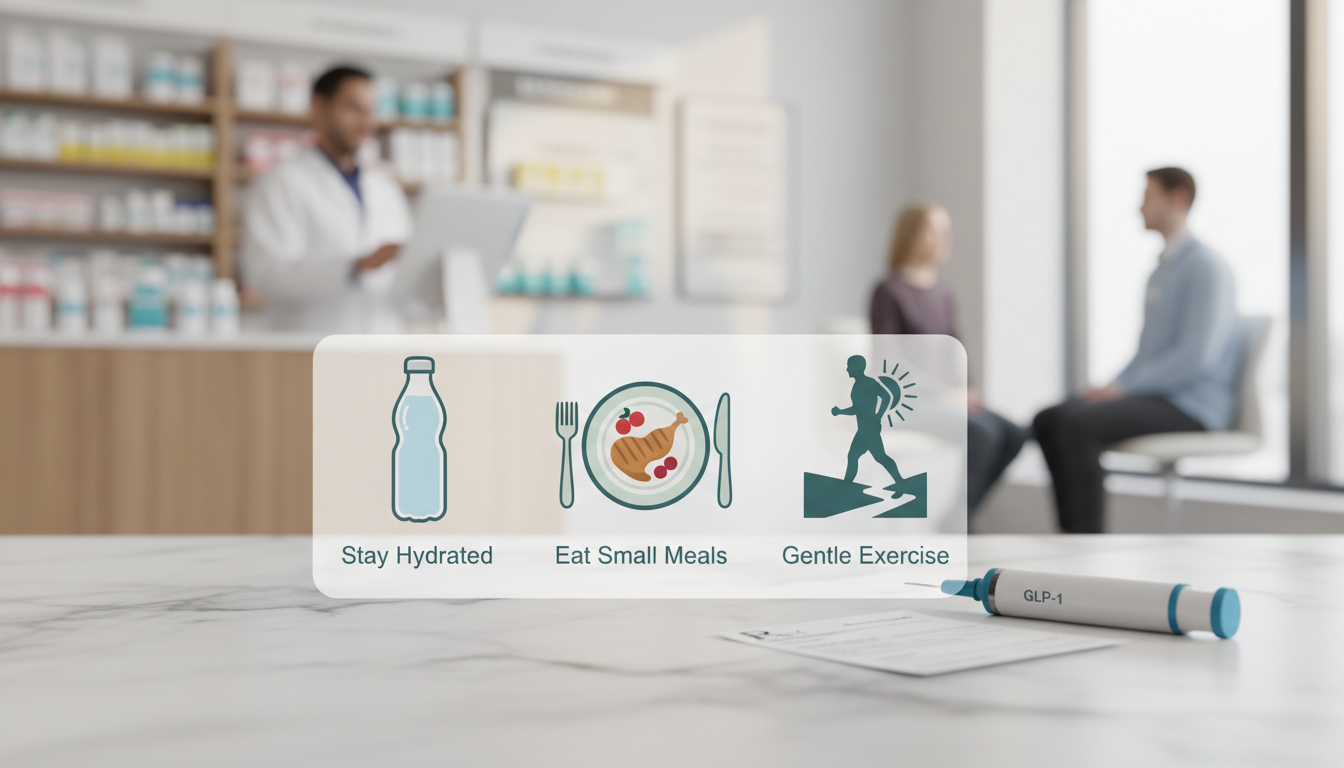
The good news is that most common GLP-1 side effects are manageable and often fade with time. Here are some practical tips that can help you feel better as your body adjusts:
For Nausea:
- Eat smaller, more frequent meals instead of three large ones.
- Choose bland foods like crackers, toast, and rice.
- Avoid greasy, spicy, or very sweet foods.
- Don't lie down immediately after eating.
- Sip water or clear beverages slowly throughout the day.
For Constipation:
- Drink plenty of water. Aim for at least 64 ounces per day.
- Gradually increase your fiber intake with foods like fruits, vegetables, and whole grains.
- Incorporate light physical activity, like walking, into your daily routine.
- Talk to your provider about over-the-counter fiber supplements or stool softeners if the problem persists.
For Diarrhea:
- Stay hydrated. Diarrhea can lead to dehydration, so drink fluids that contain electrolytes.
- Stick to simple, low-fat foods. The BRAT diet (bananas, rice, applesauce, toast) can be helpful.
- Avoid foods known to make diarrhea worse, such as dairy, artificial sweeteners, and high-fat meals.
For Fatigue:
- Ensure you are eating enough calories. Extreme appetite suppression can lead to undereating and fatigue.
- Focus on nutrient-dense foods, especially protein, to maintain energy levels and prevent muscle loss.
- Prioritize a consistent sleep schedule.
Managing these side effects is a key part of sticking with the treatment long enough to see results.
When to See a Doctor About Weight Loss Drugs Long-Term Effects
While most side effects are mild, some symptoms require immediate medical attention. Contact your healthcare provider or seek emergency care if you experience any of the following:
- Severe abdominal pain that doesn't go away and may feel like it's radiating to your back. This could be a sign of pancreatitis.
- Symptoms of gallbladder problems, such as pain in your upper right stomach, fever, or yellowing of your skin or eyes (jaundice).
- Signs of a serious allergic reaction, including swelling of your face, lips, tongue, or throat, or difficulty breathing or swallowing.
- A new lump or swelling in your neck, hoarseness, or trouble swallowing, which could be signs of a thyroid tumor.
- Signs of very low blood sugar, such as dizziness, confusion, sweating, or shakiness.
- Severe vomiting or diarrhea that prevents you from keeping liquids down, which can lead to dehydration.
Always trust your instincts. If something feels wrong, it's better to be safe and get it checked out.
The Rebound Effect: GLP-1 vs Natural Weight Loss
One of the most discussed weight loss drugs long-term effects is what happens when you stop taking them. A 2026 study published in The BMJ highlighted that these drugs are a treatment for a chronic condition, not a one-time cure.
The study found that people who stop taking GLP-1s tend to regain the weight they lost, at an average rate of 0.4 kilograms (nearly one pound) per month. The associated health benefits, like improved cholesterol and blood pressure, also tended to reverse, returning to pre-treatment levels within about 1.4 years of stopping the medication (ScienceDaily, 2026).
This illustrates a key difference in the glp 1 vs natural weight loss debate. Lifestyle-based weight loss can sometimes be more durable if the habits stick, but it's often much slower and less profound. GLP-1s produce significant results but require ongoing use for maintenance. This is why providers emphasize that these medications work best as part of a larger plan that includes sustainable dietary changes and regular physical activity.
Thinking about stopping your medication? Be sure to read our guide on what happens when you stop taking Ozempic.
Ready to start a weight management plan that lasts? Take our free 3-minute quiz to get matched with a licensed provider who can create a sustainable plan for you.
FAQs
Which GLP-1 has the most long-term safety data? As of 2026, semaglutide (found in Ozempic and Wegovy) has the most extensive long-term safety data. It was first approved by the FDA in 2017 for diabetes, and the 5-year SELECT cardiovascular outcomes trial provided a wealth of information confirming its long-term safety and heart benefits.
Are oral GLP-1 pills safer than injections? Oral GLP-1s, like the newly approved oral Wegovy pill and orforglipron, are not necessarily safer but are more convenient. Their side effect profiles are very similar to their injectable counterparts, with gastrointestinal issues being the most common. Finding the best glp 1 for weight loss non injection often comes down to personal preference and lifestyle.
Will I have to take these drugs forever? Obesity is now widely viewed as a chronic disease, much like high blood pressure. For many people, these medications may need to be taken long-term to maintain weight loss and health benefits. Stopping the medication often leads to weight regain. This is a decision you should make with your doctor based on your personal health goals and progress.
Do GLP-1s cause mental health side effects? No. After a thorough review of 91 clinical trials with over 100,000 patients, the FDA concluded in early 2026 that there is no evidence linking GLP-1 drugs to an increased risk of suicidal thoughts or actions. As a result, they have requested these warnings be removed from drug labels.
Does TennCare cover GLP 1 for weight loss? Coverage for GLP-1s for weight loss under Medicaid programs like TennCare is highly variable and often restrictive. Coverage is more common for patients with a type 2 diabetes diagnosis. For weight loss alone, it may not be covered or may require prior authorization with strict criteria. It's essential to check your specific TennCare plan's formulary or contact them directly for accurate information.
Contributing to evidence-based peptide education and provider transparency.
Too many clinics, not enough clarity?
We don't sell peptides. Tell us your goals and we'll connect you with a vetted provider who can figure out what actually makes sense for you.
See what's right for youRelated articles
A Step-by-Step Gelatin Recipe for Weight Loss
Seen the viral "pink trick"? We break down the simple gelatin recipe for weight loss. Learn our step-by-step method to help manage hunger and feel full.
GLP-1 Weight LossOzempic Cost in 2026: What You'll Actually Pay
The 2026 Ozempic cost can be anywhere from $25 to over $1,400 a month. Discover why and learn how to find savings with or without insurance coverage.
GLP-1 Weight LossHow Zep Weight Loss Works and What to Expect
Thinking about zep weight loss? We cover how this drug works, what realistic results look like, common side effects, and how it compares to Ozempic.