How Do I Find the Best Peptide Therapy Near Me?
Don't just Google "best peptide therapy near me" and hope for the best. Discover how to vet clinics, what questions to ask, and find a qualified provider.

This content is for informational purposes only and does not constitute medical advice. Always consult with a qualified healthcare provider before starting any new treatment.
The world of health and wellness is buzzing about peptide therapy, and for good reason. The global market for these powerful molecules reached nearly $52.6 billion in 2025 and is projected to grow significantly (Pure Peptide Clinic, 2026). With benefits ranging from faster injury recovery and weight loss to enhanced cognitive function, more people than ever are searching for the best peptide therapy near me. But with so many options, from online platforms to local clinics, how do you find a provider you can trust?
This guide breaks down the different types of peptide therapy providers available in 2026, what they offer, and how to choose the right one for your specific health goals. We’ll look at real-world examples, costs, and the questions you need to ask to ensure you're getting safe and effective treatment.
How We Evaluated These Peptide Therapy Options
Deciding on the "best" provider isn't about finding a single name. It's about understanding the different models of care and matching one to your needs. We based our evaluation on factors that are crucial for safety, efficacy, and a positive experience.
- Physician Oversight: Safe peptide use requires a doctor's prescription and supervision. The FDA strongly warns against using over-the-counter peptides or those found in dietary supplements (Optimal Clinic, USA). We prioritized models that include comprehensive consultations, lab work, and ongoing monitoring by a licensed medical professional.
- Peptide Quality and Sourcing: Not all peptides are created equal. We looked for providers who source their peptides from licensed and regulated compounding pharmacies in the U.S. This ensures purity and potency, which is a critical safety measure.
- Program Structure and Support: Getting an injection is just one small part. A good program includes a detailed intake process, a clear treatment plan, and regular follow-ups to adjust protocols as needed. This structured approach, like the 'peptide blueprints' offered by some clinics, leads to better outcomes (Precision Health MD).
- Cost and Transparency: Costs can vary wildly. We focused on providers who are upfront about their pricing, including consultations, lab work, medication, and follow-up fees. Knowing the full financial commitment is essential before you begin.
Finding a good provider is the most important step in your treatment. If you're unsure where to start, our team can help.
Not sure which peptide therapy is right for you? Take our free 3-minute quiz to get matched with a vetted provider who fits your goals.
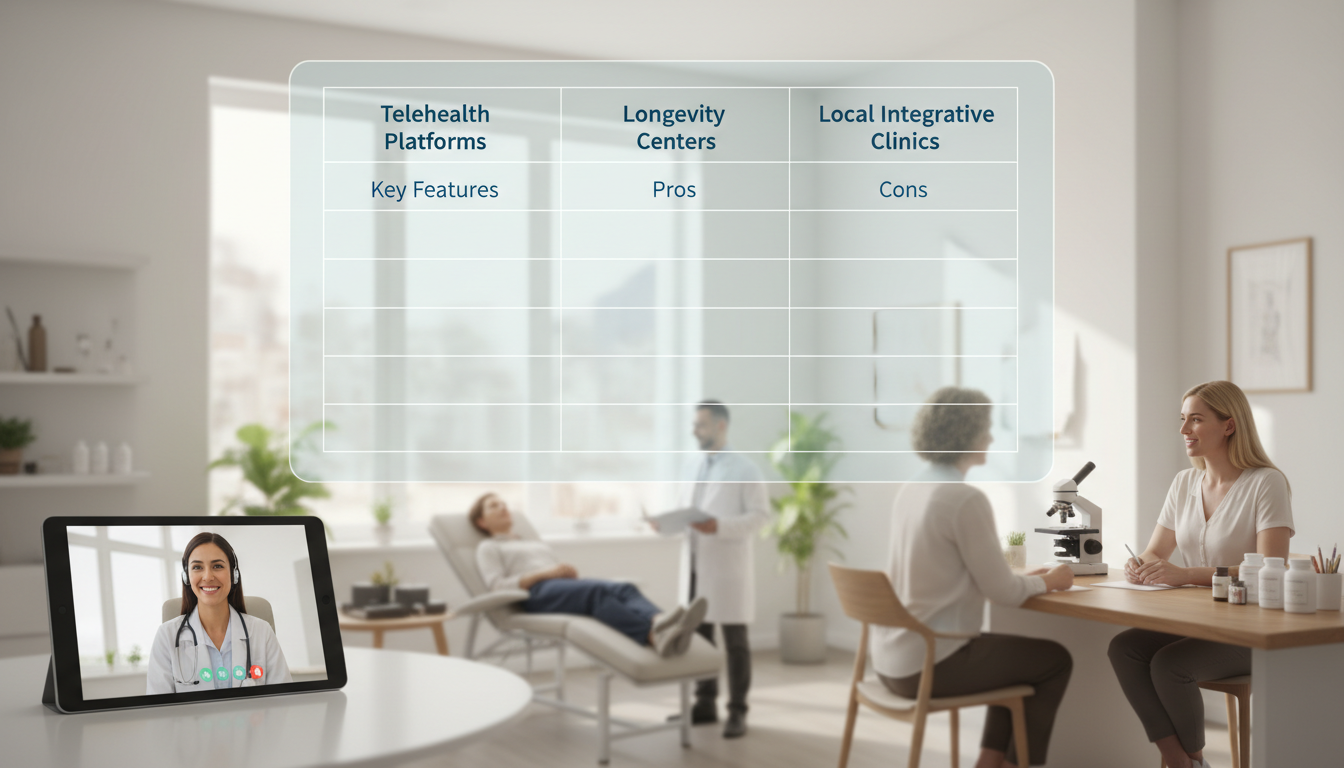
1. Nationwide Telehealth Platforms: The Best Peptide Therapy Near Me Might Be Online
For many people, the search for the best peptide therapy near me ends with a provider that isn't local at all. Nationwide telehealth platforms have made high-quality, physician-guided peptide therapy accessible to everyone, regardless of location.
What They Offer
Telehealth companies like Optimal Clinic USA connect patients with doctors via video calls. The process typically involves an online intake form, a virtual consultation with a physician, and at-home lab testing. If you are a good candidate, prescriptions for peptides are sent directly to your home from a compounding pharmacy. These platforms offer a wide range of popular peptides, including BPC-157 for repair, Sermorelin and CJC-1295 + Ipamorelin for growth hormone support, and GLP-1 agonists like Semaglutide for weight loss. Peptides can come in several forms, such as subcutaneous injections, troches (dissolvable lozenges), or capsules, to suit different needs and preferences (Optimal Clinic, USA).
Pros & Cons
Pros:
- Convenience: Access expert medical care from the comfort of your home, with no travel required.
- Accessibility: Available to patients in nearly every state, including rural areas far from specialized clinics.
- Wide Selection: Telehealth platforms often have access to a broader range of peptides due to their larger network of pharmacies.
Cons:
- Lack of In-Person Contact: Some patients prefer a face-to-face relationship with their doctor.
- Self-Administration: You will be responsible for administering your own injections or other forms of the peptide, which can be a learning curve for some.
- Variable Support: The level of ongoing support and communication can differ between platforms.
Who It's Best For
Telehealth is an excellent option for self-motivated individuals who are comfortable with virtual communication and self-administering medication. It's also ideal for those living in areas without local peptide specialists or for busy professionals who need the flexibility of at-home appointments. If you're looking for an efficient way to access a wide variety of therapies under medical supervision, an online clinic is a strong contender. You can learn more about finding reputable online providers in our guide to peptide clinics near me.

2. Specialized Longevity and Anti-Aging Centers
For those seeking a highly integrated and long-term approach to health optimization, specialized longevity centers are a top-tier choice. These clinics go beyond single-peptide treatments, often creating in-depth programs that combine peptides with hormone replacement therapy (HRT), nutrition, and advanced diagnostics.
What They Offer
Longevity centers, such as BODYWELLE Longevity Programs in Miami, FL, position peptide therapy as a core component of a larger strategy for cellular health and performance. They offer structured, multi-month programs that are billed quarterly. For example, a program with one peptide might cost around $1,230 per quarter, while a more intensive plan with five or more peptides could be $2,430 per quarter. These fees typically cover a comprehensive medical intake, lab reviews, the peptides themselves, and continuous provider oversight to make protocol adjustments (BODYWELLE Longevity Programs). The goal is not just to fix a single issue but to optimize the entire system for long-term wellness.
Pros & Cons
Pros:
- Integrated Approach: Peptides are part of a bigger picture that may include hormone therapy, nutrigenomics, and other advanced treatments.
- High-Touch Service: These programs usually involve close monitoring and a strong patient-provider relationship.
- Focus on Optimization: The goal is peak performance and preventative health, not just treating symptoms.
Cons:
- Higher Cost: This is one of the most expensive models, with quarterly costs often running into the thousands.
- Limited Locations: These high-end centers are typically only found in major metropolitan areas.
- Significant Commitment: These programs are designed for long-term engagement, which may not suit everyone.
Who It's Best For
Longevity centers are best for individuals who view their health as a serious investment and are looking for a deep, data-driven partnership with a medical provider. If you have complex health goals, are interested in anti-aging, and have the budget for a premium service, a longevity center can provide an unmatched level of care and expertise. Patients often report benefits like sustained energy increases and relief from chronic conditions.
3. Local Integrative or Functional Medicine Clinics
Another excellent option for finding the best peptide therapy near me is your local integrative or functional medicine clinic. These practices focus on identifying the root cause of health issues and often use peptides as a tool within a broader treatment plan.
What They Offer
Clinics like Precision Health MD in Fullerton or Brandon Medical Center in Florida offer physician-guided peptide protocols designed to restore cellular function and metabolic health. They use specific peptides targeted for different goals, such as:
- Weight Loss: GLP-1s like Semaglutide and Tirzepatide.
- Tissue Repair: A combination of BPC-157 and TB-500. Read more on how they compare in our BPC-157 vs. TB-500 guide.
- Cognitive Function: Peptides like Dihexa and Semax.
- Growth Hormone: Stacks like CJC-1295 and Ipamorelin.
These clinics emphasize regular lab work to monitor inflammation and metabolic markers, creating a personalized plan based on your unique biology (Precision Health MD). They source peptides from licensed compounding pharmacies, though it's important to understand the regulatory environment. For instance, BPC-157 was a subject of regulatory debate for years. The FDA classified it as a Category 2 substance in 2023, restricting its use. However, a February 2026 announcement indicated that BPC-157 and other peptides were expected to return to Category 1, which would restore legal access through compounding pharmacies (Pure Peptide Clinic, 2026). This highlights the importance of working with a knowledgeable doctor who stays current on regulations.
Pros & Cons
Pros:
- In-Person Care: Allows for a traditional doctor-patient relationship and in-office procedures if needed.
- Root-Cause Focus: Peptides are used as part of a thoughtful strategy to address underlying health issues.
- Community-Based: Establishes a relationship with a local provider you can see for other health needs.
Cons:
- Variable Expertise: The level of peptide knowledge can vary significantly from one functional medicine doctor to another.
- Potentially Slower Process: Initial consultations and lab work can sometimes take longer to schedule compared to telehealth platforms.
- Availability: Finding a local clinic with deep peptide experience can be challenging outside of larger cities.
Who It's Best For
A local integrative clinic is a great fit for patients who want in-person medical care and a provider who looks at their health from a whole-body perspective. If you prefer to have a doctor in your community and are interested in how peptides can fit into a larger wellness plan that might include diet, supplements, and other lifestyle changes, this model is an ideal choice.
Want to see which options fit your budget and goals? Our free quiz takes 3 minutes and matches you with vetted providers.
4. Boutique Peptide-Focused Practices
As interest in peptide therapy grows, we are seeing the rise of boutique medical practices that specialize almost exclusively in this area. These clinics offer a high level of expertise focused on a curated list of effective and well-researched peptides.
What They Offer
Boutique practices like VitalGate Health, with locations in NYC and Naples, FL, concentrate on providing specific, high-quality peptide protocols. They emphasize using clinically-validated peptides and often prefer subcutaneous injections for optimal bioavailability and absorption. While many peptides are still being researched, these clinics tend to focus on those with a stronger evidence base, such as GLP-1 analogs for weight management or GHK-Cu for skin and collagen health. In 2022, the FDA authorized five new peptide ingredients, known as TIDES, for therapeutic use, expanding the toolkit for these specialized providers (VitalGate Health). They offer a focused, expert-driven experience for those seeking specific outcomes.
Pros & Cons
Pros:
- Deep Expertise: The providers are specialists in the field of peptide therapy.
- Curated Offerings: They tend to focus on peptides with the most robust scientific backing.
- High-Quality Sourcing: These clinics pride themselves on using only high-purity peptides from top-tier pharmacies.
Cons:
- Limited Scope: They may not offer as wide a range of treatments as a larger telehealth platform or integrative clinic.
- Geographically Limited: Like longevity centers, these are mostly found in affluent, urban areas.
- May Not Integrate Other Modalities: The focus is primarily on peptides, so they may not offer comprehensive HRT or nutritional counseling.
Who It's Best For
A boutique peptide practice is perfect for someone who has already done some research and has a specific goal in mind, like using GHK-Cu for skin rejuvenation or CJC-1295/Ipamorelin for anti-aging. If you value deep expertise over a broad menu of services and live near one of these specialty clinics, they offer a direct path to cutting-edge peptide treatments.
5. Investigational Peptides and Clinical Trials
The field of peptide therapy is moving incredibly fast. Some of the most exciting compounds are still in clinical trials and not yet available for prescription. Understanding this "research" category is key to separating hype from reality.
What They Offer
This category includes peptides being studied in formal clinical trials under an Investigational New Drug (IND) application. A prime example is Retatrutide (LY3437943), a triple-receptor agonist from Eli Lilly. In Phase 2 trials, it produced a staggering mean body weight reduction of 24.2% over 48 weeks, outperforming existing drugs like semaglutide and tirzepatide. Its Phase 3 trials are ongoing, with potential FDA approval not expected until 2027 or 2028 (PSPeptides).
Another crucial development in 2026 is the first-ever randomized controlled trial (RCT) for BPC-157, which began recruiting participants in February. Focusing on musculoskeletal healing, this trial will provide the first high-quality human data for a peptide that has, until now, relied on animal studies and anecdotal reports (Peptide Garden).
The Difference Between Clinical Use and Research
Peptides in this category are not available from a standard peptide doctor. They can only be accessed by participating in a clinical trial or, in some cases, are sold by "research chemical" websites. Purchasing from these sites is extremely risky. The products are not for human consumption, lack any quality control or purity guarantees, and come with no medical supervision. The impressive results of Retatrutide are from a controlled, medically supervised trial, not from a vial purchased online.
Who It's Best For
Participating in a clinical trial is an option for individuals who meet the strict inclusion criteria and want to contribute to science while potentially accessing a next-generation therapy. It is not a standard treatment path. For everyone else, this category serves as a glimpse into the future. It's exciting to follow the progress of peptides like Retatrutide but crucial to wait until they are approved and can be prescribed safely by a doctor.
How to Choose the Best Peptide Therapy Near Me
With a better understanding of the different provider models, you can make an informed choice. Finding the best peptide therapy near me comes down to matching a provider's style to your personal needs. Here’s a checklist to guide your decision:
- Define Your Primary Goal: Are you looking for weight loss with a GLP-1, accelerated injury recovery, or general anti-aging? Your goal will help narrow down the type of provider and peptides you need.
- Decide on a Care Model: Do you prefer the convenience of telehealth or the personal touch of an in-person clinic? Your location and lifestyle will play a big role here.
- Verify Their Process: A good clinic, whether online or in-person, will have a clear process. This should always include a consultation with a licensed provider, baseline lab work, and a plan for follow-up monitoring. Avoid any service that will sell you peptides without a prescription.
- Ask About Peptide Sourcing: Ask directly: "Where do you source your peptides?" The only right answer is "a licensed 503A or 503B compounding pharmacy in the United States." If they are vague or mention overseas suppliers, walk away.
- Understand the Full Cost: Peptides are an investment. A course of BPC-157 from a clinic can cost between $350 and $900 for a four-week cycle, including the medication and clinical oversight (PeakedLabs, 2026). Ask for a complete breakdown of costs, including the initial consult ($150-$400), labs ($100-$250), medication, and follow-ups. You can find more details in our peptide therapy cost guide.
Making the right choice is about safety and partnership. The provider you choose should feel like a trusted guide on your health journey.
Ready to explore your options? Take our free 3-minute quiz to get matched with a licensed provider who can help you achieve your health goals.
FAQs
What is the average cost of peptide therapy in 2026? The cost varies widely. A single-peptide program at a longevity center can cost over $1,200 per quarter. A four-week course of a specific peptide like BPC-157 from a clinic typically ranges from $350 to $900. Telehealth platforms may offer more competitive pricing on a month-to-month basis.
Is peptide therapy legal in 2026? Yes, when prescribed by a doctor. As of early 2026, there are 49 FDA-approved peptide active ingredients. Many others are available legally through compounding pharmacies under specific guidelines. Recent FDA announcements in February 2026 signaled that access to popular peptides like BPC-157 through compounding pharmacies is expected to be more stable.
How quickly does peptide therapy work? This depends on the peptide and the individual. Some patients report feeling benefits like improved energy or reduced inflammation within a few weeks of starting treatment (VitalGate Health). For goals like weight loss or significant tissue repair, it may take one to three months to see noticeable results.
Can I get peptides without a doctor's prescription? While you might find websites selling "research" peptides, they are not intended or approved for human use. The FDA explicitly advises against this. Doing so is risky, as the product's purity, safety, and authenticity are unknown. Safe and effective peptide therapy requires a prescription and medical supervision.
Contributing to evidence-based peptide education and provider transparency.
Too many clinics, not enough clarity?
We don't sell peptides. Tell us your goals and we'll connect you with a vetted provider who can figure out what actually makes sense for you.
See what's right for youRelated articles
How to Actually Find Peptide Therapy Near Me
Don't just Google "peptide therapy near me." Learn how to vet clinics, what questions to ask your doctor, and how to spot a trustworthy provider.
Provider GuideSigns of a Quality Peptide Compounding Pharmacy
Worried about quality? Learn the critical questions to ask any peptide compounding pharmacy, plus the red flags that signal you should stay away.
Provider GuideFinding Legit Peptide Clinics in the UK
Don't just Google 'peptide clinics uk'. Our guide shows you how to find a qualified provider, what to ask in a consult, and how to avoid scams.