What Is the BPC 159 Peptide Actually Used For?
Curious about the BPC 159 peptide? We break down how this compound works for injury recovery and gut health, its potential benefits, and safety concerns.

This content is for informational purposes only and does not constitute medical advice. Always consult with a qualified healthcare provider before starting any new treatment or therapy.
The world of peptide therapy is filled with compounds that hold immense promise for health and healing. Among the most discussed is a specific peptide known for its potential regenerative properties. If you've been exploring options for injury recovery or gut health, you have likely come across the BPC 159 peptide. Though often known by its correct name, BPC-157, this peptide has captured the attention of researchers, athletes, and biohackers for its wide-ranging potential effects.
This guide is your definitive resource on the BPC 159 peptide for 2026. We will explore what it is, how it works, the scientific evidence behind its benefits, potential risks, and its current legal status. Whether you're dealing with a nagging injury, seeking to optimize your recovery, or are simply curious about this molecule, we’ll provide the clear, evidence-based answers you need.
What Is the BPC 159 Peptide (BPC-157)?
The BPC 159 peptide, correctly known as BPC-157, is a synthetic chain of 15 amino acids derived from a protective protein found in the stomach. BPC stands for "Body Protection Compound," which hints at its researched functions in cellular protection and repair. It is considered an investigational compound, primarily studied for its ability to accelerate healing in various tissues.
While you might see it misspelled as "BPC 159 peptide" online, the compound's scientific name is BPC-157. This specific sequence of amino acids was first isolated and studied for its cytoprotective effects, meaning its ability to protect cells from damage. Initially discovered in human gastric juice, it plays a role in protecting the lining of the gastrointestinal tract. Researchers synthesized this peptide chain to study its effects in a more concentrated and stable form.
Over the past three decades, a significant body of preclinical research has emerged. According to a 2026 research guide, over 544 articles have explored BPC-157's properties in lab and animal models, highlighting its potential in tissue regeneration, gut health, and anti-inflammatory processes (PeptideDosingProtocols.com, 2026). Despite this extensive preclinical work, it's crucial to understand that BPC-157 is not an FDA-approved drug and human clinical data remains very limited. You can learn more about general peptide classifications in our guide, what are peptides.
How Does the BPC 159 Peptide Work?
The primary mechanism of action for the BPC 159 peptide, or BPC-157, revolves around its powerful influence on tissue repair and blood vessel growth. Think of it as a master signaling molecule that coordinates the body's natural healing processes, making them faster and more efficient. It does not introduce a foreign function but rather enhances systems that are already in place.
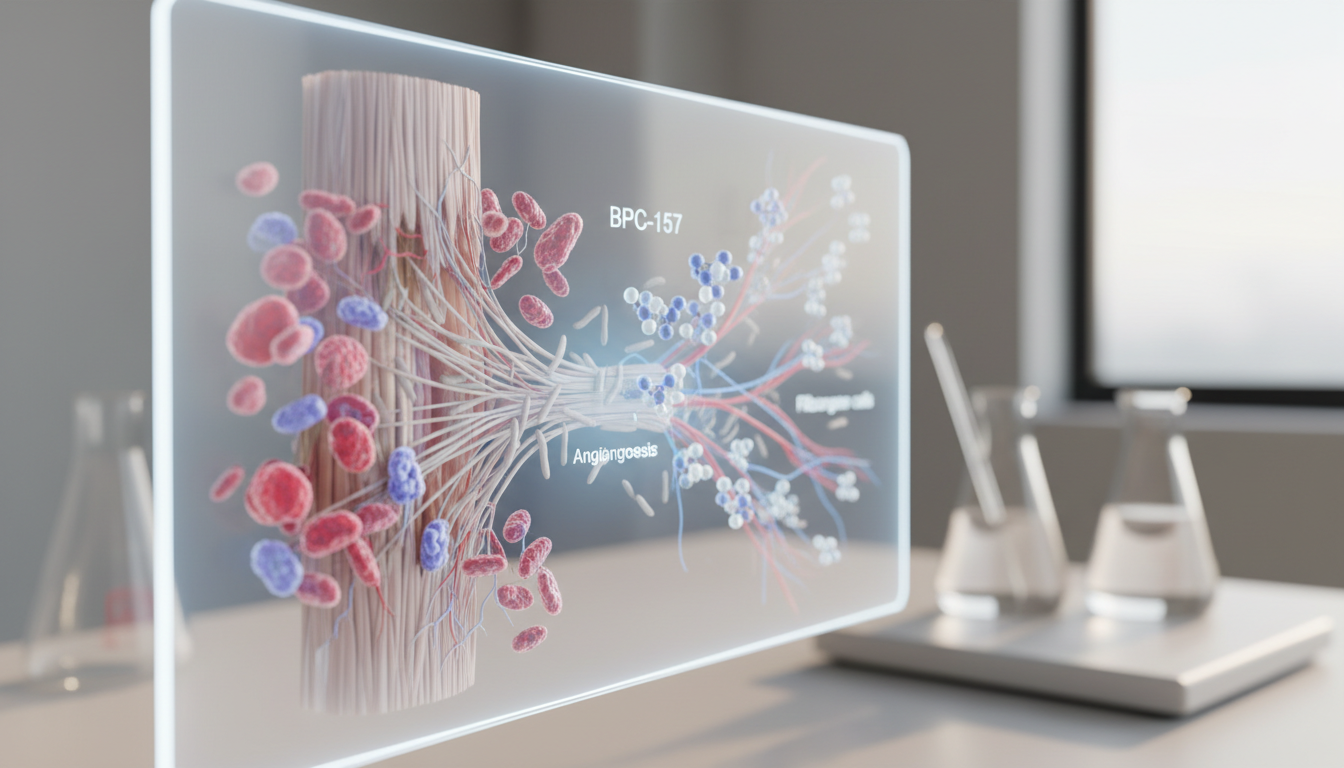
One of its key functions is promoting angiogenesis, which is the formation of new blood vessels from existing ones. Healing from an injury requires a healthy supply of blood to deliver oxygen, nutrients, and growth factors to the damaged area. BPC-157 appears to upregulate key growth factors involved in this process, most notably Vascular Endothelial Growth Factor (VEGF) (CalcMyPeptide, 2026). By increasing VEGF expression, BPC-157 may help create the network of capillaries needed to sustain tissue regeneration in tendons, ligaments, muscles, and even bone.
Beyond blood vessel formation, BPC-157 also interacts with the nitric oxide (NO) system. Nitric oxide is a critical signaling molecule that helps relax blood vessels, improve blood flow, and modulate inflammation. Research in rats with spinal cord injuries showed that BPC-157's therapeutic effects were linked to its interaction with the NO pathway, helping to reduce swelling and improve functional recovery (PMC, 2022).
Furthermore, the peptide appears to stimulate the expression of other growth factors and encourage the migration of fibroblasts, which are the cells responsible for producing collagen and building the structural framework of tissues. This multi-pathway activity is why BPC-157 is often described as having systemic healing effects, influencing repair processes throughout the body, not just at a local injection site.
Feeling overwhelmed by the science and not sure where to start? Finding the right path for your health goals can be complex. Take our free quiz to get matched with a provider who can help guide you.
Potential BPC-157 Benefits: What Does the 2026 Research Show?
The interest surrounding the BPC 159 peptide is fueled by a large volume of preclinical studies suggesting a wide array of benefits. However, it is essential to distinguish between these promising animal studies and proven human effects. As of early 2026, no large-scale, randomized human efficacy trials have been published (PeptideMark, 2026). The benefits listed below are based on extensive animal research and require further validation in human clinical settings.
Musculoskeletal and Tissue Repair
This is the most heavily researched area for BPC-157. A 2025 narrative review published in Current Reviews in Musculoskeletal Medicine noted that the peptide shows "robust regenerative" effects in numerous animal studies for musculoskeletal healing. These studies demonstrate that BPC-157 can:
- Accelerate Tendon and Ligament Healing: It has been shown to improve healing in models of transected Achilles tendons and damaged knee ligaments in rats. It appears to do this by promoting better collagen organization and increasing the migration of tendon fibroblasts.
- Enhance Muscle Recovery: Studies on rats with crushed or contused muscles indicate that BPC-157 administration can speed up the healing process, reducing inflammation and improving muscle function. This is a key reason why it has become popular among athletes looking to recover faster. If you're comparing recovery peptides, you might also be interested in our article on BPC-157 vs. TB-500.
- Support Bone Healing: Some animal models have shown that BPC-157 can improve the healing of bone defects, suggesting potential applications in fracture recovery.
Gastrointestinal Health
Given that BPC-157 is derived from a stomach protein, it's no surprise that it has been extensively studied for gut health. Its original name, "Body Protection Compound," stems from its ability to protect the gastrointestinal lining. Preclinical research suggests it may:
- Heal Stomach Ulcers: Animal studies show BPC-157 can protect against ulcers induced by NSAIDs and other gut-damaging substances.
- Reduce Intestinal Inflammation: In models of inflammatory bowel disease (IBD), BPC-157 has demonstrated an ability to reduce inflammation and repair damage to the intestinal wall.
- Counteract Leaky Gut: By strengthening the tight junctions between intestinal cells, BPC-157 may help mitigate intestinal permeability, a condition often referred to as "leaky gut."
Neuroprotective and Pain-Modulating Effects
Emerging research points toward BPC-157's potential role in the nervous system. A groundbreaking study on rats with severe spinal cord injuries found that BPC-157 administration led to "rapid and sustained" functional recovery, reduced spinal cord swelling, and limited nerve demyelination (PMC, 2022).
Its role in pain is more complex. One study on incisional pain in rats found that BPC-157 provided a short-term anti-nociceptive (pain-blocking) effect against inflammatory pain, but the effect diminished quickly and did not help with pain related to central sensitization (JDAPM, 2022). This suggests it may be more effective for acute injury pain rather than chronic pain states.
BPC-157 Risks and Potential Side Effects
While the potential benefits are compelling, the primary risk associated with BPC-157 is the profound lack of long-term human safety data. The vast majority of information comes from animal studies or anecdotal reports from the user community. As a 2025 review in Current Reviews in Musculoskeletal Medicine emphasizes, the peptide should be considered investigational until rigorous human trials are completed.
Here are the key risks and considerations:
- Unknown Long-Term Effects: No one knows what happens when humans use BPC-157 for months or years. All current dosing protocols are based on community experience and short-term animal studies, not on validated clinical data.
- Contraindication for Cancer: Because BPC-157 promotes angiogenesis (the growth of new blood vessels), it is strictly contraindicated for anyone with active cancer. Theoretically, promoting new blood vessel growth could also supply blood to a tumor, potentially accelerating its growth and spread (CalcMyPeptide, 2026). This is a serious consideration that should be discussed with a doctor.
- Source and Purity Issues: Since BPC-157 is not regulated as a pharmaceutical drug, it is often sold online for "research purposes only." The quality, purity, and sterility of these products can vary wildly. Using an impure or contaminated product could lead to infection or an adverse immune reaction. Researchers stress the importance of using high-purity (over 98%) BPC-157 for credible results (Bralad, 2026).
- Reported Side Effects: In the very limited human data available, including a pilot study with only two participants and case reports, BPC-157 was tolerated without serious adverse events (PeptideMark, 2026). Anecdotal reports from users are generally mild and often related to administration, such as:
- Pain, redness, or irritation at the injection site
- Dizziness or fatigue
- Changes in blood pressure (either high or low)
- Nausea or changes in appetite
Given these unknowns, it is critical to only use BPC-157 under the guidance of a qualified healthcare provider who can source it from a reputable compounding pharmacy. For a broader look at the pros and cons of this type of therapy, see our guide on peptide injection pros and cons.
How to Get Started with BPC-157: Administration, Dosing, and Cost
As of early 2026, the regulatory landscape for BPC-157 has shifted, making it more accessible under medical supervision. If you and your doctor decide that BPC-157 is a viable option to explore for tissue repair or gut health, here is what you need to know about getting started.
First and foremost, BPC-157 is not an over-the-counter supplement. To obtain it legally and safely, you must work with a licensed healthcare provider, often one specializing in peptide therapy. These providers can assess your health situation and, if appropriate, write a prescription.
Following regulatory changes in February 2026, the FDA reclassified BPC-157, once again allowing licensed compounding pharmacies to produce it for patients with valid prescriptions (PeptideMark, 2026). This is the safest way to obtain the peptide, as these pharmacies are held to strict quality and sterility standards.
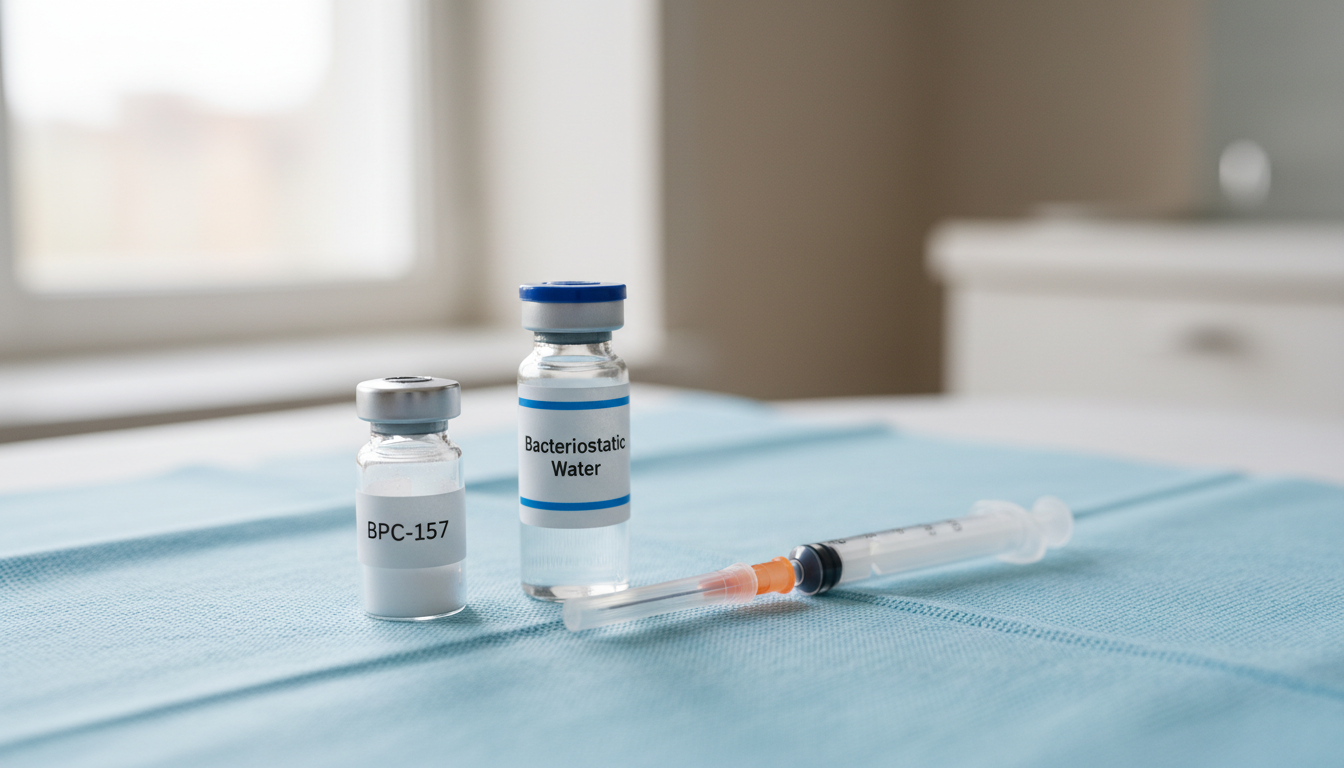
Administration and Dosing: BPC-157 is typically sold as a lyophilized (freeze-dried) powder in a vial and must be reconstituted with bacteriostatic water before use. Your provider or pharmacy will give you specific instructions. We also have a free reconstitution calculator to help with the math.
- Administration: The most common method is subcutaneous injection, using a small insulin syringe to inject the solution into the fatty tissue Layer of the abdomen or near the site of injury. Oral capsules are also available, which may be preferred for gastrointestinal issues.
- Dosing: Community-derived protocols, not clinically validated ones, typically range from 250-500 micrograms (mcg) per dose, taken once or twice daily (Treatment Comparison, 2026). A typical cycle lasts 4 to 6 weeks. Never self-prescribe; your dosing schedule should be determined by your provider.
Cost: The cost of compounded BPC-157 therapy depends on the dose, frequency, and pharmacy. As of 2026, the estimated monthly cost for a typical protocol ranges from $100 to $250 (Treatment Comparison, 2026). This cost is generally not covered by insurance, as BPC-157 is not an FDA-approved drug. To get a better sense of peptide costs, consult our peptide price guide.
Ready to connect with a specialist who understands peptide therapy? Take our free 3-minute quiz to get matched with a licensed provider who can assess your needs and discuss your options.
Is the BPC 159 Peptide Legal and FDA-Approved in 2026?
The legal and regulatory status of the BPC 159 peptide (BPC-157) is a common point of confusion. As of April 2026, BPC-157 is not FDA-approved for any medical use in humans. It remains classified as an investigational or research compound. This means it has not gone through the rigorous, multi-phase clinical trials required to prove safety and efficacy for a specific condition.
However, its status with compounding pharmacies has recently changed. In early 2026, the FDA shifted BPC-157 from a list of substances that could not be compounded (Category 2) back to Category 1. This crucial change, reported in February 2026, means that U.S.-licensed compounding pharmacies are once again legally permitted to produce BPC-157 for individual patients who have a prescription from a licensed medical provider (PeptideMark, 2026).
This does not mean the peptide is "approved." It simply allows for its use in a practice known as medical compounding, where a pharmacist creates a specific formulation for a specific patient. Looking ahead, reports from major news outlets in late March 2026 suggested the FDA may be planning to relax certain restrictions on BPC-157 and other peptides even further, potentially creating a clearer pathway for their use under strict guidelines (Orion Peptides, 2026).
For the average person, this means that while you cannot buy BPC-157 as a drug off the shelf, you can legally obtain it through a doctor who works with a compounding pharmacy. Any website selling BPC-157 directly to consumers without a prescription is likely marketing it as a "research chemical not for human consumption," which operates in a legal gray area and carries significant risks regarding product quality and safety. To ensure you are obtaining it legally and safely, you must go through a legitimate peptide clinic or provider.
Frequently Asked Questions
What's the difference between BPC-157 and something like Mixsoon Peptide Cica Hyal Shot?
This is a great question that highlights a key distinction in the world of peptides. BPC-157 is a synthetic, injectable or oral peptide studied for systemic, internal healing effects on tissues like tendons, muscles, and the gut. It works from the inside out. In contrast, a product like "Mixsoon Peptide Cica Hyal Shot" is a topical cosmetic. The peptides in skincare products are designed to work on the skin's surface to provide benefits like hydration, minor collagen support, or soothing effects. They are not intended for injection and do not have the systemic regenerative properties that BPC-157 is researched for.
Do peptide bioregulators work?
The question "do peptide bioregulators work" is broad, as there are many different types. BPC-157 is technically a synthetic peptide fragment, not a classic Khavinson-style bioregulator, but it functions similarly by signaling specific biological pathways. The evidence for any peptide depends on the specific molecule. Some, like the GLP-1 agonists Semaglutide and Tirzepatide, have undergone extensive human trials and are FDA-approved drugs with proven efficacy for diabetes and weight loss. Others, like BPC-157, have very strong preclinical (animal) data but lack robust human evidence. So, yes, many peptide-based therapies work, but their effectiveness must be evaluated on a case-by-case basis with a close eye on the level of scientific evidence.
Can you take BPC-157 and TB-500 together?
Stacking BPC-157 with another regenerative peptide, Thymosin Beta-4 (or its active fragment, TB-500), is a common practice in the biohacking community. The theory is that they work synergistically, with BPC-157 focusing on angiogenesis and local repair, while TB-500 promotes more widespread tissue regeneration, cell migration, and anti-inflammatory effects. While there are no formal clinical trials on this combination, many users and some clinicians report enhanced recovery. This approach should only be considered under the guidance of an experienced healthcare provider. You can read more in our BPC-157 vs. TB-500 comparison.
How long does it take for BPC-157 to work?
The time it takes to see effects from BPC-157 can vary greatly depending on the individual, the type and severity of the injury, and the dosage. For acute injuries, some anecdotal reports suggest users feel improvements in pain and mobility within the first one to two weeks. For more chronic conditions or gut health issues, it may take a full 4 to 6-week cycle, or even longer, to notice significant changes.
Is BPC-157 a steroid?
No, BPC-157 is not a steroid. It is a peptide, which is a short chain of amino acids. Steroids, like testosterone, are a class of hormones with a specific four-ring carbon structure. Peptides and steroids have entirely different chemical structures and mechanisms of action. BPC-157 works by signaling repair pathways, whereas anabolic steroids work primarily by binding to androgen receptors to increase protein synthesis and muscle mass.
What is the best way to take BPC-157?
The best administration method depends on the therapeutic goal. For musculoskeletal injuries like tendonitis or muscle tears, subcutaneous injection near the site of injury is often considered the most effective way to deliver a concentrated dose to the target area. For systemic benefits or gastrointestinal issues, both subcutaneous injections (often in the abdomen) and oral capsules are used. Oral BPC-157 is designed to be stable in stomach acid and is often preferred for gut-related healing. Discuss the best method for your specific situation with your provider.
Ready to explore if peptide therapy is right for your recovery and health goals? Take our free 3-minute quiz to get matched with a licensed provider who can provide an expert consultation.
Contributing to evidence-based peptide education and provider transparency.
Too many clinics, not enough clarity?
We don't sell peptides. Tell us your goals and we'll connect you with a vetted provider who can figure out what actually makes sense for you.
See what's right for youRelated articles
What Are the GHK-Cu Peptide Benefits and Side Effects?
Everyone is talking about GHK-Cu. This safety guide offers a balanced look at the ghk cu peptide benefits and side effects, cutting through the hype.
Tissue RepairThe Truth About Oral BPC 157 Side Effects
Considering oral BPC-157? We break down the potential oral BPC 157 side effects, looking at what animal studies and real user anecdotes actually report.
Tissue RepairWhen Is BPC-157 Effective Orally & When It's Not
Wondering is BPC-157 effective orally? While it's uniquely stable in stomach acid, its effect depends on your issue. Learn when oral BPC works and when another form might be better.