Does Mounjaro Have Side Effects? Common & Serious Ones
Wondering if Mounjaro has side effects? We break down the most common issues (like nausea) and the rare but serious risks you need to know about.

This content is for informational purposes only and does not constitute medical advice. Always consult with a qualified healthcare provider for any health concerns or before making any decisions related to your health or treatment.
Mounjaro (tirzepatide) has become a leading name in managing type 2 diabetes and, increasingly, for weight loss. Its effectiveness is well-documented, with some users seeing over 20% body weight reduction in clinical trials. But with such powerful results, a critical question arises, does Mounjaro have side effects? The simple answer is yes. Like any effective medication, Mounjaro comes with a range of potential side effects, from common, manageable issues to rare but serious risks. Understanding these potential effects is key to using the medication safely and effectively. This guide breaks down the latest 2026 data on what you can expect.
## What Does Mounjaro Do?
Before we explore the side effects, it helps to know how Mounjaro works. Mounjaro is a unique dual-action medication that targets two different receptors, GIP (glucose-dependent insulinotropic polypeptide) and GLP-1 (glucagon-like peptide-1). This action helps control blood sugar, reduces appetite, and slows down how quickly food leaves your stomach. This slowing of digestion is a primary reason for many of Mounjaro's most common side effects. You can learn more about how this class of drugs works in our guide to GLP-1 medications.
## Just How Common Are Mounjaro Side Effects?
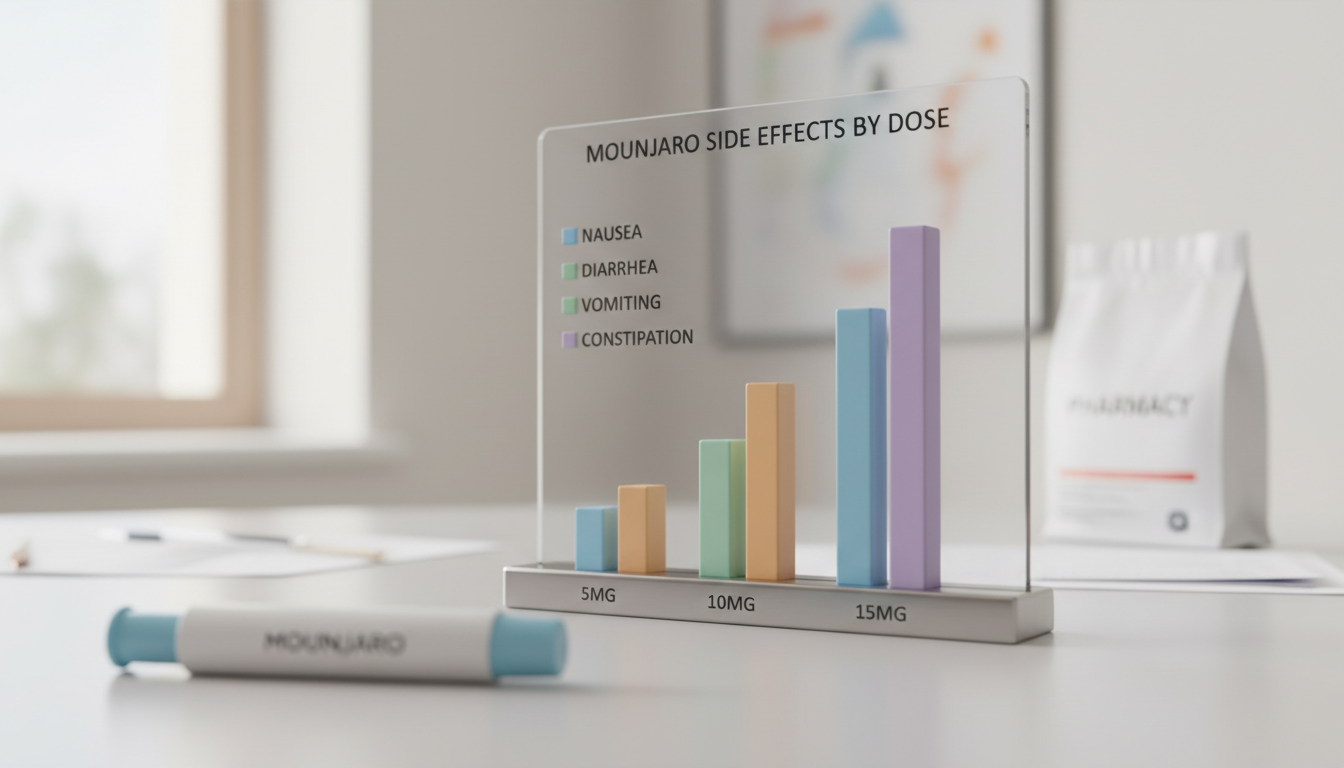
The most frequently reported side effects of Mounjaro are related to the gastrointestinal (GI) system. Clinical trials consistently show that issues like nausea, diarrhea, and vomiting are the most common complaints, especially when starting the medication or increasing the dose.
According to data submitted to the FDA, these effects are dose-dependent, meaning they can become more noticeable at higher strengths (Lilly). For example, in trials for type 2 diabetes, nausea was reported by up to 18% of patients, while diarrhea affected between 12% and 17% of users. For weight loss patients using the same drug under the brand name Zepbound, these rates can be even higher, with nausea affecting up to 29% of people (WPG). The good news is that for most people, these side effects are temporary and tend to decrease over time as the body adjusts.
Here is a breakdown of common side effects and their frequency from clinical trials.
| Side Effect | Frequency (5 mg dose) | Frequency (10 mg dose) | Frequency (15 mg dose) |
|---|---|---|---|
| Nausea | 12% | 15% | 18% |
| Diarrhea | 12% | 14% | 17% |
| Decreased Appetite | 5% | 10% | 11% |
| Vomiting | 5% | 5% | 9% |
| Constipation | 6% | 6% | 7% |
| Indigestion (Dyspepsia) | 8% | 8% | 8% |
| Stomach (Abdominal) Pain | 6% | 5% | 5% |
Source: Data compiled from Mounjaro's official prescribing information and reports from Eli Lilly.
While most of these issues are mild to moderate, they were significant enough to cause between 3% and 6.6% of trial participants to stop taking the medication (Lilly). This highlights the importance of a slow dose-titration schedule. Starting with the lowest dose, side effects of Mounjaro 2.5 mg are typically the mildest, allowing your body to adapt before moving to higher maintenance doses like 5 mg or 12.5 mg. You can read more about what to expect on the starter dose in our guide to side effects of Mounjaro 5mg.
If you are just starting your treatment, understanding what to expect from the first injection is helpful. Check out our post on Mounjaro day 1 side effects.
Feeling overwhelmed by the options and potential side effects? You're not alone. Our free quiz can help you find clarity. In just three minutes, you can get matched with a licensed provider who can create a plan that fits your specific needs. Take the RxFox quiz to find a provider.
## Does Mounjaro Have Side Effects That Are Serious?
While most side effects are manageable, Mounjaro carries warnings for several severe, though rare, conditions. It is crucial to be aware of these so you can seek medical attention if symptoms arise.
Thyroid C-Cell Tumors (Boxed Warning) The most prominent warning on Mounjaro's label is a "Boxed Warning" from the FDA. This is the strictest warning the agency issues. In studies with rats, tirzepatide caused an increase in thyroid C-cell tumors, including medullary thyroid carcinoma (MTC). It is currently unknown if Mounjaro causes these tumors in humans (FDA). Because of this risk, you should not use Mounjaro if you or any family members have ever had MTC or an endocrine system condition called Multiple Endocrine Neoplasia syndrome type 2 (MEN 2).
Pancreatitis Acute pancreatitis, or inflammation of the pancreas, has been reported in patients taking Mounjaro. This condition is serious and can be life-threatening. In clinical trials, it occurred in a small number of participants, less than 1% (Weight Method). You should stop using Mounjaro and call your healthcare provider immediately if you have severe pain in your stomach area that will not go away, with or without vomiting.
Gallbladder Problems Mounjaro may cause gallbladder problems, including gallstones or gallbladder inflammation. Rapid weight loss itself is a known risk factor for developing gallstones. In clinical trials, acute gallbladder disease occurred in 0.6% of patients taking Mounjaro (Drugs.com). Symptoms can include pain in your upper stomach, fever, yellowing of the skin or eyes (jaundice), and clay-colored stools.
Kidney Problems (Acute Kidney Injury) Severe gastrointestinal issues like diarrhea and vomiting can lead to dehydration. If dehydration becomes severe, it can cause acute kidney injury. It is critical to stay well-hydrated, especially if you experience significant GI side effects.
Severe Stomach Problems (Gastroparesis) Because Mounjaro slows stomach emptying, there have been reports of severe stomach problems, sometimes called gastroparesis or "stomach paralysis" (Drugwatch). While this helps with appetite control, in rare cases it can become extreme. The label was updated in late 2024 to include warnings about severe gastrointestinal adverse reactions (FDA).
Mounjaro Side Effects Eyes and Vision Changes Recent research has raised questions about potential Mounjaro side effects eyes. A study suggested that people with type 2 diabetes using GLP-1 drugs like Mounjaro might have a slightly increased risk of developing vision problems or worsening existing diabetic retinopathy, a complication of diabetes that affects the eyes (VT.co). However, the overall risk appears to be very low, estimated at around 0.2 percent among users. If you have a history of diabetic retinopathy or notice any changes in your vision while on Mounjaro, you should speak with your doctor and ophthalmologist.
## Who Should Not Take Mounjaro?
Mounjaro is not safe or appropriate for everyone. Due to the potential risks, certain individuals should avoid this medication. Your provider will review your medical history to ensure it's a good fit for you, but you should not take Mounjaro if you:
- Have a personal or family history of medullary thyroid carcinoma (MTC).
- Have an endocrine condition called Multiple Endocrine Neoplasia syndrome type 2 (MEN 2).
- Have had a serious allergic reaction to tirzepatide or any of its ingredients.
- Are pregnant, planning to become pregnant, or are breastfeeding. The effects on an unborn baby or a nursing infant are not known.
You should also exercise caution and discuss the risks and benefits thoroughly with your doctor if you have a history of:
- Pancreatitis
- Severe gastrointestinal disease, such as gastroparesis
- Kidney problems
- Diabetic retinopathy
## Drug and Alcohol Interactions to Know
Mounjaro can interact with other medications and substances, which can alter its effectiveness or increase the risk of side effects.
Hypoglycemia Risk with Other Diabetes Medications One of the most significant interactions is with other drugs used to treat type 2 diabetes, particularly insulin and sulfonylureas. Taking Mounjaro with these medications dramatically increases the risk of low blood sugar (hypoglycemia). In trials, when Mounjaro was taken with basal insulin, the rate of severe hypoglycemia ranged from 14-19% (Drugs.com). Your doctor will likely need to lower the dose of your insulin or sulfonylurea when you start Mounjaro to reduce this risk.
Oral Medications (Including Birth Control) Because Mounjaro slows down the emptying of your stomach, it can affect how quickly your body absorbs oral medications. This is particularly important for medicines that require rapid absorption, like oral contraceptive pills. The manufacturer recommends that patients using oral birth control switch to a non-oral contraceptive method or add a barrier method (like condoms) for 4 weeks after starting Mounjaro and for 4 weeks after each dose increase.
Mounjaro Drink Side Effects: Alcohol There are no formal contraindications for drinking alcohol while on Mounjaro, but it's wise to be cautious. Alcohol can worsen GI side effects like nausea and indigestion. It can also affect your blood sugar levels, potentially increasing the risk of hypoglycemia, especially if you have diabetes. Combining the two may lead to increased discomfort. For more on this topic, you can read our similar post on the effects of alcohol on Semaglutide, another popular GLP-1 medication.
Navigating potential drug interactions can be complex. You can use free online tools, like RxFox's drug interaction checker, to get a preliminary sense of any conflicts, but always confirm with your healthcare provider or pharmacist.
## How to Manage Mounjaro Side Effects
The good news is that many of Mounjaro's most common side effects can be managed with simple lifestyle and dietary adjustments. Remember, most of these issues are most pronounced during the first few weeks of starting or increasing a dose.
For Nausea and Vomiting:
- Eat small, bland meals throughout the day.
- Avoid greasy, fatty, or very spicy foods.
- Drink clear, cold liquids slowly.
- Get fresh air if you feel a wave of nausea.
For Diarrhea:
- Stay hydrated. Drink plenty of water and consider electrolyte drinks if diarrhea is severe.
- Eat bland, low-fiber foods like bananas, rice, applesauce, and toast (the BRAT diet).
- Avoid dairy, fatty foods, and artificial sweeteners.
For Constipation:
- Increase your fiber intake slowly through foods like fruits, vegetables, and whole grains.
- Drink plenty of water to help the fiber work effectively.
- Incorporate light physical activity, like walking, into your daily routine.
For Hair Loss: Many users worry about hair thinning. The key question is, mounjaro hair loss when does it stop? Research suggests this side effect, affecting about 5% of users, is typically a temporary condition called telogen effluvium (Telehealth Ally). It's caused by the stress of rapid weight loss on the body, not by the drug itself. As your weight stabilizes and your body adjusts, your normal hair growth cycle should resume within a few months. Ensuring adequate protein and nutrient intake can help support healthy hair during your weight loss.
For a detailed timeline of what to expect, read our guide on how long Mounjaro side effects last.
Thinking about how to fit treatment into your lifestyle and budget? It's a common concern. To see what options might work for you based on your health profile and financial situation, our quiz is a great place to start. Find a vetted provider with our free 3-minute quiz.

## When to See a Doctor
While most side effects are manageable at home, some symptoms warrant immediate medical attention. Contact your healthcare provider right away if you experience any of the following:
- Severe stomach pain that doesn't go away, which may or may not be accompanied by vomiting. This could be a sign of pancreatitis.
- Signs of an allergic reaction, such as swelling of your face, lips, tongue, or throat; problems breathing or swallowing; severe rash or itching; fainting or feeling dizzy; or a very rapid heartbeat.
- Pain in your upper right stomach, fever, or yellowing of the skin or eyes (jaundice), which could signal gallbladder problems.
- Changes in your vision.
- Symptoms of very low blood sugar (dizziness, blurred vision, anxiety, confusion, slurred speech, hunger, shakiness).
- A lump or swelling in your neck, hoarseness, trouble swallowing, or shortness of breath.
## Ready to Take the Next Step?
Understanding does Mounjaro have side effects is a critical part of making an informed decision about your health. While the list can seem long, the majority of users experience mild, temporary issues that resolve with time. The key is working closely with a knowledgeable provider who can guide you through the process, from proper dosing to managing side effects.
If you're ready to explore whether tirzepatide or another GLP-1 medication is right for you, the next step is to connect with a qualified clinician.
Take our free 3-minute quiz to get matched with a licensed provider who can assess your health, answer your questions, and create a plan tailored to your goals.

## FAQs
What are the most common side effects of Mounjaro? The most common side effects are gastrointestinal. They include nausea, diarrhea, decreased appetite, vomiting, constipation, and stomach pain. These are usually mild to moderate and often decrease as your body adjusts to the medication.
Do Mounjaro side effects go away? For most people, yes. The common gastrointestinal side effects are most intense when starting the medication or after a dose increase. They typically subside within a few days to a few weeks. If side effects persist or are severe, you should contact your healthcare provider.
Can Mounjaro cause hair loss? Yes, Mounjaro can be associated with hair loss in about 5% of users. This is generally not caused by the drug itself but by a condition called telogen effluvium, which is triggered by the stress of rapid weight loss. The hair loss is almost always temporary and should resolve as your weight stabilizes.
What are the side effects of Mounjaro 2.5 mg? The 2.5 mg dose is the initial starting dose, designed to let your body acclimate to the medication. Side effects are still possible at this dose, including nausea and other GI issues, but they are generally less frequent and milder compared to higher maintenance doses.
Is Mounjaro safe for long-term use? Mounjaro is approved for long-term use in managing type 2 diabetes. Its safety for long-term weight management is still being studied, but current data from clinical trials lasting over a year supports a favorable safety profile for most users. As with any long-term medication, ongoing monitoring by a healthcare provider is essential.
Contributing to evidence-based peptide education and provider transparency.
Too many clinics, not enough clarity?
We don't sell peptides. Tell us your goals and we'll connect you with a vetted provider who can figure out what actually makes sense for you.
See what's right for youRelated articles
A Step-by-Step Gelatin Recipe for Weight Loss
Seen the viral "pink trick"? We break down the simple gelatin recipe for weight loss. Learn our step-by-step method to help manage hunger and feel full.
GLP-1 Weight LossOzempic Cost in 2026: What You'll Actually Pay
The 2026 Ozempic cost can be anywhere from $25 to over $1,400 a month. Discover why and learn how to find savings with or without insurance coverage.
GLP-1 Weight LossHow Zep Weight Loss Works and What to Expect
Thinking about zep weight loss? We cover how this drug works, what realistic results look like, common side effects, and how it compares to Ozempic.