Are the Downsides of TRT Worth the Benefits?
Considering TRT? This article goes beyond the basics to cover the long-term downsides of TRT, including cardiovascular risks, fertility, and dependency.

This content is for informational purposes only and does not constitute medical advice. Always consult with a qualified healthcare provider before making any decisions about your health or treatment.
Testosterone Replacement Therapy (TRT) can offer significant benefits for men with clinically diagnosed hypogonadism. Many men report improved energy, mood, libido, and muscle mass. But it's not a magic bullet. Understanding the potential downsides of TRT is just as important as knowing the benefits. While recent large-scale studies have eased some old fears about heart attacks, they have also highlighted other risks that require careful consideration and medical supervision.
This guide breaks down the real downsides of TRT, from common annoyances to serious health risks, based on the latest 2026 clinical evidence. We will cover the TRT therapy side effects men can expect, the potential for TRT long term effects, and how to manage them safely with your doctor.
The Real Downsides of TRT: Common Side Effects to Expect
When you start TRT, your body needs time to adjust. Many of the most common side effects are manageable and often depend on your dose and the type of testosterone you use (e.g., trt shot side effects can differ from gel side effects). Proper monitoring with your doctor is key to minimizing these issues.
Here are some of the most frequently reported side effects:
| Side Effect | Estimated Frequency | What It Is |
|---|---|---|
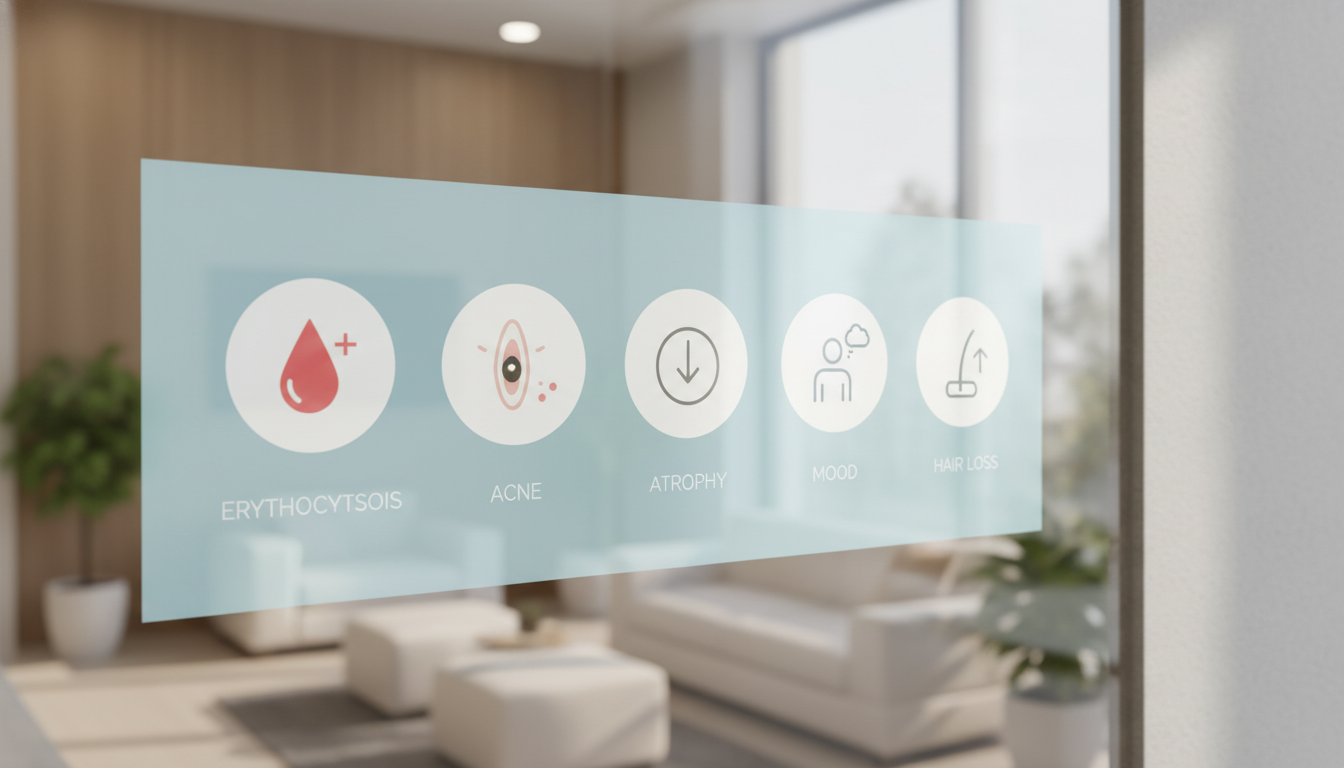
| Erythrocytosis | 5% - 25% | An increase in red blood cell count (hematocrit), which can thicken the blood. |
| Gynecomastia | 10% - 25% (of symptomatic cases) | Development of male breast tissue due to the conversion of testosterone to estradiol (estrogen). |
| Testicular Atrophy | Very Common | Shrinkage of the testicles because the body slows its own testosterone production. |
| Reduced Fertility | Very Common | A significant drop in sperm production, making conception difficult. |
| Acne / Oily Skin | Common | Often occurs at the start of therapy as the body adjusts to new hormone levels. |
| Fluid Retention | Common | Can cause a bloated feeling or swelling, particularly in the ankles. |
| Hair Loss | Varies (genetic) | Can accelerate male pattern baldness in men who are already genetically predisposed. |
Sources: PeakedLabs (2026)
Let's look at these in more detail:
-
Erythrocytosis (High Red Blood Cells): This is one of the most common and clinically significant downsides of TRT. Your body responds to testosterone by making more red blood cells. While this can sometimes improve oxygen delivery, too many red blood cells thicken your blood. This forces your heart to work harder and increases the risk of blood clots. The frequency varies widely, with testosterone injections often associated with a higher risk than gels (PeakedLabs, 2026). Regular blood work to check your hematocrit level is essential for safe treatment.
-
Gynecomastia (High Estradiol): Testosterone can convert into the female sex hormone estradiol through a process called aromatization. If estradiol levels get too high, you can develop tenderness, puffiness, or actual glandular tissue behind the nipples. This is often managed by adjusting your TRT dose or, in some cases, with medication.
-
Testicular Atrophy and Infertility: When you supply your body with external testosterone, it thinks it has plenty and shuts down its own production line in the testicles. This causes the testicles to shrink and dramatically reduces sperm count. For many men on TRT, fertility ceases entirely. This is a critical factor to discuss with your doctor if you plan on having children in the future.
If you're weighing the pros and cons, it can be helpful to speak with a professional. Not sure who to talk to? Our free quiz can match you with a vetted provider specializing in hormone optimization.
Serious TRT Therapy Side Effects Men Need to Watch For
Beyond the more common issues, there are serious risks to be aware of. The groundbreaking TRAVERSE trial, a large-scale study involving over 5,000 men, provided much-needed clarity on the TRT long term effects related to heart health.
For years, a major concern was that TRT increased the risk of heart attack and stroke. The TRAVERSE trial found this was not the case for men with diagnosed hypogonadism. It showed that TRT was "non-inferior" to a placebo, meaning it did not cause a statistically significant increase in major adverse cardiac events (7.0% in the TRT group vs. 7.3% in the placebo group) (NEJM, 2023). Following these results, the FDA even removed its old boxed warning about this risk in 2025 (Pharmacy Times, 2026).
However, the good news came with some important new warnings. The same trial and other postmarket studies revealed other cardiovascular and blood-related risks.
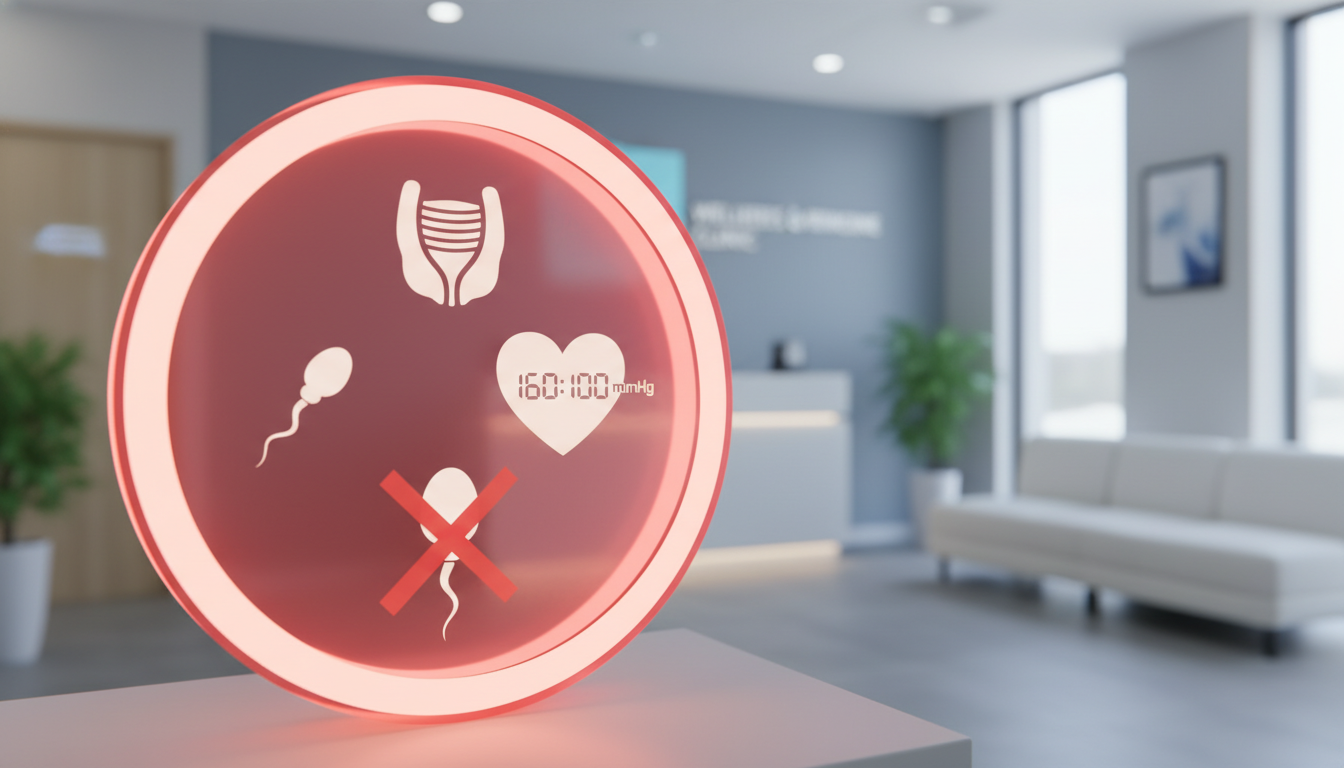
1. Increased Blood Pressure: The FDA has issued new, class-wide labeling changes for all testosterone products, warning that they can increase blood pressure (Urology Times, 2026). This finding came from ambulatory blood pressure monitoring (ABPM) studies that manufacturers were required to conduct. One product label, for example, noted an average increase of 4.3/1.4 mmHg after four months (FDA, 2025). While this might not seem like a lot, for someone with borderline or existing high blood pressure, it can be significant.
2. Blood Clots (Venous Thromboembolism): The TRAVERSE trial found a higher incidence of blood clots in the veins, known as venous thromboembolic events (VTE), in the TRT group. Specifically, the risk of pulmonary embolism (a clot in the lungs) was nearly double in the testosterone group compared to the placebo group (0.9% vs. 0.5%) (ShotFreeTRT, 2026). This risk is directly linked to erythrocytosis. When your hematocrit gets too high (above 52-54%), the risk of clotting events rises.
3. Atrial Fibrillation (A-fib): Participants in the TRT group of the TRAVERSE trial also had a significantly higher rate of atrial fibrillation, an irregular and often rapid heart rhythm (3.5% in the TRT group vs. 2.4% in the placebo group) (TRTed.org, 2026). A-fib can lead to blood clots, stroke, and heart failure if not managed.
4. Acute Kidney Injury (AKI): An unexpected finding from the TRAVERSE trial was a higher incidence of acute kidney injury in men receiving testosterone (2.3% vs. 1.5%) (Cleveland Clinic, 2023). The exact reason for this is still being studied, but it highlights the need for comprehensive health monitoring while on therapy.
5. Prostate Health: The fear that TRT causes prostate cancer has largely been debunked by modern research. A 2024 analysis of the TRAVERSE data found no significant difference in the rates of high-grade prostate cancer between the TRT and placebo groups (JAMA Network Open, 2024). However, TRT does often cause an increase in Prostate-Specific Antigen (PSA) levels, which can lead to more frequent testing and sometimes biopsies to rule out cancer.
Who Should Avoid TRT? Understanding Contraindications
TRT is a powerful medical treatment, not a lifestyle supplement. It is not safe or appropriate for everyone. You and your doctor should have a detailed discussion about your health history before you even consider starting. Before you even test your testosterone levels, you should know if you fall into any of these categories.
You should generally avoid or be extremely cautious about TRT if you have:
- Active Prostate or Breast Cancer: Testosterone can stimulate the growth of these hormone-sensitive cancers.
- A Desire to Preserve Fertility: If you want to have children in the near future, TRT is not a good option, as it severely impairs sperm production.
- Uncontrolled High Blood Pressure: Given that TRT can raise blood pressure, starting therapy when your BP is already high is risky. You should work with your doctor to get it under control first.
- High Red Blood Cell Count (Erythrocytosis or Polycythemia): If your baseline hematocrit is already elevated (e.g., above 52%), TRT will likely push it into a dangerous range, significantly increasing your risk of blood clots.
- Severe, Untreated Obstructive Sleep Apnea: TRT can sometimes worsen sleep apnea. It's crucial to have this condition diagnosed and treated before starting testosterone.
- Severe Congestive Heart Failure: The potential for fluid retention with TRT can put extra strain on a failing heart.
It is also important to understand that the FDA has not approved TRT for treating "age-related hypogonadism" or "low T" without an associated medical condition. Its approved use is for men who have low testosterone due to specific medical issues, not just aging. You can learn more about the proper indications in our guide, What Is TRT and Who Is It Actually For?.
Potential Drug Interactions with Testosterone Therapy
Testosterone can interact with other medications you are taking. It's vital to give your doctor a complete list of all your prescription drugs, over-the-counter medicines, and supplements. Some key interactions include:
- Anticoagulants (Blood Thinners): Drugs like warfarin can become more potent when taken with testosterone, increasing the risk of bleeding. Your doctor will need to monitor you closely.
- Insulin and Diabetes Medications: Testosterone can impact your blood sugar levels and insulin sensitivity. If you have diabetes, your medication dosages may need to be adjusted.
- Corticosteroids: Taking steroids like prednisone with testosterone can increase the risk of fluid retention and edema.
- Blood Pressure Medications: Since TRT can raise blood pressure, you may need to start or adjust your dosage of blood pressure medication to keep your numbers in a healthy range.
You and your doctor should review all potential conflicts. You can also use a reference like our free drug interaction checker to start a conversation with your provider.
How to Manage the Downsides of TRT
The good news is that most TRT therapy side effects men experience are manageable with a proactive and well-monitored approach. The goal is not just to raise your testosterone number, but to optimize your hormones while keeping you safe.
-
Managing High Hematocrit (Erythrocytosis):
- Therapeutic Phlebotomy: This is a fancy term for donating blood. Regularly giving blood is a very effective way to lower your red blood cell count.
- Dose/Frequency Adjustment: Lowering your total weekly dose or splitting it into more frequent, smaller injections can help prevent the large spikes that stimulate red blood cell production.
- Switching Delivery Method: Some evidence suggests transdermal gels or creams may cause less of a rise in hematocrit compared to injections.
-
Managing High Estradiol (Gynecomastia):
- Dose and Frequency: Just like with hematocrit, high estradiol is often a result of a dose that is too high or administered too infrequently. More frequent injections (e.g., twice a week instead of once) can create more stable hormone levels and reduce the conversion to estrogen.
- Aromatase Inhibitors (AIs): Medications like anastrozole (Arimidex) can be used to block the conversion of testosterone to estrogen. However, they must be used carefully. The keyword arimidex side effects trt is important, as these drugs can cause their own issues if they crush your estrogen too low, leading to joint pain, low libido, and poor bone health. They are a tool, not a first-line solution, and require a doctor's prescription and monitoring.
-
Managing Testicular Atrophy and Infertility:
- hCG (Human Chorionic Gonadotropin): This is a medication that mimics a hormone that stimulates the testicles. When used alongside TRT, hCG can help maintain testicular size and, in many cases, preserve sperm production and fertility.
-
Managing High Blood Pressure:
- Regular Monitoring: Get a home blood pressure cuff and check your BP regularly.
- Lifestyle: A healthy diet low in sodium, regular cardiovascular exercise, and limiting alcohol can all help manage blood pressure.
- Medication: Work with your doctor. They may need to adjust your existing blood pressure medication or prescribe a new one.
-
Managing Acne and Skin Issues:
- This often improves over time as your body adjusts. Good skin hygiene, medicated cleansers, and in some cases, dose adjustments can help.
Finding the right balance to minimize side effects is the core of successful hormone optimization. Want expert guidance on building a protocol that works for you? Our free quiz can connect you with a provider who specializes in just that.
When to See a Doctor
While on TRT, you should have regular follow-up appointments and blood work. However, some symptoms warrant an immediate call to your doctor or a trip to the emergency room.
Contact your doctor immediately if you experience:
- Signs of a blood clot in your leg (DVT): Pain, swelling, warmth, or redness in one leg.
- Signs of a blood clot in your lung (Pulmonary Embolism): Sudden shortness of breath, sharp chest pain (especially when breathing deeply), or coughing up blood.
- Signs of A-fib: Heart palpitations, a "fluttering" feeling in your chest, dizziness, lightheadedness, or fainting.
- Signs of a prostate problem: Difficulty starting to urinate, a weak stream, or needing to urinate frequently, especially at night.
- Severe mood changes: Extreme irritability, aggression, depression, or suicidal thoughts.
Being on TRT requires you to be an active participant in your own health. Knowing what to watch for is a critical part of the process.
Ready to take the next step and speak with a qualified professional? Our 3-minute quiz will match you with a vetted clinic that can create a safe and effective plan for you.
FAQs
Does TRT shorten your life? There is currently no high-quality evidence to suggest that medically supervised TRT for diagnosed hypogonadism shortens your life. The large TRAVERSE trial found no increased risk of major life-threatening events like heart attack or stroke. However, risks like blood clots do exist and require careful medical management to ensure long-term safety.
What are the worst side effects of TRT? The most serious potential side effects identified in recent studies are blood clots (specifically pulmonary embolism), the onset of atrial fibrillation (an irregular heartbeat), and a clinically significant increase in blood pressure. These are considered serious because they can lead to severe health consequences if not addressed.
Can you reverse the downsides of TRT? Most of the common side effects are reversible. Issues like high red blood cells, high estrogen, acne, and fluid retention can be managed by adjusting the treatment protocol or will resolve after stopping TRT. Testicular function and fertility often return after stopping therapy, though it can sometimes take several months or longer.
Do TRT shot side effects differ from gels? Yes. Testosterone injections, particularly when administered infrequently (e.g., every two weeks), cause a "peak and trough" effect. This can lead to a higher incidence of side effects tied to high hormone levels, like erythrocytosis and mood swings. Gels provide more stable daily hormone levels, which can reduce these peaks but may carry a higher risk of skin irritation and transference to others. You can explore a full comparison in guides to testosterone injections and other forms like testosterone tablets.
Is TRT worth the risks? This is a personal decision that must be made with a healthcare provider. For a man with debilitating symptoms from clinically confirmed low testosterone, the improvements in quality of life can far outweigh the manageable risks. For someone with borderline levels or minor symptoms, the downsides of TRT might not be worth it. The key is a proper diagnosis, a thorough risk assessment, and a commitment to regular medical monitoring.
Contributing to evidence-based peptide education and provider transparency.
Too many clinics, not enough clarity?
We don't sell peptides. Tell us your goals and we'll connect you with a vetted provider who can figure out what actually makes sense for you.
See what's right for youRelated articles
Which Protein Supplements for Muscle Growth Actually Work?
Tired of the hype? Find out which protein supplements for muscle growth are backed by science and learn how to pick the right one for your goals.
Hormone TherapyWhat Are the Real Magnesium Glycinate Benefits?
Uncover the science-backed magnesium glycinate benefits. We explore its effects on sleep, stress, and muscle function and explain why it's a top choice.
Hormone TherapyWhat B12 Shot Benefits Can You Actually Expect?
B12 shots are often hyped for energy, but the real b12 shot benefits are more specific. Learn who is a true candidate and what results to expect.