Is Low Females Testosterone Causing My Symptoms?
Tired? Foggy? It might not be just stress or age. Learn the often-missed role of females testosterone in your energy, mood, and overall wellness.
This content is for informational purposes only and does not constitute medical advice.
When you hear the word "testosterone," you probably picture men, muscle, and a deep voice. But what if we told you it's also a critical hormone for women's health? The conversation around females and testosterone is growing, moving beyond myth to focus on science and wellness. For many women, especially as they age, understanding testosterone's role is key to addressing symptoms like low energy, brain fog, and a lagging libido. This guide will walk you through the current state of testosterone therapy for women in 2026, covering what it is, who it's for, and what you need to know.
The Role of Testosterone in Females
Testosterone is not an exclusively male hormone. Women produce it in their ovaries and adrenal glands, and it's essential for maintaining numerous bodily functions. It contributes to bone density, muscle mass, cognitive function, and red blood cell production. Perhaps its most well-known function in women is its impact on sex drive, or libido.
A woman's testosterone levels naturally peak in her early 20s and then begin a gradual decline. According to Cedars-Sinai, this decline starts around age 30 and continues through menopause. This drop can lead to a variety of symptoms that are often mistaken for normal signs of aging or stress. These can include:
- Persistent fatigue or low energy
- Difficulty building or maintaining muscle mass
- Brain fog or trouble with concentration
- Low mood or feelings of apathy
- A noticeable decrease in sexual desire and satisfaction
Determining if your levels are low requires proper testing. A simple blood test can measure your total and free testosterone levels. So, what's considered "normal"? While lab ranges can vary, a 2026 report from HealthHighRoad suggests that optimal free testosterone levels for symptom relief in women are often targeted between 1.0 and 2.5 pg/mL. Another guide from Telehealth Ally notes a target free testosterone level of approximately 1.5 to 2.4 ng/dL. It's important to work with a provider who can interpret these results in the context of your specific symptoms. You can learn more about your options for checking your levels with an at-home testosterone testing kit.
Because testosterone is so interconnected with other hormones like estrogen and progesterone, a full panel is often the best way to get a complete picture of your hormonal health.
Potential Benefits of Testosterone Therapy for Females
The primary, evidence-backed reason for prescribing testosterone to women is to treat a specific condition: hypoactive sexual desire disorder (HSDD). This is a clinical diagnosis for persistent and distressing low libido.
The 2019 Global Consensus Position Statement on the Use of Testosterone Therapy for Women officially supported its use for postmenopausal women with HSDD. The Menopause Society updated its own guidelines in 2023 to echo this support for both perimenopausal and postmenopausal women. The evidence shows that, for the right patient, testosterone can significantly improve sexual desire, arousal, and overall satisfaction.
While HSDD is the most studied application, many women and clinicians report anecdotal improvements in other areas, such as:
- Energy and Vitality: Women on testosterone therapy often report feeling more energetic and less fatigued.
- Mood and Well-being: Some find their mood stabilizes, with a greater sense of motivation and well-being.
- Cognitive Function: Reports of clearer thinking and reduced "brain fog" are common.
- Physical Composition: Testosterone can help preserve lean muscle mass and improve bone density, which are critical concerns as women age.
However, Cedars-Sinai notes that there is currently insufficient data to officially recommend testosterone for symptoms other than HSDD. The improvements in mood and energy may be secondary effects of a restored libido or a direct effect of the hormone itself. This is an active area of research.
If you're experiencing these symptoms and wondering if hormonal changes are to blame, it can be overwhelming to figure out the next step. Not sure which treatment might be right for you? Take our free 3-minute quiz to get matched with a provider who can offer personalized guidance.

Dosing and Administration: Testosterone Injections and Other Methods for a Woman
One of the biggest challenges with testosterone for females is that, as of 2026, there are no FDA-approved products specifically designed for women in the United States. This means all testosterone prescriptions for women are considered "off-label." This might sound alarming, but it's a common practice in medicine when strong evidence supports a use not yet formally approved by regulatory bodies.
Because there are no female-specific products, clinicians must adapt male-formulated products. This is done through compounding pharmacies or by "micro-dosing" commercially available options.
Common Forms of Testosterone Therapy for Women
- Compounded Creams and Gels: This is the most common method. A compounding pharmacy creates a topical cream or gel with a precise, low dose of testosterone. Women typically apply a small amount daily to an area of skin like the inner thigh or upper arm. Data from Telehealth Ally and HealthHighRoad shows typical daily transdermal doses range from 0.5 mg to 4 mg. The out-of-pocket cost for these compounded creams usually falls between $30 and $60 per month, as they are not covered by insurance.
- Testosterone Injections: While less common for women than for men, testosterone injections are an option. This involves injecting a very small amount of a preparation like testosterone cypionate. The testosterone cypionate for women dosage is significantly lower than for men—a practice known as micro-dosing. A male dose might be 100-200 mg per week, whereas a female dose might be just 1-5 mg per week. These injections are typically administered into muscle (intramuscular) or the fatty layer under the skin (subcutaneous). You can learn more about the best place to inject testosterone from your provider.
- Pellets: Small, rice-sized pellets can be inserted under the skin, where they slowly release testosterone over several months. This method avoids the need for daily applications but requires a minor in-office procedure for insertion.
The key to any form of testosterone therapy for women is the dosage. The goal is to restore levels to the high end of the normal premenopausal range, not to push them into male levels. According to Telehealth Ally, a female's physiological testosterone production is around 0.5–2 mg per day, compared to 40–100 mg per day for a man. Over-dosing is what leads to unwanted side effects. This makes consistent monitoring with a qualified provider absolutely essential.
Want to see which options might fit your unique situation and budget? Our free quiz takes 3 minutes and matches you with vetted providers who specialize in hormone optimization.
The 2026 Landscape: Safety, Research, and Future Outlook
The conversation around females and testosterone is evolving quickly, with new research in 2026 providing a clearer picture of both its potential and its limitations.
Safety and Side Effects
When administered at appropriate low doses and properly monitored, short-term studies suggest testosterone therapy is generally safe for women. Your provider will order regular blood tests to ensure your levels stay within the optimal female range. This monitoring helps prevent side effects, which can include:
- Acne or oily skin
- Unwanted hair growth (hirsutism), particularly on the face
- Hair loss on the scalp (androgenic alopecia)
- Deepening of the voice
- Enlargement of the clitoris
These side effects are rare when dosages are correct. For example, a recent clinical trial published in Nature Communications on testosterone use before IVF, women in the treatment group reported increased hair growth more frequently than the placebo group (14.7% versus 7.1%), showing that even at controlled doses, minor side effects can occur. These risks are why you should never attempt to use testosterone without medical supervision. For a deeper dive, read about the potential side effects of TRT in women.
One of the historical concerns has been the long-term risk associated with breast cancer. This is because testosterone can convert into estrogen through a process called aromatization. However, exciting new developments are addressing this head-on.
The Future of Female-Specific Testosterone
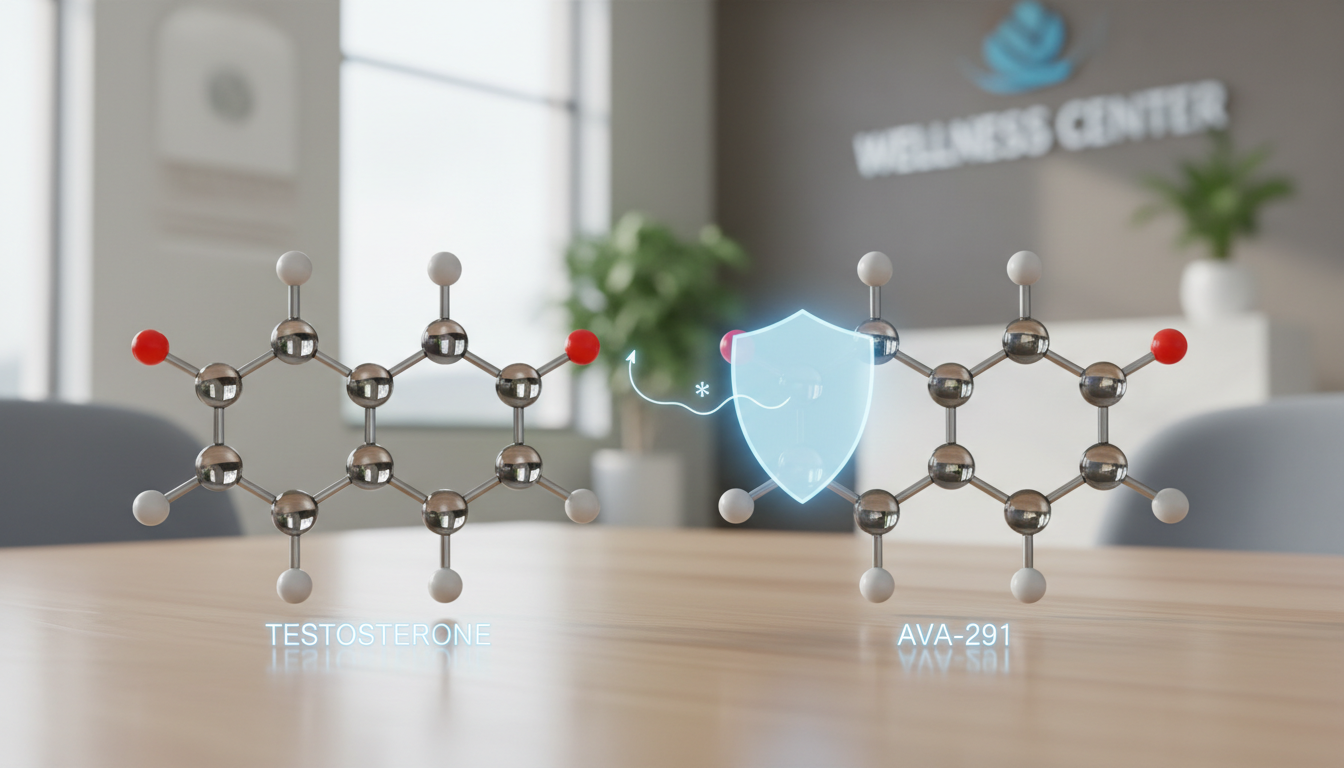
In January 2026, Aviva Bio received guidance from the FDA for the development of AVA-291, a novel testosterone formulation specifically for women. According to Urology Times, AVA-291 is designed to resist aromatization. This could mean it delivers the pro-libido and wellness benefits of testosterone while significantly reducing the potential to stimulate breast tissue.
Clinical data from Aviva Bio suggests AVA-291 has an approximately 1,000-fold lower potential to stimulate breast cancer cell proliferation compared to ordinary testosterone. With a phase 1 trial planned for early 2026, AVA-291 represents a major step toward an FDA-approved, female-centric testosterone therapy that directly addresses long-standing safety questions. You can read more about how the FDA approval process works.
What Testosterone Doesn't Do: The IVF Story
It's also crucial to understand what testosterone is not a magic bullet for. For years, some clinics have used testosterone to try to improve outcomes for women with diminished ovarian reserve (DOR) undergoing in vitro fertilization (IVF). However, a major 2026 clinical trial put this theory to the test.
The T-TRANSPORT trial, a multi-center, randomized, triple-blind, placebo-controlled clinical trial published in Nature Communications, found that testosterone gel did not improve clinical pregnancy or live birth rates in women with DOR. The study was even terminated early due to futility. This high-quality evidence shows that, for this specific purpose, testosterone therapy is not effective.
What to Consider and Next Steps
If you suspect low testosterone is affecting your quality of life, the first step is to talk to a knowledgeable medical professional. Navigating hormone therapy requires expertise. Here's what to consider:
- Find the Right Provider: Look for a clinician who has experience with hormone replacement therapy for women. They should be willing to do comprehensive testing and discuss the pros and cons with you. You can browse clinics near you or use an online service. Many providers now specialize in online HRT for menopause.
- Get Tested: Don't guess, test. A full hormone panel is the only way to know for sure what's going on. Your provider will test your free and total testosterone, along with estrogen, progesterone, and other relevant markers.
- Discuss Your Goals: Are you primarily concerned with libido? Energy? Muscle mass? Be clear about your symptoms and goals so your provider can create an appropriate plan.
- Understand the Commitment: Testosterone therapy is not a one-time fix. It requires ongoing monitoring, regular lab work, and potential dose adjustments to ensure it's both safe and effective.
- Budget Accordingly: Since it's prescribed off-label, insurance will not cover testosterone therapy for women. Be prepared for out-of-pocket costs for the medication (typically $30-$60/month for creams) and provider consultations.
The landscape is changing for the better. With growing scientific consensus and new formulations on the horizon, women have more options than ever to address symptoms of hormone decline.
Ready to explore your options? Take our free 3-minute quiz to get matched with a licensed provider who can help.
FAQs
Is testosterone therapy for women safe?
When prescribed by a knowledgeable provider at a low, physiological dose and monitored with regular blood work, short-term testosterone therapy is considered generally safe. Per Cedars-Sinai, long-term safety data is still limited, which is why ongoing research and new formulations are so important.
What is a typical testosterone injections dosage for a woman?
A typical testosterone injections dosage for a woman involves micro-dosing a product like testosterone cypionate. This could be anywhere from 1 mg to 5 mg per week, which is a fraction of a male dose. The exact dosage must be determined and monitored by your doctor.
Does insurance cover testosterone for women?
No. Because there are no FDA-approved testosterone products for women in the U.S., prescriptions are off-label and not covered by insurance. Patients can expect to pay out-of-pocket, with costs for compounded creams typically running $30-$60 per month.
What are the signs of low testosterone in females?
The most common signs include persistently low libido (HSDD), chronic fatigue that doesn't resolve with rest, difficulty concentrating or "brain fog," a depressed or apathetic mood, and a loss of muscle mass or strength despite regular exercise.
Will testosterone make me bulky or grow a beard?
At medically appropriate doses designed to restore normal physiological levels, it is highly unlikely. Side effects like unwanted hair growth (hirsutism) or acne can occur, but they are a sign the dose may be too high. A provider will monitor for these and adjust the dose to minimize risk.
Contributing to evidence-based peptide education and provider transparency.
Too many clinics, not enough clarity?
We don't sell peptides. Tell us your goals and we'll connect you with a vetted provider who can figure out what actually makes sense for you.
See what's right for youRelated articles
Which Protein Supplements for Muscle Growth Actually Work?
Tired of the hype? Find out which protein supplements for muscle growth are backed by science and learn how to pick the right one for your goals.
Hormone TherapyWhat Are the Real Magnesium Glycinate Benefits?
Uncover the science-backed magnesium glycinate benefits. We explore its effects on sleep, stress, and muscle function and explain why it's a top choice.
Hormone TherapyWhat B12 Shot Benefits Can You Actually Expect?
B12 shots are often hyped for energy, but the real b12 shot benefits are more specific. Learn who is a true candidate and what results to expect.