How HCG Injections Work for Hormones & Fertility
From fertility treatments to hormone optimization, hCG injections have many uses. We explain how they work, the potential benefits, and common protocols.

This content is for informational purposes only and does not constitute medical advice.
An Introduction to HCG Injections
Human Chorionic Gonadotropin, or HCG, is a hormone with a range of important medical uses. While many people associate it with pregnancy tests, its role in modern medicine is much broader. Understanding hCG injections is key for anyone exploring fertility treatments or hormone optimization. This guide provides a clear, evidence-based look at what HCG is, how it works, and what the latest research from 2026 says about its applications.
HCG’s primary function in the body is to act like Luteinizing Hormone (LH), a critical hormone produced by the pituitary gland. According to the FDA label for Pregnyl, a common brand of HCG, its action is "virtually identical" to pituitary LH. This means it can stimulate specific hormonal processes in both men and women. For women, it can help trigger ovulation. For men, it can stimulate the testes to produce testosterone and sperm. These applications have made it a valuable tool in reproductive medicine and endocrinology.
The market for this hormone reflects its medical importance. A February 2026 market report valued the global Human Chorionic Gonadotropin market at an estimated USD 2.96 billion for the current year, with key players including Merck & Co., Inc. and Ferring B.V. This significant market size shows just how integral HCG has become in treating conditions like female infertility, male hypogonadism, and others.
HCG Injections for Fertility: How They Work and What to Expect
HCG injections are a cornerstone of many fertility treatments for both women and men. By mimicking the body's natural LH surge, HCG can directly influence the reproductive system to improve the chances of conception.
HCG for Female Fertility
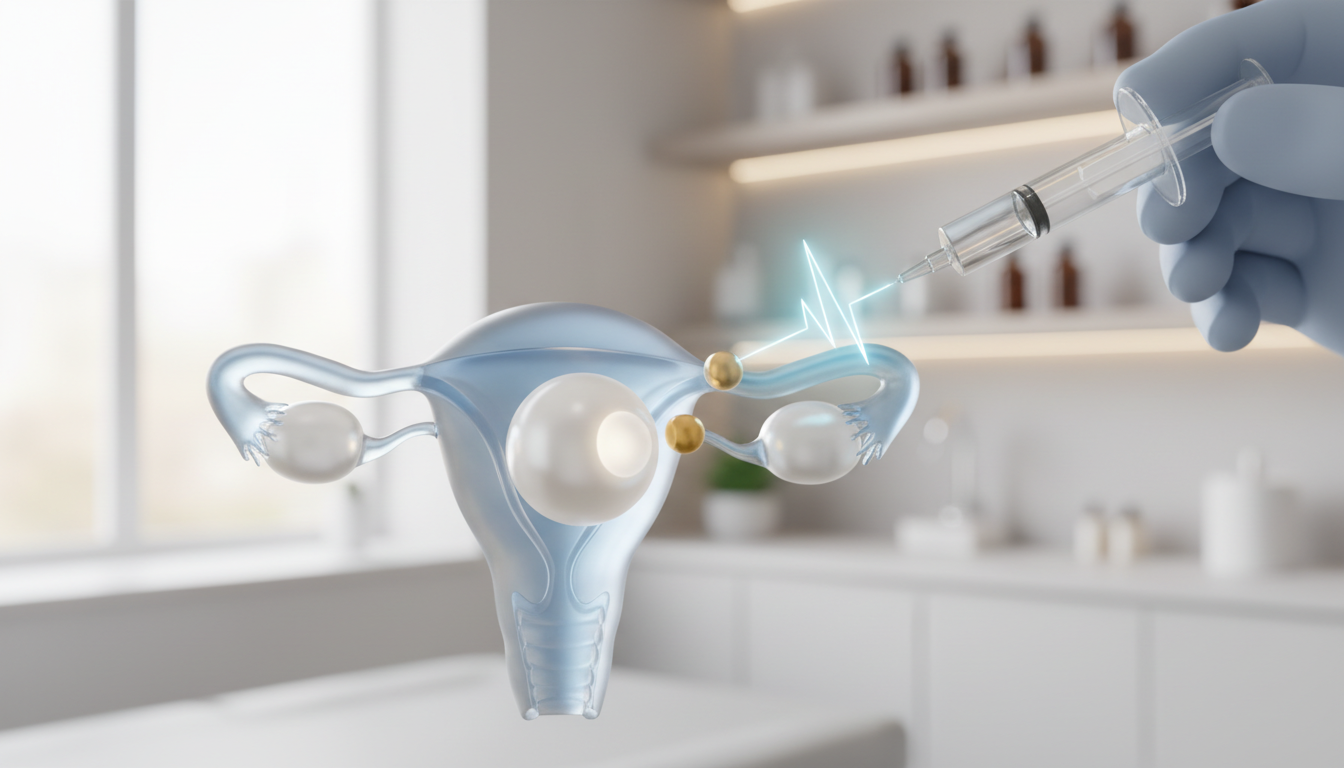
In women, the most common use of HCG is to induce ovulation. After a woman's ovarian follicles have matured, a "trigger shot" of HCG is often administered. This shot acts like a natural LH surge, causing the ovary to release a mature egg within about 36 to 40 hours. This precise timing is crucial for procedures like intrauterine insemination (IUI) or in vitro fertilization (IVF).
Recent studies continue to refine how HCG is used to maximize success rates. A 2024 randomized controlled trial found that combining an intrauterine HCG flush with a standard intramuscular injection increased the likelihood of clinical pregnancy by 1.25 times in women with unexplained infertility undergoing IUI (European Journal of Medical Research). Another study on women undergoing frozen-thawed embryo transfer found that an HCG injection before progesterone therapy significantly improved clinical pregnancy rates, jumping from 14.3% in the control group to 28.6% in the hCG group (PMC).
For women of advanced maternal age (35-42), a 2026 study explored using HCG alone versus a "dual trigger" (HCG plus another hormone called GnRHa). While both methods produced a similar number of mature eggs and live birth rates, the dual trigger appeared to improve fertilization rates in smaller follicles, offering another potential strategy for clinicians to consider (Journal of Ovarian Research).
HCG for Male Fertility
In men, HCG works by stimulating the Leydig cells within the testes. This action prompts the testes to produce more testosterone and can help initiate or improve sperm production, a condition known as spermatogenesis.
The evidence for its use in male infertility is specific. A 2025 systematic review noted that while there is limited evidence for using HCG by itself for general male infertility, it shows significant promise in certain situations (Cureus). For example, in men who had surgery for a varicocele (an enlargement of veins in the scrotum), HCG treatment was associated with a dramatic increase in pregnancy rates. The review also found that HCG combined with other therapies helped increase pregnancy rates in men with oligospermia, or low sperm count. This makes HCG a targeted tool for specific male factor infertility issues.
Navigating fertility treatments can be complex. If you're trying to understand your options, from IUI to hormone support, personalized guidance is key. Take our free quiz to connect with a specialist who can help you understand your path forward.
HCG for Male Hormone Optimization and TRT
Beyond fertility, hCG injections play a vital role in male hormone optimization, especially for men dealing with low testosterone. It serves as both an alternative and a complementary therapy to Testosterone Replacement Therapy (TRT).
HCG is FDA-approved to treat hypogonadotropic hypogonadism, a specific type of low testosterone. This condition occurs when the brain fails to send the right signals (LH and FSH) to the testes, telling them to produce testosterone. Instead of supplying external testosterone like TRT, HCG mimics the missing LH signal and encourages the testes to produce their own testosterone naturally. You can learn more about the basics of TRT in our guide, What is TRT?.
Using HCG Alongside TRT
One of the most common applications of HCG for men is its use in conjunction with TRT. When a man takes external testosterone, his body's natural production often shuts down. This leads to testicular atrophy (shrinkage) and a loss of fertility. For men who want to maintain testicular size and function, or preserve their fertility while on TRT, adding HCG is a standard approach. The HCG continues to stimulate the testes, keeping them active even while the brain’s signals are suppressed by TRT. This can be critical for men considering starting TRT who may want to have children in the future. For more on different TRT methods, read our guide on Testosterone Cypionate.
Using HCG as a Monotherapy
For some men, HCG injections can be used as a standalone treatment, or monotherapy, for low testosterone. This is particularly common in younger men with secondary hypogonadism who wish to raise their testosterone levels without shutting down their own endocrine system or compromising fertility. By stimulating the body’s own production, HCG can effectively increase testosterone levels back into a healthy range. While it may not be suitable for every case of low T, it presents a valuable alternative to TRT for the right patient. While diet and lifestyle are important, and some wonder if the oysters and testosterone link is real, medical therapies like HCG offer a more direct approach for diagnosed hormonal conditions.
Understanding the Cost, Brands, and Administration of HCG Injections
Before starting treatment, it is helpful to understand the practical aspects of hCG injections, including what you can expect to pay, the different products available, and how they are administered.
Breaking Down the Costs
The cost of HCG can vary widely based on the intended use, dosage, and whether it is covered by insurance. For fertility treatments, a single cycle can range from $250 to $1,500. This often includes the medication as well as related services. According to Cost Digest, a single 5000 IU vial of HCG medication can cost between $150 and $700. On top of that, patients may face additional fees for administration by a nurse ($60-$350) and necessary lab monitoring ($60-$600) per cycle.
For those paying with cash, prices are also variable. A 10,000-unit vial of the brand-name Pregnyl can range from $100 to $250 without insurance. The generic version, chorionic gonadotropin, is slightly less expensive, typically costing $80 to $200 per vial (Medfinder). It is also worth noting that availability can sometimes be inconsistent due to manufacturing and demand issues.
Common Brands and Types
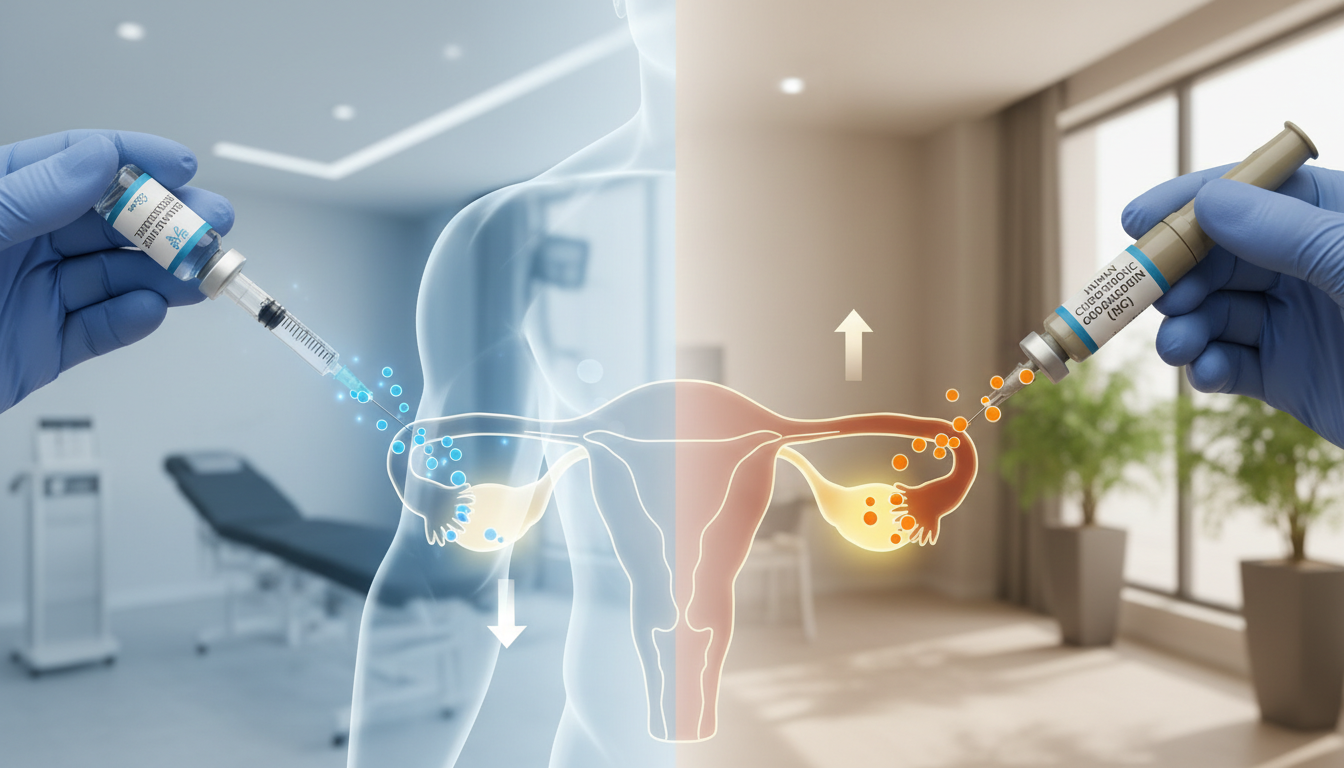
Patients may encounter several different HCG products. Common brand names prescribed in the U.S. include Novarel, Ovidrel, and Pregnyl (Cleveland Clinic). These products fall into two main categories:
- Urinary-Derived HCG: Products like Pregnyl and Novarel are made from a sterile powder that is purified from the urine of pregnant persons.
- Recombinant HCG: Products like Ovidrel are created in a laboratory using recombinant DNA technology. This genetic engineering produces a pure form of HCG without relying on human sources.
How HCG is Administered
HCG is an injectable medication that can be given in one of two ways:
- Intramuscularly (IM): The injection is given deep into a muscle, such as the upper buttock or thigh.
- Subcutaneously (SubQ): The injection is given into the fatty tissue just under the skin, usually in the abdomen or thigh.
Most HCG products come as a powder that must be mixed, or reconstituted, with sterile water before injection. A healthcare provider will give specific instructions on how to do this correctly and safely. If you need assistance with calculations for mixing, our free Reconstitution Calculator tool can be a helpful resource.
Confused about costs and which option is right for you? Our free 3-minute quiz can match you with a provider who can provide pricing and treatment plans.
Emerging Research and Other Potential Uses
While HCG is well-established in fertility and hormone medicine, ongoing research is exploring its potential in other areas of health. These emerging uses are not yet standard practice but point to the hormone’s wider biological activity.
Potential for Neuroprotection
One of the more surprising areas of new research is HCG's effect on the brain. A 2026 study conducted on a mouse model of neonatal brain injury found that HCG offered significant neuroprotective benefits. The administration of HCG reduced brain tissue loss and degeneration in key areas like the hippocampus and cerebral cortex following an injury. It also helped preserve important brain cells called parvalbumin interneurons (Scientific Reports). While this is preclinical animal research, it suggests HCG may one day have a role in protecting the brain from certain types of damage.
The Controversial History with Weight Loss
It is impossible to discuss HCG without addressing its controversial past with weight loss. In the 1950s, a protocol known as the "HCG diet" combined daily HCG injections with a very-low-calorie diet of about 500 calories per day. Proponents claimed the HCG reset metabolism and allowed for rapid weight loss without hunger.
However, modern medical science has thoroughly debunked these claims. The FDA has not approved HCG for weight loss and states there is no substantial evidence it increases weight loss beyond that resulting from caloric restriction. The weight loss seen on the HCG diet is due to the extreme calorie deficit, not the hormone itself. For safe and effective medical weight loss, patients today have much better, evidence-based options, such as GLP-1 medications. You can learn more in our guide on semaglutide for weight loss.
What to Consider Before Starting Therapy
Before beginning HCG therapy, it is important to have a thorough discussion with a qualified healthcare provider. They can help you weigh the benefits against the potential risks and ensure it is the right choice for your specific situation.
Potential Side Effects and Risks
Like any medication, HCG comes with potential side effects. The FDA label for Pregnyl carries warnings for several serious risks, particularly when used for female fertility. These include:
- Ovarian Hyperstimulation Syndrome (OHSS): A condition where the ovaries swell and become painful. In severe cases, it can be life-threatening.
- Multi-fetal Gestation: HCG increases the likelihood of having twins, triplets, or more.
- Vascular Complications: There is a risk of blood clots.
More common, less severe side effects can include headaches, restlessness, fatigue, and pain or swelling at the injection site. For men, potential side effects can include gynecomastia (enlargement of breast tissue) if testosterone and estrogen levels are not properly managed.
Finding a Provider and Getting Started
HCG is a prescription medication and should only be used under the supervision of a licensed doctor. Sourcing HCG from unregulated websites is dangerous and illegal. The first step is to schedule a consultation with a provider specializing in fertility or hormone therapy. They will likely order bloodwork to assess your hormone levels and review your full medical history to determine if you are a good candidate.
Ready to explore your options with a professional? Take our free 3-minute quiz to get matched with a licensed provider who can determine if HCG is right for you.
FAQs
How long does it take for HCG injections to work?
This depends on the reason for use. For triggering ovulation in women, HCG works quickly, with ovulation typically occurring about 36 hours after the injection. To increase testosterone levels in men, it can take several weeks to see a noticeable change in bloodwork and symptoms.
Are HCG injections painful?
Most patients report minimal discomfort. Subcutaneous injections use a very small needle and are generally less painful than intramuscular injections. Some people may experience mild bruising, redness, or soreness at the injection site.
Can you use HCG injections for weight loss?
No. The FDA has not approved HCG for weight loss, and there is no scientific evidence that it is effective for this purpose. The weight loss associated with the "HCG diet" comes from severe caloric restriction, which can be unsafe without medical supervision.
What is the difference between HCG and HGH?
HCG (Human Chorionic Gonadotropin) and HGH (Human Growth Hormone) are often confused but are very different hormones. HCG mimics Luteinizing Hormone (LH) to stimulate the gonads (ovaries or testes). HGH stimulates growth, cell reproduction, and regeneration throughout the body. You can learn more about HGH injections in our guide.
Do you need a prescription for HCG?
Yes. In the United States, HCG is a prescription-only medication. It must be prescribed by a licensed healthcare provider after a medical evaluation.
Contributing to evidence-based peptide education and provider transparency.
Too many clinics, not enough clarity?
We don't sell peptides. Tell us your goals and we'll connect you with a vetted provider who can figure out what actually makes sense for you.
See what's right for youRelated articles
Which Protein Supplements for Muscle Growth Actually Work?
Tired of the hype? Find out which protein supplements for muscle growth are backed by science and learn how to pick the right one for your goals.
Hormone TherapyWhat Are the Real Magnesium Glycinate Benefits?
Uncover the science-backed magnesium glycinate benefits. We explore its effects on sleep, stress, and muscle function and explain why it's a top choice.
Hormone TherapyWhat B12 Shot Benefits Can You Actually Expect?
B12 shots are often hyped for energy, but the real b12 shot benefits are more specific. Learn who is a true candidate and what results to expect.