How to Get More Testosterone: What Really Works
Wondering how to get more testosterone? We break down the exact steps for natural methods and explain the pros and cons of modern medical treatments like TRT.
This content is for informational purposes only and does not constitute medical advice.
Wondering how to get more testosterone in 2026? You're not alone. More men than ever are seeking to optimize their hormones for better energy, focus, and physical performance. Whether you're feeling the effects of declining levels or simply want to operate at your peak, understanding your options is the first step. This guide breaks down the natural methods, the latest medical treatments, and the exact steps to take. We'll explore everything from lifestyle changes to a full medical protocol, helping you understand how to safely and effectively increase your testosterone. For a deeper dive into what optimal levels feel like, see our guide on what being a high testosterone male really means.
Why the sudden interest in testosterone?
The landscape of men's health is changing fast. A study from VidaVital MD shows that in 2026, TRT use has jumped 120% among men aged 24 and younger. Another 40% of men under 40 are interested in hormone optimization. This shift is partly due to a better understanding of decreased testosterone symptoms and new, more accessible treatment options.
Recent regulatory changes have also played a huge role. In February 2025, the FDA removed the serious 'black box' warning from testosterone products after a major study found no increased risk of heart problems (Medical Foundation of NC). This landmark decision has made providers more confident in prescribing TRT and has validated the telehealth platforms that make treatment accessible from home.
What You'll Need
Before starting any protocol, you need information and potentially some supplies. What you need depends on which path you take.
For a medical approach, you will need:
- Comprehensive Lab Work: This is non-negotiable. A provider will require blood tests to confirm low testosterone. Guidelines from sources like the VA and Yale Medicine state a diagnosis requires at least two separate morning tests showing levels under 300 ng/dL. Your doctor will also check other markers like PSA, hematocrit, and estradiol. You can learn more about initial testing with an at home testosterone testing kit.
- A Prescription: Testosterone is a Schedule III controlled substance. You can only get it legally with a prescription from a licensed medical provider.
- Supplies (for injections): If you and your doctor decide on injections, you'll need the testosterone itself (cypionate or enanthate), sterile syringes (typically 1mL), injection needles (22-25 gauge), drawing needles (18-20 gauge), alcohol swabs, and a sharps container for safe disposal.
For a natural approach, you will need:
- A Plan: Consistency is key. You'll need a structured plan for your diet, exercise, and sleep.
- Supplements (optional): Based on research, you might consider adding clinically-backed ingredients like Ashwagandha, Fenugreek, Vitamin D, and Zinc to your routine.
- Patience: Natural methods take time. Results often appear over 8-12 weeks, not overnight.
Before You Start
Understanding how to get more testosterone isn't just about finding a quick fix. It's about a long-term strategy for your health. Before you even consider starting treatment, you need to know the facts.
First, identify your starting point. Natural methods are highly effective for men whose low testosterone is caused by reversible lifestyle factors. PeakedLabs research shows that optimizing sleep can raise testosterone by 50-150 ng/dL, and losing excess body fat can add another 40-100 ng/dL. If your levels are borderline and your lifestyle has room for improvement, this is the best place to start. A HealthcareV.org 2026 evidence review highlights that key supplements like Fenugreek and Ashwagandha can boost levels by 15-40% in men with suboptimal numbers.
However, medical treatment like Testosterone Replacement Therapy (TRT) is designed for men with confirmed clinical hypogonadism that doesn't improve with lifestyle changes. TRT is much more powerful, typically raising levels by 250-600 ng/dL or more.
The legal and medical landscape in 2026 makes getting help easier than ever. The FDA's removal of the black box warning in 2025 has opened the door for safer and broader access. Telehealth platforms are now a primary way men get evaluated and treated, offering convenience and privacy. If you go this route, the Medical Foundation of NC advises choosing a platform that is transparent about its lab requirements, medical providers, and pharmacy partners.
Confused about which path is right for your specific situation? Sorting through the options can be a lot. Take our free 3-minute quiz to get matched with a vetted provider who can offer personalized guidance based on your symptoms and goals.
How to Get More Testosterone: A Step-by-Step Guide
Here is a clear path to follow when seeking to increase your testosterone levels.
Step 1: Confirm Your Testosterone Levels with Blood Work
You can't manage what you don't measure. The first concrete step is to get your blood tested. Guessing based on symptoms isn't enough because fatigue, low libido, and brain fog can have many causes. Medical guidelines are very clear. To be diagnosed with hypogonadism, you need to show consistently low levels. This means getting at least two separate blood tests, both drawn in the morning when testosterone is at its peak. Both Yale Medicine and government guidelines agree that a level under 300 ng/dL is the clinical threshold for low T.
Your doctor will order a "total testosterone" test. They should also check your "free testosterone," which is the unbound, active hormone your body can actually use. Other important markers to test include:
- Estradiol (E2): To check if your body is converting too much testosterone into estrogen.
- Sex Hormone-Binding Globulin (SHBG): This protein binds to testosterone, making it inactive. High SHBG can lead to low free T.
- Luteinizing Hormone (LH): This tells you if your brain is signaling your testes to produce testosterone.
- Hematocrit: To establish a baseline before starting TRT, as treatment can raise red blood cell count.
- Prostate-Specific Antigen (PSA): A baseline is needed to monitor prostate health.
You can initiate this process with your primary care doctor or through an online TRT clinic. Many men now start with an at home testosterone testing kit, which offers a convenient way to get your initial numbers before a formal consultation.
Step 2: Implement Natural Optimization Strategies for 12 Weeks
Before jumping to medical intervention, give natural methods a serious try. For many men, especially those with levels in the 300-450 ng/dL range, lifestyle changes can make a significant difference. A 2026 review on BodyScienceReview.com confirms that the most impactful strategies are sleep, training, and body composition.
- Prioritize Sleep: Aim for 7-9 hours of quality sleep per night. About 75% of your daily testosterone is produced during deep sleep. A single week of poor sleep can crush your T levels.
- Lift Heavy Weights: Engage in resistance training 3-4 times per week. Focus on large, compound movements like squats, deadlifts, and bench presses. This type of stress signals your body to produce more testosterone.
- Improve Body Composition: Reduce excess body fat, particularly around your abdomen. Fat cells contain the aromatase enzyme, which converts testosterone to estrogen. A 10% reduction in body fat can significantly decrease this activity.
- Correct Nutrient Deficiencies: Get your levels of Vitamin D and Zinc checked. Research from BodyScienceReview.com shows that supplementing with 4,000-5,000 IU of Vitamin D3 daily increased testosterone by 25% in deficient men. Zinc is also critical for T production.
- Take Proven Supplements: Consider adding research-backed supplements. A 2026 evidence review from HealthcareV.org points to three standouts: Ashwagandha (300-600mg), Fenugreek (500-600mg), and Tongkat Ali (200-400mg), which can increase testosterone by 15-40%.
Commit to these changes for at least 12 weeks, then re-test your levels. If you see a solid improvement and feel better, you may have found your solution. If your levels are still low and symptoms persist, it's time for the next step.

Step 3: Consult a Qualified Provider and Discuss Your Goals
If natural methods aren't enough, your next step is to find a knowledgeable medical provider. This could be a urologist, an endocrinologist, or a doctor specializing in hormone optimization. In 2026, many of the best testosterone therapy providers are online, offering virtual consultations and convenient care.
During your consultation, be prepared to discuss:
- Your symptoms: Be specific. Instead of "I'm tired," say "I have no energy by 2 PM and need a nap."
- Your lab results: Bring your "before" and "after" labs from your natural optimization attempt. This shows the provider you've done your due diligence.
- Your goals: What do you want to achieve? More energy? Better results in the gym? Improved libido?
- Your fertility: This is a critical point. TRT suppresses natural sperm production in 90-95% of men. If you plan on having children in the future, you must discuss fertility-preserving options like HCG or enclomiphene with your doctor.
A good provider will review your full health history, discuss the pros and cons of treatment, and explain the different options available. They will not just write a prescription and send you on your way. They will act as a partner in your health. You can find pre-vetted, licensed providers on platforms like our /clinics page.
Step 4: Choose Your Treatment Method
If you and your provider decide medical intervention is the right path, you have several options for how to get testosterone. Each has different costs, benefits, and administration methods.
- Testosterone Injections: This is the most common and cost-effective method. You'll typically self-inject testosterone cypionate or enanthate once or twice a week. Costs for the medication itself can be as low as $30-80 per month. You can find more details on our testosterone cypionate page.
- Topical Gels/Creams: These are applied daily to the skin. They provide stable hormone levels but can be more expensive and carry a risk of transferring the hormone to others through skin contact.
- Oral Testosterone: A newer, highly effective option is the FDA-approved pill KYZATREX®. Taken twice daily with food, it avoids the liver issues of older oral forms and eliminates needles and messy gels. Data shows it restores T levels in up to 96% of men. The cost is typically higher, around $200-400 per month (VidaVital MD). You can read more about testosterone tablets for men here.
- Peptide Therapy: Peptides like Sermorelin or Ipamorelin don't replace testosterone. Instead, they stimulate your body to produce more of its own. This can be a great option for men who want to avoid shutting down their natural production. Peptide protocols can increase T levels by 40-60% and typically cost $150-500 per month. Learn more in our CJC-1295 + Ipamorelin guide.
Deciding on the best fit depends on your lifestyle, budget, and personal preference. Want to see which options fit your budget and goals? Our free quiz takes 3 minutes and matches you with vetted providers who can explain these choices in detail.
Step 5: Learn How to Inject Testosterone Safely
If you choose injections, proper technique is crucial for safety and effectiveness. While your provider will guide you, here are the basic steps. For a more visual guide, check out our post on where to inject testosterone.
- Gather Your Supplies: Lay out your testosterone vial, a drawing needle (18G), an injecting needle (23-25G), a syringe (1mL), two alcohol pads, and a sharps container.
- Prepare the Vial: Wipe the rubber top of the testosterone vial with an alcohol pad.
- Draw the Air: Pull the syringe plunger back to the mark of your prescribed dose (e.g., 0.5 mL). This fills the syringe with air.
- Inject the Air: With the vial on a flat surface, push the drawing needle through the rubber stopper and inject the air into the vial. This equalizes the pressure and makes drawing the oil easier.
- Draw the Testosterone: Turn the vial upside down and pull the plunger back, drawing slightly more than your dose into the syringe.
- Remove Air Bubbles: Tap the syringe to make any bubbles rise to the top. Gently push the plunger to expel the air until you have the exact dose.
- Swap the Needles: Carefully remove the larger drawing needle and replace it with the smaller injecting needle. Do not touch the new needle.
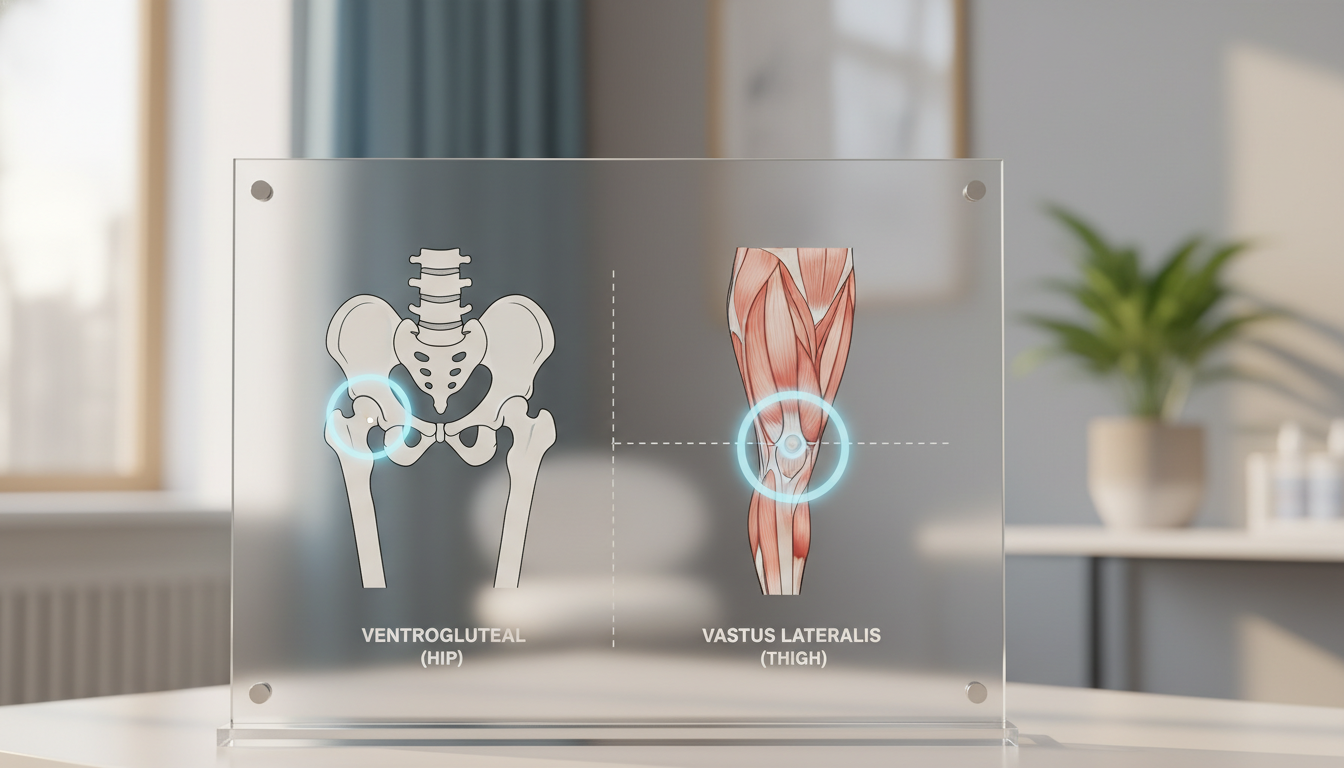
- Inject: Clean your chosen injection site (glute or thigh are common) with the second alcohol pad. Let it dry. Relax the muscle and insert the needle at a 90-degree angle. Slowly push the plunger to inject the testosterone.
- Withdraw and Dispose: Pull the needle out and immediately place it in the sharps container. You may apply a bandage to the site if needed.
Common Mistakes to Avoid
Starting a testosterone protocol can be life-changing, but mistakes can lead to side effects or poor results. Here are common pitfalls to avoid:
- Chasing a Number: Don't get fixated on hitting a specific number like 1,000 ng/dL. The goal is to resolve your symptoms. Some men feel great at 600 ng/dL, while others might need 800 ng/dL. Focus on how you feel.
- Ignoring Estrogen Management: As testosterone levels rise, some of it can convert to estradiol (estrogen). High estrogen can cause bloating, moodiness, and even gynecomastia. Your provider should be monitoring your E2 levels and may prescribe an aromatase inhibitor (AI) if needed.
- Inconsistent Dosing: Skipping doses or injecting on an irregular schedule will cause your hormone levels to fluctuate wildly. This can make you feel worse than before you started. Stick to the schedule your provider gives you.
- Bad Injection Technique: Using the wrong site, not using a clean technique, or injecting too quickly can cause pain, infection, or scar tissue. Our detailed guide on intramuscular peptide injections offers more tips applicable here.
- Forgetting about Lifestyle: TRT is a tool, not a magic pill. It works best when combined with a healthy lifestyle. If you stop exercising, eat poorly, and don't sleep, you won't get the full benefits.
- Not Doing Follow-Up Labs: Continuous monitoring is essential. Guidelines recommend checking testosterone, hematocrit, and PSA levels regularly to ensure the treatment is safe and effective. Don't skip these appointments.
When to Contact Your Doctor
Once you start treatment, stay in close communication with your provider. You should contact them if you experience:
- Signs of High Estrogen: Nipple sensitivity, water retention, or unusual mood swings.
- Signs of High Hematocrit: Headaches, dizziness, shortness of breath, or facial flushing. This indicates your blood is getting too thick, which can increase the risk of blood clots.
- Injection Site Issues: Significant pain, redness, swelling, or warmth at the injection site that persists for more than a day or two could be a sign of infection.
- No Improvement in Symptoms: If you've been on treatment for 3-6 months and see no improvement in your primary symptoms (energy, libido, mood), you need to discuss adjusting your dose or protocol with your provider.
- Acne or Oily Skin: A mild increase can be normal as your body adjusts, but severe or persistent acne should be discussed.
- Changes in Mood: While most men experience improved mood, some may feel increased aggression or anxiety. This is a sign your dose may be too high.
Open communication ensures your protocol is optimized for you and minimizes potential side effects.
Ready to explore your options with a professional? Take our free 3-minute quiz to get matched with a licensed provider who can help you start your optimization process safely.
FAQs
How to get more testosterone naturally?
You can increase testosterone naturally by consistently getting 7-9 hours of quality sleep, engaging in regular resistance training, reducing excess body fat, ensuring you have adequate Vitamin D and Zinc, and managing stress. According to 2026 data, these methods can increase testosterone levels by 15-30% or 50-150 ng/dL.
How to get testosterone prescribed by a doctor?
To get a prescription, you must have symptoms of hypogonadism and confirmed low levels on at least two separate morning blood tests (typically under 300 ng/dL). You can consult your primary care physician, an endocrinologist, or use an online TRT clinic for evaluation and prescription.
How to inject testosterone cypionate?
Testosterone cypionate is injected intramuscularly into the glute or thigh. You'll use a sterile technique to draw your prescribed dose from a vial into a syringe, swap the needle for a smaller one, clean the injection site with an alcohol swab, and inject the medication slowly into the muscle.
How much is testosterone injections?
The cost of injectable testosterone therapy is one of the most affordable options. In 2026, the medication itself typically costs between $30 and $80 per month. Total program costs, including consultations and lab work through a clinic, can range from $80 to $200 per month. Get a clearer picture of expenses in our guide to how much TRT costs per month.
Can I get testosterone without a doctor?
No, you cannot legally get testosterone in the United States without a prescription from a licensed medical provider. Testosterone is a Schedule III controlled substance due to its potential for misuse. Attempting to buy it from unregulated online sources is illegal and dangerous, as the products may be counterfeit, contaminated, or improperly dosed.
Contributing to evidence-based peptide education and provider transparency.
Too many clinics, not enough clarity?
We don't sell peptides. Tell us your goals and we'll connect you with a vetted provider who can figure out what actually makes sense for you.
See what's right for youRelated articles
Which Protein Supplements for Muscle Growth Actually Work?
Tired of the hype? Find out which protein supplements for muscle growth are backed by science and learn how to pick the right one for your goals.
Hormone TherapyWhat Are the Real Magnesium Glycinate Benefits?
Uncover the science-backed magnesium glycinate benefits. We explore its effects on sleep, stress, and muscle function and explain why it's a top choice.
Hormone TherapyWhat B12 Shot Benefits Can You Actually Expect?
B12 shots are often hyped for energy, but the real b12 shot benefits are more specific. Learn who is a true candidate and what results to expect.