Is 0.5 mL of Testosterone a Week Enough for TRT?
For TRT, is 0.5 mL of testosterone a week enough? It depends on the concentration (100mg vs 200mg/mL). We explain what this dose means and what results to expect.

This content is for informational purposes only and does not constitute medical advice. Always consult with a qualified healthcare provider for diagnosis and treatment.
Fatigue that never seems to lift. A fog clouding your thoughts. A missing spark in the bedroom. If this sounds familiar, you might be researching solutions and asking a very specific question: is 0.5 mL of testosterone a week enough to feel like yourself again? It’s a common question, and the answer is more detailed than a simple yes or no. For many men starting Testosterone Replacement Therapy (TRT), a 0.5 mL injection is the first step. But whether it's the right long-term dose depends entirely on the medication's concentration, your body's unique response, and your health goals.
This guide will break down what a 0.5 mL dose really means, what the science says about starting protocols, and how to work with a provider to find the dose that works for you. We will also explore the common signs of low testosterone in men over 50 and what you can expect from a properly managed therapy plan.
What is Testosterone Replacement Therapy (TRT)?
Testosterone Replacement Therapy, or TRT, is a medical treatment designed to restore testosterone levels to a healthy, normal range in men with clinically diagnosed hypogonadism (low testosterone). Think of it as refilling a tank that has run low. The goal is not to create superhuman levels of hormones but to alleviate the negative symptoms of a deficiency and improve overall quality of life. For a deeper dive, read our complete guide on what TRT is.
TRT is prescribed for men who show both symptoms of low T and have blood test results confirming the deficiency. These symptoms can be debilitating and often include:
- Persistent fatigue and low energy
- Decreased libido and erectile dysfunction
- Loss of muscle mass and strength
- Increased body fat, especially around the midsection
- Depressed mood or irritability
- Difficulty concentrating, or "brain fog"
A qualified medical provider uses TRT to bring a patient's testosterone levels back within an optimal physiological range, carefully monitoring progress to ensure the treatment is both effective and safe. The process is managed through regular blood work and symptom check-ins to find the perfect balance for each individual.
Is 0.5 mL of Testosterone a Week Enough to Start?
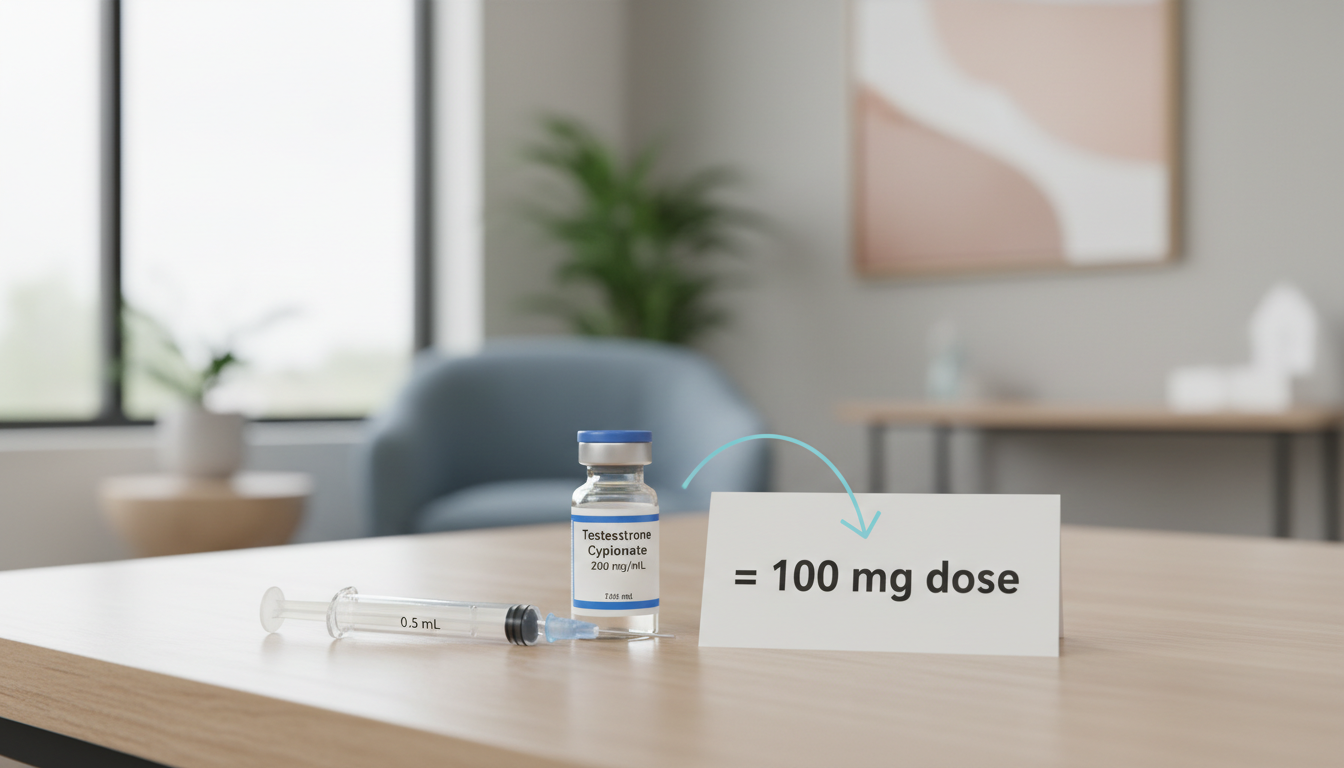
When you see a dose written as "0.5 mL," it's crucial to understand that the volume (mL) is only half the story. The other, more important half is the concentration, measured in milligrams per milliliter (mg/mL). Most prescribed testosterone cypionate or enanthate comes in a concentration of 200 mg/mL.
In this common scenario, 0.5 mL of a 200 mg/mL solution equals 100 mg of testosterone.
0.5 mL x 200 mg/mL = 100 mg per week
According to multiple clinical sources, a weekly dose of 100 mg is widely considered a standard and appropriate starting dose for TRT (Advanced TRT Clinic). A large-scale study of over 9,000 men on TRT confirmed that beginning with 0.5 mL of a 200 mg/mL concentration (100 mg/week) is a common real-world practice with a favorable safety profile (wjmh.org).
Starting with a moderate dose like this allows your provider to:
- Assess Your Body's Response: Everyone metabolizes testosterone differently. A 100 mg dose lets a doctor see how your levels react without pushing them too high, too fast.
- Monitor for Side Effects: Lower initial doses minimize the risk of side effects like water retention or high estrogen while your body adjusts.
- Establish a Baseline: Your blood work after a few weeks on this initial dose provides the data needed to make informed adjustments.
So, is 0.5 mL of testosterone a week enough? As a starting point, yes. A 100 mg dose is a safe and effective way to begin therapy for most men. However, it's just that, a start. Your long-term dose will be determined by follow-up testing and how you feel.
Feeling overwhelmed by the numbers and symptoms? It can be a lot to process on your own. You can get personalized guidance by taking a simple quiz. Take our free quiz to see if you're a candidate and get matched with a provider.
How Does Testosterone Therapy Work?
When you introduce external testosterone into your body, it works by directly binding to androgen receptors in your cells. These receptors are found all over the body, in muscle tissue, bone, the brain, and fat cells. Once activated, they trigger the various physiological processes that testosterone governs. This includes everything from building muscle and burning fat to regulating mood and libido.
The most common forms of injectable testosterone used in TRT are testosterone cypionate and testosterone enanthate. These are not pure, free testosterone. They are forms of testosterone attached to an ester, which is a carbon chain that controls how quickly the hormone is released into your bloodstream. The cypionate ester, for example, allows for a slow and steady release over several days, which is why weekly or bi-weekly injections are effective. This prevents the sharp spikes and crashes that would come from injecting pure testosterone.
An important part of this process is understanding your body's own hormone production system, the Hypothalamic-Pituitary-Gonadal (HPG) axis. Your brain (hypothalamus and pituitary) sends signals to your testicles to produce testosterone. When you start TRT, your brain senses that there is enough testosterone in the system and stops sending those signals. This causes your natural production to shut down. This is a normal and expected part of therapy and a key reason why you should never start, stop, or change your TRT protocol without consulting a doctor.
A portion of testosterone is also converted into other hormones. Two key conversions are:
- Dihydrotestosterone (DHT): Through the enzyme 5-alpha reductase, testosterone converts to DHT, a more potent androgen responsible for things like body hair growth but also linked to hair loss and prostate enlargement in some men. The question of how much testosterone is converted to DHT varies, but it's a critical factor your doctor will monitor.
- Estradiol (Estrogen): Through the enzyme aromatase, testosterone is converted into estradiol. Many ask, "is estrogen made from testosterone?" and the answer is yes. This is a vital process, as men need a certain amount of estrogen for bone health, cognitive function, and cardiovascular health. However, if this conversion is too high, it can lead to side effects like water retention or gynecomastia (enlarged breast tissue). Managing the testosterone-to-estrogen ratio is a cornerstone of effective TRT.
Evidence-Based Benefits of Optimized Testosterone
When prescribed and monitored correctly, TRT can lead to significant improvements in health and well-being. These benefits are not just anecdotal. They are supported by a growing body of clinical research. The goal isn't just about numbers on a lab report, it's about reclaiming your quality of life.
H3: Improved Energy, Mood, and Cognitive Function
One of the most frequently reported benefits of TRT is a return of energy and a lifting of the "brain fog" associated with low T. Men often describe feeling more motivated, driven, and mentally sharp. The large-scale retrospective study of over 9,000 men on TRT found significant improvements in quality-of-life domains, which includes energy and vitality (wjmh.org). Restoring testosterone can combat the depressive symptoms and irritability linked to hormonal imbalance, leading to a more stable and positive mood.
H3: Enhanced Libido and Sexual Function
A declining sex drive is one of the classic signs of low testosterone in men over 50 and even younger. TRT directly addresses this by restoring the hormonal drive for sexual activity. The same large-scale study confirmed that sexual function was among the top areas of improvement for men on therapy (wjmh.org). Many men also report better erectile quality, although ED can have multiple causes. For a deeper look, you can explore the benefits of testosterone injections.
H3: Increased Muscle Mass and Decreased Body Fat
Testosterone is an anabolic hormone, meaning it plays a key role in building tissues like muscle. It signals the body to increase protein synthesis, making it easier to build and maintain lean muscle mass, especially when combined with resistance training. Simultaneously, it can improve metabolic function, helping the body burn fat more efficiently. Many men on TRT notice a favorable shift in their body composition over time as they lose fat and gain muscle.
H3: Stronger Bones and Better Cardiovascular Health
Bone density tends to decrease with age, raising the risk of osteoporosis. Testosterone plays a part in maintaining bone mineral density. By restoring levels, TRT can help protect against age-related bone loss. While the relationship is complex, some research also suggests that healthy testosterone levels are associated with better cardiovascular health markers. However, this must be balanced against the risk of erythrocytosis (thickening of the blood), which requires careful monitoring.
Is 0.5 mL of Testosterone a Week Enough for Long-Term Results?
While 0.5 mL (100 mg) is a great starting point, the ultimate question is whether it's the right dose for you in the long run. The answer is maybe, but it's not guaranteed. The primary goal of TRT is to alleviate your symptoms, and the "perfect" dose is the lowest effective dose that achieves this while keeping your blood levels in a safe, optimal range.
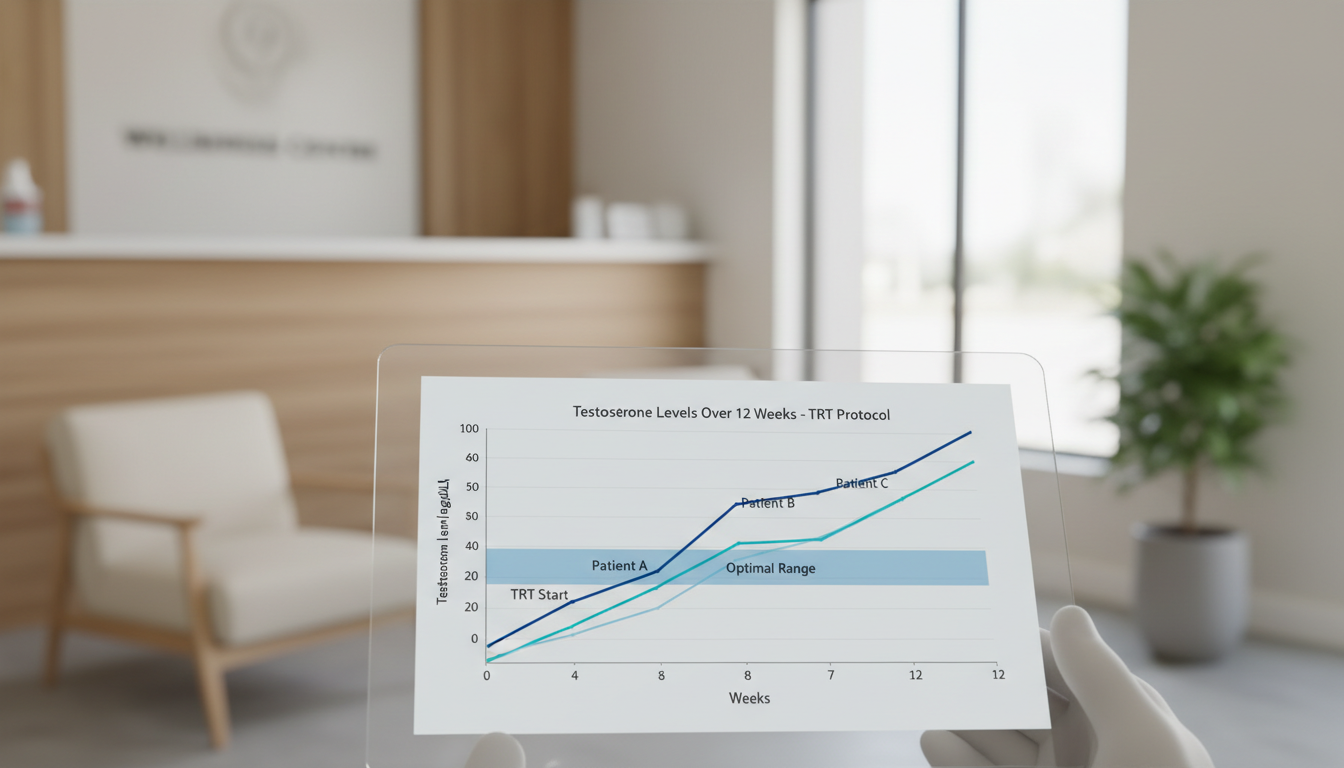
After 6-8 weeks on your starting dose, your provider will order a comprehensive blood panel. This test a crucial checkpoint. It will measure:
- Total Testosterone: Your overall T level.
- Free Testosterone: The unbound, biologically active testosterone.
- Estradiol (E2): To ensure it’s in a healthy ratio with your testosterone.
- Complete Blood Count (CBC): To check hematocrit and red blood cell count.
Based on these results and your symptom feedback, your doctor will decide if an adjustment is necessary.
- If your levels are optimal and symptoms are resolved: The 100 mg dose might be perfect for you long-term.
- If your levels are still low and symptoms persist: Your provider may increase your dose slightly, perhaps to 120 mg or 150 mg per week.
- If your levels are high or you have side effects: Your dose may be lowered.
A 2018 study on subcutaneous testosterone injections found that doses were adjusted to 50 mg, 75 mg, or 100 mg weekly to keep patients within the target range. At the end of the 52-week study, the average testosterone level was a healthy 487.2 ng/dL, demonstrating that individualized, often lower-to-moderate doses are highly effective (unboundmedicine.com).
This is why ongoing management is not optional, it's essential. Thinking about how this applies to you? A provider can help create a plan for your specific needs. Use our free 3-minute quiz to connect with a vetted online TRT clinic.
Risks and Potential Side Effects
No medical treatment is without potential risks, and TRT is no exception. However, when managed by a knowledgeable provider who monitors your health closely, these risks can be significantly mitigated. It's also important to distinguish TRT from steroid abuse, which involves dangerously high, supraphysiological doses. You can learn more about this in our article is TRT steroids?
Common side effects to be aware of include:
- Erythrocytosis: An increase in red blood cell count, which thickens the blood (measured by hematocrit). This is the most common side effect of TRT and is managed by dose adjustments or therapeutic phlebotomy (donating blood). A dose of 200 mg per week, which is above standard guidelines, significantly increases this risk (droracle.ai).
- Acne and Oily Skin: Higher androgen levels can stimulate sebaceous glands, leading to skin changes similar to puberty.
- Gynecomastia: If testosterone converts to estrogen at too high a rate, it can cause tenderness or growth of male breast tissue. This is managed by dose adjustments or sometimes with an aromatase inhibitor.
- Testicular Atrophy: As your natural production shuts down, your testicles may shrink. This is often a cosmetic concern and can be mitigated by using adjunct therapies like hCG injections, which mimic the body's natural signaling.
- Hair Loss: For men genetically predisposed to male pattern baldness, the conversion of testosterone to DHT can accelerate hair thinning.
It is a myth that TRT causes prostate cancer. However, if an undetected cancer already exists, testosterone can potentially accelerate its growth. This is why prostate health screening (PSA test) is a standard part of any responsible TRT protocol.
How to Get Started with TRT / How It's Administered
Getting started on TRT is a straightforward process when you work with a qualified clinic. Here are the typical steps:
- Symptom Assessment: The first step is recognizing the symptoms. Are you experiencing fatigue, low libido, or other issues? Many men start by using a hormone symptom checker to see if their experiences align with low T.
- Blood Testing: If you have symptoms, the next step is a blood test to confirm a deficiency. This is non-negotiable. A diagnosis must be based on clinical data. You can learn more about this crucial step in our guide on how to get testosterone tested.
- Consultation with a Provider: You will review your lab results and medical history with a doctor. If TRT is deemed appropriate, the provider will discuss your options and create a treatment plan. You can find reputable providers through online directories like our clinics page or by using a matching service.
- Administration and Follow-Up: Your provider will teach you how to administer your medication. While there are different methods, injections are very common.
- Injections: Testosterone cypionate or enanthate is usually injected either into the muscle (intramuscular) or into the superficial fat (subcutaneous). Subcutaneous injections are becoming more popular as they are less painful and may provide more stable levels.
- Gels: Topical gels are applied to the skin daily. While they avoid needles, they require careful application to avoid transferring the hormone to others. There are many brands, and discussions often include Actavis testosterone gel reviews and comparisons.
- Pellets: Small, rice-sized pellets are implanted under the skin and release testosterone over 3-6 months. This is a low-maintenance option but requires a minor in-office procedure.
After starting, you will have regular follow-up appointments and blood tests to ensure your protocol is working correctly.
Legal Status, Cost, and Insurance Coverage
Understanding the logistics of TRT is just as important as understanding the medical side.
Legal Status and FDA Approval: Testosterone is a controlled substance in the United States, classified as a Schedule III drug. This means it has a valid medical use but also a potential for abuse. You can only obtain it legally with a prescription from a licensed medical provider. Any source that offers testosterone without a prescription is operating illegally and supplying unregulated products that could be dangerous. The various forms of testosterone, like cypionate, enanthate, and gels, are FDA-approved for treating hypogonadism.
What is the average cost of testosterone therapy? The cost can vary significantly. For men paying out-of-pocket, especially through specialized online TRT clinics, the price typically ranges from $100 to $300 per month. This often includes the medication, supplies, consultations, and sometimes even the cost of blood work. For a more detailed breakdown, see our article on how much TRT is per month.
Is TRT covered by Medicaid or private insurance? This is a common question, and the answer is complicated. Some insurance plans, including Medicaid in certain situations, do cover TRT. However, they often have very strict requirements. You may need to have total testosterone levels below a very low threshold (e.g., under 250 ng/dL) on two separate occasions, and some may not cover costs from telehealth or age-management clinics. Many men find that the convenience and comprehensive care of an online clinic are worth the out-of-pocket expense, even if they have insurance.
Ready to explore your options and find a provider who fits your needs and budget? The next step is to get personalized information based on your symptoms and goals.
Take our free 3-minute quiz to get matched with a licensed provider who can help.
FAQs
How do you know if 0.5 mL of testosterone a week is enough?
You'll know if 0.5 mL (typically 100 mg) is enough based on follow-up blood work and your symptomatic response. If your testosterone levels reach an optimal range (e.g., 500-900 ng/dL) and symptoms like fatigue and low libido have improved or resolved after 6-8 weeks, the dose is likely sufficient. If symptoms remain, your doctor may adjust the dose.
What are the main signs of low testosterone in men over 50?
The most common signs of low testosterone in men over 50 include chronic fatigue, reduced sex drive (libido), difficulty achieving or maintaining erections, loss of muscle and bone mass, increased body fat (especially belly fat), mood swings, irritability, and cognitive issues like "brain fog" or poor concentration.
Is low testosterone a good thing?
No, low testosterone is not a good thing. It is a medical condition called hypogonadism that can significantly reduce a person's quality of life. Thinking it is good is a misconception. Low T contributes to a range of negative health outcomes, including an increased risk of obesity, metabolic syndrome, and osteoporosis, along with debilitating daily symptoms.
Is estrogen made from testosterone in the body?
Yes, a certain amount of testosterone is naturally converted into estrogen (specifically, estradiol) by an enzyme called aromatase. This process is essential for men's health, as estrogen plays a key role in supporting bone density, cognitive function, and cardiovascular health. The key in TRT is maintaining a healthy balance between testosterone and estrogen.
What happens if your TRT dose is too high?
A TRT dose that is too high can lead to supraphysiologic (unnaturally high) testosterone levels, increasing the risk of side effects. These include high red blood cell count (erythrocytosis), elevated estrogen leading to water retention and gynecomastia, acne, oily skin, and an increased risk of cardiovascular strain. This is why starting with a moderate dose and monitoring is critical.
What is the average weekly dose for TRT?
The average weekly dose for TRT typically falls between 80 mg and 150 mg of testosterone cypionate or enanthate. A dose of 100 mg per week is a very common starting and maintenance dose. Doses approaching 200 mg per week are considered high and exceed standard TRT guidelines, requiring very careful monitoring.
Contributing to evidence-based peptide education and provider transparency.
Too many clinics, not enough clarity?
We don't sell peptides. Tell us your goals and we'll connect you with a vetted provider who can figure out what actually makes sense for you.
See what's right for youRelated articles
Which Protein Supplements for Muscle Growth Actually Work?
Tired of the hype? Find out which protein supplements for muscle growth are backed by science and learn how to pick the right one for your goals.
Hormone TherapyWhat Are the Real Magnesium Glycinate Benefits?
Uncover the science-backed magnesium glycinate benefits. We explore its effects on sleep, stress, and muscle function and explain why it's a top choice.
Hormone TherapyWhat B12 Shot Benefits Can You Actually Expect?
B12 shots are often hyped for energy, but the real b12 shot benefits are more specific. Learn who is a true candidate and what results to expect.