How to Get Testosterone Tested at Home or With a Doctor
Don't just guess about your T levels. We'll show you how to get testosterone tested, compare lab vs. at-home options, and help you understand your results.

This content is for informational purposes only and does not constitute medical advice. Always consult with a qualified healthcare provider for any health concerns or before making any decisions related to your health or treatment.
Feeling off? Maybe you’re more tired than usual, your mood is tanking, or your performance in the gym and the bedroom isn’t what it used to be. These are common reasons men start wondering about their testosterone levels. The first step to getting answers is learning how to get testosterone tested correctly. Accurate testing is the foundation for understanding your hormonal health and making informed decisions with your doctor. This guide will walk you through the entire process, from preparing for your test to understanding the results.
What You'll Need
Getting your testosterone tested is a straightforward process, but you’ll want to have a few things ready. First, you'll need a form of payment. This could be your insurance card if you're going through a traditional doctor's office or a credit card for direct-to-consumer labs and at-home kits. You will also need a government-issued photo ID for in-person lab appointments.
Most importantly, come prepared with information. Make a mental or physical list of the symptoms you're experiencing. Note their frequency and severity. Are you dealing with constant fatigue? Brain fog? A drop in libido? Having these details helps a healthcare provider connect the dots between your symptoms and your lab results. This information is valuable whether you're seeing your family doctor or using an online clinic.
Before You Start
Before you schedule a blood draw, it’s critical to understand the factors that ensure an accurate result. Testosterone levels aren't static. They fluctuate throughout the day, which means timing is everything.
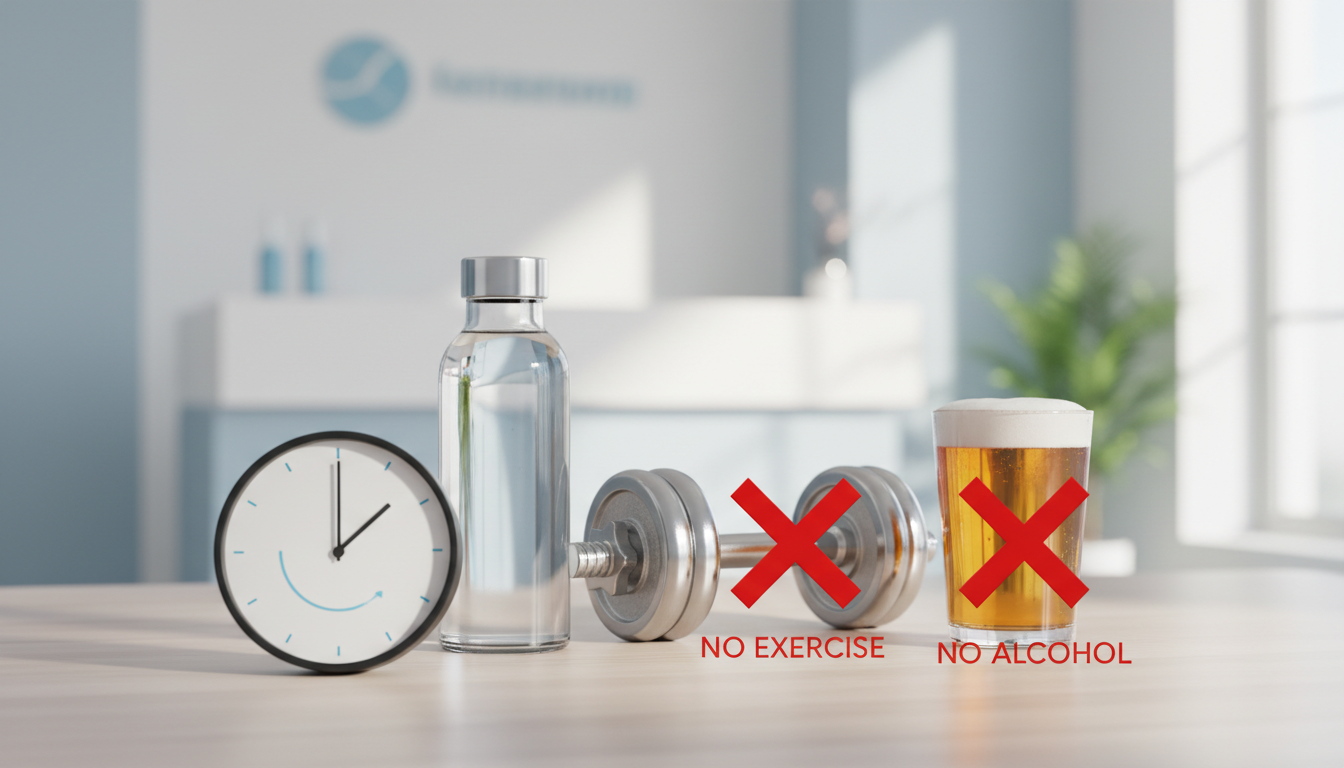
According to clinical guidelines, testosterone testing must be done in the morning, ideally between 7 AM and 11 AM (The TRT Catalog, 2026). This is when your levels are at their natural peak. An afternoon test can show levels that are 20% to 30% lower, potentially leading to a misdiagnosis or causing your doctor to miss a real issue (CompareMensCare, 2025).
Preparation also matters. For the most reliable results, you should:
- Fast for 8 to 12 hours beforehand (water is fine).
- Avoid intense exercise for 24 to 48 hours.
- Avoid drinking alcohol for at least 24 hours prior to the test.
Finally, one test is rarely enough for a diagnosis. The American Urological Association (AUA) and other medical bodies recommend confirming a low testosterone reading with a second test on a different day (AUA Guideline, 2018). Harvard Health notes that about 30% of men with an initial borderline-low result will test in the normal range on a follow-up test. This two-test approach ensures that a treatment decision isn't based on a single, potentially misleading data point. If you're struggling with symptoms of low testosterone, an accurate diagnosis is the first step toward feeling better.
Struggling with symptoms and not sure where to begin? Take our free quiz to get matched with a provider who can guide you through the testing and treatment process.
Step-by-Step Instructions on How to Get Testosterone Tested
Follow these steps to ensure you get a clear and accurate picture of your hormonal health.
Step 1: Identify and Document Your Symptoms
Before you even think about ordering a lab test, take stock of how you feel. Testosterone deficiency, or hypogonadism, is diagnosed based on a combination of low lab values and specific clinical symptoms. A number on a lab report means little without context. Are you experiencing any of the classic signs of low testosterone?
Common symptoms include:
- Persistent fatigue and low energy
- Reduced libido or sexual desire
- Erectile dysfunction
- Depressed mood or irritability
- Difficulty concentrating or "brain fog"
- Loss of muscle mass and strength
- Increased body fat, especially around the midsection
- Reduced motivation or drive
Write down the symptoms you're experiencing, how long you've had them, and how they impact your daily life. This isn't just for your own records. It's crucial information you'll share with the healthcare provider who interprets your results. As detailed in our guide on decreased testosterone symptoms, these issues can significantly impact your quality of life, making an accurate diagnosis essential.
Step 2: Choose Your Testing Method
In 2026, you have more options than ever for getting your bloodwork done. Each has its own benefits regarding cost, convenience, and process.
- Your Primary Care Physician (PCP): The traditional route involves visiting your doctor, discussing your symptoms, and getting a lab order. The main advantage here is that your insurance may cover the cost. But be aware, some PCPs may not be experts in hormone optimization and might only order a total testosterone test, which doesn't give the full picture.
- Direct-to-Consumer (DTC) Online Clinics: Companies like RxFox connect you with specialized online TRT clinics. These platforms make the process incredibly simple. After an online consultation, they send you for lab work at a local facility like Quest or LabCorp. The doctors are typically specialists in hormone therapy and will order a comprehensive panel. These are often the best testosterone therapy online options for convenience and expert care.
- At-Home Test Kits: For ultimate convenience, you can use an at-home testosterone testing kit. These kits, which cost between $49 and $99, involve a simple finger-prick blood sample you collect at home and mail to a lab. Research from CompareMensCare shows these tests use the same CLIA-certified labs as doctors' offices and have an accuracy concordance of over 95%, making them a reliable starting point.
Step 3: Schedule and Prepare for Your Test
Once you've chosen your method, it's time to get ready for the test itself. This step is non-negotiable for accurate results. Whether you’re going to a lab or doing a finger-prick test at home, you must do it in the morning between 7 AM and 11 AM.
The day before your test, be mindful of your activities. As recommended by The TRT Catalog, avoid any strenuous exercise and refrain from drinking alcohol for at least 24 hours. Both can temporarily affect your hormone levels and skew the results.
You also need to fast for 8 to 12 hours. This means consuming nothing but water. No coffee, no tea, no "small snack." Eating before your test can affect various markers in your blood, including those related to testosterone regulation. Schedule your appointment for first thing in the morning to make fasting easier. Just roll out of bed, get your test done, and then you can have breakfast.
Step 4: Ensure a Comprehensive Panel Is Ordered
Simply testing "testosterone" isn't enough. You need to see the full picture of your endocrine system to understand what's happening. A basic test for Total Testosterone alone can be misleading. According to CompareMensCare, between 20-30% of men with symptoms have normal Total T but low Free T, which is the active form of the hormone your body can actually use.
A proper, essential panel must include at a minimum:
- Total Testosterone: Measures all testosterone in your blood.
- Free Testosterone: Measures the unbound, biologically active testosterone.
- Sex Hormone-Binding Globulin (SHBG): The protein that binds to testosterone, making it inactive. High SHBG can lead to low Free T even if Total T is normal.
- Luteinizing Hormone (LH): A hormone from the pituitary gland that signals the testes on how do men produce testosterone. Low LH can indicate a secondary (brain-level) issue.
- Estradiol (sensitive assay): Measures estrogen. The balance between testosterone and estrogen is critical for men's health.
For a truly complete picture, an even more comprehensive panel is better. This adds markers like a Complete Blood Count (CBC), Comprehensive Metabolic Panel (CMP), a Lipid Panel, and PSA (for men over 40) to assess your overall health before considering any treatment.
Step 5: Get the Test Done
If you're going to a lab, the process is quick and easy. A phlebotomist will clean an area on your arm, usually the inside of your elbow, and use a small needle to draw a vial or two of blood. The whole procedure takes less than five minutes, as noted by the Cleveland Clinic. You might feel a slight pinch, but it's generally painless.
If you've opted for an at-home kit, the process is a bit different. You'll receive a kit with lancets, a collection card or a micro-vial, and a return mailer. You'll use a lancet to prick your fingertip and collect small drops of blood onto the designated spots on the card. Follow the kit's instructions carefully to ensure you provide an adequate sample. While the accuracy of the lab analysis is high, a poorly collected sample can lead to errors. Once done, you'll seal it in the provided envelope and mail it back.
Step 6: Interpret Your Results with a Professional
You'll typically receive your results in two to three business days. You'll see a series of numbers and "reference ranges." While a normal total testosterone range is generally considered 300 to 1,000 ng/dL, these numbers are meaningless without proper interpretation. The AUA Guideline states that a diagnosis of testosterone deficiency requires two separate morning tests showing levels below 300 ng/dL and the presence of symptoms.
Do not try to interpret your labs on your own. A number that is "in range" might not be optimal for you. A qualified provider will look at the relationship between your Total T, Free T, SHBG, and Estradiol. They will also consider your LH and FSH levels to determine if a low reading is due to a primary issue (testes) or a secondary issue (pituitary gland). Most importantly, they will discuss these results in the context of the symptoms you documented in Step 1.
Interpreting lab results can be tricky. Want guidance from a qualified provider? Take our free 3-minute quiz to get matched with a specialist who can help you understand your numbers and create a plan.
Common Mistakes to Avoid
Even with the best intentions, it's easy to make mistakes that can invalidate your test results. Here are the most common pitfalls to avoid:
- Testing in the Afternoon: This is the most frequent error. Testosterone levels naturally decline throughout the day. A 2 PM test could show a falsely low number, leading to an incorrect diagnosis. Always test between 7 AM and 11 AM.
- Only Ordering a Total Testosterone Test: Relying solely on your total testosterone level is like trying to understand a movie by watching only one scene. You need to know your Free Testosterone and SHBG levels to understand how much of that testosterone is actually available for your body to use.
- Making a Decision Based on One Test: A single low reading could be a fluke. Illness, stress, or poor sleep can all temporarily lower your testosterone. Clinical guidelines from the VA to the AUA require at least two separate low morning readings before confirming a diagnosis of hypogonadism.
- Forgetting to Fast: Having food in your system can affect various metabolic and hormonal markers, potentially interfering with your results. A clean, fasted test is the gold standard.
- Ignoring Lifestyle Factors: Overlooking the impact of alcohol or intense exercise before a test can lead to inaccurate readings. Give your body a 24-48 hour break from these activities before your blood draw.
When to Contact Your Doctor
Once you have your lab results, it's time to circle back with a healthcare professional. If your tests confirm low testosterone and you're experiencing symptoms, this is the point to discuss potential treatments like Testosterone Replacement Therapy (TRT). You can ask clarifying questions about the benefits and side effects of TRT and what to expect.
This is also the time to discuss logistics. You might ask about the difference between creams and injections, the optimal testosterone injections placement, or what a typical starting dose looks like. A common question is, "how much will 200 mg of testosterone raise your testosterone?" A knowledgeable doctor can explain that the response varies per individual and requires careful monitoring. You should also discuss the long-term commitment, including what's involved if you ever need to learn how to stop testosterone injections.
Conversely, if your levels are high, this also warrants a conversation. While less common, unusually high testosterone can sometimes indicate other medical conditions that need to be evaluated.
Ready to discuss your results and explore options? Take our free quiz to get matched with a TRT specialist who can answer your questions and help you decide on the right next steps.
How to Get Testosterone Tested: A Cost Breakdown
The cost of testing can vary significantly depending on the path you choose. Here's a look at what you can expect to pay in 2026.
- With Insurance: If you go through your PCP and your test is deemed medically necessary, your out-of-pocket cost could be as low as your copay, typically from $0 to $50. The challenge here is
how to get testosterone covered by insurance, as some carriers have strict criteria. - Direct from a Lab (Cash Price): If you pay out-of-pocket, you can order tests directly from labs like LabCorp or Quest. A basic testosterone test might cost $29 to $75, while a more comprehensive panel could run from $99 to $250 (The TRT Catalog, 2026).
- At-Home Kits: These kits typically cost between $49 and $99. This usually includes the collection kit, lab processing, and your results.
- Online TRT Clinics: Initial lab work through an online clinic often costs between $45 and $200. Some clinics bundle this into their overall monthly fee. For example, the
how much does testosterone therapy cost per monthcan be as low as $79/month with some providers, which includes consultations, medication, and follow-up testing. This addresses the question ofhow much is testosterone therapy costby providing an all-inclusive monthly structure.
How to Get Testosterone Tested: Comparing the Methods
Let's recap the three primary ways to get your testosterone checked, so you can decide which is best for you.
- Primary Care Physician (PCP):
- Pros: Likely covered by insurance. You have an existing relationship with the doctor.
- Cons: Doctor may not be a hormone specialist, may only order a basic panel, and may be hesitant to diagnose or treat borderline cases.
- Online TRT Clinic:
- Pros: High convenience, access to specialists, and comprehensive lab panels are standard. This is one of the easiest ways to access expert care from home.
- Cons: Usually not covered by insurance, so you'll pay a monthly cash price.
- At-Home Test Kit:
- Pros: Maximum convenience, affordable, and discreet. The testing labs are CLIA-certified and just as accurate as those used by doctors.
- Cons: You are responsible for collecting the sample correctly. You will still need a qualified provider to interpret the results and prescribe treatment if needed.
Ultimately, the best method depends on your priorities, whether they are cost, convenience, or access to specialized care. All three can lead you to an accurate result if you follow the proper preparation guidelines.
FAQs
How much does a testosterone test cost? The cost ranges from a $0-$50 copay with insurance to a cash price of about $49-$99 for an at-home kit or $75-$250 for a comprehensive panel ordered directly from a lab.
What is considered a low testosterone level? Clinically, a total testosterone level below 300 ng/dL on two separate morning blood tests, combined with corresponding symptoms, is the typical threshold for diagnosing testosterone deficiency (hypogonadism).
Can I test my testosterone levels at home? Yes. At-home testosterone tests are a convenient and reliable option. They use a simple finger-prick sample and are sent to the same CLIA-certified labs that doctors use, ensuring highly accurate results.
What's the best time of day to test testosterone? The best and only recommended time to test testosterone is in the morning between 7 AM and 11 AM. This is when your levels are at their natural daily peak, providing the most accurate measurement.
How can I boost my testosterone immediately? While there's no instant fix, you can support healthy testosterone levels by getting a full night of quality sleep, managing stress, and maintaining a balanced diet. Long-term strategies like resistance training are most effective. If your levels are clinically low, the most significant change will come from discussing options like TRT with your doctor.
Contributing to evidence-based peptide education and provider transparency.
Too many clinics, not enough clarity?
We don't sell peptides. Tell us your goals and we'll connect you with a vetted provider who can figure out what actually makes sense for you.
See what's right for youRelated articles
Which Protein Supplements for Muscle Growth Actually Work?
Tired of the hype? Find out which protein supplements for muscle growth are backed by science and learn how to pick the right one for your goals.
Hormone TherapyWhat Are the Real Magnesium Glycinate Benefits?
Uncover the science-backed magnesium glycinate benefits. We explore its effects on sleep, stress, and muscle function and explain why it's a top choice.
Hormone TherapyWhat B12 Shot Benefits Can You Actually Expect?
B12 shots are often hyped for energy, but the real b12 shot benefits are more specific. Learn who is a true candidate and what results to expect.