Finding the Correct KPV Peptide Dose for You
Finding the right KPV peptide dose can be confusing. We explain starting protocols, oral vs. injectable methods, and how to adjust for best results.
This content is for informational purposes only and does not constitute medical advice. Always consult with a qualified healthcare professional before starting any new treatment or supplement regimen.
An Introduction to KPV: The Anti-Inflammatory Peptide
In the world of peptide research, few compounds generate as much focused interest as KPV. This small tripeptide, a fragment of a larger hormone called alpha-MSH, is known for its potent anti-inflammatory properties without causing the skin-darkening effects of its parent molecule. Researchers are particularly interested in its potential for managing inflammation in the gut and on the skin. This has made the topic of the proper kpv peptide dose a frequent point of discussion among those exploring advanced peptide protocols.
While it's often compared to more famous peptides like BPC-157, KPV has a unique mechanism of action that makes it a specific tool in the research community. However, it is crucial to understand that KPV is not an FDA-approved drug. As of 2026, there are no completed human clinical trials to verify its safety or effectiveness. All available information comes from preclinical studies (in labs and animals) and anecdotal reports from users. This guide will break down what the research says about the KPV peptide dose, its administration, and its complex regulatory status to give you a clear picture of this compound.
Understanding the Correct KPV Peptide Dose and Administration
Determining a KPV peptide dose is complex because all protocols are based on extrapolations from animal studies and user observations, not established human trials. However, a general consensus has emerged within research communities.
According to sources like PeptidesExplorer and PeptideDosingProtocols.com, the typical KPV peptide dose ranges from 200 to 500 micrograms (mcg) per day. Some anecdotal reports mention doses as high as 1,000 mcg or even 1,500 mcg, particularly for oral use, but the 200-500 mcg range is the most commonly cited starting point.
The best way to administer KPV depends entirely on the intended target of its anti-inflammatory action.
Oral KPV for Gut Health For issues related to gut inflammation, such as that seen in models of Inflammatory Bowel Disease (IBD), oral administration is the preferred method. This is because KPV is absorbed by a specific cellular transporter called PepT1, which is found in the intestines. When the gut is inflamed, the body upregulates these PepT1 transporters, meaning more KPV is drawn directly into the inflamed tissue where it's needed most.
- Dose: 200-500 mcg, taken once or twice daily.
- Timing: It should be taken on an empty stomach to maximize absorption.
- Research Basis: One preclinical study cited by PeptidesExplorer found that KPV administered in drinking water to mice with chemically-induced colitis reduced the severity of the condition by about 50%.
Injectable KPV for Systemic Inflammation When the goal is to address inflammation throughout the body rather than just in the gut, subcutaneous (SubQ) injection is the more common route. This allows the peptide to enter the bloodstream and circulate systemically. An example protocol from KPV Dosing Protocol - Injectable & Oral Schedule, Anti-Inflammatory Mechanism & Research Guide (2026) outlines a gradual approach:
- Initiation Phase: 200 mcg per day for one to two weeks.
- Titration Phase: If needed, increase to 300-400 mcg per day for three to four weeks.
- Maintenance Phase: Settle at a maintenance dose of 400-500 mcg per day for five to twelve weeks.
Other Routes Less common but still noted in research circles are topical and nasal applications. Topical creams containing KPV are explored for localized skin inflammation, while nasal sprays are theorized for respiratory or sinus inflammation.
Protocols typically run for a cycle of four to eight weeks, followed by a break of two to four weeks to assess effects and prevent tolerance.
Feeling overwhelmed by the options? If you're exploring peptide therapy, getting expert guidance is key. Take our free quiz to find a qualified provider who can discuss your specific goals.
The Science and Shifting Regulatory Status of KPV in 2026
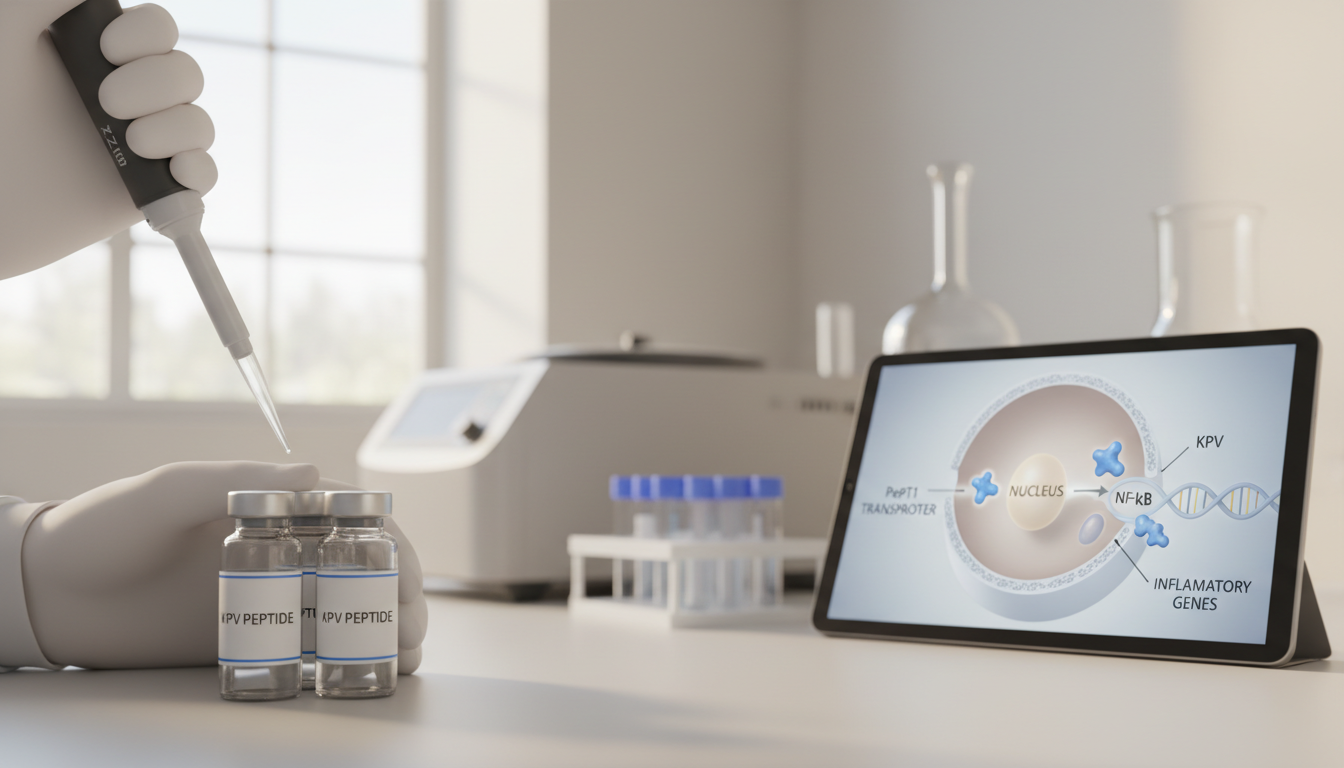
The scientific excitement around KPV comes from its elegant and targeted mechanism. Unlike some anti-inflammatory agents that have widespread effects, KPV works with precision. As noted by PeptideFox, when KPV reaches a target cell, it enters via the PepT1 transporter. It then travels to the cell's nucleus and interferes with a key inflammatory switch called NF-kB. By blocking NF-kB, KPV prevents the cell from producing a cascade of inflammatory signals.
This targeted action is especially relevant in the gut, where inflamed tissues have more PepT1 transporters, effectively pulling the peptide right where it is needed most.
Despite two decades of this promising preclinical research, KPV's journey has been complicated by regulatory hurdles.
- In 2023 and 2024, the FDA placed KPV on its Category 2 list of substances for compounding pharmacies, labeling it a "Substance with Safety Concerns" and effectively prohibiting pharmacies from compounding it. This decision, cited by multiple sources including Peptide Injections AI and Peptidings, was based on the complete lack of human clinical trial data.
- A Major 2026 Update: However, the situation appears to be evolving. A 2026 report from PeptideVerdict states that KPV has been reclassified to Category 1. This change would once again allow it to be legally prepared by FDA-registered compounding pharmacies for patients who have a prescription from a licensed doctor.
This shift is significant, as it moves KPV out of the "research chemical only" gray market and into a space where it can be obtained through legitimate medical channels. Still, it is vital to manage expectations. The most impressive research results, such as those using special hyaluronic acid nanoparticles or novel prodrugs, involved delivery systems that are not commercially available. The raw KPV powder available from suppliers does not replicate these advanced formulations, and its effectiveness in humans remains unproven.
KPV vs. Other Peptides: Finding its Place in Research
Understanding where KPV fits requires comparing it to other well-known peptides. It is a specialized tool, not a one-size-fits-all solution.
KPV vs. BPC-157 This is the most common comparison. Both are celebrated for their healing and anti-inflammatory properties.
- BPC-157: Often considered a systemic healing agent, BPC-157 is researched for everything from gut health to tendon and ligament repair. It is known for its broad, body-wide effects.
- KPV: KPV is much more of a specialist. Its primary function is potent, localized anti-inflammation, particularly in the gut and skin, due to its NF-kB blocking mechanism. You can read more about how BPC-157 stacks up against other repair peptides in our BPC-157 vs. TB-500 guide.
KPV vs. Growth Hormone Peptides (GHRPs) It's important not to confuse KPV with peptides designed to increase growth hormone.
- GHRPs: This class includes peptides like Ipamorelin, GHRP-2, and GHRP-6. They work by signaling the pituitary gland to release more growth hormone. The primary ghrp peptide benefits are related to muscle growth, fat loss, improved recovery, and anti-aging effects. They are often combined with a GHRH like CJC-1295. Many people discuss protocols on forums, leading to searches like "cjc-1295 peptide reddit," but this information is purely anecdotal. You can learn more in our guide to CJC-1295/Ipamorelin.
- KPV: KPV has no effect on the growth hormone axis. Its sole focus is modulating inflammation.
KPV vs. Other Gut-Focused Peptides Other peptides are also being researched for gut health, which helps put KPV in context.
- Larazotide Acetate: This peptide is in late-stage clinical trials for celiac disease. It works differently from KPV by tightening the junctions between intestinal cells to prevent gluten fragments from triggering an immune reaction. The search term "larazotide peptide buy usa" highlights the interest in sourcing these compounds, which, like KPV for many years, are often only available for research.
- LL-37: LL-37 is an antimicrobial peptide with some anti-inflammatory properties. While KPV also shows some antimicrobial activity, LL-37's primary function is directly fighting pathogens. The desire to "ll 37 peptide buy online" shows a similar trend of researchers seeking specific, targeted molecules.
It's clear that the peptide world is complex, with each compound offering different potential benefits. Want to see which options might align with your health goals and budget? Our free 3-minute quiz matches you with vetted providers who can offer professional guidance.
What to Consider Before Exploring KPV
Before anyone considers using a research peptide like KPV, several critical factors must be taken into account. The KPV peptide dose is just one piece of a much larger puzzle.
Source, Legality, and Cost The most important consideration is where you get it. With KPV's reported reclassification to Category 1, the safest and only legal route for human use is through a prescription from a doctor, filled by a licensed compounding pharmacy. This ensures you are getting a product that is tested for purity and potency.
This stands in stark contrast to the unregulated "research chemical" market. While you can find vendors online, the risks are high.
- Purity: Products may be contaminated or contain less active ingredient than advertised.
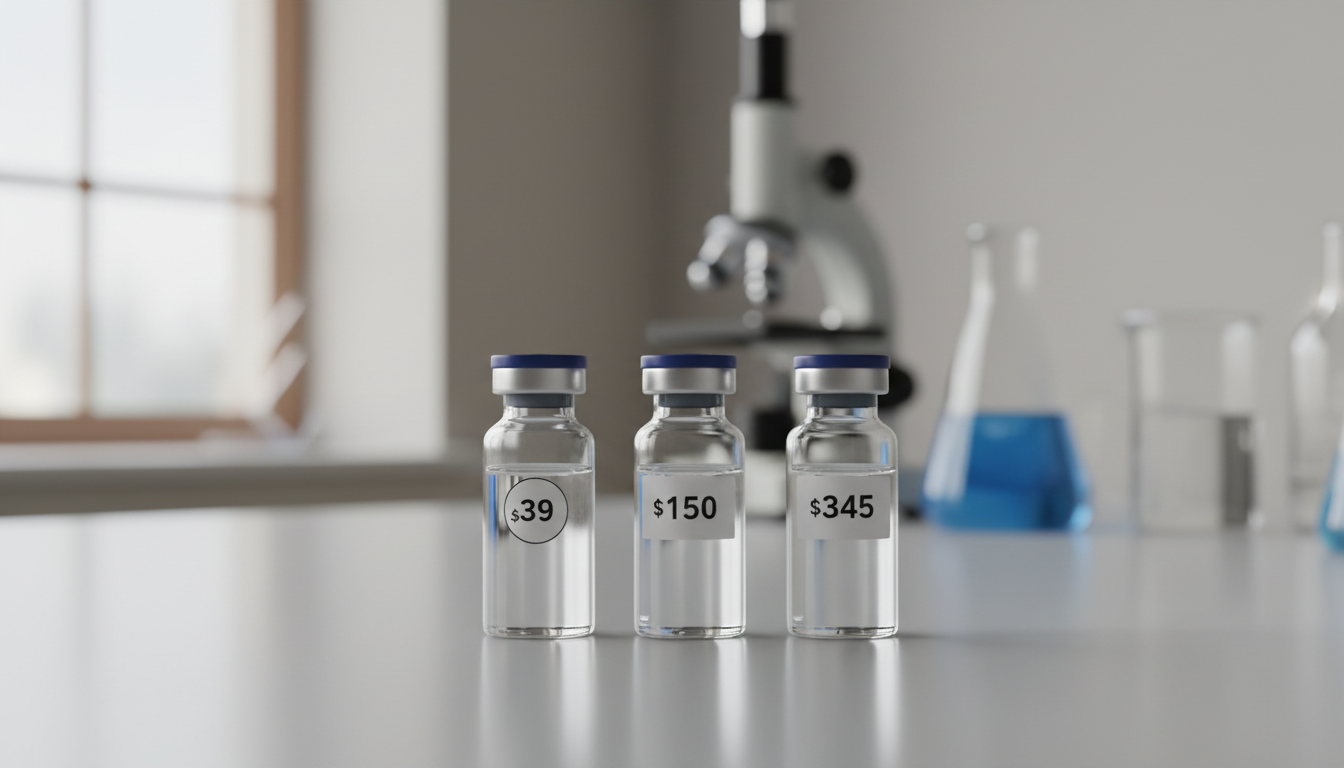
- Price: The cost varies dramatically. PeptideVerdict found that a 10mg vial of KPV could cost anywhere from $39.99 to $345.00. This huge range often reflects marketing, not quality. Our guide on peptide prices explores this in more detail.
- Legality: Buying these substances for personal use exists in a legal gray area and is not supported by regulatory bodies.
Finding a legitimate peptide clinic is the first and most important step.
The Glaring Lack of Human Data We must repeat this point: there are zero completed human clinical trials for KPV. We do not have official data on its long-term safety, side effects, or true effectiveness in people. All use is, by definition, experimental. Any benefits or side effects are based on animal models and personal stories.
The Absolute Need for Professional Guidance Given the lack of data and the complexities of dosing and administration, attempting to use KPV without professional guidance is incredibly risky. A knowledgeable peptide doctor can help you understand the research, discuss potential risks, and determine if any established and approved therapies could meet your needs first. Peptides are powerful tools, and their use requires expertise.
Peptides like KPV are fascinating molecules. To understand where they fit in the broader picture, from therapeutics like GLP-1s to research compounds, check out our pillar post: Is GLP-1 a Peptide? Yes, But It's Not That Simple.
Ready to take the next step in your health optimization? Take our free quiz to connect with a clinic specializing in hormone and peptide therapy.
FAQs about KPV Peptide Dose and Use
What is the standard KPV peptide dose? The commonly reported KPV peptide dose is 200 to 500 mcg per day. It can be administered orally for gut issues or via subcutaneous injection for systemic effects. This dosage is based on preclinical data and anecdotal reports, not official human clinical trials.
Is KPV illegal in 2026? No. After a period of being on the FDA's "do not compound" list (Category 2), KPV has reportedly been reclassified to Category 1 as of 2026. This allows it to be legally prescribed by a doctor and prepared by a registered compounding pharmacy for patient-specific use.
How long does it take for KPV to work? There is no clinical data to provide a definitive timeline. Anecdotal reports from users suggest that some people notice a reduction in inflammation within a few days to a few weeks. Research protocols often last four to eight weeks to properly assess effects.
What is KPV used for? In preclinical lab and animal studies, KPV is researched for its powerful anti-inflammatory effects. It is most studied for conditions involving inflammation of the gut, like IBD, and the skin, like psoriasis or rosacea. It currently has no FDA-approved uses in humans.
Can you take KPV and BPC-157 together? Some users in online forums anecdotally report stacking KPV and BPC-157 for a combined anti-inflammatory and healing protocol. However, there are no scientific studies on the safety or efficacy of this combination. Any such protocol should only be considered under the direct supervision of a qualified healthcare provider.
Contributing to evidence-based peptide education and provider transparency.
Too many clinics, not enough clarity?
We don't sell peptides. Tell us your goals and we'll connect you with a vetted provider who can figure out what actually makes sense for you.
See what's right for youRelated articles
How Protein and Muscle Growth Actually Work
It's not just about eating more. Understand the real science of protein and muscle growth to learn how much you need and the best timing to see results.
Peptide ScienceWhat are the best peptides for muscle growth and fat loss?
Exploring peptides for muscle growth and fat loss? Discover the most effective options for body recomposition, how they actually work, and what to expect.
Peptide ScienceThe Key L-Lysine Benefits for Skin, Immunity & Stress
Discover the science-backed l-lysine benefits. Our guide covers how this essential amino acid may boost collagen, fight viruses, and aid calcium absorption.