Is GLP-1 a Peptide? Yes, But It's Not That Simple
The answer to 'is GLP-1 a peptide' isn't a simple yes or no. We explore the science and what separates natural GLP-1 from drugs like Ozempic.
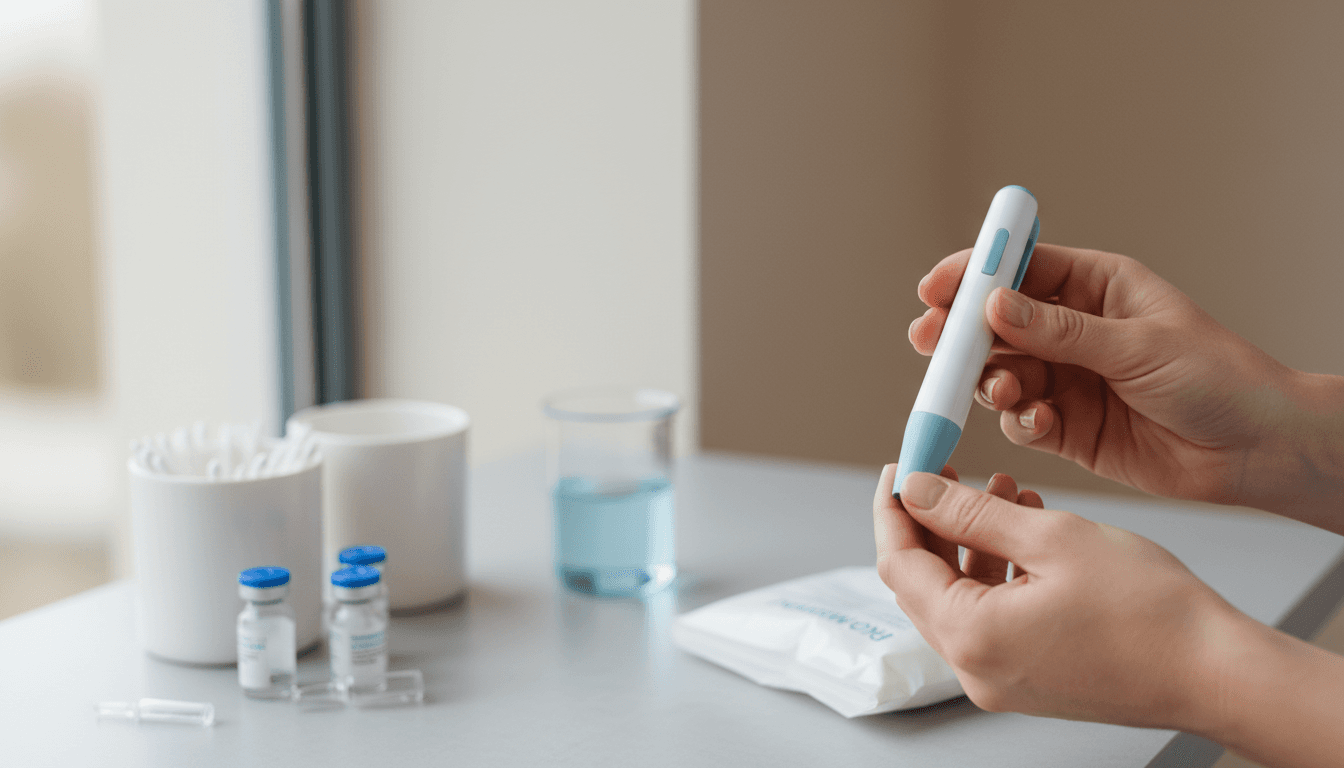
This content is for informational purposes only and does not constitute medical advice. Consult with a qualified healthcare professional before making any decisions about your health or treatment.
When you hear about powerful weight loss drugs like Ozempic or Wegovy, the conversation often involves two terms: GLP-1 and peptides. This leads to a popular and important question: is GLP-1 a peptide?
For years, the answer was a simple "yes." The most well-known GLP-1 medications are, by their chemical nature, peptides. But in 2026, the landscape has changed. With new FDA approvals this year, the answer is now more complex. While many top GLP-1 therapies are peptides, a new class of non-peptide drugs is offering a different approach to achieving the same goals.
This guide will break down what that means for you. We’ll explore what peptides are, how GLP-1 drugs work, the benefits and risks, and the major differences between the established peptide injections and the new oral pills shaking up the industry.
What is a Peptide?
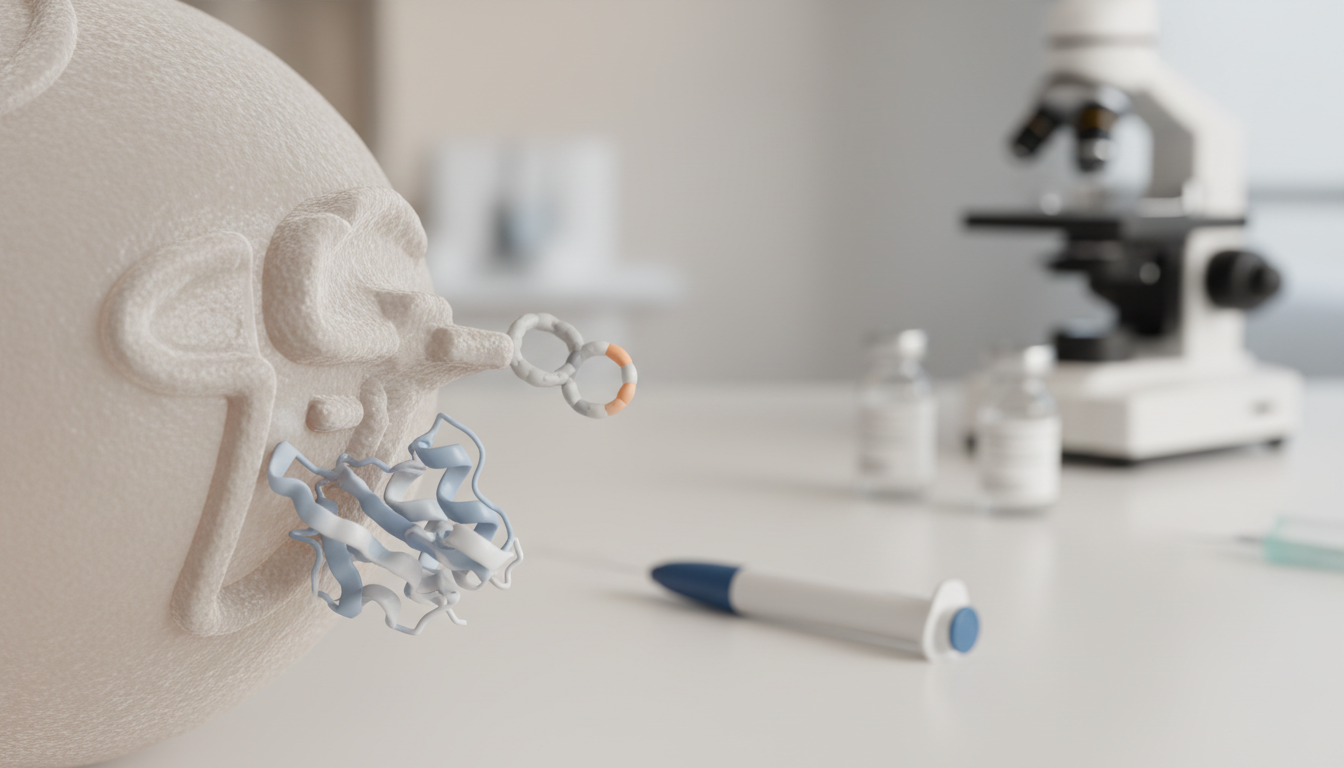
A peptide is a short chain of amino acids linked together. Think of them as small, simple proteins. While proteins can be made of hundreds or thousands of amino acids, peptides are much shorter, typically containing 50 or fewer. This smaller size allows them to act as powerful signaling molecules in your body, telling cells and systems what to do.
Because of their role as messengers, peptides are involved in nearly every biological process. They can influence hormone production, immune responses, inflammation, cell repair, and metabolism. This makes them a fascinating area of medical research and therapy. Many people now use specific peptide shots to target goals like injury recovery, anti-aging, or weight management. The general question of "peptide what is it used for" covers a huge range of functions, from skin health with GHK-Cu to tissue repair with BPC-157. This diversity is why peptide therapy has become a major field in health and wellness.
So, where do GLP-1 drugs fit in? The natural hormone in your body that these drugs mimic, glucagon-like peptide-1, is a peptide. Consequently, the first and most common medications designed to copy its effects, like semaglutide and tirzepatide, were also designed as peptides.
Is GLP-1 a Peptide? A Closer Look at How It Works
To fully answer if GLP-1 is a peptide, we need to look at how these drugs work and the different ways they are made. All GLP-1 receptor agonists have the same goal: to activate the GLP-1 receptor in your body. But how they achieve this is where the peptide versus non-peptide distinction becomes critical.
The GLP-1 hormone is naturally released by your gut after you eat. It signals your pancreas to release insulin, blocks the hormone that raises blood sugar (glucagon), slows down how quickly your stomach empties, and communicates with your brain to reduce your appetite. This coordinated response helps control blood sugar and makes you feel full.
Peptide-based GLP-1 drugs like semaglutide (Ozempic, Wegovy) and tirzepatide (Mounjaro, Zepbound) are synthetic versions of this natural hormone. They are made from amino acids and designed to be structurally similar to the GLP-1 peptide. This structural similarity is why they can bind to and activate the GLP-1 receptor so effectively. However, because they are peptides, they are fragile. If you were to take them as a standard pill, your stomach acid would break them down before they could be absorbed. This is why most of these medications are injectable.
This is where the big shift of 2026 comes in. Researchers developed a new class of GLP-1 drugs that are not peptides. These are called "small-molecule" drugs. The most prominent example is orforglipron, which was approved by the FDA in April 2026 under the brand name Foundayo.
According to a March 2026 update from the International Association for Physicians in Aesthetic Medicine (IAPAM), Foundayo is a non-peptide oral GLP-1, distinguishing it from other options. Because it is not made of amino acids, it's not vulnerable to stomach acid. This allows it to be formulated as a simple once-daily pill that can be taken with or without food. According to research published by PeptideJournal, this small-molecule design gives it key advantages in stability and ease of use over all other marketed GLP-1 drugs.
Wondering if a peptide-based injection or a newer oral option is a better fit for you? Our 3-minute quiz can help you find a provider to discuss your options. Take the free RxFox quiz to get matched with a provider today.
Benefits of GLP-1 Therapies (Both Peptide and Non-Peptide)
Whether a GLP-1 drug is a peptide or a small molecule, it delivers powerful benefits by targeting the same biological pathway. The clinical evidence for their effectiveness is strong across the board.
Significant Weight Management
The most well-known benefit of GLP-1 therapies is substantial weight loss. By suppressing appetite and slowing digestion, these drugs help people consume fewer calories and feel full longer.
- Peptide-based drugs like semaglutide and tirzepatide have set a high bar. Real-world data published in a study on PMC confirms that once-weekly GLP-1 peptides are far superior for weight reduction compared to older diabetes medications.
- Non-peptide drugs are showing equally impressive results. In the ATTAIN-1 trial for Foundayo (orforglipron), patients achieved a mean weight loss of 12.4% at 72 weeks, with some Phase 2 data from GLPbase showing up to 14.7% loss at 36 weeks. You can learn more about how these drugs work for weight management in our guide to GLP-1 for weight loss.
Improved Glycemic Control
Originally developed for type 2 diabetes, GLP-1 agonists are excellent at managing blood sugar levels.
- The PMC study also highlighted that patients on semaglutide were over 4.6 times more likely to reach their target HbA1c levels (under 7.0%) than those on other medications.
- Foundayo has also proven highly effective. The ACHIEVE-3 trial showed it led to a superior HbA1c reduction of -2.2% compared to -1.4% for oral semaglutide. This demonstrates that the non-peptide structure can deliver top-tier glycemic control.
Cardiovascular Health
Beyond weight and blood sugar, many GLP-1 drugs have been shown to protect the heart. Several large-scale studies have demonstrated that these medications can reduce the risk of major adverse cardiovascular events like heart attack and stroke in patients with type 2 diabetes. This benefit is a key reason they are prescribed to a broad range of patients.
Convenience and Accessibility
This is where the new non-peptide options truly stand out. While peptide injections are highly effective, the need for shots can be a barrier for some.
- As noted by Medpath, oral drugs like orforglipron are synthetic, making them easier and cheaper to produce than complex peptides. This could help address the supply shortages that have plagued popular injectable GLP-1s.
- The once-daily pill format with no food or water restrictions, as reported by IAPAM, offers a level of convenience that was previously unavailable in this class of medication. This greater accessibility may allow more people to benefit from GLP-1 therapy.
Risks and Side Effects of GLP-1 Receptor Agonists
Activating the GLP-1 receptor has powerful effects, and with those come potential side effects. These risks are generally similar for both peptide and non-peptide versions because they stem from the drug's mechanism of action, not its chemical structure.
The most common side effects are gastrointestinal and include:
- Nausea
- Vomiting
- Diarrhea
- Constipation
- Abdominal pain
- Decreased appetite
These side effects are typically most pronounced when starting the medication or increasing the dose. They often lessen over time as the body adapts. For strategies on managing these issues, you can read our posts on foods to avoid on semaglutide and how to handle Ozempic constipation.
More serious, though less common, risks are associated with GLP-1 drugs. These include pancreatitis (inflammation of the pancreas), gallbladder problems (including gallstones), and kidney issues. There is also a boxed warning on these medications regarding a potential risk of thyroid C-cell tumors, based on studies in rodents. It is not known if this risk applies to humans.
Due to these potential side effects, it is essential to be under the care of a healthcare professional while taking any GLP-1 medication. They can help you manage side effects, monitor for serious complications, and ensure the treatment is safe and appropriate for you.
How GLP-1 Therapies Are Administered
The difference between peptide and non-peptide GLP-1s is most obvious when you look at how they are administered. This choice can significantly impact a person's lifestyle and preference for treatment.
Peptide-Based GLP-1 Injections
The vast majority of GLP-1 therapies are administered via subcutaneous injection. These peptide shots are typically injected into the fatty tissue of the abdomen, thigh, or upper arm. Because they are peptides that would be destroyed by digestion, injection is the most reliable way to get the medication into the bloodstream.
- Weekly Injections: Semaglutide (Ozempic, Wegovy) and tirzepatide (Mounjaro, Zepbound) are injected once a week.
- Daily Injections: Liraglutide (Victoza, Saxenda) is injected once a day.
Learning how to inject semaglutide is a straightforward process, but it remains a significant consideration for anyone needle-averse.
Oral Peptide GLP-1s
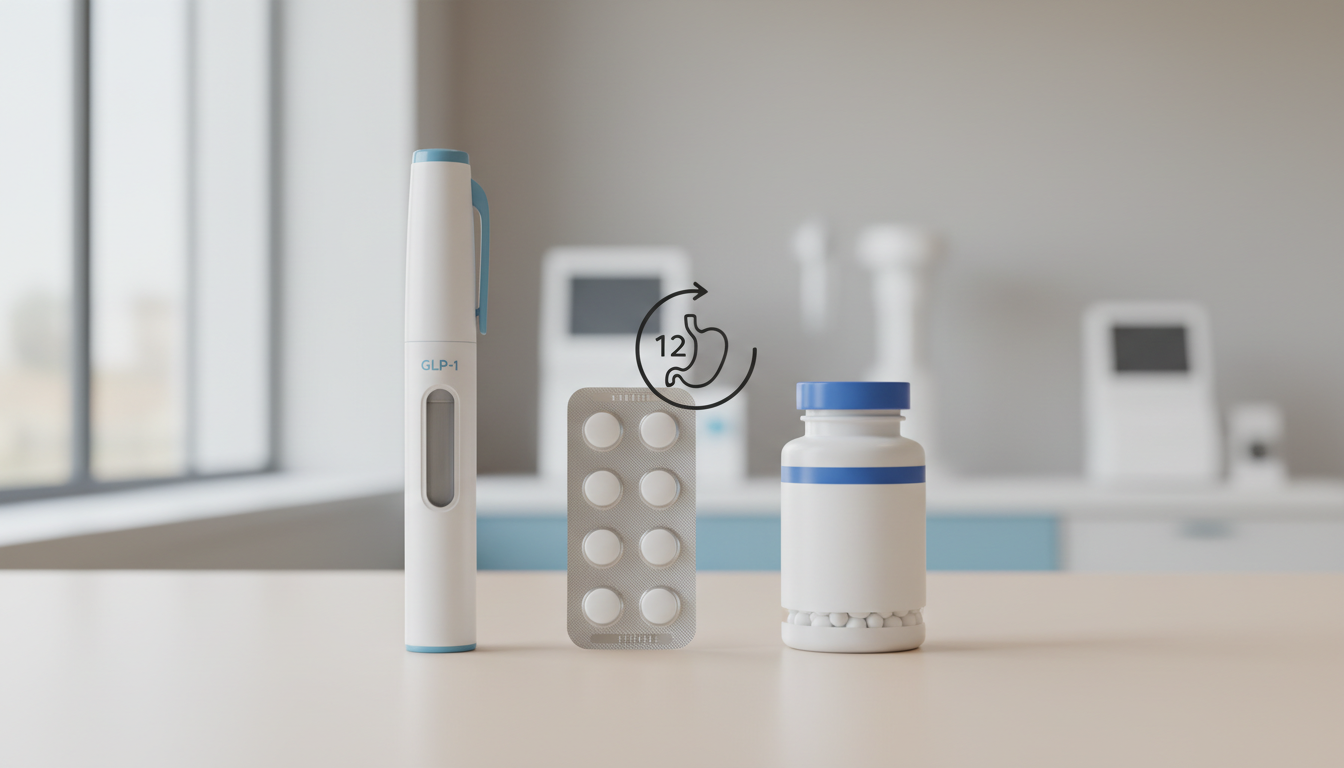
An oral peptide option does exist. Rybelsus contains semaglutide in a pill form. However, its peptide nature still presents challenges. To protect the semaglutide from stomach acid, it must be taken on an empty stomach with no more than four ounces of water. You must then wait at least 30 minutes before eating, drinking, or taking any other medications. These strict rules can make it difficult to incorporate into a daily routine.
Non-Peptide Oral GLP-1s
This is the breakthrough category for 2026. Foundayo (orforglipron) is the first FDA-approved non-peptide, small-molecule GLP-1 that can be taken as a simple once-daily pill. Its key advantage, as highlighted in multiple reports from GLPbase and Remy, is the lack of dosing restrictions. It can be taken at any time of day, with or without food or water, offering unparalleled convenience in the GLP-1 space.
Finding the right administration method can be a key part of your treatment plan. To connect with a provider who can discuss injections, oral pills, and other options, take our free quiz. Find a vetted telehealth provider specializing in GLP-1s and peptide therapy today.
Is GLP-1 a Peptide? Regulation, Legality, and FDA Approval
The regulatory status of GLP-1 drugs is directly tied to their development and chemical classification. Understanding this helps clarify the landscape for patients.
As a rule, brand-name medications sold in major pharmacies are FDA-approved. This includes all the well-known peptide-based GLP-1s:
- Ozempic, Wegovy, and Rybelsus (semaglutide)
- Mounjaro and Zepbound (tirzepatide)
- Victoza and Saxenda (liraglutide)
The big news for 2026 is the FDA's approval of the first non-peptide oral GLP-1. According to Remy, Foundayo (orforglipron) received FDA approval on April 1, 2026. This landmark decision officially ushers in the era of small-molecule GLP-1s for weight management, providing a new, highly anticipated option for patients. This approval confirms that while the GLP-1 class started with peptides, it has now officially expanded.
Beyond FDA-approved brand names, there is also the world of compounding pharmacies. These pharmacies can create custom formulations of drugs, including peptides like semaglutide. It's important to understand that compounded semaglutide is not FDA-approved. It is prescribed by licensed doctors in situations where a commercial drug is in shortage or if a specific formulation is needed. Patients considering this route should work with a reputable provider and pharmacy. You can learn more in our guide on finding a legitimate peptide clinic.
Exploring Other Peptides Beyond GLP-1
The GLP-1 family is just one corner of the vast world of peptide therapy. Researchers are exploring hundreds of other peptides for a wide array of health, wellness, and anti-aging benefits. Answering "is GLP-1 a peptide" opens the door to understanding these other powerful compounds.
Here’s a brief look at some other popular peptides:
- BPC-157 and TB-500: If you ask, "which peptide is best for inflammation," these two are always at the top of the list. BPC-157 is known as a "body protection compound" for its ability to accelerate healing in muscles, tendons, and the gut. TB-500 also promotes recovery and reduces inflammation.
- GHK-Cu: When wondering "what is peptide ghk cu," it's a copper peptide renowned for its skin-rejuvenating properties. It promotes collagen production, reduces fine lines, and can even support hair growth. Many users ask, "is ghk-cu peptide safe," and it is generally considered very safe for topical use, while injections require medical supervision.
- CJC-1295 and Ipamorelin: A user asking "is ipamorelin a peptide" would learn that yes, it is. It's a growth hormone secretagogue, meaning it stimulates your pituitary gland to release more of its own growth hormone. It's often combined with CJC-1295 for a synergistic effect that can improve body composition, sleep quality, and recovery.
- Melanotan II: For those wondering "what is mt 2 peptide," it is a synthetic peptide that stimulates melanin production, leading to a skin tan without extensive UV exposure. It's also noted for its effects on libido.
- Vilon and Glutathione: Other key peptides include Vilon ("what is vilon peptide"), which is studied for immune support and anti-aging, and Glutathione ("what is glutathione peptide used for"), the body’s master antioxidant that helps fight oxidative stress.
This is just a small sample. From cognitive enhancers like PE-22-28 to other healing agents, the applications for peptides are constantly expanding. For a comprehensive overview, see our complete guide to what peptides are.
Ready to explore your options for peptide therapy or GLP-1 treatment? Take our free 3-minute quiz to get matched with a licensed provider who can create a plan for your specific health goals.
FAQs
So, is GLP-1 a peptide in 2026?
Mostly, yes. The natural hormone and the most widely used medications like semaglutide and tirzepatide are peptides. However, in 2026, the FDA approved Foundayo (orforglipron), the first non-peptide, small-molecule GLP-1 drug for weight loss. So, both peptide and non-peptide GLP-1 therapies are now available.
What's the main difference between a peptide and a non-peptide GLP-1 drug?
The primary difference is their chemical structure. Peptide GLP-1s are made of amino acids and mimic the natural hormone's structure, which usually requires them to be injected. Non-peptide GLP-1s are synthetic small molecules that are not made of amino acids. This makes them durable enough to be taken as a simple oral pill without food restrictions.
Are peptide therapies legal and safe?
Many peptides are legal to use with a prescription from a licensed healthcare provider. Some, like semaglutide and tirzepatide, are components of FDA-approved medications. Others, like BPC-157, are used for therapeutic purposes but are not FDA-approved drugs. Safety depends on the specific peptide, the dose, and medical supervision. Always consult with a qualified doctor to ensure safety and legality.
What is the cost of GLP-1 therapy?
Costs vary widely. For the new non-peptide drug Foundayo, pricing is estimated to be around $25 per month with insurance and $149–$349 per month for self-pay patients. Injectable peptide-based drugs like Wegovy or Zepbound can cost over $1,000 per month without insurance. For a better idea of what you might pay, check out our GLP-1 cost calculator.
How do I know which GLP-1 or peptide is right for me?
The only way to know for sure is to consult with a healthcare professional. They can evaluate your health history, goals, and lifestyle to recommend the most appropriate and effective treatment, whether it's an injectable peptide, an oral non-peptide, or another form of therapy.
Contributing to evidence-based peptide education and provider transparency.
Too many clinics, not enough clarity?
We don't sell peptides. Tell us your goals and we'll connect you with a vetted provider who can figure out what actually makes sense for you.
See what's right for youRelated articles
A Step-by-Step Gelatin Recipe for Weight Loss
Seen the viral "pink trick"? We break down the simple gelatin recipe for weight loss. Learn our step-by-step method to help manage hunger and feel full.
GLP-1 Weight LossOzempic Cost in 2026: What You'll Actually Pay
The 2026 Ozempic cost can be anywhere from $25 to over $1,400 a month. Discover why and learn how to find savings with or without insurance coverage.
GLP-1 Weight LossHow Zep Weight Loss Works and What to Expect
Thinking about zep weight loss? We cover how this drug works, what realistic results look like, common side effects, and how it compares to Ozempic.