What Are the Long Term Effects of Testosterone Injections?
Thinking about the future on TRT? Explore our timeline of the long term effects of testosterone injections to understand what to expect at 1, 5, and 10 years.

This content is for informational purposes only and does not constitute medical advice. Always consult with a qualified healthcare professional before starting any new treatment.
When you're considering testosterone replacement therapy (TRT), one of the biggest questions is what to expect over time. You want to know about the immediate benefits, but you're also thinking about the future. Understanding the long term effects of testosterone injections is essential for making an informed decision with your healthcare provider. This timeline breaks down what you can anticipate from your first week to your first year and beyond, based on clinical data and real-world patient experiences in 2026.
Thinking about TRT but not sure where to begin? You're not alone. Figuring out the right path can be confusing. Take our free quiz to get matched with a vetted provider who can answer your questions and create a plan for you.
Quick Results: A TRT Timeline
Starting testosterone therapy isn't like flipping a switch. The changes happen gradually. Here’s a quick overview of what many men experience. Keep in mind that your personal timeline will vary based on your health, dosage, and lifestyle.
| Timeline | Expected Changes & Effects |
|---|---|
| Week 1-4 | Initial improvements in mood, mental clarity, and libido. Some men report better energy levels. |
| Month 1-3 | Noticeable increase in sex drive. Body composition starts to change, with decreased fat mass and early gains in muscle. |
| Month 3-6 | Significant improvements in muscle strength and size. Continued fat loss. Bone density begins to improve. Peak effects on libido and erectile function are often felt. |
| Month 6-12 | Full effects on body composition are usually realized. Continued improvements in bone mineral density. Focus shifts to maintaining levels and managing side effects. |
| Year 1+ | Benefits are maintained with consistent treatment and monitoring. Focus is on long-term health, including managing blood pressure and red blood cell counts. |

The First Few Weeks (Week 1-4)
The first month of testosterone injections is often about subtle, internal shifts. While you won't look dramatically different in the mirror, you’ll likely start to feel different.
Many men report the first positive change is in their head. A "brain fog" they didn't even realize they had begins to lift. You might feel more focused, motivated, and generally have a more positive outlook. This is testosterone beginning to work on neural pathways in your brain.
Libido is often the next thing to get a boost. A renewed interest in sex is a classic sign that your levels are rising. This can happen within the first couple of weeks. For some, it’s a gradual return of desire, while for others, it's a more noticeable jump.
You may also feel an increase in your overall energy. That afternoon slump might become less severe, or you might just feel more capable of tackling your day. Don't expect to suddenly have the energy of a teenager, but a steady improvement is common.
On the physical side, don't expect major changes yet. You might experience some minor fluid retention as your body adjusts, but this is usually temporary. The most common side effect you might notice is soreness or a small lump at the injection site. This is normal and typically gets better as you get used to the process.
The First Few Months (Month 1-3)
By the end of the first month and into the third, the effects of TRT become more tangible. This is when you start to see the changes you’ve been hoping for.
Your libido and sexual function should continue to improve. The mental benefits like improved mood and focus usually become more stable and consistent during this period.
The most exciting changes for many men happen in body composition. You may notice that you're losing fat, especially around your midsection, while your muscles feel fuller and stronger. Workouts might feel more productive, and recovery could be a bit quicker. Studies on TRT consistently show a decrease in fat mass and an increase in lean body mass, and this is the period when those results start to become visible.
This is also a critical time to be in communication with your provider. You will likely have your first follow-up blood work done around the three-month mark. This allows your doctor to see how your body is responding to the initial TRT dosage and make any necessary adjustments to optimize your levels and manage potential side effects.
Mid-Term Progress (Month 3-6)
From three to six months, you are typically in the sweet spot of TRT. The benefits you’ve been experiencing will continue to build and solidify.
Physical changes are usually most pronounced during this phase. If you are combining TRT with a solid diet and exercise plan, you will see significant improvements in muscle mass and strength. Fat loss continues, leading to a more defined and leaner physique. This isn't just about looking better; it's about your body functioning more efficiently.
Another important, though invisible, benefit is the effect on your bones. Testosterone plays a key role in bone mineral density. While this process is slow, studies show measurable improvements beginning around the six-month mark and continuing for as long as you are on therapy. This can be crucial for long-term health, reducing the risk of osteoporosis and fractures later in life.
By now, you should be well-adjusted to your protocol. You’ve established a routine for your injections, and you're familiar with how you feel on TRT. This is a good time to check in on your overall health and ensure you're supporting your therapy with a healthy lifestyle.
Long-Term Results and the Long Term Effects of Testosterone Injections (6+ Months)
After six months, you've likely experienced most of the primary benefits of testosterone therapy. The focus now shifts from seeing new changes to maintaining your progress and managing your health for the long haul. For men with diagnosed hypogonadism, TRT is not a temporary fix; it's a lifelong commitment to manage a hormone deficiency.
The physical benefits, like increased muscle mass and lower body fat, will be maintained as long as you continue your therapy and a healthy lifestyle. Your bone density will continue to be protected. The mental clarity, energy, and libido you regained should become your new normal.
This phase is all about consistency and monitoring. The long term effects of testosterone injections are overwhelmingly positive when managed correctly. However, a successful long-term experience depends entirely on working with a qualified provider to monitor key health markers. Regular blood tests are not optional. They are essential for ensuring your testosterone levels stay in the optimal range and for catching any potential side effects before they become problems.
Understanding the Long Term Effects of Testosterone Injections: Safety and Monitoring
For years, a major concern surrounding TRT was its potential impact on cardiovascular health. However, the conversation has changed significantly thanks to recent, large-scale research. The landmark TRAVERSE trial, which involved over 5,200 men, provided much-needed clarity.
As of February 2025, the FDA officially removed the "black box" warning about increased cardiovascular risk from all testosterone products (as reported by Urology Times and Pharmacy Times). The TRAVERSE study found no statistically significant increase in major adverse cardiac events like heart attack or stroke in men on TRT compared to a placebo group (7.0% in the TRT group vs. 7.3% in the placebo group). A separate 2026 meta-analysis of 41 trials also found no increased risk of major cardiovascular events or prostate cancer.
While this is excellent news, it doesn't mean TRT is without risks. The long term effects of testosterone injections must be managed through vigilant monitoring. The FDA did add a new class-wide warning for a potential increase in blood pressure. Postmarket studies confirmed this effect, so your provider should monitor your blood pressure regularly, especially if you already have hypertension.
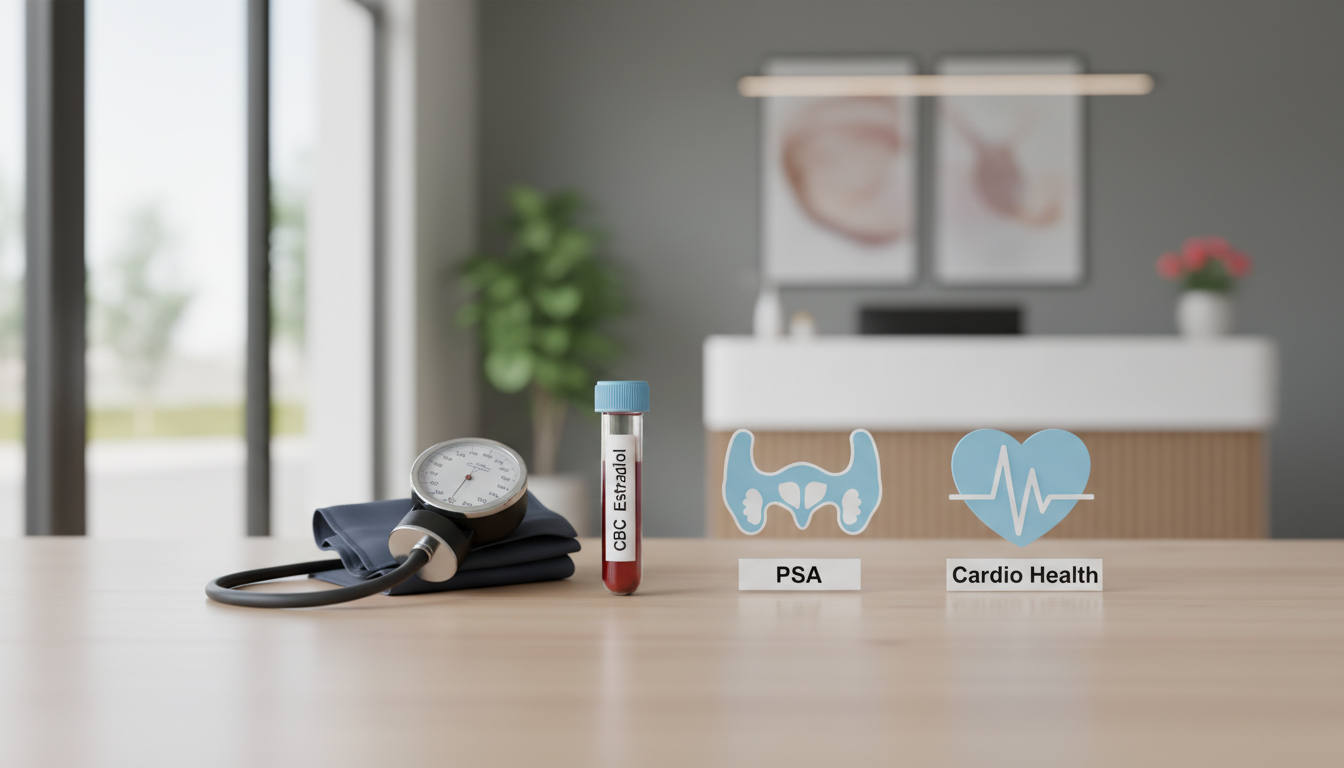
Beyond blood pressure, here are the key areas your provider will monitor:
- Polycythemia (Erythrocytosis): Testosterone stimulates the production of red blood cells. If your red blood cell count gets too high (a condition called polycythemia), it can thicken your blood and increase the risk of clotting. A simple complete blood count (CBC) test checks for this. A hematocrit level over 54% is a sign your provider will address, often by adjusting your dose or having you donate blood.
- Estrogen Management: Your body converts some testosterone into estrogen. While some estrogen is necessary for men's health, too much can lead to side effects like water retention, moodiness, or gynecomastia (enlargement of male breast tissue). Your provider will monitor your estradiol levels and may prescribe medication to manage them if needed.
- Prostate Health: TRT does not cause prostate cancer, a conclusion supported by the TRAVERSE trial and other meta-analyses. However, it can potentially accelerate the growth of a pre-existing cancer or worsen symptoms of benign prostatic hyperplasia (BPH). Regular PSA (prostate-specific antigen) tests and digital rectal exams are part of standard monitoring protocols.
- Other Potential Risks: The TRAVERSE trial did note a slightly higher incidence of non-fatal arrhythmias like atrial fibrillation (5.2% vs 3.3%) and venous thromboembolic events like pulmonary embolism (0.9% vs 0.5%) in the testosterone group. While the absolute risk is low, it highlights the importance of discussing your full medical history with your provider before starting TRT.
The key takeaway is that TRT is safe for the vast majority of men when prescribed and monitored correctly. Open communication with your doctor is the most important part of managing the process safely.
Factors That Affect Your Results
Not everyone experiences TRT in the same way. Your individual results and timeline depend on several factors:
- Dosage and Frequency: Your provider will determine the right dose for you based on your blood work. Finding the optimal dose—one that alleviates your symptoms without causing side effects—can take time and a few adjustments. The frequency of injections (once a week, twice a week) also plays a big role in keeping your levels stable.
- Your Starting Point: A man with testosterone levels of 150 ng/dL will likely notice more dramatic changes than a man starting at 300 ng/dL. The lower your baseline, the more profound the initial improvements tend to be.
- Lifestyle: TRT is a powerful tool, not a magic bullet. Your results will be significantly better if you pair it with a healthy lifestyle. This means a balanced diet, regular exercise (especially resistance training), adequate sleep, and limiting alcohol. Linking to our post on how to increase testosterone naturally provides a good supplement to medical therapy.
- Genetics and Age: Your genetics can influence how your body responds to testosterone and your sensitivity to certain side effects like hair loss or acne. Age also plays a role, as older men may have other co-existing health conditions that can affect their response.
- Consistency: Skipping doses or being inconsistent with your protocol will lead to hormonal fluctuations. This can blunt the positive effects and increase the likelihood of negative side effects. Adherence to your prescribed treatment plan is crucial for success.
Curious how these factors might influence your own treatment? Finding a provider who understands these nuances is key. An experienced clinician can help you navigate your options and a plan that fits your life. Our free 3-minute quiz can match you with a licensed provider today.
FAQs
How long until I see a difference with testosterone injections?
You may feel mental and emotional benefits like improved mood and libido within the first 1-4 weeks. Noticeable physical changes, such as increased muscle mass and fat loss, typically become apparent between 1-3 months and continue to improve over the first year.
Is TRT a lifelong commitment?
For men with clinically diagnosed hypogonadism (a chronic deficiency), TRT is generally considered a lifelong therapy. It replaces a hormone your body is no longer producing in sufficient amounts. Stopping treatment will cause your testosterone levels to return to their previously low baseline, and your symptoms will likely reappear.
Can TRT increase my risk for prostate cancer?
Current evidence from major studies, including the TRAVERSE trial and a 2026 meta-analysis, shows that TRT is not associated with an increased risk of developing prostate cancer. However, it can stimulate the growth of an existing cancer, which is why regular prostate health monitoring (PSA tests) is a standard and essential part of any TRT protocol.
What are the most common side effects of testosterone injections?
Common, manageable side effects can include acne or oily skin, minor fluid retention, soreness at the injection site, and mood swings if hormone levels are not stable. More serious but less common side effects that require medical monitoring include polycythemia (high red blood cell count), elevated blood pressure, and suppression of natural sperm production, which affects fertility. Discussing these downsides of TRT with your provider is crucial.
Contributing to evidence-based peptide education and provider transparency.
Too many clinics, not enough clarity?
We don't sell peptides. Tell us your goals and we'll connect you with a vetted provider who can figure out what actually makes sense for you.
See what's right for youRelated articles
Which Protein Supplements for Muscle Growth Actually Work?
Tired of the hype? Find out which protein supplements for muscle growth are backed by science and learn how to pick the right one for your goals.
Hormone TherapyWhat Are the Real Magnesium Glycinate Benefits?
Uncover the science-backed magnesium glycinate benefits. We explore its effects on sleep, stress, and muscle function and explain why it's a top choice.
Hormone TherapyWhat B12 Shot Benefits Can You Actually Expect?
B12 shots are often hyped for energy, but the real b12 shot benefits are more specific. Learn who is a true candidate and what results to expect.