The Positive Side Effects of TRT Nobody Talks About
Beyond the gym, what are the real positive side effects of TRT? Learn how the therapy can impact your energy, mental clarity, libido, and overall health.

This content is for informational purposes only and does not constitute medical advice. Always consult with a qualified healthcare provider before making any decisions about your health or treatment.
When you hear about Testosterone Replacement Therapy (TRT), your mind might jump to the potential risks you’ve seen in ads or heard about online. But a growing body of recent evidence is painting a much clearer picture of the treatment. For men with clinically low testosterone, the conversation is shifting toward the many positive side effects of TRT. Medically supervised TRT isn't about creating superhuman strength. It's about restoring a vital hormone to a healthy, normal range. This guide will walk you through the real benefits, updated 2026 safety data, and what to expect if you and your provider decide TRT is right for you.
What is Testosterone Replacement Therapy?
Testosterone Replacement Therapy, or TRT, is a medical treatment designed to restore testosterone levels in men with a condition called hypogonadism. This condition occurs when the body does not produce enough of its own testosterone. Millions of men are affected by hypogonadism, and its likelihood increases after the age of 30 (TRT NYC).
TRT is not a lifestyle drug for men with normal testosterone levels. It is a specific treatment for a diagnosed medical issue. The goal is to bring your hormone levels from a deficient state back into a normal physiological range. This helps to resolve the symptoms of low testosterone and improve overall health and well-being. To get diagnosed, a provider will look for both clinical symptoms and consistently low testosterone levels on at least two separate morning blood tests (Interactive Wellness).
For a complete overview of the therapy, who it's for, and the diagnostic process, you can read our main guide: What Is TRT and Who Is It Actually For?.
Feeling symptoms like low energy, brain fog, or a decreased sex drive? These can sometimes be linked to hormone levels. To understand if your symptoms might be related and to find a qualified provider for testing, take our free HORMONE SYMPTOM CHECKER.
How Does It Work?
To understand how TRT works, you first need to know how your body normally makes testosterone. The process is managed by a system called the hypothalamic-pituitary-gonadal (HPG) axis.
It starts in your brain. The hypothalamus releases a hormone called gonadotropin-releasing hormone (GnRH). This signals the pituitary gland to release two more hormones: luteinizing hormone (LH) and follicle-stimulating hormone (FSH). LH is the key player for testosterone production. It travels through your bloodstream to the testicles, where it tells specific cells, called Leydig cells, to produce and release testosterone.
This creates a feedback loop. When testosterone levels in your blood are high enough, your brain slows down the release of GnRH and LH, which in turn slows down testosterone production. When levels dip too low, the process ramps up again.
In men with hypogonadism, this system is broken. The problem can be in the testicles themselves (primary hypogonadism) or in the brain's signaling (secondary hypogonadism). Either way, the result is the same: the body can't produce enough testosterone on its own.
This is where TRT comes in. TRT provides the body with testosterone from an outside source, known as exogenous testosterone. This administered testosterone works just like the testosterone your body would normally make. It travels through the blood and binds to androgen receptors in cells all over your body, from your muscles and bones to your brain.
By binding to these receptors, it triggers the same biological responses that healthy testosterone levels would. This is how TRT helps reverse the symptoms of low T. It effectively bypasses the broken HPG axis to deliver the hormone your body needs. A provider will carefully dose the therapy to mimic the body's natural levels, aiming for a stable concentration in the blood within the normal range, typically between 500-800 ng/dL (Cureus). The goal is balance and restoration, not to push levels into a supraphysiological or "bodybuilding" range.
The Evidence-Based Positive Side Effects of TRT
For men with confirmed hypogonadism, the positive side effects of TRT can be significant, improving quality of life across several areas. Modern research, especially the landmark TRAVERSE trial, has given us a clearer understanding of these benefits.
Improved Energy, Mood, and Vitality
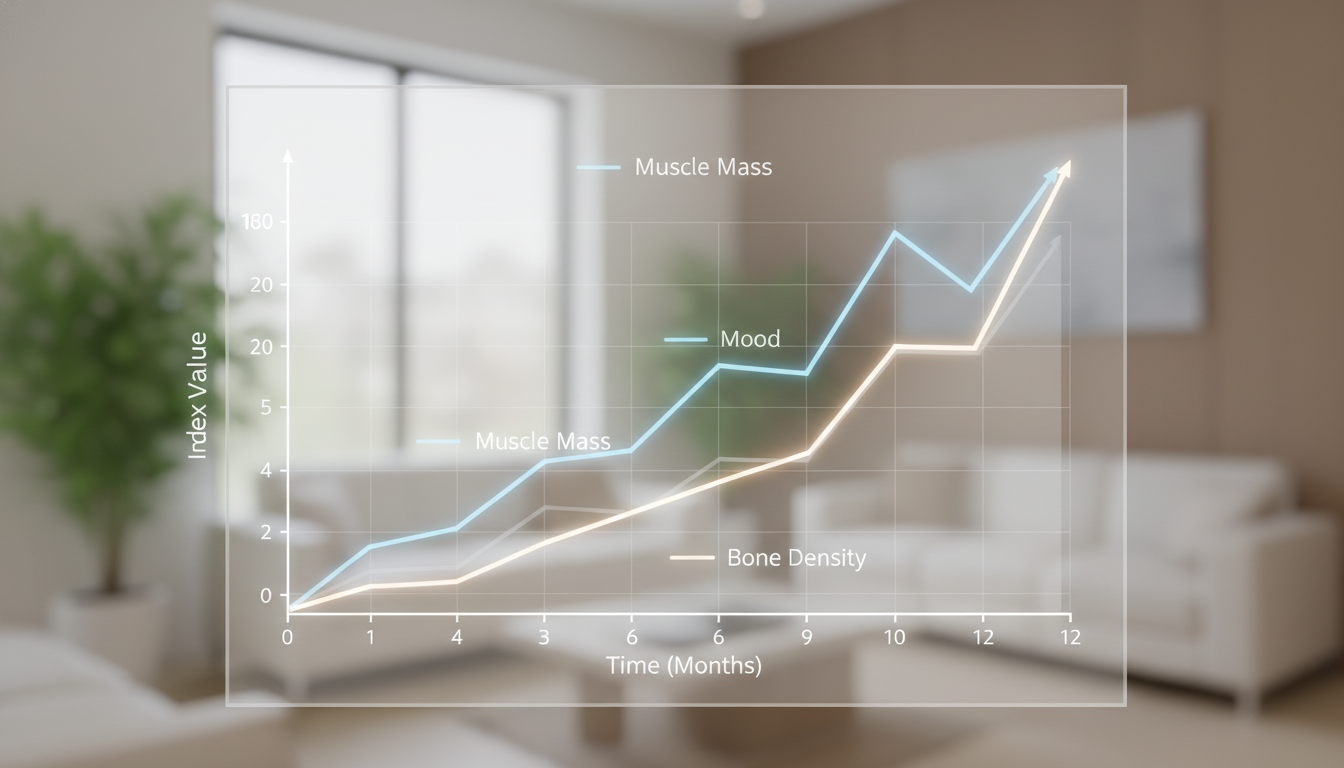
One of the first changes many men notice is a return of energy and an overall sense of well-being. The fatigue and low motivation that often come with low T can begin to lift within just 2 to 4 weeks of starting therapy (TRT NYC). This isn't just a feeling. Testosterone plays a role in regulating mood and cognitive function. By restoring levels, many men report reduced irritability, less brain fog, and a more positive outlook. A comprehensive review of studies confirmed that TRT consistently improves vitality in men over 50 with low testosterone (Cureus).
Enhanced Libido and Sexual Function
A decline in sex drive is a hallmark symptom of hypogonadism. TRT has a well-established record of improving libido. A major two-year study, part of the TRAVERSE trial research, found that TRT significantly improved sexual desire and the frequency of sexual activity in middle-aged and older men with low testosterone (The Journal of Clinical Endocrinology & Metabolism). It's important to set realistic expectations. While TRT is very effective for libido, the same study found it did not significantly improve erectile function in that specific group. ED can have many causes, and hormones are only one piece of the puzzle. Overall improvements in sexual function tend to plateau between 6 to 12 months into therapy (The TRT Catalog).
Increased Muscle Mass and Reduced Body Fat
Testosterone is a primary driver of muscle protein synthesis. When levels are low, it becomes much harder to build and maintain muscle, and easier to store fat. TRT directly addresses this. Long-term data shows that after one year of treatment, men can expect to gain an average of 4-6 kilograms (about 9-13 pounds) of lean muscle mass while losing a similar amount of fat mass (The TRT Catalog). These changes in body composition are not just aesthetic. They contribute to a higher metabolic rate and better overall physical strength.
Stronger Bones and Better Density
Testosterone is crucial for maintaining bone mineral density. Low levels are a risk factor for osteoporosis and fractures. TRT helps stimulate bone formation and slow down bone resorption. After 12 months of consistent therapy, men can see a 3-5% increase in bone density, particularly in the lumbar spine (The TRT Catalog). This is a significant protective effect that reduces long-term fracture risk.
Potential Cognitive and Metabolic Benefits
The benefits extend beyond the most well-known effects. Research suggests TRT can improve certain aspects of cognitive function, like spatial memory. Furthermore, new data points to powerful metabolic advantages. A large real-world study of over 26,000 diabetic men with hypogonadism found that TRT was associated with a lower risk of major cardiovascular events, kidney failure, and even all-cause mortality (Springer Nature). Another analysis from the TRAVERSE trial found that TRT led to a significant 22.5% reduction in new-onset type 2 diabetes in men who did not have it at the start of the study (Trends in Urology & Men's Health).
Risks and Understanding the Negative Side Effects
While the list of benefits is long, no medical treatment is without risks. It's crucial to weigh the positive side effects of TRT against the potential downsides. Fortunately, recent research has clarified many of the biggest safety concerns.
The most significant development is the 2023-2024 TRAVERSE trial. This large, FDA-mandated study was specifically designed to determine if TRT increased cardiovascular risks in men who already had or were at high risk for heart disease. The results were reassuring. The trial found that TRT did not increase the risk of major adverse cardiac events like heart attack or stroke compared to a placebo (New England Journal of Medicine). Following these results, in February 2025, the FDA officially removed its "boxed warning" about cardiovascular risk from testosterone products (The BH).
However, the TRAVERSE trial did highlight some other potential issues. The FDA added a new warning about possible increases in blood pressure. The study also found a higher incidence of atrial fibrillation, acute kidney injury, and pulmonary embolism in the testosterone group compared to the placebo group (NEJM). It's important to view these findings in context. A separate large, real-world study of diabetic men on TRT actually found therapy was associated with a reduced risk of A-fib and acute kidney injury (Springer Nature). This shows that the risk profile can vary depending on the patient population.
Other common, manageable side effects include:
- Erythrocytosis: An increase in red blood cell count (hematocrit). This can thicken the blood and increase clotting risk if not managed. Your provider will monitor your hematocrit levels to ensure they stay below a safe threshold, typically 54% (The TRT Catalog).
- Acne or Oily Skin: Similar to what you might experience during puberty, as testosterone levels rise.
- Fluid Retention: Some men may notice mild swelling, especially at the beginning of treatment.
- Suppressed Fertility: Exogenous testosterone signals the brain to stop producing LH, which also shuts down sperm production. Men who wish to preserve their fertility can discuss co-therapy with hCG with their provider.
The risk of prostate cancer has also been a long-standing concern. The TRAVERSE trial provided strong evidence here as well, finding no increased risk of prostate cancer in men on TRT (The BH). For an in-depth look at these issues, see our guide on the downsides of TRT.
Navigating the pros and cons requires an expert guide. A qualified provider can help you understand your personal risk factors and decide if TRT is a safe option for you. Take our free 3-minute quiz to get matched with a vetted clinic that specializes in hormone optimization.
How to Get Started with TRT Administration
Getting started with TRT is a straightforward medical process that always begins with a conversation with a qualified healthcare provider. You can find one through a local clinic or specialized online doctors that prescribe testosterone in the US.
The first step is a proper diagnosis. This isn't based on symptoms alone. A provider will need to confirm hypogonadism with blood work. According to clinical guidelines, this requires at least two separate low testosterone readings from blood drawn in the morning, when levels are naturally highest. A level consistently below 300 ng/dL is the typical threshold for diagnosis (Interactive Wellness). Your doctor will also want to rule out reversible causes of low T, such as poor sleep, obesity, or excessive alcohol use. You can learn more about how to test my testosterone levels in our detailed guide.
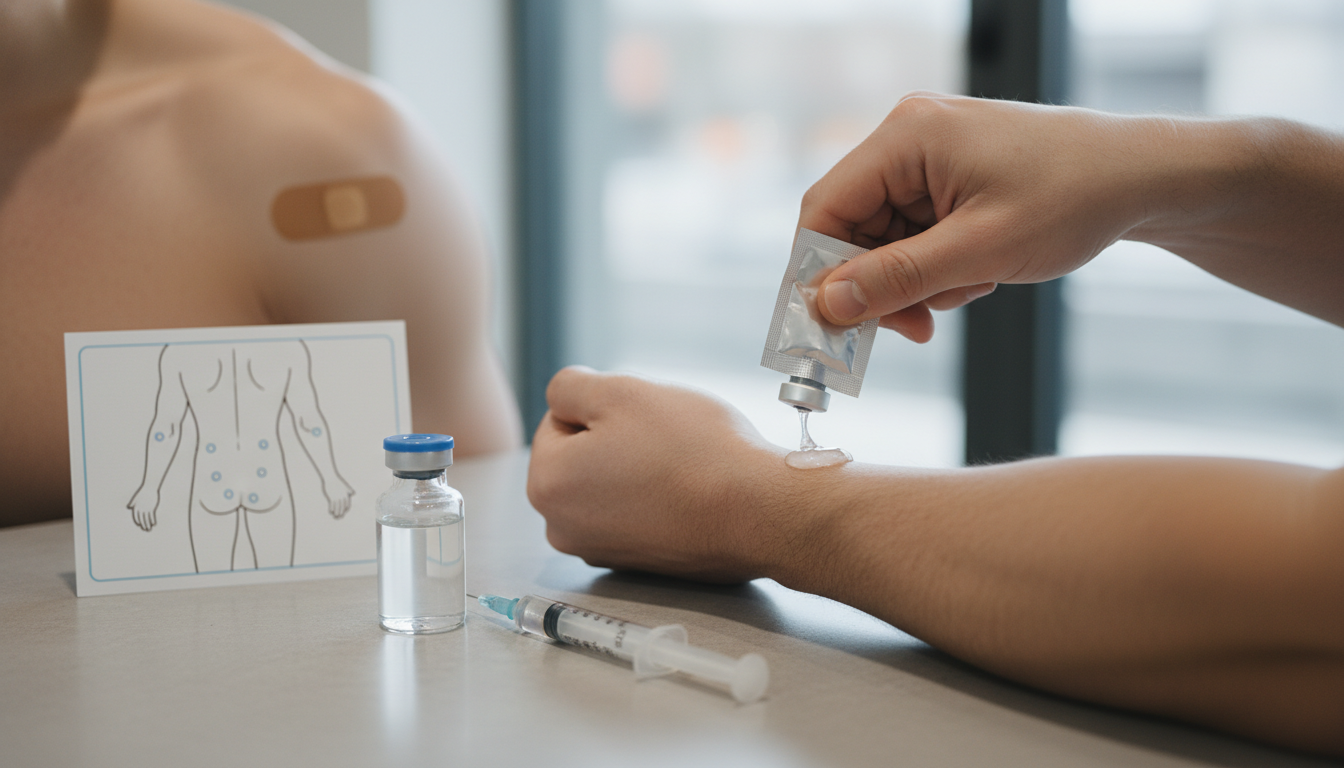
Once you are diagnosed, your provider will discuss the different ways TRT can be administered. The most common forms are:
- Injections: Testosterone cypionate or enanthate is injected into a muscle or subcutaneous fat, usually once or twice a week. This is often the most cost-effective method and allows for very precise dosing control (TRT NYC).
- Topical Gels: A gel containing testosterone is applied to the skin daily, usually on the shoulders or upper arms. This provides a steady daily dose but requires care to avoid transferring the gel to others through skin contact.
- Transdermal Patches: These patches are applied to the skin and changed daily, releasing testosterone slowly over 24 hours.
- Implanted Pellets: Small, rice-sized pellets are surgically implanted under the skin (usually in the hip area) every 3-6 months. They slowly dissolve, releasing a steady dose of testosterone over time.
The best method for you depends on your lifestyle, budget, and personal preference. For a deeper dive into one of the most common methods, explore our article on real testosterone injection benefits.
Understanding the Legal and FDA Status of TRT in 2026
Testosterone Replacement Therapy is a well-established and legal medical treatment. In the United States, testosterone is classified as a Schedule III controlled substance. This means it has an accepted medical use but also a potential for misuse. Because of this classification, you can only obtain testosterone legally with a valid prescription from a licensed healthcare provider after a proper diagnosis of hypogonadism.
The regulatory landscape for TRT has seen significant changes in recent years, largely driven by the results of the TRAVERSE trial. For years, a prominent "boxed warning" from the Food and Drug Administration (FDA) was required on all testosterone products, cautioning about a potential increased risk of heart attacks and strokes. This created a lot of fear and uncertainty for both patients and doctors.
However, after reviewing the comprehensive data from the TRAVERSE trial, which showed TRT was non-inferior to placebo for major cardiovascular events, the FDA took action. In February 2025, the agency officially removed this cardiovascular boxed warning (The BH). This was a landmark decision that reflected the new understanding of TRT's safety profile when used correctly in hypogonadal men.
While the major cardiac warning was removed, the FDA did add a new warning about the potential for TRT to increase blood pressure (Interactive Wellness). This change underscores the importance of ongoing medical supervision. A provider will monitor your blood pressure, along with other health markers like your hematocrit, to ensure the therapy remains safe and effective for you. This new regulatory status reinforces that TRT is a legitimate therapy, but not one to be taken lightly. It requires a partnership between you and your doctor to achieve the benefits while managing any potential risks.
Ready to explore your options with a licensed professional? The first step is finding the right provider. Take our free 3-minute quiz to get matched with a licensed provider who can help you with testing, diagnosis, and creating a treatment plan.
FAQs about the Positive Side Effects of TRT
How quickly do you feel the positive effects of TRT?
Many men report improvements in energy, mood, and mental clarity within the first 2-4 weeks of starting TRT. Benefits to libido often follow shortly after. More significant changes, such as gains in muscle mass, reduction in body fat, and increases in bone density, build over a longer period, typically becoming significant after 3-6 months of consistent therapy (TRT NYC).
Will TRT increase my heart attack risk?
Based on the most current, high-quality evidence from 2026, the answer is no for appropriately selected patients. The large-scale TRAVERSE trial found that for men with diagnosed hypogonadism, TRT did not increase the risk of major adverse cardiac events like heart attack or stroke compared to a placebo. This led the FDA to remove its primary cardiovascular warning from testosterone products in 2025 (NEJM, The BH).
Does TRT cause prostate cancer?
The long-standing fear that TRT causes or accelerates prostate cancer has not been supported by recent major studies. The TRAVERSE trial specifically monitored for prostate cancer and found no increased risk in men undergoing testosterone therapy compared to the placebo group. Ongoing monitoring with PSA tests is still a standard part of care, but the evidence shows TRT is safe for the prostate when properly administered (The BH).
Is it true TRT improves diabetes risk?
There is promising evidence in this area. An analysis of the TRAVERSE trial data showed that men on TRT who did not have diabetes at the start of the study had a 22.5% lower risk of developing new-onset type 2 diabetes compared to the placebo group (Trends in Urology & Men's Health). This suggests a potential metabolic benefit beyond just symptom relief.
What are the main mental or mood benefits of TRT?
Restoring testosterone to a normal range can have a profound impact on mental well-being. The most commonly reported mental and mood benefits include a reduction in fatigue, an increase in motivation and drive, improved concentration and focus (less "brain fog"), and a more stable, positive mood with less irritability.
Can TRT help with weight loss?
Yes, TRT can significantly aid in improving body composition, which often includes weight loss in the form of fat. Long-term data shows that men can lose an average of 4-6 kg (about 9-13 lbs) of fat mass over the first year of therapy. This is usually paired with a similar gain in lean muscle mass, which can increase your overall metabolic rate (The TRT Catalog).
Contributing to evidence-based peptide education and provider transparency.
Too many clinics, not enough clarity?
We don't sell peptides. Tell us your goals and we'll connect you with a vetted provider who can figure out what actually makes sense for you.
See what's right for youRelated articles
Which Protein Supplements for Muscle Growth Actually Work?
Tired of the hype? Find out which protein supplements for muscle growth are backed by science and learn how to pick the right one for your goals.
Hormone TherapyWhat Are the Real Magnesium Glycinate Benefits?
Uncover the science-backed magnesium glycinate benefits. We explore its effects on sleep, stress, and muscle function and explain why it's a top choice.
Hormone TherapyWhat B12 Shot Benefits Can You Actually Expect?
B12 shots are often hyped for energy, but the real b12 shot benefits are more specific. Learn who is a true candidate and what results to expect.