Can Spironolactone and Testosterone Therapy Work Together?
Taking spironolactone and testosterone therapy at the same time? Learn how these opposing medications interact and the specific goals they can help achieve.

This content is for informational purposes only and does not constitute medical advice. Consult with a qualified healthcare professional before making any decisions about your health or treatment.
Hormone optimization is a complex field where medications can have opposite effects. Two such treatments are spironolactone and testosterone therapy. At first glance, they seem to operate in different worlds. Spironolactone is often used to manage conditions like heart failure or high blood pressure, but it's also prescribed to block the effects of androgens, or male hormones. Testosterone replacement therapy (TRT), on the other hand, is designed to increase levels of the primary male hormone, testosterone. Understanding the relationship between spironolactone and testosterone therapy is critical for anyone prescribed one or considering the other, as their interaction can be counterproductive or even risky without proper medical guidance.
This guide will break down the key differences, potential interactions, costs, and specific scenarios for using spironolactone versus testosterone therapy. We will explore who each treatment is for, how they work, and what you need to discuss with your doctor to make an informed decision for your health in 2026.
Quick Comparison: Spironolactone vs. Testosterone Therapy
| Feature | Spironolactone | Testosterone Therapy (TRT) |
|---|---|---|
| Primary Function | Blocks androgen receptors; potassium-sparing diuretic | Supplements or replaces natural testosterone |
| Main Medical Use | Heart failure, hypertension, edema | Hypogonadism (low testosterone) in men |
| "Off-Label" Use | Acne, hirsutism (excess hair), and hair loss in women | Not typically used "off-label" |
| Effect on Testosterone | Blocks its effects at the receptor level; may not lower blood levels | Directly increases testosterone blood levels |
| Who It's For | Patients with heart failure, hypertension; women with androgen-sensitive conditions | Men with clinically diagnosed low testosterone |
| Common Side Effects | Hyperkalemia (high potassium), gynecomastia (breast tissue growth in men) | Erythrocytosis (high red blood cell count), acne, injection site reactions |
| Administration | Oral tablets or liquid suspension | Injections, gels, patches, or pellets |
| Typical Monthly Cost | $10 - $30 (generic) | $100 - $1000+ (depending on type and coverage) |
What is Spironolactone?
Spironolactone is a medication that has been around for decades. Its primary, FDA-approved uses are as a potassium-sparing diuretic. This means it helps the body get rid of excess salt and water while holding onto potassium. Doctors prescribe it to manage conditions like heart failure, high blood pressure, and edema (swelling) caused by liver or kidney issues (FDA, 2023). The brand name version CAROSPIR, an oral suspension, is indicated for similar conditions, highlighting its role in cardiovascular and fluid management.
However, spironolactone has another important function, which is why it's relevant to hormone health. It acts as an anti-androgen. It works by blocking testosterone and its more potent derivative, dihydrotestosterone (DHT), from binding to their receptors in the body's tissues. It can also slightly decrease the body's production of testosterone.
Because of this anti-androgen activity, spironolactone is frequently prescribed "off-label" for women dealing with hyperandrogenic conditions, which are caused by an excess of male hormones or an increased sensitivity to them. These conditions include hormonal acne, hirsutism (unwanted male-pattern hair growth), and androgenic alopecia (female pattern hair loss). Research shows it is quite effective, with studies demonstrating that 84-86% of women see improvement in these conditions, and up to 66% achieve complete acne clearance (Dr. Oracle, 2024). It achieves these results by preventing testosterone from causing issues at the skin and hair follicle level, even if the testosterone levels in the blood don't change significantly.
What is Testosterone Therapy?
Testosterone therapy, often called testosterone replacement therapy or TRT, is a medical treatment designed to restore testosterone levels to a normal range. It is primarily prescribed for men who have a condition called hypogonadism, which is a a clinically significant deficiency in testosterone. This diagnosis isn't based on feelings alone. According to guidelines from the American Urological Association (AUA), it requires confirmation through at least two separate morning blood tests showing total testosterone levels under 300 ng/dL, along with corresponding symptoms.
Symptoms of low testosterone can include low energy, reduced libido, erectile dysfunction, loss of muscle mass, increased body fat, and mood changes. You can learn more about how to get your levels checked in our guide on how to get testosterone tested.
TRT works by directly supplying the body with testosterone. It comes in several forms, including:
- Injections: The most common and often most cost-effective method. Learn more about them in our post on a typical TRT dosage chart.
- Gels: Applied daily to the skin.
- Patches: Worn on the skin and changed daily.
- Pellets: Implanted under the skin every few months by a provider.
The goal of testosterone treatment in males is not to create superhuman levels of hormones but to bring them back within a healthy physiological range, alleviating the symptoms of deficiency and improving overall quality of life.
Feeling like you're caught between confusing hormonal symptoms and treatment options? It can be a lot to process. Take our free 3-minute quiz to get matched with a provider who can offer personalized guidance on your journey.
Spironolactone and Testosterone Therapy: Key Differences
The core of the spironolactone and testosterone therapy debate boils down to their opposing goals and mechanisms. One is a blocker, and the other is a booster. Understanding how they work at a biological level makes it clear why they are rarely, if ever, used together for the same purpose.
Mechanism of Action
The fundamental difference lies in how they interact with the androgen system.
-
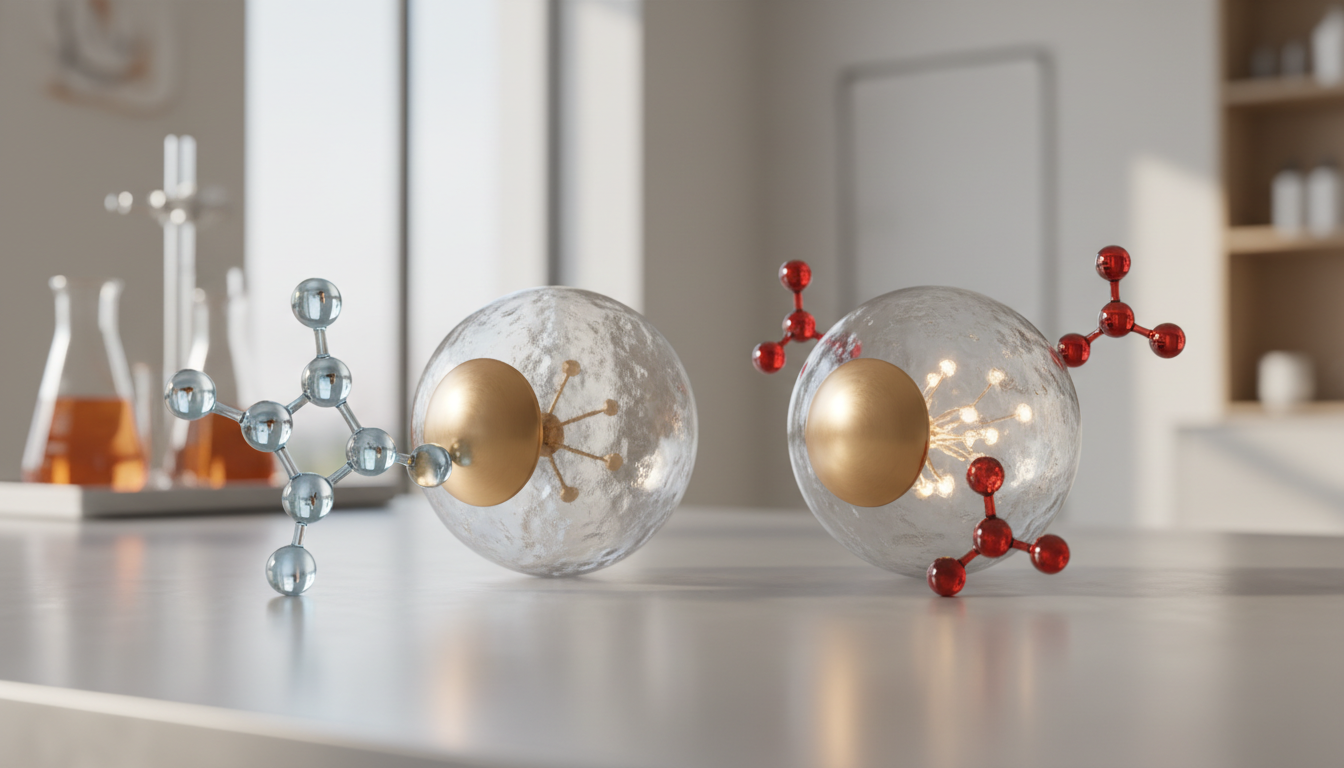
Spironolactone: Acts as an antagonist at the androgen receptor. Think of the androgen receptor as a lock on a cell's surface. Testosterone is the key that fits into this lock to trigger a specific action, like hair growth or oil production. Spironolactone is like a piece of tape over the keyhole. It prevents testosterone and DHT from binding to the receptor, thereby blocking their effects in that tissue. It doesn't necessarily remove the testosterone from the body, it just stops it from working in certain places (Dr. Oracle, 2024).
-
Testosterone Therapy: This treatment does the opposite. It increases the number of "keys" available. For someone with hypogonadism who isn't producing enough of their own keys, TRT provides bioidentical testosterone to circulate in the blood and activate those androgen receptors throughout the body, restoring their normal function.
Primary Therapeutic Goals
Their intended outcomes are also completely different.
-
The goal of spironolactone when used for androgenic conditions is reduction. It aims to reduce the unwanted effects of androgens, such as acne, body hair, or hair loss. When used for its primary indications like heart failure, its goal is to reduce fluid retention and strain on the heart.
-
The goal of TRT is restoration. It aims to restore testosterone levels to a normal, healthy range, thereby increasing the effects of androgens to alleviate symptoms of deficiency, like building muscle, improving energy, and supporting libido.
Clinical Effectiveness and Use Cases
Their effectiveness is measured by completely different yardsticks.
-
Spironolactone's success in women is measured by visible improvements in skin and hair. Clinical evidence is strong, showing a 77.4% improvement in acne patients and good to very good results in 80% of hirsutism patients (Dr. Oracle, 2024). Its effectiveness is based on blocking local androgen activity.
-
TRT's success is measured by the normalization of blood testosterone levels and the resolution of deficiency symptoms. A patient's testosterone serum levels are monitored closely to ensure they are within the target range. The effectiveness is systemic, impacting the entire body.
This is why the American Academy of Dermatology expressly recommends against using spironolactone in women who are on testosterone therapy. It would directly counteract the intended effects of the TRT, rendering it ineffective.
Side Effects of Spironolactone and Testosterone Therapy Compared
All effective medications come with a risk of side effects. For spironolactone and testosterone therapy, the side effect profiles are distinct and reflect their different mechanisms of action.
| Side Effect | Spironolactone | Testosterone Therapy |
|---|---|---|
| Hormonal (Men) | Gynecomastia (breast growth/tenderness), decreased libido | Potential for gynecomastia (due to conversion to estrogen), testicular atrophy |
| Hormonal (Women) | Menstrual irregularities, breast tenderness | Virilization (development of male traits), deepening voice, clitoral enlargement |
| Cardiovascular | Hypotension (low blood pressure) | Potential increased risk of blood clots, erythrocytosis (high red blood cell count) |
| Metabolic | Hyperkalemia (high potassium levels) | Changes in cholesterol levels (lower HDL, higher LDL) |
| Skin/Hair | Generally improves acne and slows hair loss | Can cause acne or oily skin, potential for increased body hair |
| Other | Dizziness, fatigue, nausea, risk of birth defects if taken during pregnancy | Injection site pain, mood swings, sleep apnea |
A major warning for spironolactone is the risk of hyperkalemia, or dangerously high potassium levels in the blood (FDA, 2023). This risk is higher in individuals with impaired kidney function or those taking other medications that also increase potassium. This is a critical safety concern that requires regular blood monitoring.
For men, the most common and often dose-dependent side effect of spironolactone is gynecomastia, the development of male breast tissue. This occurs because blocking testosterone can disrupt the testosterone-to-estrogen ratio, and it is a primary reason spironolactone is not used to treat male pattern hair loss.
On the TRT side, a common concern is erythrocytosis, an increase in red blood cell count, which can thicken the blood and increase the risk of clotting. This is why regular blood work is a non-negotiable part of responsible testosterone therapy. Gels are sometimes preferred over injections to maintain more stable hormone levels and reduce this risk (AUA, 2018).
Cost Compared: Spironolactone vs. TRT in 2026
The financial commitment for these two treatments varies dramatically.
Spironolactone: As a generic medication, spironolactone is very affordable. Without insurance, a 30-day supply of a common dose (e.g., 25-100 mg tablets) typically costs between $10 and $30. With insurance, the copay is often just a few dollars, if not zero. This low cost makes it a very accessible treatment for its indicated uses.
Testosterone Therapy: The cost of TRT is significantly higher and more variable. It depends on the type of testosterone, the dosage, insurance coverage, and the clinic you use. For a more detailed breakdown, you can check our post on how much TRT is per month.
Here's a general overview of monthly costs in 2026:
- Testosterone Injections (Cypionate/Enanthate): This is usually the most affordable option. Sourcing the testosterone and supplies yourself with a prescription, you might pay $50 to $150 per month. Through a TRT clinic that bundles services, this could range from $100 to $300 per month.
- Testosterone Gels: Brand-name gels like AndroGel or Testim can be expensive, often costing $500 to $800+ per month without good insurance coverage. Generic versions are cheaper but still more expensive than injections.
- Testosterone Pellets: This is a larger upfront cost for a procedure that lasts 3-6 months. The procedure can cost $600 to $1,500+, which averages out to $150 to $400 per month.
Insurance coverage for TRT can be inconsistent. Many plans require strict diagnostic proof of hypogonadism before they will cover the costs. Our guide on if TRT is covered by insurance provides more detail on navigating this process.
Who Should Choose Which? Specific Scenarios
This is the crucial question. The choice is less about preference and more about a correct diagnosis and treatment goal. Using spironolactone and testosterone therapy requires careful consideration of the patient's biological sex, health conditions, and goals.
Scenario 1: A Woman with Hormonal Acne and Irregular Periods For a premenopausal woman struggling with persistent acne along her jawline and excess facial hair, spironolactone is a very common and effective treatment. These symptoms point to an androgen sensitivity at the skin level. Her goal is to block the effects of androgens. Testosterone therapy would be completely inappropriate and would worsen her symptoms significantly. Her provider will likely start her on a low dose of spironolactone and monitor for side effects like dizziness or menstrual changes.
Scenario 2: A Man with Confirmed Low Testosterone A 45-year-old man with chronic fatigue, low libido, and two separate morning blood tests showing testosterone at 220 ng/dL is a classic candidate for testosterone therapy. His goal is to restore his testosterone levels to a healthy range. Spironolactone would be directly counterproductive, as it would block the effects of the very hormone he is trying to replace and could cause feminizing side effects like gynecomastia.
Scenario 3: A Man with Low Testosterone and Congestive Heart Failure This is the most complex scenario where the two drugs could potentially interact. A 60-year-old man with hypogonadism (low T) is also taking medications for Class III heart failure, including spironolactone. Can he start TRT?
According to medical guidelines, it's possible but requires extreme caution (Dr. Oracle, 2024).
- The Goal Conflict: The spironolactone is blocking androgen receptors, which will blunt the effects of the TRT he wants to start. The dosage of one may need to be adjusted to account for the other, which is difficult to manage.
- The Hyperkalemia Risk: This is the biggest danger. Spironolactone already increases potassium. Testosterone therapy can sometimes affect kidney function and fluid balance, which can also influence potassium levels. Combining them mandates intensive, regular monitoring of blood potassium levels to prevent a life-threatening cardiac event.
- Cardiovascular Stability: The 2018 AUA Guideline recommends waiting 3-6 months after a major cardiovascular event before starting TRT. His provider would need to ensure his heart failure is stable. For such patients, transdermal gels might be preferred to injections to avoid peaks and troughs in hormone levels.
In this case, the decision must be made by a cardiologist and an endocrinologist or urologist working together. The potential benefits of TRT for his quality of life must be weighed carefully against the significant risks of the drug interaction.
Confused about which treatment aligns with your health goals and budget? Our 3-minute quiz can help. Find a provider who specializes in hormone health and can give you the clarity you need.
Ready to Explore Your Options?
Navigating the world of hormone therapy can be daunting. Whether you're dealing with the effects of androgen excess or testosterone deficiency, the first step is getting clear, professional advice. Don't leave your health to guesswork.
Take our free 3-minute quiz to get matched with a licensed provider who can help you understand your symptoms, get the right tests, and create a treatment plan that works for you.
FAQs
Can a man take spironolactone and testosterone together?
While technically possible in very specific medical situations, such as a man with diagnosed hypogonadism who requires spironolactone for a condition like severe heart failure, it is a complex and high-risk combination. It requires intensive monitoring by specialists due to the risk of hyperkalemia (high potassium) and the fact that spironolactone's anti-androgen effects will counteract the testosterone therapy. For most men, this combination is not recommended.
Does spironolactone permanently lower testosterone?
Spironolactone does not typically lower total serum testosterone levels in the blood, especially in women. Instead, its primary action is to block testosterone from binding to its receptors in tissues like skin and hair follicles. While it can have a minor effect on testosterone production, its main benefit for conditions like acne or hirsutism comes from this receptor-blocking activity, not from systemic testosterone suppression.
What is a natural alternative to spironolactone for blocking androgens?
Some people explore dietary and supplemental approaches to manage androgen-related symptoms. Supplements like saw palmetto, spearmint tea, and DIM (diindolylmethane) are sometimes used for their purported anti-androgenic effects. However, the scientific evidence for these alternatives is much less robust than for spironolactone. It is essential to discuss any supplements with your healthcare provider, as they can have their own side effects and interact with other medications.
How long does it take for spironolactone to work for acne?
Patience is key when starting spironolactone for acne or other androgenic conditions. It can take up to three months to start seeing noticeable improvements. Your provider will likely start you on a low dose and may gradually increase it based on your response and tolerance. Full effects are often seen around the six-month mark.
Why is gynecomastia a side effect of spironolactone?
Gynecomastia, or the development of breast tissue in men, is a common side effect of spironolactone because it disrupts the body's hormonal balance. By blocking testosterone's effects, it can create a state where estrogen's influence becomes more dominant relative to testosterone's. This shift can stimulate the growth of breast gland tissue. The effect is usually reversible after stopping the medication.
Contributing to evidence-based peptide education and provider transparency.
Too many clinics, not enough clarity?
We don't sell peptides. Tell us your goals and we'll connect you with a vetted provider who can figure out what actually makes sense for you.
See what's right for youRelated articles
Which Protein Supplements for Muscle Growth Actually Work?
Tired of the hype? Find out which protein supplements for muscle growth are backed by science and learn how to pick the right one for your goals.
Hormone TherapyWhat Are the Real Magnesium Glycinate Benefits?
Uncover the science-backed magnesium glycinate benefits. We explore its effects on sleep, stress, and muscle function and explain why it's a top choice.
Hormone TherapyWhat B12 Shot Benefits Can You Actually Expect?
B12 shots are often hyped for energy, but the real b12 shot benefits are more specific. Learn who is a true candidate and what results to expect.