What Do My Testosterone Serum Levels Mean?
Confused by your lab results? Learn what your testosterone serum levels actually mean, what's considered normal, and the signs of high or low T.

This content is for informational purposes only and does not constitute medical advice. Always consult with a qualified healthcare provider for any health concerns or before making any decisions related to your health or treatment.
Understanding your testosterone serum levels is a key step in taking control of your hormonal health. Testosterone is the primary male sex hormone, but it's vital for both men and women, influencing everything from muscle mass and bone density to mood and libido. When you get a blood test, the results can seem confusing. What's a "normal" number? What's the difference between total and free testosterone? And most importantly, what do these numbers mean for how you feel day-to-day? This guide will break down the science behind testosterone testing and help you understand what your results are telling you.
What Are Testosterone and Serum Testing?
Testosterone is an androgen hormone produced primarily in the testicles in men and in the ovaries and adrenal glands in women. It plays a crucial role in developing male physical characteristics, but its job doesn't stop after puberty. Testosterone serum levels refer to the amount of this hormone circulating in your blood, which is measured through a simple blood draw. This measurement is the gold standard for diagnosing hormonal imbalances.
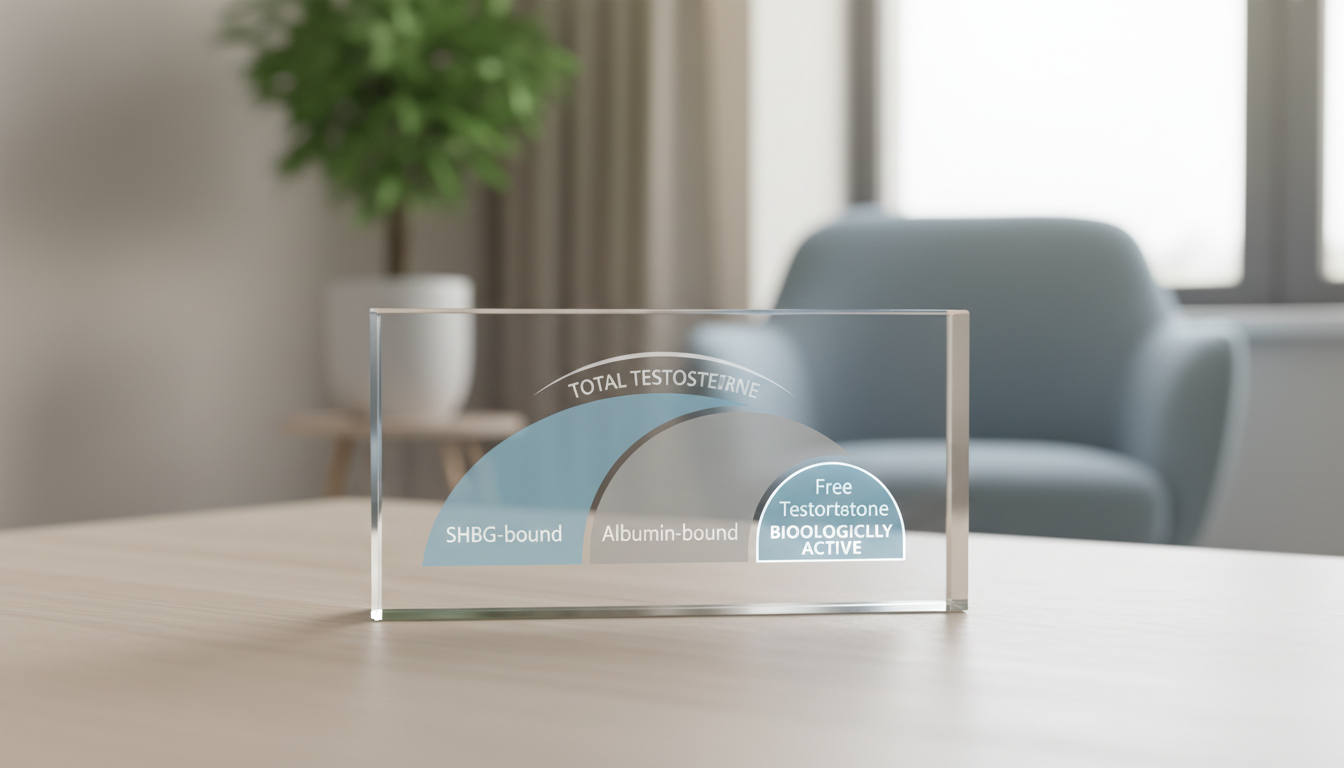
Testosterone exists in two main forms in the blood. Total testosterone is a measure of all the testosterone in your system. This includes testosterone that is tightly bound to a protein called sex hormone-binding globulin (SHBG), loosely bound to another protein called albumin, and unbound, or "free." Free testosterone is the active form that your body's tissues can readily use. A 2026 article by PeakedLabs notes that SHBG can increase by 30-50% between ages 25 and 65, meaning a man could have a "normal" total testosterone level but still have low levels of the usable, free testosterone, leading to symptoms. This is why looking at the complete picture, including free testosterone by age, is so important.
Typically, when does testosterone peak in men? Levels are highest during adolescence and early adulthood, around ages 18 to 20. After that, they may begin a slow decline. A 2025 study in the International Journal of Impotence Research even found a significant reduction in total testosterone levels of 0.14 nmol/L per year in young men aged 20-44. While a total testosterone level under 300 ng/dL is a common threshold for hypogonadism, many experts use 350 ng/dL for men who are showing symptoms. Getting tested provides a clear, objective starting point for any conversation about your hormonal health with a provider.
Feeling like your energy, mood, or libido isn't what it used to be? It might be time to understand your numbers. Take our free 3-minute quiz to connect with a qualified provider who can guide you through the process.
How Your Body Regulates Testosterone Serum Levels
Your body maintains testosterone serum levels through a sophisticated feedback loop called the hypothalamic-pituitary-gonadal (HPG) axis. Think of it as a thermostat for your hormones.
-
The Hypothalamus: Located in your brain, the hypothalamus is the command center. When it detects that testosterone levels are low, it releases a hormone called Gonadotropin-Releasing Hormone (GnRH).
-
The Pituitary Gland: GnRH travels a short distance to the pituitary gland, also in the brain. This signals the pituitary to release two other key hormones: Luteinizing Hormone (LH) and Follicle-Stimulating Hormone (FSH).
-
The Gonads (Testes): LH is the primary signal for the Leydig cells in the testes to produce and release testosterone. FSH is more involved in sperm production but also plays a role in hormonal balance.
As testosterone levels in the blood rise, they send a negative feedback signal back to both the pituitary gland and the hypothalamus, telling them to slow down the production of GnRH and LH. This elegant system ensures that your hormone levels stay within a relatively stable range.
However, various factors can disrupt this axis. Age is a major one. As mentioned, a 2025 study confirmed T levels can decline even in young men. A separate 2024 study of 200,000 men in the Journal of Endocrinological Investigation found that metabolic syndrome, not just age, was a significant predictor of lower testosterone. It also highlighted that the time of day a blood draw is taken can cause levels to vary from 10.91 to 12.74 nmol/L, which is why morning tests are standard. If any part of this HPG axis is impaired due to injury, illness, or other factors, it can lead to low testosterone, a condition known as hypogonadism. This is why a proper diagnosis often involves testing not just your level of testosterone in males, but also your LH and FSH levels to determine where the issue originates.
Benefits ofOptimized Testosterone Serum Levels
Optimizing your testosterone serum levels through Testosterone Replacement Therapy (TRT) can have a significant impact on your quality of life when clinically indicated. The goal is to restore hormone levels to a healthy range, which can help alleviate the symptoms associated with low testosterone. The benefits are wide-ranging and supported by clinical evidence.
Improved Mood and Cognitive Function
Low testosterone is often linked to symptoms like irritability, brain fog, and a low mood. Restoring levels can lead to a greater sense of well-being, improved focus, and enhanced motivation. Many men report feeling more like their old selves, with renewed energy and a more positive outlook on life after starting TRT.
Increased Muscle Mass and Reduced Body Fat
Testosterone is an anabolic hormone, meaning it helps build tissue, particularly muscle. It plays a critical role in protein synthesis. By optimizing your levels, you can make it easier to build and maintain lean muscle mass, especially when combined with resistance training. At the same time, TRT can help reduce visceral fat, the dangerous type of fat that accumulates around your organs.
Enhanced Libido and Sexual Function
One of the most common reasons men seek treatment for low T is a decline in sexual health. This can include low libido, erectile dysfunction, and a reduction in spontaneous erections. A healthy level of testosterone is essential for normal sexual desire and performance. According to research from droracle.ai, diminished libido and erectile dysfunction are key symptoms used to diagnose hypogonadism, and TRT can often provide substantial improvements in these areas. For many, this is one of the most noticeable positive side effects of TRT.
Increased Bone Mineral Density
Testosterone is converted into estrogen in the male body, and both hormones are vital for maintaining strong, healthy bones. As men age and testosterone declines, their risk of osteoporosis increases. TRT can help improve bone mineral density, reducing the risk of fractures and supporting long-term skeletal health.
Better Energy and Vitality
Chronic fatigue is a hallmark symptom of low testosterone. It's a type of tiredness that doesn't improve with rest. By restoring hormone levels, many men experience a significant boost in their daily energy and stamina, allowing them to be more active and engaged in their lives. Whether it's having more energy for workouts, work projects, or time with family, this benefit can be profound.
Risks and Side Effects of Testosterone Therapy
While testosterone replacement therapy can offer significant benefits, it's not without potential risks and side effects. A provider will carefully monitor your health to manage these possibilities.
Common side effects can include:
- Acne or oily skin: Increased testosterone can stimulate oil glands in the skin.
- Fluid retention: Some men may experience mild swelling in their ankles or feet.
- Increased red blood cell count (Polycythemia): Testosterone can stimulate the bone marrow to produce more red blood cells. If the count gets too high, it can increase the risk of blood clots. This is one of the main things your doctor will monitor with regular blood work.
- Gynecomastia: This is the development of breast tissue in men, which can occur if testosterone is converted into too much estrogen. This is manageable with medication if it occurs.
- Testicular atrophy: When your body receives testosterone from an external source, its own natural production via the HPG axis shuts down. This can cause the testicles to shrink over time.
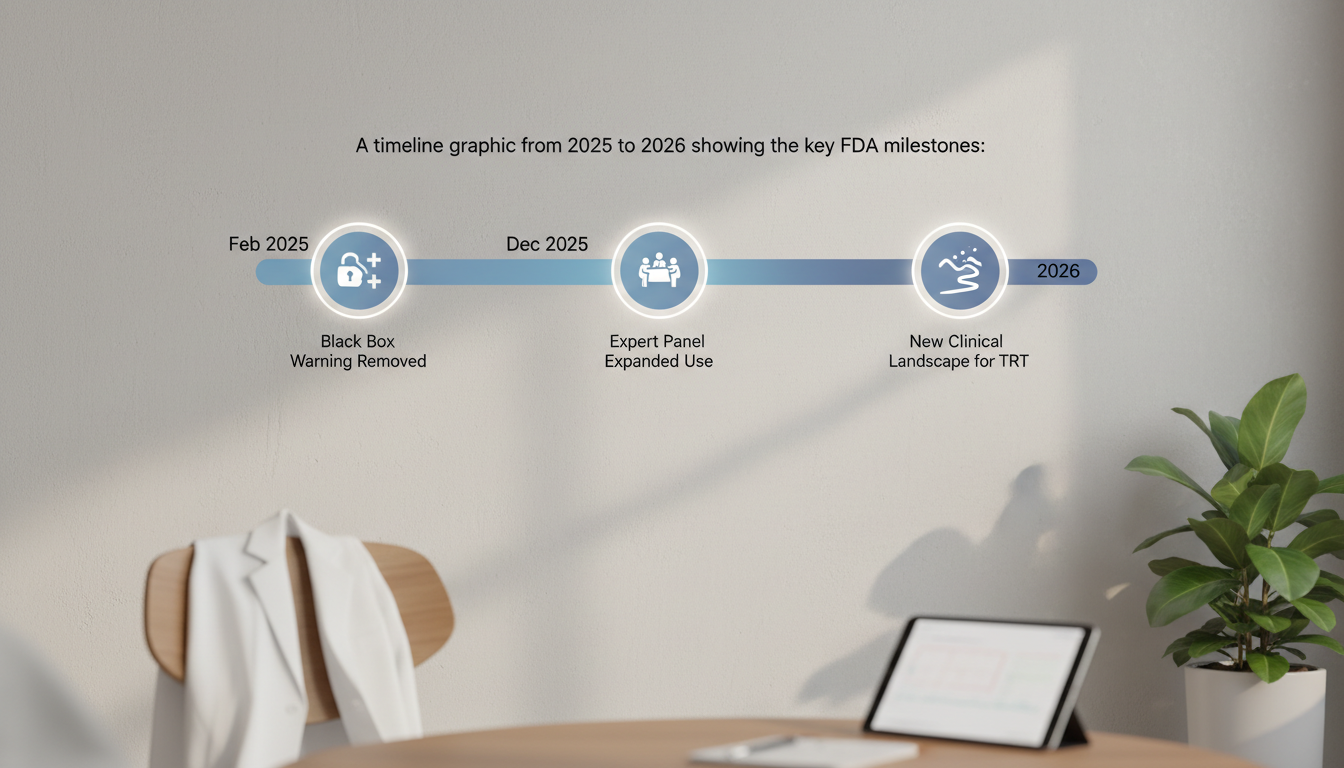
Historically, there were significant concerns about cardiovascular risks. However, groundbreaking changes have occurred recently. The FDA removed the black box warning regarding cardiovascular risks from all prescription testosterone products in February 2025 (Medical Foundation of NC). This decision was based on the TRAVERSE trial, a massive study of over 5,200 men that found no increased risk of major adverse cardiovascular events with TRT. Similarly, the long-standing contraindication for men with a history of prostate cancer is also being re-evaluated, with an FDA expert panel recommending its removal in December 2025.
It is crucial to understand that TRT is not for everyone. For example, testosterone therapy for a teenager is only considered in specific medical cases of delayed puberty or diagnosed hypogonadism, and it must be managed by a pediatric endocrinologist. It is also contraindicated in women who are pregnant or may become pregnant due to the risk of virilization in a female fetus.
How to Get Started with Testing and Treatment
The first step is always to get your levels checked. You can learn more about your options in our detailed guide on how to get testosterone tested. This involves a simple blood test, ideally performed in the morning when levels are highest. A 2026 review in Frontiers confirmed that testosterone serum levels are the most accurate and validated method for monitoring therapy, noting that saliva and dried blood spot tests are not recommended due to misleadingly high results.
The cost of testing can vary significantly. A study published in the International Journal of Impotence Research found a median price of $84.90 for a total testosterone test and $92.27 for a free testosterone test, but noted vast differences and a lack of price transparency at many hospitals. Working with an online testosterone therapy clinic can often streamline this process and provide clearer pricing.
If your blood work and symptoms indicate you are a candidate for TRT, your provider will discuss administration methods. These include:
- Injections: The most common method, typically testosterone enantate or cypionate, injected into the muscle or subcutaneously (just under the skin). A 2017 study found that subcutaneous injections result in stable serum testosterone levels, making it a convenient option for self-administration.
- Gels: Topical gels are applied to the skin daily. When considering what's testosterone gel, it's a convenient, non-invasive option. The testosterone gel instructions are simple: apply a measured dose to the shoulders or upper arms once a day. The main drawback is the risk of transference to others through skin contact.
- Patches: Adhesive patches that release testosterone through the skin.
- Pellets: Small pellets surgically implanted under the skin that release testosterone over several months.
Your provider will help you choose the best method based on your lifestyle, preferences, and how your body responds.
Thinking about taking the first step but not sure where to start? Our free quiz can help you find a vetted provider who specializes in hormone optimization and offers transparent, affordable testing.
Legal Status and FDA Approval in 2026
The legal and regulatory environment for testosterone therapy has seen dramatic and positive changes, making 2026 a pivotal year. Testosterone is classified as a Schedule III controlled substance by the DEA, which means it has an accepted medical use but also a potential for misuse. This classification impacts how it can be prescribed and dispensed.
The most significant recent development was the FDA's removal of the black box warning about cardiovascular risks in February 2025. This was a direct result of the TRAVERSE trial, which provided strong evidence of the therapy's cardiovascular safety in hypogonadal men. This change has fundamentally altered the risk-benefit conversation around TRT.
Following this, an FDA expert panel in December 2025 made several key recommendations that could further expand access and clarify the appropriate use of testosterone therapy (Medical Foundation of NC). These recommendations included:
- Expanding approved indications to include age-related testosterone deficiency.
- Removing the contraindication for men with a history of prostate cancer.
- Potentially reclassifying testosterone from a Schedule III substance.
These regulatory shifts are huge for patients and providers. They reduce the ambiguity that has long surrounded TRT, especially for telehealth platforms treating age-related low testosterone. The focus is shifting from a debate over the fundamental safety of the hormone itself to the quality of clinical care, monitoring, and oversight provided by specific clinics, whether online or in-person. As of April 2026, these changes make it easier for qualified men to access treatment under proper medical supervision.
FAQs About Testosterone Levels
When should I consider testosterone therapy?
You should consider discussing testosterone therapy with a provider if you are experiencing persistent symptoms of low testosterone and blood tests confirm a low level. Symptoms can include low energy, reduced libido, erectile dysfunction, depressed mood, and difficulty concentrating. The decision should be made after a thorough evaluation of your symptoms, blood work, and overall health.
What is the normal level of testosterone in males?
Defining a "normal" level of testosterone in males is complex. Lab reference ranges, like the 264–916 ng/dL cited by PeakedLabs, are statistical averages and not necessarily optimal health markers. Most clinicians consider a total testosterone level under 300-350 ng/dL on two separate morning tests, combined with symptoms, as the threshold for hypogonadism. According to droracle.ai, a normal free testosterone level is generally considered to be 63 pg/mL and above. It's crucial to interpret your levels in the context of your age and symptoms with a qualified provider.
Is there such a thing as female testosterone replacement therapy?
Yes. While testosterone is known as a male hormone, it is also essential for women's health, impacting libido, bone density, and muscle mass. Some women with low testosterone levels and related symptoms may benefit from TRT, though doses are much lower than those for men. It's important to see the female testosterone replacement therapy before and after results to understand the potential benefits and risks, which are different for women. You can read more about it on our post about testosterone for females.
Do testosterone levels decrease in young men?
It's a common belief that testosterone only declines in older men, but recent research suggests otherwise. A 2025 observational study published in the International Journal of Impotence Research followed 2,593 men between the ages of 20 and 44 and found a statistically significant decline in total testosterone levels year over year, even in this younger cohort. This highlights that age-related decline can start earlier than many people think.
How often do I need to monitor my testosterone serum levels on TRT?
After starting TRT, your provider will monitor your testosterone serum levels regularly to ensure you are on the correct dose. Typically, you will have blood work done every 3 to 6 months. This monitoring is essential to confirm your levels are in the optimal range and to check for potential side effects, like an increase in red blood cell count or changes in cholesterol levels. For injections, a common protocol involves checking levels two to three weeks after an initial Testosterone Enantate injection (emc, 2026).
Ready to take the next step in understanding your own hormonal health? Take our free 3-minute quiz to get matched with a licensed provider who can answer your questions and help you explore your options.
Contributing to evidence-based peptide education and provider transparency.
Too many clinics, not enough clarity?
We don't sell peptides. Tell us your goals and we'll connect you with a vetted provider who can figure out what actually makes sense for you.
See what's right for youRelated articles
Which Protein Supplements for Muscle Growth Actually Work?
Tired of the hype? Find out which protein supplements for muscle growth are backed by science and learn how to pick the right one for your goals.
Hormone TherapyWhat Are the Real Magnesium Glycinate Benefits?
Uncover the science-backed magnesium glycinate benefits. We explore its effects on sleep, stress, and muscle function and explain why it's a top choice.
Hormone TherapyWhat B12 Shot Benefits Can You Actually Expect?
B12 shots are often hyped for energy, but the real b12 shot benefits are more specific. Learn who is a true candidate and what results to expect.