How to Find Doctors & Clinics for Testosterone Nearby
Searching for 'testosterone nearby' but don't know where to start? We explain the types of clinics, what questions to ask, and how to get tested.

This content is for informational purposes only and does not constitute medical advice. Always consult with a qualified healthcare provider for any health concerns or before making any decisions related to your health or treatment.
You feel it. The persistent fatigue, the lack of motivation, the dip in your libido, and the frustrating inability to build muscle like you used to. These could be signs of low testosterone. If you've started searching for "testosterone nearby," you've already taken the first step toward getting answers. This guide is built to walk you through the entire process in 2026, from finding a provider to understanding your treatment options, costs, and the science behind it all. We will cover the different types of medication to boost testosterone, the realities of natural ways to boost your testosterone, and what to expect from start to finish.
Understanding Your Local and Online Options for Testosterone
When you're looking for testosterone nearby, your first question is likely, "Where do I even go?" The landscape of hormone optimization has expanded significantly, giving you more choices than ever before. Your options generally fall into two main categories: local in-person clinics and online telehealth platforms.
Local Healthcare Providers:
- Specialized Hormone Clinics: These clinics focus specifically on hormone replacement therapy (HRT). They often provide a complete service, including detailed lab work, consultation, medication, and ongoing monitoring. According to a 2026 analysis from Rewind Anti-Aging of Miami, these all-inclusive programs typically cost between $200 and $350 per month.
- Urologists and Endocrinologists: These are medical specialists who treat conditions related to the urinary tract and endocrine (hormone) system, respectively. They can diagnose and treat low testosterone according to established medical guidelines.
- Primary Care Physicians (PCPs): Your family doctor can be a good starting point. They can order initial blood tests and may be willing to manage your treatment, though some may refer you to a specialist.
Online TRT Clinics: Telehealth has made getting treatment more convenient. Online clinics offer virtual consultations, at-home testing kits, and medication shipped directly to your door.
- Subscription-Based Platforms: Companies like Hims have become major players. They offer an all-inclusive pricing model that bundles consultations, labs, and medication. For example, in 2026 Hims offers enclomiphene starting at $99 per month, which stimulates your body's own production. These platforms are expanding to include injectable and new oral testosterone options as well. Online clinic services can range from $75 to $250 per month, as reported by ShotFreeTRT.
- The Trade-Offs: The convenience of online care is clear. However, some online services may not offer the same depth of initial lab work (30-40+ biomarkers) that a specialized local clinic might provide. It's important to find a provider, whether online or in-person, who prioritizes thorough testing and follow-up.
Not sure which path is right for your symptoms and budget? Our community of vetted providers includes both leading online clinics and local specialists. Take our free quiz to get matched with a provider who fits your needs.
Exploring Medications to Boost Testosterone in 2026
Once you have a diagnosis of clinical hypogonadism, your provider will discuss treatment options. The goal is to restore your hormone levels to a healthy range, which can relieve symptoms and improve your quality of life. Here are the primary types of medication to boost testosterone available this year.
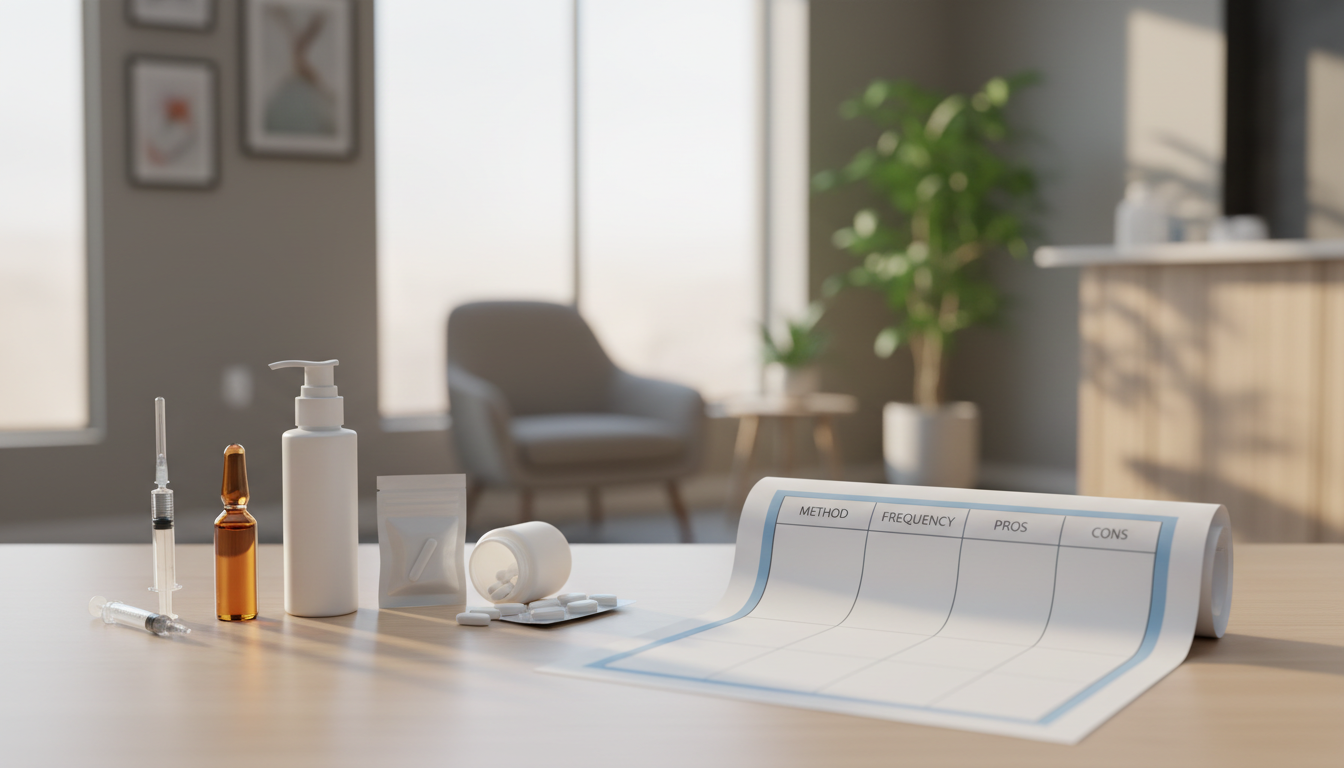
Testosterone Injections This is the most common and often most affordable form of TRT. Testosterone cypionate or enanthate is injected into a muscle or the subcutaneous fat.
- Dosing: A common protocol might be
0.25 ml of testosterone twice a week, but your exact dose will depend on your lab results and your doctor's protocol. Some men find that more frequent, smaller injections help maintain stable levels and minimize side effects. If you're wondering about your specific dose, our guide on if 0.5 mL of testosterone a week is enough may provide some useful context for your discussion with a doctor. - Cost: The medication itself can be as low as $20 per month. According to ShotFreeTRT, when you factor in clinic fees and supplies, the all-in cost for injections from an online clinic is typically $100-$250 per month.
Testosterone Gels These are transdermal gels that you apply daily to your skin, usually on the shoulders or upper arms.
- Pros & Cons: Gels provide a steady daily dose of testosterone. The main drawback is the risk of transferring the medication to others through skin contact.
- Cost: Gels can be more expensive, with monthly costs ranging from $45 to $300, depending on brand and insurance coverage (Cost Digest).
Testosterone Pellets Pellets are a long-acting option. A provider implants small pellets under the skin of your hip or buttock in a minor office procedure. These pellets slowly release testosterone over three to six months.
- Pros & Cons: Pellets offer a "set it and forget it" convenience. However, they are the most expensive option upfront, costing $500 to $1,200 per insertion (ShotFreeTRT). The dose also cannot be adjusted once implanted.
Oral Testosterone (KYZATREX™) A major development for 2026 is the growing accessibility of oral testosterone. Hims now offers an exclusive branded version of KYZATREX, an FDA-approved testosterone undecanoate pill.
- Efficacy: This is not an old, liver-toxic methyltestosterone. Clinical trials have shown that Kyzatrex is highly effective. One phase III study found 87.8% of men on the drug achieved normal testosterone levels. News from Hims stated it can double free testosterone levels on average.
- Safety: The primary side effect noted in trials was a small increase in blood pressure. A study published by Kyzatrex noted a systolic blood pressure increase of 1.7mmHg, which is a small but medically relevant change your doctor will monitor.
Enclomiphene For men who are concerned about preserving fertility, enclomiphene is an excellent alternative. It's a SERM (Selective Estrogen Receptor Modulator) that signals your brain to produce more of its own testosterone, rather than replacing it. Hims reports that its compounded enclomiphene can double testosterone levels without impacting sperm production.
Natural Ways to Boost Your Testosterone (and Their Limits)
Before starting medical therapy, many people want to know what are natural ways to boost testosterone. Lifestyle choices have a powerful impact on your hormonal health, and optimizing them is a crucial part of any wellness plan, whether you are on TRT or not.
Here are some of the most effective natural ways to boost your testosterone:
- Resistance Training: Lifting weights is one of the most proven methods for stimulating testosterone production. Focus on compound movements like squats, deadlifts, and presses.
- Get Enough Sleep: Your body produces a significant amount of testosterone while you sleep. Consistently getting 7-9 hours of quality sleep per night is non-negotiable for hormone health.
- Manage Stress: Chronic stress elevates cortisol, a hormone that has an inverse relationship with testosterone. When cortisol is high, testosterone often goes down. Practices like meditation, deep breathing, or even just taking walks in nature can help manage cortisol levels.
- Optimize Your Diet: Ensure you're eating a balanced diet with adequate protein, healthy fats, and complex carbohydrates. Certain micronutrients are also key:
- Zinc: This mineral is essential for testosterone production. Foods rich in zinc include oysters, red meat, and pumpkin seeds.
- Vitamin D: Often called the "sunshine vitamin," Vitamin D functions like a steroid hormone in the body. Many people are deficient, and supplementation can help support T levels. You can learn more about its importance in our article on vitamin D supplements for women, as the principles apply to everyone.
While these methods are beneficial, they have their limits. If you have been diagnosed with clinical hypogonadism, natural methods alone are unlikely to raise your testosterone levels enough to resolve significant symptoms. Think of them as the foundation. Medical therapy is the targeted tool used to fix a specific deficiency.
Want to see which options fit your budget and goals? Our free quiz takes 3 minutes and matches you with vetted providers who can create a plan that works for you, whether that starts with lifestyle changes or medical therapy. Start the free quiz here.
Key Considerations and Medical Guidelines for Testosterone Nearby
When you seek out testosterone nearby, it's not just about getting a prescription. It's about entering a partnership with a healthcare provider who will monitor your health safely and effectively. This involves understanding the established guidelines, potential risks, and the importance of ongoing lab work.
AUA Guidelines and Proper Diagnosis
The American Urological Association (AUA) provides clear recommendations for TRT. The AUA guidelines testosterone replacement state that a diagnosis of low T requires two key things:
- Symptoms: You must have consistent symptoms like fatigue, low libido, or erectile dysfunction.
- Low Blood Levels: Your condition must be confirmed with at least two separate morning blood tests showing low testosterone levels.
These guidelines also emphasize that TRT is not recommended for men who are currently trying to conceive, as it shuts down the body's natural sperm production. For a deeper look at what high or low levels can mean, our pillar post on high testosterone symptoms offers valuable insights.
The Prostate Question
One of the most common concerns is the testosterone effect on prostate health. For years, it was thought that TRT increased the risk of prostate cancer. However, modern evidence has largely debunked this. The current understanding is that for men with low testosterone, restoring levels to a normal range does not cause prostate cancer.
However, TRT is still contraindicated for men with an active, known prostate cancer. Your doctor will monitor your Prostate-Specific Antigen (PSA) levels before and during therapy as a standard precaution. Interestingly, cutting-edge research is now exploring testosterone injections prostate cancer treatment in specific scenarios. A 2026 Phase 2a clinical trial is studying high-dose testosterone to treat certain advanced forms of prostate cancer, showing how complex this relationship truly is.
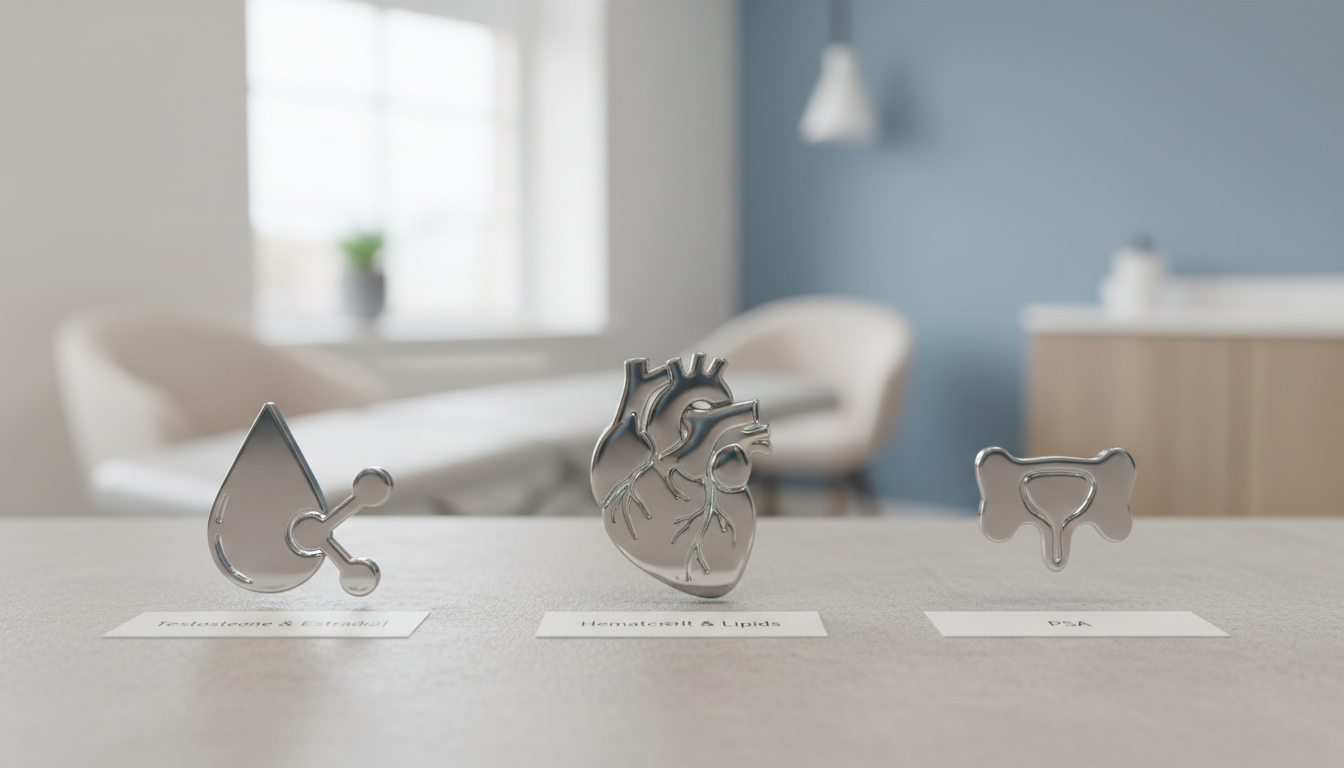
Comprehensive Lab Monitoring Effective TRT requires more than just testing your total testosterone. A good provider will monitor a full panel of biomarkers. This includes:
- Total and Free Testosterone: Total T is all the testosterone in your blood, while free T is the unbound, active portion your body can use. Labs often report this as
free testosterone direct pg/ml. - Estradiol (E2): Some testosterone converts into estrogen. Levels that are too high or too low can cause side effects.
- Hematocrit: TRT can increase your red blood cell count. If it gets too high, it can thicken your blood and increase clot risk.
- PSA: As mentioned, this is monitored for prostate health. Getting your levels checked is simple, and you can even start with an at-home testosterone testing kit.
Testosterone Therapy for Women
While TRT is most often associated with men, some women use it off-label to address symptoms like low libido, fatigue, and brain fog, especially after menopause. Finding good evidence for female use can be challenging. For example, a major 2026 clinical trial published in Nature Communications found that testosterone gel did not improve IVF outcomes for women with diminished ovarian reserve. This highlights the need for more research. Insurance coverage for female TRT is rare, so does insurance cover testosterone for women is a question that usually gets a "no" for an answer, making it an out-of-pocket expense. The physical and mental changes can be significant, as explored in articles about testosterone before and after female transformations.
Ready to explore your options with a licensed professional who understands the full picture? Take our free 3-minute quiz to get matched with a licensed provider who can help.
FAQs
What are the benefits of testosterone therapy?
When prescribed for a diagnosed deficiency, the benefits can be life-changing. What are the benefits of testosterone therapy often reported by patients include increased energy and motivation, improved mood and cognitive function, enhanced libido and sexual performance, increased muscle mass, and decreased body fat.
How much does testosterone therapy cost per month in 2026? The all-in monthly cost for TRT in 2026 generally ranges from $100 to $350. This price typically includes provider consultations, medication, and necessary supplies. According to Cost Digest, the annual budget can be anywhere from $1,000 to over $4,000, depending on the delivery method and clinic type.
Can testosterone help with facial hair growth?
Yes, testosterone for facial hair growth is a noticeable effect for many men. Testosterone is the primary hormone responsible for developing secondary male characteristics, including facial and body hair. If you have the genetic predisposition for a beard, TRT can often make it grow thicker and fuller.
Is TRT safe if I have prostate concerns? This is a critical conversation to have with your doctor. Current evidence shows TRT does not cause prostate cancer in men being treated for hypogonadism. However, it is not prescribed to men with active prostate cancer. Your provider will monitor your PSA levels regularly as a standard safety measure.
What's the difference between total and free testosterone? Total testosterone is the measure of all testosterone in your bloodstream, including testosterone bound to proteins (like SHBG and albumin). Free testosterone is the small fraction (about 2%) that is unbound and biologically active, meaning it's available for your body's cells to use. Your doctor will likely measure both to get a complete picture of your hormone status.
Contributing to evidence-based peptide education and provider transparency.
Too many clinics, not enough clarity?
We don't sell peptides. Tell us your goals and we'll connect you with a vetted provider who can figure out what actually makes sense for you.
See what's right for youRelated articles
Which Protein Supplements for Muscle Growth Actually Work?
Tired of the hype? Find out which protein supplements for muscle growth are backed by science and learn how to pick the right one for your goals.
Hormone TherapyWhat Are the Real Magnesium Glycinate Benefits?
Uncover the science-backed magnesium glycinate benefits. We explore its effects on sleep, stress, and muscle function and explain why it's a top choice.
Hormone TherapyWhat B12 Shot Benefits Can You Actually Expect?
B12 shots are often hyped for energy, but the real b12 shot benefits are more specific. Learn who is a true candidate and what results to expect.