Does TRT Work? A Realistic Look at the Results
Wondering does TRT work? We give you the straight answer. Learn who TRT is actually for, the real benefits you can expect, and the potential risks.

This content is for informational purposes only and does not constitute medical advice. Always consult with a qualified healthcare provider for diagnosis and treatment of medical conditions.
If you're asking "does TRT work," you're asking the right question. The short answer is yes, for the right person. Testosterone Replacement Therapy (TRT) is a medical treatment that can significantly improve symptoms of low testosterone, but it's not a one-size-fits-all fix. It’s designed to restore hormone levels in men with clinically diagnosed hypogonadism, not as a shortcut to building muscle for anyone. This guide breaks down the common questions about TRT using the most current 2026 research to give you clear, straightforward answers.
Not sure if your symptoms point to low T or something else? Understanding your health profile is the first step. Take our free 3-minute quiz to get matched with a provider who can guide you toward the right testing and treatment options.
Does TRT Work? A Breakdown of General Questions
What is TRT and who is it actually for?
Testosterone Replacement Therapy is a medical treatment prescribed to restore testosterone to normal physiological levels. It is not an over-the-counter supplement or a performance-enhancing drug for bodybuilders. According to current 2026 FDA guidelines, TRT is approved specifically for men who have confirmed hypogonadism (low testosterone) diagnosed through blood tests and a clinical evaluation of symptoms (ShotFreeTRT, 2026). This means it is intended to treat a legitimate medical condition characterized by symptoms like chronic fatigue, low libido, brain fog, and mood swings. It’s not for men with normal testosterone levels seeking an athletic edge. You can learn more in our detailed guide on what TRT is and who it's for.
How do I know if I need TRT?
You can't know for sure without proper medical testing. Symptoms like persistent fatigue, reduced sex drive, difficulty concentrating, and loss of muscle mass are common indicators, but they can also be caused by other issues like poor sleep or diet. A proper diagnosis requires blood work to confirm consistently low testosterone levels. Clinical guidelines often define this as a total morning testosterone level below 300 ng/dL on at least two separate occasions (Interactive Wellness, 2026). A provider will also evaluate reversible causes, such as obesity or sleep apnea, before recommending TRT. Learn more about the process in our guide on how to test your testosterone levels.
How quickly does TRT work?
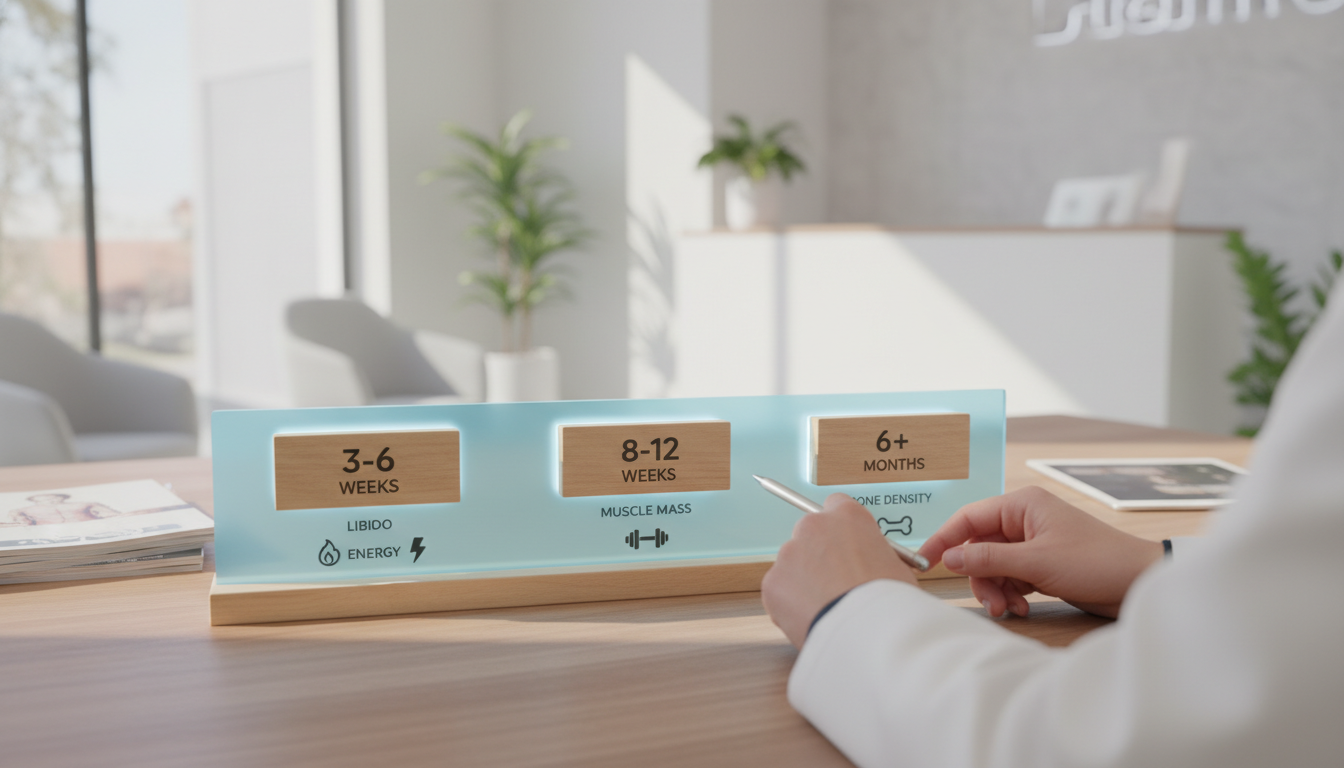
The timeline for results varies by symptom. You may start feeling improvements in libido, energy levels, and overall mood within 3 to 6 weeks of starting treatment. Changes in body composition, such as an increase in lean muscle mass and a decrease in fat, typically become more noticeable around 8 to 12 weeks. More significant structural changes, like improvements in bone mineral density, take much longer and can require six months to a few years to become apparent (ShotFreeTRT, 2026). Patience is key; the benefits of TRT build gradually over time as your hormone levels stabilize. For a visual timeline, check out our post on TRT before and after results.
What results can I realistically expect?
When properly administered for diagnosed hypogonadism, TRT can lead to significant quality-of-life improvements. Patients often report restored energy levels, improved mood and cognitive function, increased libido and sexual function, and enhanced body composition. A 2025 study (LITROS) found that in older men, TRT combined with lifestyle therapy improved the way skeletal muscles generate energy, which helps preserve muscle mass and function (Frontiers, 2025). The goal is to restore your testosterone to a healthy, normal range, not to create artificially high levels. This optimization brings you back to your baseline, helping you feel like yourself again. Explore more about the positive outcomes in our article on testosterone injection benefits.
Does TRT work for weight loss?
TRT is not a weight loss drug, but it can support weight management. By restoring normal testosterone levels, TRT can help increase lean muscle mass and metabolic rate. As seen in the LITROS trial, it improves how your muscles use energy, which can contribute to better body composition (Frontiers, 2025). This shift can make it easier to lose fat and build muscle when combined with diet and exercise. However, TRT alone is not a solution for weight loss. For individuals whose primary goal is weight reduction, other treatments like GLP-1 medications may be more appropriate and can be discussed with your provider.
How much does TRT cost per month?
The cost of TRT can vary widely based on the type of testosterone, brand name, and your insurance coverage. Generic testosterone cypionate injections are often the most affordable option, with monthly costs ranging from $30 to $80. On the other end, branded transdermal gels or long-acting pellets can be significantly more expensive, costing anywhere from $200 to over $800 per month (ShotFreeTRT, 2026). These prices often do not include the cost of doctor's visits, consultations, and required lab work for monitoring. For a complete financial picture, see our breakdown of how much TRT is per month.
Does TRT Work Safely? Answering Questions on Side Effects and Risks
So, does TRT have negative side effects?
Yes, like any medical treatment, TRT has potential side effects. Many common ones are manageable and may include acne, oily skin, or mild fluid retention. However, a more serious risk is polycythemia, which is an increase in red blood cell concentration that can thicken the blood. This condition requires regular monitoring of your hematocrit levels through blood tests to manage the risk (TheBH.us). Other potential side effects include testicular shrinkage and possible hair loss acceleration in those genetically predisposed. Open communication with your doctor is essential to monitor for and manage any negative effects that arise during treatment.
Does TRT increase blood pressure?
It can. While major cardiovascular events were not increased in a key study, the FDA did add a warning about potential blood pressure increases to testosterone product labels in 2025 (Interactive Wellness, 2026). This highlights the importance of monitoring your blood pressure while on TRT. Furthermore, a 2026 Mendelian randomization study suggested that men with genetically higher lifelong testosterone levels had a 17% increased risk of coronary artery disease, which was thought to be linked to higher blood pressure. This reinforces that the goal of TRT is to normalize levels, not push them into a supraphysiologic or "supercharged" range.
What about heart attacks and strokes? Is TRT safe for my heart?
This is a major concern, and recent data has provided much-needed clarity. The landmark TRAVERSE trial, a large-scale study of over 5,000 men with hypogonadism and high cardiovascular risk, provided reassuring results. The study found that TRT was "non-inferior" to a placebo for major adverse cardiovascular events (MACE), like heart attacks and strokes. The MACE rate was 7.0% in the TRT group compared to 7.3% in the placebo group (Dr. T S Didwal, 2026). Based on this robust evidence, the FDA officially removed the "boxed warning" regarding heart attack and stroke risk from all testosterone products in February 2025 (TheBH.us).
Are there other cardiovascular risks with TRT?
While the TRAVERSE trial was reassuring regarding MACE, it did highlight other cardiovascular concerns. The study found statistically significant increases in the incidence of atrial fibrillation (3.5% in the TRT group vs. 2.4% for placebo) and non-fatal arrhythmias (5.2% vs. 3.3%) (Hackett, 2024). Additionally, there was an increased risk of venous thromboembolism (VTE), which includes deep vein thrombosis and pulmonary embolism (1.7% vs. 1.2%) (TRTed.org). These findings suggest that while heart attack risk isn't elevated, TRT should be used with caution in patients with a pre-existing history of arrhythmias or blood clots.
Navigating the risks and benefits of TRT can feel complex. Want to see which options fit your health profile and goals? Our free quiz takes just 3 minutes and matches you with a vetted provider who can offer professional guidance.
Does TRT cause polycythemia (high red blood cells)?
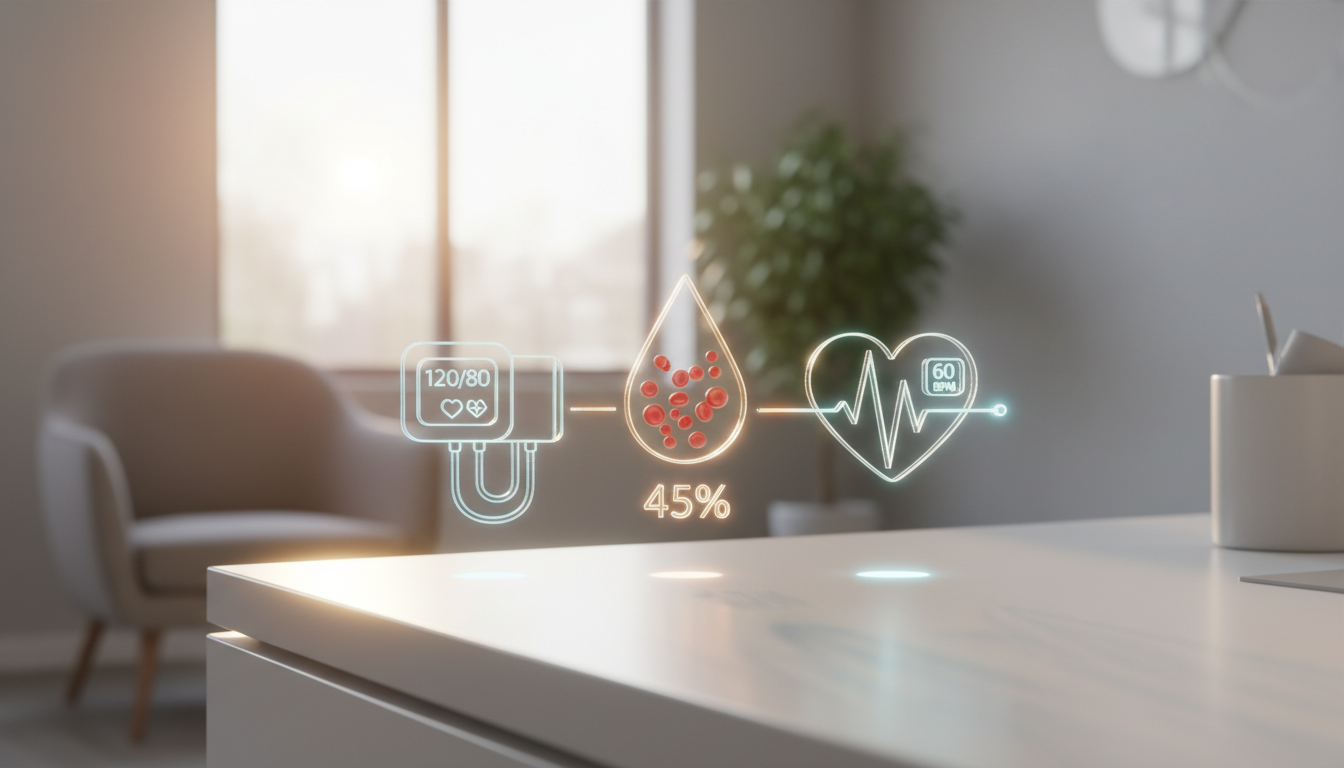
Yes, this is one of the most well-known potential side effects of TRT. Testosterone stimulates the production of erythropoietin (EPO) in the kidneys, a hormone that signals the bone marrow to produce more red blood cells. In some men, this can lead to polycythemia or erythrocytosis, a condition where the red blood cell count becomes too high. This thickens the blood, potentially increasing the risk of clotting events. Because of this, regular monitoring of blood counts, specifically hematocrit and hemoglobin levels, is a standard and non-negotiable part of safe TRT management (TheBH.us).
Will TRT make me go bald?
TRT does not directly cause male pattern baldness, but it can accelerate it in men who are already genetically predisposed. Male pattern baldness is primarily an inherited trait linked to sensitivity to the hormone dihydrotestosterone (DHT). Testosterone can be converted into DHT in the body. If you are genetically susceptible to hair loss, the increased testosterone from TRT can lead to higher DHT levels, potentially speeding up the thinning process. If you are not genetically predisposed, TRT is unlikely to cause you to lose your hair.
Does TRT cause testicular atrophy?
Yes, some degree of testicular shrinkage, or atrophy, is a common and expected side effect of TRT. When you introduce testosterone from an external source, your brain's pituitary gland senses that the body has enough. As a result, it stops sending signals (Luteinizing Hormone, or LH) to the testes to produce their own testosterone. This shutdown of natural production causes the testes to decrease in size (Interactive Wellness, 2026). This effect is often reversible if TRT is stopped, but it's an important factor to discuss with your provider, especially if future fertility is a concern.
TRT and Specific Health Concerns
Is TRT safe if I have a history of prostate cancer?
This is a sensitive area that requires expert consultation. Historically, TRT was considered an absolute contraindication for men with a history of prostate cancer. However, recent evidence is beginning to challenge this. A 2025 scoping review of 12 studies found that TRT in men who had undergone definitive treatment for prostate cancer was generally not associated with an increased risk of cancer recurrence (Nature.com, 2025). Despite these promising findings, the data is still limited. The decision to use TRT after prostate cancer must be made in close partnership with both an endocrinologist and an oncologist.
Does TRT cause prostate cancer?
Current evidence suggests it does not. A major component of the TRAVERSE trial was to assess prostate safety. The study followed over 5,200 men and found no significant difference in the incidence of high-grade prostate cancer (0.19% in the TRT group vs. 0.12% in the placebo group) or any prostate cancer over the study period. The trial also showed no increased risk of other prostate-related issues like acute urinary retention or the need for invasive procedures (JAMA Network Open). This data provides strong reassurance about the prostate safety of TRT in carefully selected and monitored men.
Are there different types of TRT? Which one is best?
Yes, TRT is available in several forms, each with its own pros and cons. The most common methods include intramuscular injections (cypionate or enanthate), transdermal gels or creams, and subcutaneous pellets that are implanted under the skin. Injections are often cost-effective and provide stable levels with proper frequency. Gels are easy to apply but carry a risk of transference to others. Pellets offer a convenient "set it and forget it" approach but require a minor in-office procedure for insertion. There are also less common forms, like testosterone tablets for men. The "best" type depends on your lifestyle, budget, and your doctor's recommendation.
Can I get TRT online?
Yes, it is possible and increasingly common to receive a prescription for TRT through a qualified telehealth provider. Reputable online clinics connect you with licensed physicians who conduct a full evaluation, including reviewing symptoms and comprehensive lab work, before prescribing treatment. This can be a convenient way to access care. However, it's vital to choose a legitimate platform that follows medical guidelines. You can find more information in our guide to online doctors that prescribe testosterone in the US or by browsing our directory of vetted clinics.
Ready to see if you're a candidate and explore your treatment options? The first step is a conversation with a qualified professional. Take our free 3-minute quiz to get matched with a licensed provider who can create a plan for you.
FAQs
How long do you have to be on TRT?
For most men with diagnosed hypogonadism, TRT is considered a lifelong treatment. The condition of having low testosterone does not typically resolve on its own. Stopping therapy will cause your testosterone levels to return to their previously low baseline, and your symptoms will likely reappear.
Does TRT stop working over time?
No, TRT itself does not "stop working." Your body does not build a tolerance to testosterone. However, your dosage may need to be adjusted over time based on follow-up blood work and changes in symptoms. Consistent monitoring with your healthcare provider ensures the therapy remains effective and levels stay within the optimal range.
Can you stop TRT once you start?
Yes, you can stop TRT, but it should be done under a doctor's supervision. When you stop, your body’s natural testosterone production will have been suppressed. It can take several weeks or even months for your natural production to recover. Your provider may recommend a specific protocol, sometimes involving other medications, to help restart your system and minimize symptoms during the transition.
Does TRT really improve mood and energy?
For men with clinically low testosterone, yes. Fatigue, irritability, and depressive symptoms are classic signs of hypogonadism. Restoring testosterone levels to a normal, healthy range can have a profound positive impact on mood, motivation, and overall energy levels. Many patients report feeling more like their old selves within the first one to two months of treatment.
Contributing to evidence-based peptide education and provider transparency.
Too many clinics, not enough clarity?
We don't sell peptides. Tell us your goals and we'll connect you with a vetted provider who can figure out what actually makes sense for you.
See what's right for youRelated articles
Which Protein Supplements for Muscle Growth Actually Work?
Tired of the hype? Find out which protein supplements for muscle growth are backed by science and learn how to pick the right one for your goals.
Hormone TherapyWhat Are the Real Magnesium Glycinate Benefits?
Uncover the science-backed magnesium glycinate benefits. We explore its effects on sleep, stress, and muscle function and explain why it's a top choice.
Hormone TherapyWhat B12 Shot Benefits Can You Actually Expect?
B12 shots are often hyped for energy, but the real b12 shot benefits are more specific. Learn who is a true candidate and what results to expect.