What to Do About Mounjaro Sleep Side Effects
Experiencing insomnia or fatigue on Mounjaro? Learn about the common mounjaro sleep side effects, why they occur, and practical tips to get better rest.

This content is for informational purposes only and does not constitute medical advice. Consult with a qualified healthcare professional before making any decisions about your health or treatment.
Mounjaro (tirzepatide) has become a popular treatment for type 2 diabetes and off-label weight management, largely due to its impressive results. But as with any medication, understanding the potential side effects is crucial. Many users ask about mounjaro sleep side effects, wondering if the treatment will keep them up at night. While you might notice some changes to your sleep, the connection is rarely direct.
This guide will break down the latest 2026 safety information on Mounjaro. We'll cover everything from common gastrointestinal issues to the latest FDA warnings, and explain what is really happening with mounjaro sleep side effects. Our goal is to give you a clear, evidence-based picture of what you might experience, so you can have an informed conversation with your healthcare provider.
Common Side Effects of Mounjaro
Most of Mounjaro’s side effects are gastrointestinal and tend to be most noticeable when you start the medication or increase your dose. These effects are often temporary, improving as your body adjusts.
Clinical trials give us a clear look at how often people experience these issues. The most common possible side effects of Mounjaro (occurring in at least 5% of patients) are primarily related to the digestive system, as the medication works in part by slowing down how quickly your stomach empties.
Here’s a breakdown of the most common reactions and their frequency, according to data from Mounjaro's SURPASS clinical trials:
| Side Effect | Frequency (5 mg dose) | Frequency (10 mg dose) | Frequency (15 mg dose) |
|---|---|---|---|
| Nausea | 17% | 22% | 24% |
| Diarrhea | 13% | 17% | 20% |
| Decreased Appetite | 9% | 15% | 17% |
| Vomiting | 6% | 8% | 9% |
| Constipation | 7% | 8% | 9% |
| Indigestion (Dyspepsia) | 6% | 8% | 8% |
| Abdominal Pain | 6% | 7% | 7% |
(Source: Mounjaro Prescribing Information, Telehealth Ally)
As you can see, mounjaro gi side effects are dose-dependent, meaning they can become more likely as you move to higher doses. For many people, these symptoms are mild to moderate and typically subside within the first two to four weeks after each dose increase. If you are experiencing persistent or severe symptoms, it's always best to check in with your provider. You can find more detail on what to expect at different dosages in our guides to side effects of Mounjaro 5mg and Mounjaro 12.5 mg side effects.
Serious Side Effects to Watch For
While less common, Mounjaro has some serious potential risks that you and your doctor must be aware of. The FDA requires these to be highlighted so patients can make safe and informed decisions.
Boxed Warning: Risk of Thyroid C-Cell Tumors
Mounjaro has a "boxed warning," the most serious type of warning from the FDA. In studies with rats, tirzepatide caused thyroid C-cell tumors. It is still unknown if Mounjaro causes these tumors, including a type of thyroid cancer called medullary thyroid carcinoma (MTC), in humans (FDA Prescribing Information). Because of this risk, Mounjaro is contraindicated (should not be used) in patients with a personal or family history of MTC or in patients with Multiple Endocrine Neoplasia syndrome type 2 (MEN 2).
Pancreatitis
Inflammation of the pancreas, or pancreatitis, has been reported in patients using GLP-1 receptor agonists like Mounjaro. This is a rare but serious condition. You should stop using Mounjaro and call your healthcare provider immediately if you have severe pain in your stomach area that will not go away, with or without vomiting.
Gallbladder Problems
Mounjaro can sometimes cause gallbladder problems, including gallstones. This may require surgery. Watch for symptoms like pain in your upper stomach, fever, yellowing of the skin or eyes (jaundice), or clay-colored stools.
Severe Gastrointestinal Disease
In November 2024, the FDA updated Mounjaro's label to include a warning about severe gastrointestinal adverse reactions (FDA Approval Letter). While most GI issues are mild, some patients have experienced severe nausea, vomiting, and diarrhea, leading to dehydration and, in some cases, kidney problems.
Risk of Pulmonary Aspiration During Surgery
Another important update from late 2024 involves the risk of pulmonary aspiration for patients undergoing surgery. Because Mounjaro delays stomach emptying, there is a concern that food could remain in the stomach longer than usual. This increases the risk of aspirating (breathing in) stomach contents into the lungs during general anesthesia or deep sedation. Your doctor will likely advise you to stop taking Mounjaro for a period before any planned elective surgery.
Navigating these potential risks can feel overwhelming. A qualified provider can help you weigh the benefits against the risks based on your personal health profile. Not sure where to start?
Take our free 3-minute quiz to get matched with a licensed provider who can help.

Understanding Mounjaro Sleep Side Effects
So, what about mounjaro sleep side effects? It’s a common question, but surprisingly, insomnia is not listed as a direct or common side effect in major clinical trials for tirzepatide (GLP-1 Side Effects FAQ 2026).
However, some patients do report temporary changes in their sleep patterns, such as having trouble falling or staying asleep. Research suggests these issues are almost always indirect and related to other side effects or lifestyle changes caused by the medication. Here’s what might be happening:
- Nausea or Discomfort: Feeling nauseous or having an upset stomach can make it very difficult to get comfortable and fall asleep.
- Reduced Evening Appetite: Mounjaro significantly suppresses appetite. If you eat very little in the evening, you might wake up from hunger or have less stable blood sugar overnight, which can disturb sleep.
- Dose Adjustments: Sleep issues seem to be more common when starting the medication or right after a dose increase, as your body adjusts to the new level of the drug.
- Anxiety: Starting a new, powerful medication can sometimes cause temporary anxiety, which is a well-known cause of insomnia.
The good news is that for most people, these sleep disturbances improve within two to eight weeks as their body gets used to the treatment (Mayfair Weight Loss Clinic).
The Long-Term View: Mounjaro Can Improve Sleep
While there may be a short-term adjustment period, the long-term impact of Mounjaro on sleep is overwhelmingly positive, especially for individuals with obesity.
The landmark SURMOUNT-OSA trials demonstrated that tirzepatide significantly reduced the severity of obstructive sleep apnea (OSA) in adults with obesity. Participants experienced a dramatic reduction in the apnea-hypopnea index (AHI), a key measure of OSA severity, along with significant mounjaro side effects weight loss (NEJM). By helping you lose weight, Mounjaro can directly address one of the primary physical causes of poor sleep, leading to better rest and improved overall health in the long run.
Who Should Not Take Mounjaro?
Mounjaro is not safe or suitable for everyone. Your doctor will review your medical history to ensure it's a good fit. You should not take Mounjaro if you:
- Have a personal or family history of medullary thyroid carcinoma (MTC).
- Have an endocrine system condition called Multiple Endocrine Neoplasia syndrome type 2 (MEN 2).
- Have had a serious allergic reaction to tirzepatide or any of the ingredients in Mounjaro.
It's also important to use caution and discuss the risks with your provider if you have a history of:
- Pancreatitis
- Kidney problems or diabetic retinopathy
- Stomach problems, such as gastroparesis (slowed stomach emptying)
- Plans to become pregnant, are pregnant, or are breastfeeding
Mounjaro has been approved for use in pediatric patients aged 10 years and older with type 2 diabetes, but its safety profile is still being closely watched in this group (Mounjaro Prescribing Information). For more information on general safety, see our article, "Is Mounjaro Safe for Weight Loss?".
Mounjaro Drug Interactions
Mounjaro can interact with other medications, which can alter its effectiveness or increase your risk of side effects.
The most significant interaction is with medications used to manage blood sugar, such as insulin or sulfonylureas. Taking Mounjaro with these drugs can greatly increase your risk of hypoglycemia (low blood sugar). Your doctor will likely need to adjust the dose of your other diabetes medications to prevent this (Telehealth Ally).
Additionally, because Mounjaro slows stomach emptying, it can affect how your body absorbs oral medications. This is especially important for drugs that require rapid absorption, like certain forms of birth control. If you take oral contraceptive pills, your doctor may recommend using a non-oral contraceptive method for 4 weeks after starting Mounjaro and for 4 weeks after each dose increase.
Always tell your provider about all the medications you take, including prescription drugs, over-the-counter medicines, vitamins, and herbal supplements. You can also use our free drug interaction checker tool to investigate potential issues.
How to Manage Common Side Effects
Dealing with side effects can be frustrating, but there are many simple strategies to help manage them as your body adjusts. For a detailed timeline, check out our post on how long Mounjaro side effects last.
For Mounjaro GI Side Effects (Nausea, Diarrhea, Vomiting):
- Eat Small, Frequent Meals: Large meals can overwhelm a slowed-down digestive system.
- Choose Bland Foods: Stick to foods like toast, rice, and bananas when feeling nauseous. Avoid greasy, spicy, or very sweet foods.
- Stay Hydrated: Sip water, clear broths, or electrolyte drinks throughout the day, especially if you have diarrhea or vomiting. Dehydration can also cause mounjaro headache side effects.
- Avoid Lying Down After Eating: Stay upright for at least an hour after meals to help with digestion.
For Mounjaro Sleep Side Effects (Insomnia):
- Address the Root Cause: If nausea is keeping you up, focus on managing it with the tips above.
- Maintain a Routine: Go to bed and wake up around the same time each day, even on weekends.
- Avoid Large Evening Meals: A heavy meal close to bedtime can worsen digestive discomfort.
- Create a Relaxing Bedtime Ritual: Read a book, take a warm bath, or practice gentle stretching.
For Injection Site Reactions:
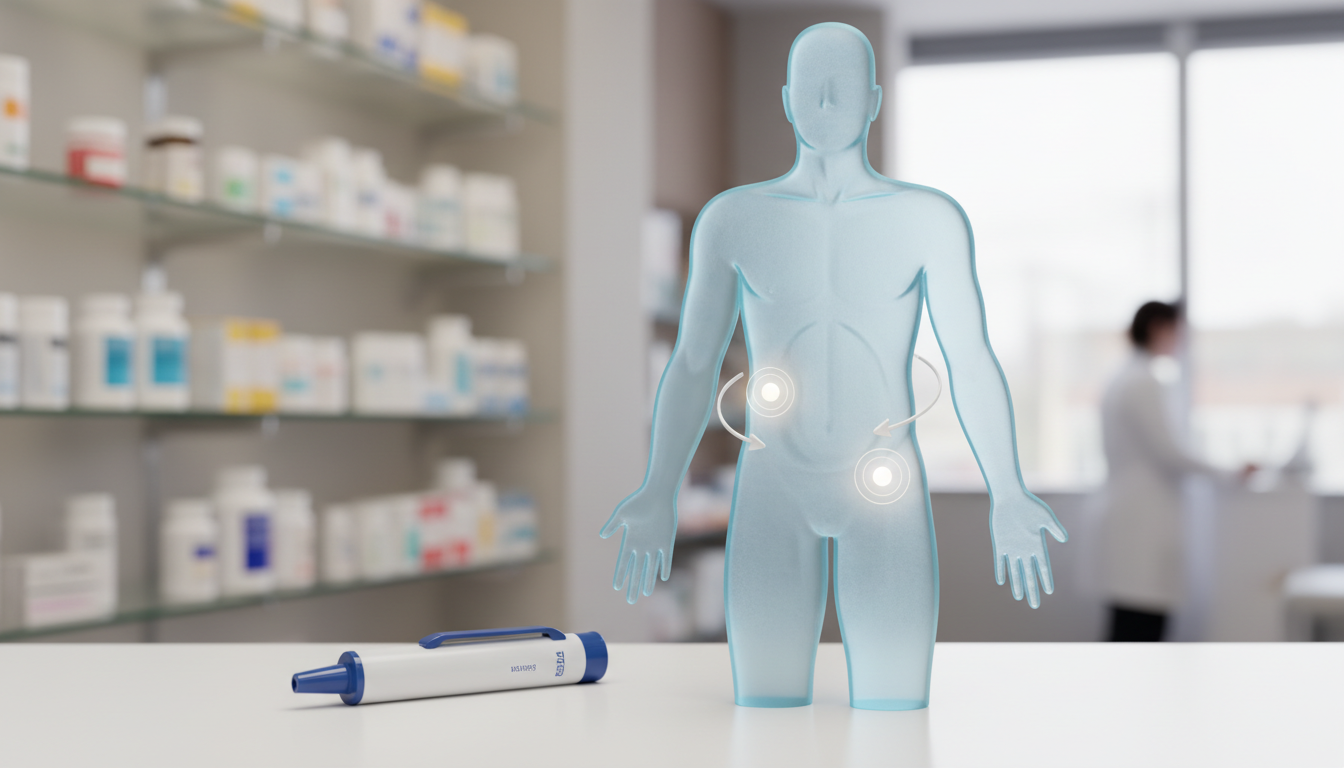
- Rotate Injection Sites: The best place to inject Mounjaro for less side effects is a rotation between your abdomen, thigh, and the back of your upper arm. Avoid injecting into the exact same spot every time.
For Mounjaro Side Effects Skin and Hair:
- Hair Loss: Some people experience temporary hair thinning (telogen effluvium) due to rapid weight loss. Ensure you’re getting enough protein and nutrients to support hair health. This mounjaro hair loss side effects is usually not permanent.
- Skin Sensations: A rare side effect called dysesthesia (abnormal skin sensations like burning or tingling) was noted in a 2024 FDA label update. If you experience this, discuss it with your provider.
Finding the right strategies can make a big difference. Want to see which treatment options and management plans might fit your goals?
Our free quiz takes 3 minutes and matches you with vetted providers.
Exploring Mounjaro Heart Side Effects and Other Concerns
Beyond the common issues, people often have questions about other potential effects like mounjaro heart side effects or mood changes.
The SURMOUNT-OSA trials provided encouraging news on this front. Tirzepatide treatment not only improved sleep apnea but also led to significant improvements in cardiometabolic risk factors. Participants saw reductions in blood pressure, inflammation markers (hsCRP), and better lipid profiles (Nature Medicine). This suggests Mounjaro may have a protective effect on the heart, likely driven by weight loss and reduced sleep apnea severity.
As for mounjaro depression side effects, the FDA investigated reports of suicidal thoughts with GLP-1 medications and, in a 2024 review, found no causal link. Clinical trial data showed that rates of depression were similar between patients taking tirzepatide and those taking a placebo. However, the label does advise monitoring for any mood changes.
Finally, what about mounjaro sexual side effects women might experience? Clinical trials have not identified specific sexual side effects. However, the dramatic hormonal and physical changes that come with significant weight loss can impact libido and sexual function, sometimes for the better and sometimes causing temporary shifts.
When to See a Doctor
While most side effects are manageable at home, some situations require immediate medical attention. Contact your healthcare provider right away or seek emergency care if you experience:
- Severe abdominal pain that doesn't go away, which could be a sign of pancreatitis.
- Signs of a serious allergic reaction, such as swelling of your face, lips, tongue, or throat; problems breathing or swallowing; severe rash or itching; fainting or feeling dizzy; or a very rapid heartbeat.
- Symptoms of gallbladder disease, like pain in your upper abdomen, fever, or jaundice.
- Severe and persistent vomiting or diarrhea that leads to signs of dehydration like dark urine, dry mouth, or dizziness.
- Changes in your vision, which could be a sign of diabetic retinopathy complications.
- A lump or swelling in your neck, hoarseness, or trouble swallowing, which could be signs of a thyroid tumor.
When in doubt, it's always safest to call your doctor or visit one of the many peptide clinics near you.
Ready to take the next step in your health optimization? A knowledgeable provider can guide you through a personalized plan that fits your needs and helps you manage any potential side effects.
Find a provider today by taking our free 3-minute quiz.
FAQs
What are the most common Mounjaro side effects?
The most common side effects are gastrointestinal, including nausea, diarrhea, decreased appetite, vomiting, and constipation. These are usually mild to moderate and tend to decrease over time as your body adjusts to the medication.
Can Mounjaro cause insomnia?
Insomnia is not a direct or common side effect of Mounjaro. However, some people experience temporary sleep disturbances. These are typically an indirect result of other side effects like nausea or changes in eating patterns, and they usually resolve within a few weeks. Long-term, Mounjaro can improve sleep by helping with weight loss and reducing sleep apnea.
Do Mounjaro side effects go away?
For most people, yes. The most common side effects, like nausea and diarrhea, are dose-dependent and typically lessen or disappear within a few weeks after starting the medication or increasing the dose. Our guide on how long Mounjaro side effects last offers a more detailed timeline.
Is hair loss from Mounjaro permanent?
No, hair loss associated with Mounjaro is typically temporary. It's a condition called telogen effluvium, which is caused by the stress of rapid weight loss, not the drug itself. Hair growth usually returns to normal once your weight stabilizes.
What happens to side effects when you stop taking Mounjaro?
When you stop taking Mounjaro, the medication will gradually leave your system over about 30 days. Any active side effects like nausea or appetite suppression will subside during this time. It's important to know that the medication's therapeutic effects, such as blood sugar control and weight maintenance, will also stop, often leading to weight regain if lifestyle changes are not maintained. Always discuss stopping any medication with your provider.
Contributing to evidence-based peptide education and provider transparency.
Too many clinics, not enough clarity?
We don't sell peptides. Tell us your goals and we'll connect you with a vetted provider who can figure out what actually makes sense for you.
See what's right for youRelated articles
A Step-by-Step Gelatin Recipe for Weight Loss
Seen the viral "pink trick"? We break down the simple gelatin recipe for weight loss. Learn our step-by-step method to help manage hunger and feel full.
GLP-1 Weight LossOzempic Cost in 2026: What You'll Actually Pay
The 2026 Ozempic cost can be anywhere from $25 to over $1,400 a month. Discover why and learn how to find savings with or without insurance coverage.
GLP-1 Weight LossHow Zep Weight Loss Works and What to Expect
Thinking about zep weight loss? We cover how this drug works, what realistic results look like, common side effects, and how it compares to Ozempic.