Mounjaro Weight Loss Dosage Schedule for Beginners
Wondering about the correct Mounjaro weight loss dosage? We explain the standard titration schedule, from the 2.5mg starting dose to the max dose.
This content is for informational purposes only and does not constitute medical advice.
Mounjaro has become a significant topic in conversations about weight management. If you're exploring this option, understanding the proper mounjaro weight loss dosage is the most critical factor for success and safety. The medication, which contains the active ingredient tirzepatide, follows a specific, gradual increase schedule designed to help your body adapt while maximizing results. Many people are curious about what is Mounjaro weight loss and how this dual-action GIP and GLP-1 receptor agonist produces such impressive outcomes.
This guide provides a detailed breakdown of the official Mounjaro dosing schedule for 2026. We will cover the starting dose, how doses are increased over time, the average weight loss seen at different levels, and how it compares to other options. Following the correct dosage protocol is essential for minimizing side effects and achieving the sustainable results seen in clinical trials. For a deep dive into the medication itself, you can read our complete guide on what to expect when taking Tirzepatide.
What is Mounjaro and Why is Dosing So Important?
Mounjaro, with its active ingredient tirzepatide, is an injectable medication approved by the FDA to help manage blood sugar in adults with type 2 diabetes. However, due to its powerful effects on weight, it is frequently prescribed for individuals seeking significant weight loss. Mounjaro works by mimicking two key hormones in the body: glucagon-like peptide-1 (GLP-1) and glucose-dependent insulinotropic polypeptide (GIP). This dual action helps regulate appetite, slow digestion, and improve how the body handles sugar, often leading to substantial weight reduction.
The mounjaro weight loss dosage protocol is not a one-size-fits-all approach. It involves a process called titration, where the dose is started low and increased slowly over several months. This strategy is vital for two main reasons. First, it allows your body to get used to the medication, which can greatly reduce the intensity of common gastrointestinal side effects like nausea and diarrhea. Second, a gradual increase helps you and your provider find the lowest effective dose that gives you the desired results with minimal side effects.
Rushing the process or starting at too high a dose can lead to an uncomfortable experience and may cause you to stop the medication before you see its full benefits. Following the medically guided titration schedule ensures a safer and more effective process when Mounjaro is used for weight loss.
The Standard Mounjaro Weight Loss Dosage and Titration Schedule
The journey with tirzepatide always begins at a low dose that is not intended for significant weight loss. This is a deliberate part of the mounjaro weight loss dosage strategy designed to acclimate your system. According to the official prescribing information and guides from telehealth providers, the process is methodical and patient (Telehealth Ally, 2026).
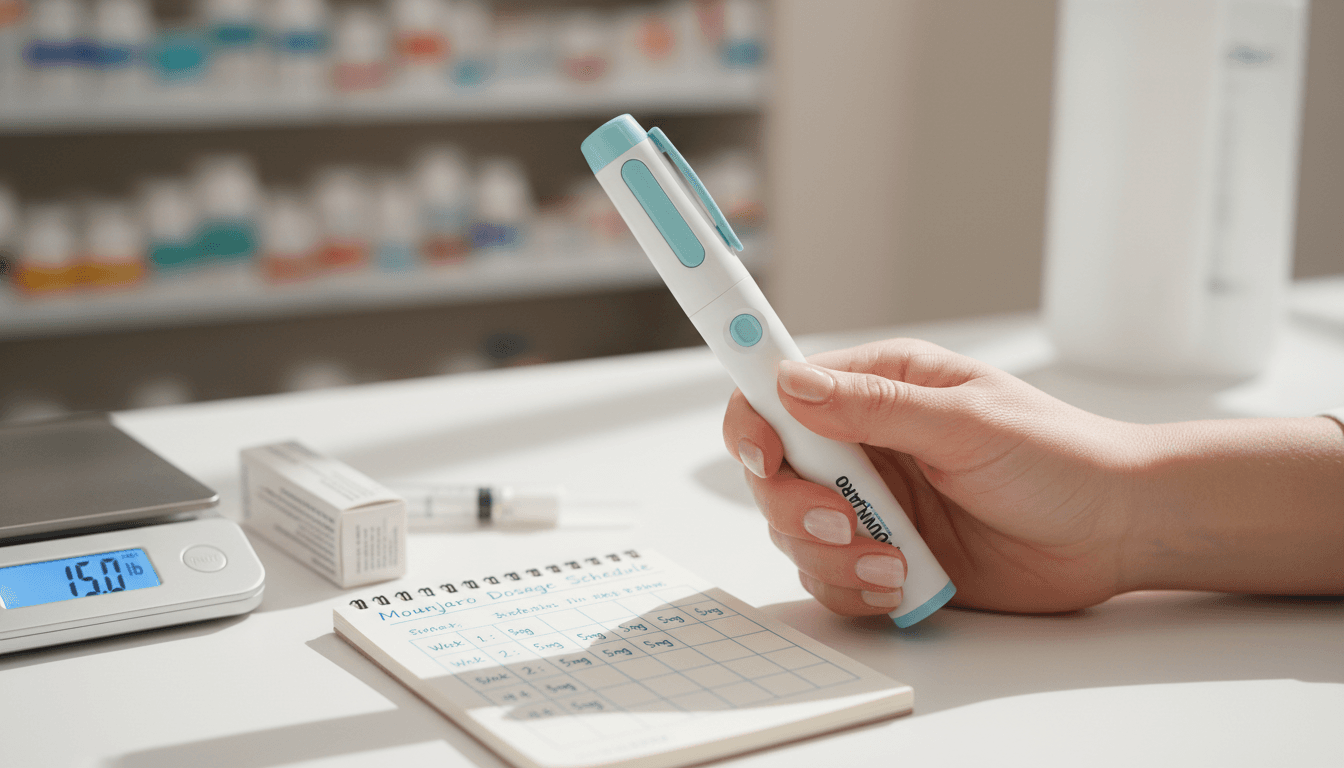
The standard mounjaro for weight loss dosing schedule is as follows:
- Weeks 1-4: 2.5 mg once weekly. This is the starting dose. Its sole purpose is to introduce tirzepatide to your body. You should not judge the medication's effectiveness during this period, as significant weight loss is uncommon at this level.
- Weeks 5-8: 5.0 mg once weekly. This is considered the first therapeutic dose. After four weeks on the starting dose, your provider will typically increase your prescription to 5 mg. Many people begin to notice more pronounced appetite suppression and initial weight loss at this stage.
- Subsequent Increases: After at least four weeks on your current dose, your provider may increase it to the next level if needed. The dose can be increased in 2.5 mg increments.
The full titration schedule includes several steps, and not everyone will need to go to the maximum dose. The available doses are:
- 2.5 mg
- 5 mg
- 7.5 mg
- 10 mg
- 12.5 mg
- 15 mg (the maximum dose)
Each new dose should be taken for at least four weeks before considering another increase. This gives your body time to adjust and helps you and your provider assess both the effectiveness and your tolerance. Some steps, like the 7.5 mg and 12.5 mg doses, are sometimes considered optional, and a provider may recommend moving from 5 mg directly to 10 mg if you are tolerating the medication well (Telehealth Ally, 2026).
Feeling overwhelmed by the dosing schedule? A qualified provider can create a plan for you. Take our free quiz to get matched with a top telehealth clinic.
For a more granular look at this schedule, you can reference a detailed tirzepatide dosing chart. It visualizes the step-by-step increases that are fundamental to using the medication properly.

Expected Results: Mounjaro Average Weight Loss at Each Dose
One of the biggest questions people have is about the results. The Mounjaro average weight loss is impressive, but it is highly dependent on the dose and the duration of treatment. The landmark SURMOUNT-1 clinical trial provided clear data on what to expect for patients without type 2 diabetes.
Here’s a breakdown of the average weight loss with Mounjaro observed over a 72-week period in the trial (ClearMetabolic, 2026; FormBlends, 2026):
- 5 mg dose: Participants lost an average of 15.0% of their starting body weight.
- 10 mg dose: Participants lost an average of 19.5% of their starting body weight.
- 15 mg dose: Participants lost an average of 22.5% of their starting body weight.
It's crucial to understand that these results were achieved over 72 weeks, which is nearly a year and a half. Your Mounjaro results after 1 month will likely be modest, as you will still be on the initial 2.5 mg adaptation dose. Most meaningful weight loss begins at the 5 mg dose and accelerates from there. Research suggests that a significant portion of the total weight loss tends to occur between weeks 12 and 40 of treatment (Formblends, 2026).
A "Mounjaro before and after 6 months" comparison could show a dramatic change, as you would have had time to titrate up to a steady therapeutic dose. For a 200-pound person, a 15% weight loss equals 30 pounds, showing just how effective this medication can be when combined with lifestyle changes.
However, more is not always better for everyone. Many individuals find a sustainable balance of excellent results and minimal side effects at lower maintenance doses, such as 5 mg or 7.5 mg (ClearMetabolic, 2026). The goal is to work with your provider to find the dose that is right for your body and your weight loss goals, which is a key part of any successful GLP-1 weightloss plan.
Finding the Right Dose of Mounjaro for Weight Loss: Cost, Coverage, and Alternatives
Navigating the practical side of getting Mounjaro can be as complex as understanding the dosing. The cost, insurance coverage, and available alternatives are major factors in determining if this medication is a viable option for you. Finding the right dose of Mounjaro for weight loss is only part of the equation.
Cost and Insurance Coverage in 2026
The manufacturer's list price for Mounjaro often ranges from $1,069 to $1,080 per month, regardless of the dose strength (HealthFactsJournal, 2026). This can make it unaffordable for many people without good insurance coverage.
Here's a critical distinction to understand:
- Mounjaro is FDA-approved for Type 2 Diabetes.
- Zepbound is FDA-approved for chronic weight management.
Both medications contain the exact same active ingredient, tirzepatide, and have identical dosing schedules and weight loss results (Healthy Pound, 2026). The difference in their approved use is why many insurance plans will deny coverage for Mounjaro when prescribed for weight loss alone. So, if you ask, "does Aetna cover Mounjaro for weight loss?" the answer is likely no. However, that same plan may cover Zepbound, since it's indicated for that purpose.
For those without insurance coverage, a major development in 2026 is the expansion of LillyDirect, the manufacturer's direct-to-consumer platform. Through this service, eligible patients can obtain Zepbound for $349 per month without insurance (HealthFactsJournal, 2026). This has become a more accessible route since a regulatory change in early 2026 made compounded tirzepatide legally unavailable after the FDA removed it from the drug shortage list. For more on costs, see our analysis of the Mounjaro price in the USA.
Wegovy vs. Mounjaro for Weight Loss
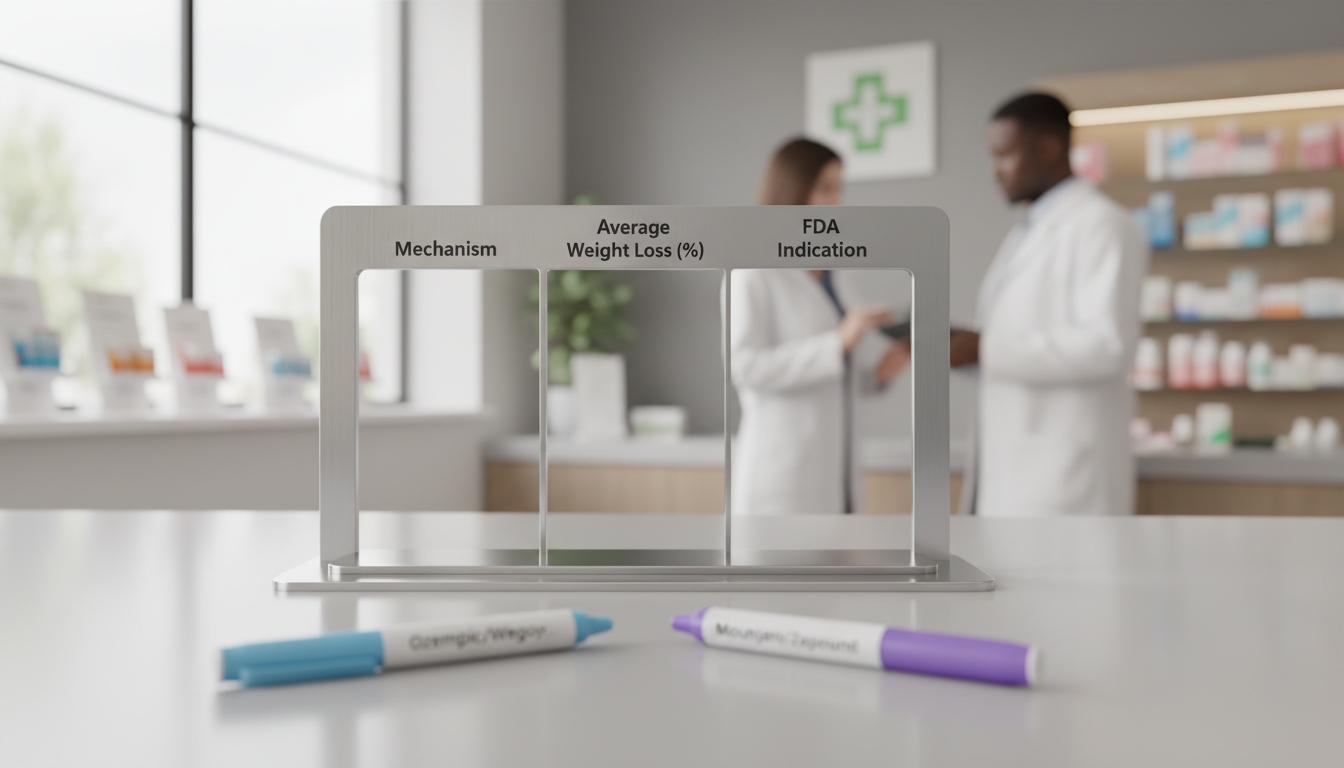
Another common question is how Mounjaro stacks up against its main competitor, Wegovy (semaglutide). A head-to-head clinical trial called SURMOUNT-5 provided a clear answer. Over 72 weeks, adults taking the highest dose of tirzepatide lost an average of 20.2% of their body weight. In contrast, those taking the highest dose of semaglutide lost an average of 13.7% (New England Journal of Medicine, 2026).
This superior performance is attributed to Mounjaro's dual-agonist mechanism, which targets both GIP and GLP-1 receptors. Wegovy only targets the GLP-1 receptor. That said, both are highly effective medications, and the best choice depends on individual factors like tolerance, cost, and provider guidance. You can explore a detailed comparison in our semaglutide vs. tirzepatide guide.
Comparing costs and wondering if Mounjaro or Zepbound is covered by your plan? Our free 3-minute quiz can match you with a provider who can help verify your benefits and find the most affordable option.
Managing Your Mounjaro Dosage: Side Effects and Missed Doses
Properly managing your Mounjaro dosage involves more than just following the schedule. It also means understanding how to handle side effects and what to do if you miss an injection.
Common Side Effects and How to Manage Them
The most reported side effects of Mounjaro are gastrointestinal. These include nausea, diarrhea, vomiting, constipation, and decreased appetite (HIGHLIGHTS OF PRESCRIBING INFORMATION, 2025). The slow titration schedule is specifically designed to minimize these issues. Most people find that side effects are strongest in the first few days after an injection or after increasing a dose, and they typically lessen over time. If you experience persistent or severe side effects, it's crucial to talk to your provider. For a complete overview, read our guide on common Mounjaro side effects.
At higher doses (10 mg and above), appetite suppression can become very strong. While this aids weight loss, it's important to focus on nutritional quality. Your provider may advise you to monitor your protein intake to help prevent excessive muscle loss. Using a protein calculator can help ensure you're meeting your body's needs.
Important Safety Information
Mounjaro carries an FDA-mandated boxed warning regarding the risk of thyroid C-cell tumors. This warning is based on studies in rats, and it is not known if Mounjaro causes such tumors in humans. Because of this risk, Mounjaro is contraindicated for anyone with a personal or family history of medullary thyroid carcinoma (MTC) or in patients with Multiple Endocrine Neoplasia syndrome type 2 (MEN 2). Discuss your personal and family medical history with your doctor to determine if Mounjaro is safe for your weight loss plan.
What to Do If You Miss a Dose
Forgetting a dose can happen. The general guidance is:
- If 4 days (96 hours) or less have passed since your scheduled dose, take it as soon as you remember.
- If more than 4 days have passed, skip the missed dose entirely and take your next dose on your regularly scheduled day.
Do not take two doses at the same time to make up for a missed one. Always confirm this protocol with your healthcare provider or refer to the instructions that came with your medication.
What to Consider Before Starting Mounjaro for Weight Loss
Before you begin, it’s important to have a clear perspective. The decision to start a medication like Mounjaro should be made in consultation with a healthcare professional who can assess your overall health and goals.
Remember that Mounjaro is a tool, not a cure. The FDA label indicates it is intended as an "adjunct to diet and exercise." Long-term success requires a commitment to lifestyle changes. Research has shown that if you stop taking the medication, you are likely to regain a significant portion of the weight you lost (Formblends, 2026). This reinforces the modern understanding of obesity as a chronic condition that often requires ongoing management.
The ideal approach is to work with a provider or weight loss clinic that provides continuous support. They can help you manage your Mounjaro dosage, monitor for side effects, and build healthy habits that last.
Ready to find out if tirzepatide is the right option for your weight loss goals? Take our free 3-minute quiz to get matched with a licensed provider who can guide you through the process.
FAQs about Mounjaro Weight Loss Dosage
How much weight can you lose in a month on Mounjaro?
Weight loss varies by individual and dose. During the first month on the 2.5 mg starting dose, weight loss is typically minimal as your body is just adapting. Once you increase to the 5 mg therapeutic dose, many people begin to lose 1-2 pounds per week, but results can differ.
What is the best dose of Mounjaro for weight loss?
There is no single "best" dose for everyone. While the 15 mg dose produced the highest average weight loss of 22.5% in clinical trials, many patients achieve excellent, sustainable results at lower doses like 5 mg, 7.5 mg, or 10 mg. The best dose is the lowest one that provides effective weight loss with side effects you can comfortably manage.
Can I start Mounjaro at 5mg for weight loss?
No. To minimize the risk of significant gastrointestinal side effects, the FDA-approved protocol requires starting Mounjaro at the 2.5 mg dose for four weeks before increasing to 5 mg. Skipping the starting dose is not recommended and can an unpleasant experience.
Why is my Mounjaro dose being increased?
Your dose is increased to enhance weight loss results. This process, known as titration, moves you from a low starting dose to a more effective therapeutic dose. If your weight loss stalls for several weeks or you are tolerating your current dose well without reaching your goals, your provider may recommend increasing to the next level.
Contributing to evidence-based peptide education and provider transparency.
Too many clinics, not enough clarity?
We don't sell peptides. Tell us your goals and we'll connect you with a vetted provider who can figure out what actually makes sense for you.
See what's right for youRelated articles
A Step-by-Step Gelatin Recipe for Weight Loss
Seen the viral "pink trick"? We break down the simple gelatin recipe for weight loss. Learn our step-by-step method to help manage hunger and feel full.
GLP-1 Weight LossOzempic Cost in 2026: What You'll Actually Pay
The 2026 Ozempic cost can be anywhere from $25 to over $1,400 a month. Discover why and learn how to find savings with or without insurance coverage.
GLP-1 Weight LossHow Zep Weight Loss Works and What to Expect
Thinking about zep weight loss? We cover how this drug works, what realistic results look like, common side effects, and how it compares to Ozempic.