Peptide Before and After: What Real Results Look Like
A realistic timeline of what to expect from peptide therapy, including before and after results for weight loss, anti-aging, and healing from week 1 to month 6 and beyond.
This content is for informational purposes only and does not constitute medical advice.
You’ve seen the incredible peptide before and after photos online. People shedding significant weight, looking years younger, or recovering from injuries faster than ever. It's natural to wonder, "Are these results real? And how long do they take?" The answer is complex, as "peptide therapy" isn't one single treatment. It's a broad category of powerful molecules, each with a unique purpose and timeline.
Whether you're looking into the best peptides for weight loss, like Semaglutide, or regenerative peptides like BPC-157, your experience will vary. This guide provides a realistic, evidence-based timeline of what you can expect, from the first week to six months and beyond. We'll break down the changes you'll feel versus the changes you'll see, so you can set clear expectations for your own "peptide before and after" story.
A Quick Look at Your Peptide Before and After Timeline
Results depend heavily on the type of peptide, your health, and your lifestyle. This table gives a general overview of what many people experience.
| Timeline | Potential Changes (Weight Loss Peptides like GLP-1s) | Potential Changes (Wellness/Repair Peptides like GHRHs, BPC-157) |
|---|---|---|
| Week 1-4 | Significant appetite reduction. Less "food noise." Early, minor weight loss (1-2 lbs/week). | Improved sleep quality. Increased energy levels. Reduced inflammation or joint pain. |
| Month 1-3 | Consistent, noticeable weight loss. Clothes fit better. Potential side effects (like nausea) often subside. | Better workout recovery. Noticeable improvements in skin elasticity and hair/nail health. Increased muscle definition. |
| Month 3-6 | Major body composition changes. Significant drop in weight and body fat percentage. Improved metabolic markers (blood sugar, etc.). | More profound anti-aging effects. Deeper, more restorative sleep. Enhanced libido and mental clarity. |
| Month 6+ | Approaching or reaching goal weight. Focus shifts to maintenance. Continued improvement in overall health. | Sustained benefits. Potential for cycling off certain peptides under a provider's guidance. |
Not sure which peptide or timeline aligns with your goals? A qualified provider can help create a plan for you. Take our free quiz to get matched with a vetted peptide therapy clinic.
The First Few Weeks (Weeks 1-4): The Subtle Shifts
The initial phase of peptide therapy is more about what you feel than what you see. These early changes are crucial internal signals that the therapy is beginning to work.
For those using peptide injections for weight loss, such as GLP-1 agonists like Semaglutide or Tirzepatide, the most immediate effect is appetite suppression. Within the first week, many people report a dramatic reduction in "food noise," the constant, intrusive thoughts about eating. Cravings diminish, and you feel full much faster. This happens because these peptides mimic natural hormones that signal satiety to your brain. While you might only see a few pounds of weight loss on the scale in the first month, this foundational shift in your relationship with food is the most important first step.
For individuals using peptides for wellness or anti-aging, like Sermorelin or the popular CJC-1295 + Ipamorelin stack, the first month is all about foundational repair. The most commonly reported benefit is improved sleep. Users often describe their sleep as deeper and more restorative, waking up feeling genuinely refreshed for the first time in years. This enhanced sleep is a direct result of the peptide stimulating your body's own growth hormone production, which is crucial for cellular repair. As of 2026, new delivery systems have even made this easier, with nasal sprays for Sermorelin gaining FDA approval (FormBlends).
If you're using a regenerative peptide like BPC-157 for an injury, you might notice a subtle decrease in pain and inflammation within a couple of weeks as the peptide begins to support your body's natural healing processes. The changes are not dramatic yet, but they are the building blocks for the more visible results to come.
The First Few Months (Months 1-3): Seeing is Believing
This is the period where the "before" starts to clearly transition into the "after." The subtle internal shifts of the first month begin to manifest as visible, tangible changes.
If your goal is weight loss, this is when the scale really starts to move. With consistent use of a GLP-1 peptide alongside diet and exercise, patients in clinical trials for drugs like Wegovy (semaglutide) typically lose around 5-10% of their body weight in the first three months. You’ll notice your clothes fitting more loosely, and others may begin to comment on your results. If you experienced initial side effects like nausea or constipation, they often become more manageable or disappear during this phase as your body adapts.
For those on growth hormone-releasing peptides (GHRHs) like Sermorelin, months two and three are when body composition changes become apparent. According to patient reports and clinical experience, this is the timeframe where you may see a reduction in body fat, particularly around the midsection, and an increase in lean muscle mass. Your skin may appear firmer and more hydrated, and your energy levels during the day are more stable. You’re not just sleeping better; you’re recovering from workouts faster, allowing you to train more effectively.
This is also when the financial aspect becomes real. Peptide therapy costs can range from $150 to over $2,000 per month, depending on the peptide, source, and dosage (Pure Peptide Clinic). The good news is that increased competition among providers has led to an average cost decrease of 23% this year (FormBlends), making therapy more accessible. You can explore options and see what fits your budget by checking out our guide to peptide therapy costs.
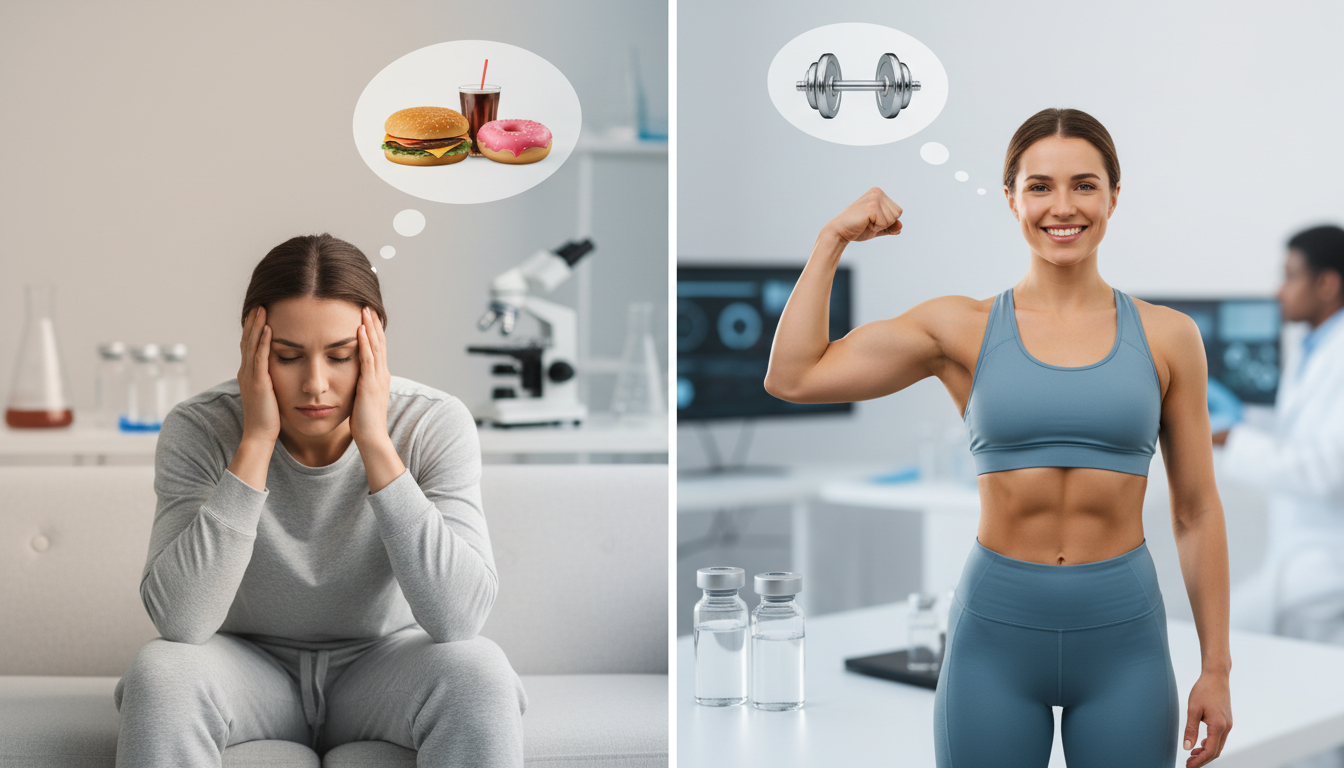
Hitting Your Stride (Months 3-6): Your Peptide Before and After Transformation
Between months three and six, the cumulative effects of peptide therapy lead to the most significant transformations. This is where you see the truly impressive peptide before and after results.
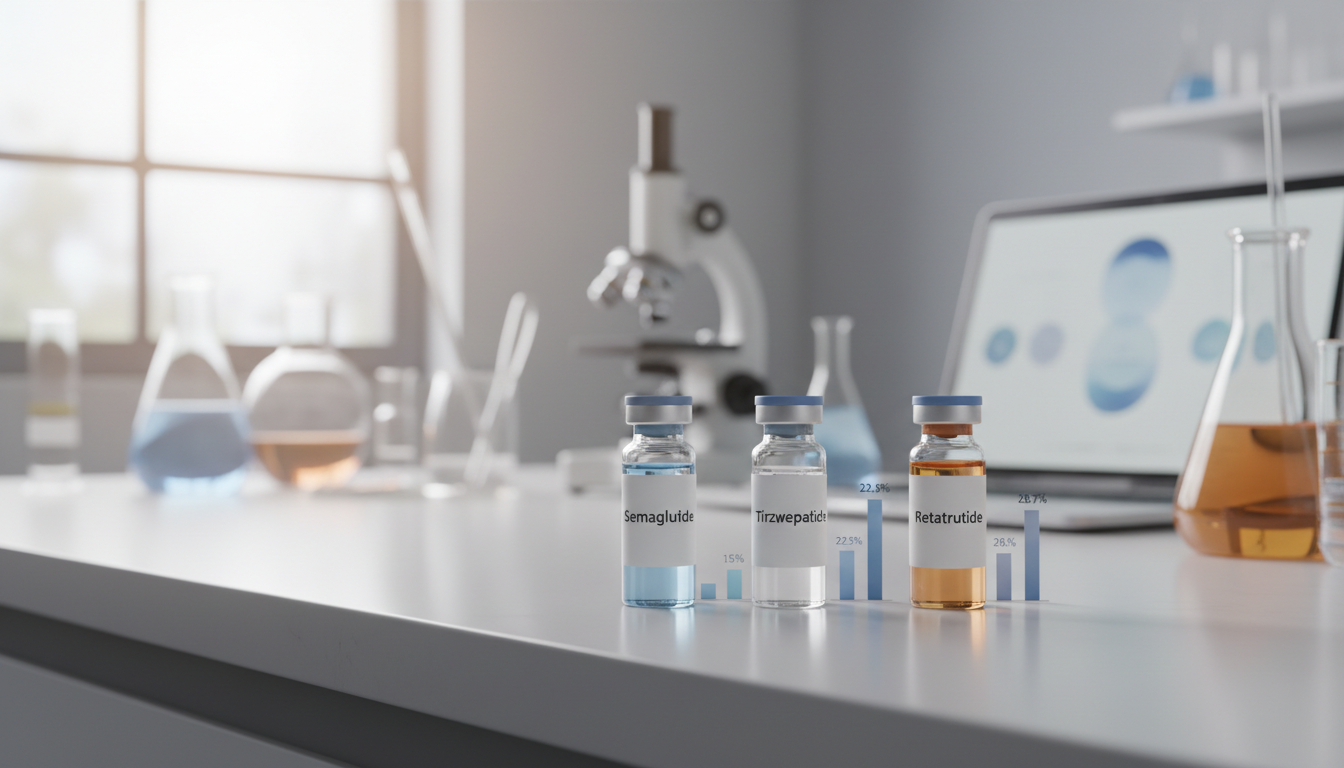
For weight loss, this period is about substantial progress. For example, in the STEP 1 trial, participants taking semaglutide lost an average of 14.9% of their body weight over 68 weeks, with a large portion of that loss occurring by the six-month mark. The next generation of peptides shows even more promise. Retatrutide, a triple-agonist peptide currently in Phase 3 trials, demonstrated a staggering 24.2% mean weight loss in just 48 weeks in its Phase 2 study (CalcMyPeptide). While Retatrutide is not yet available, this data shows the powerful potential of upcoming treatments.
During this phase, improvements go beyond the scale. Patients often see dramatic improvements in metabolic health markers, such as blood pressure, cholesterol, and A1C levels (for those with insulin resistance). It’s a total-body health transformation, not just a cosmetic one.
For anti-aging and wellness protocols, the six-month mark is often a peak. The consistent, optimized release of growth hormone from GHRH peptides leads to more pronounced skin tightening, a visible reduction in fine lines, thicker hair, and stronger nails. Mental clarity and focus are often reported to be at their sharpest, and many users experience a noticeable increase in libido. The body is not just repaired; it's optimized.
Want to see which options fit your specific goals and budget? Our free quiz takes 3 minutes and matches you with vetted providers who can guide your transformation.
Long-Term Results and Maintenance (6+ Months)
After six months, the focus of peptide therapy often shifts from active transformation to long-term maintenance and optimization.
For weight loss, you may have reached or be approaching your goal weight. The challenge now is sustaining it. Continuing with a maintenance dose of a GLP-1 peptide can be an effective strategy to prevent the weight regain that can occur after stopping treatment. Discussing a long-term plan with your provider is essential, as stopping abruptly can lead to a return of intense appetite and "food noise." You can learn more about this in our article on what happens when you stop Ozempic.
For wellness and regenerative peptides, the long-term benefits include sustained energy, continued body composition management, and a higher quality of life. Some providers recommend "cycling" certain peptides, which involves taking breaks from the therapy to allow your body's natural systems to reset. This should always be done under medical supervision. For peptides like BPC-157, which are typically used for acute injuries, long-term use is less common unless you're managing a chronic condition.
The field is also constantly advancing. As of 2026, research is booming, with over 150 peptides in active clinical trials for everything from cancer to neurodegenerative diseases (PeptideWiki). Your long-term plan may evolve as new, more effective peptides become available.
What Affects Your Peptide Results?
Not everyone's peptide before and after story will be the same. Several key factors influence how quickly and effectively you'll see results.
- The Peptide Itself: A GLP-1 agonist like Semaglutide is designed for weight loss and will produce very different results from BPC-157, which is designed for tissue repair. Understanding what peptides are and what they do is the first step.
- Dosage and Consistency: Results depend on using the correct dose consistently. Skipping injections or using an incorrect dose will significantly hinder your progress. Following your provider's dosing schedule is critical.
- Lifestyle: Peptides are tools, not magic bullets. A healthy diet and regular exercise will amplify your results. For weight loss peptides, focusing on protein intake can help prevent muscle loss, and being mindful of certain foods to avoid can minimize side effects.
- Source and Quality: This is arguably the most important factor. The source of your peptides determines their safety and efficacy. As of April 2026, the peptide market is in a state of flux. Following a 2023 decision to restrict many peptides, the FDA is now expected to reclassify several, including BPC-157 and CJC-1295, to allow them to be legally made by compounding pharmacies (PeptideMark). However, this formal reclassification is still pending (PeptideBond).
This regulatory uncertainty has fueled a gray market of "research only" chemicals sold online. These products are not intended for human use and can be unsafe, as highlighted by reports of adverse events (ProPublica). To ensure safety, you must get peptides through a prescription from a licensed provider who sources from a reputable compounding pharmacy.
Frequently Asked Questions About Peptide Before and After Results
Are peptides safe?
The safety of peptides depends entirely on the specific peptide, its source, and your health. Peptides that are FDA-approved drugs, like Semaglutide and Tirzepatide, have undergone extensive clinical trials. Others, like BPC-157, have a growing body of research but less formal trial data. The biggest risk comes from unregulated "research chemical" websites. The FDA's original restriction on some compounded peptides was based on safety concerns and a lack of clinical studies (ProPublica). Always consult a doctor and use a legitimate peptide clinic to ensure you are getting a safe, properly sourced product.
What are the most common peptide side effects?
Side effects vary by peptide. For GLP-1 weight loss peptides, the most common are gastrointestinal issues like nausea, diarrhea, and constipation. For GHRH peptides like Sermorelin, some users report temporary water retention, tingling in the hands/feet, or injection site reactions. Most side effects are mild and diminish over time.
What are the best peptides for weight loss?
Currently, the most effective and well-studied peptides for weight loss are the FDA-approved GLP-1 agonists Semaglutide (Wegovy, Ozempic) and Tirzepatide (Zepbound, Mounjaro). The GHRH stack CJC-1295 + Ipamorelin can also aid in weight loss by improving body composition. The next-generation peptide Retatrutide has shown the most powerful results in trials but is not yet available.
How much does peptide therapy cost?
The monthly cost for peptide therapy typically ranges from $150 to $2,000. GLP-1 agonists are often at the higher end of this range, while peptides like BPC-157 or Sermorelin may be more affordable. Costs have been decreasing due to market competition. For a detailed breakdown, see our guide on peptide therapy costs.
Do you need a prescription for peptides?
Yes. For any peptide intended for human use, you need a prescription from a licensed medical provider. This is the only way to ensure you are receiving a safe, effective, and legal product. Buying peptides without a prescription from online sources is risky and not recommended. You can learn more about the process in our guide on how to get peptides.
Ready to start your own transformation? Take our free 3-minute quiz to get matched with a licensed provider who can help you choose the right peptide and create a plan to achieve your health goals.
Contributing to evidence-based peptide education and provider transparency.
Too many clinics, not enough clarity?
We don't sell peptides. Tell us your goals and we'll connect you with a vetted provider who can figure out what actually makes sense for you.
See what's right for youRelated articles
How Protein and Muscle Growth Actually Work
It's not just about eating more. Understand the real science of protein and muscle growth to learn how much you need and the best timing to see results.
Peptide ScienceWhat are the best peptides for muscle growth and fat loss?
Exploring peptides for muscle growth and fat loss? Discover the most effective options for body recomposition, how they actually work, and what to expect.
Peptide ScienceThe Key L-Lysine Benefits for Skin, Immunity & Stress
Discover the science-backed l-lysine benefits. Our guide covers how this essential amino acid may boost collagen, fight viruses, and aid calcium absorption.