Peptide How to Use Dosing and Injection Steps
Ready to start with peptides but not sure how? We break down the peptide how to use process from mixing your first vial to your weekly dosing plan.
This content is for informational purposes only and does not constitute medical advice. Always consult with a qualified healthcare provider before beginning any new treatment.
Peptide therapy has moved from a niche topic to a mainstream health conversation, with people using these powerful signaling molecules for everything from weight management and injury repair to anti-aging. But as interest grows, so does a fundamental question: what is the right peptide how to use protocol? The answer isn't always simple, but getting it right is critical for safety and results.
This guide will provide clear, step-by-step instructions for the most common method of peptide administration: subcutaneous injection. We'll demystify the process of mixing, dosing, and injecting so you can approach your therapy with confidence, under the guidance of your healthcare provider. The landscape is always changing. In 2026, the discussion around access has intensified, especially after HHS Secretary Robert F. Kennedy Jr.'s announcement about potentially reclassifying 14 peptides back to a status that allows for easier compounding (PeptideMark, March 2026). This highlights the need for clear, accurate information now more than ever.
What You'll Need
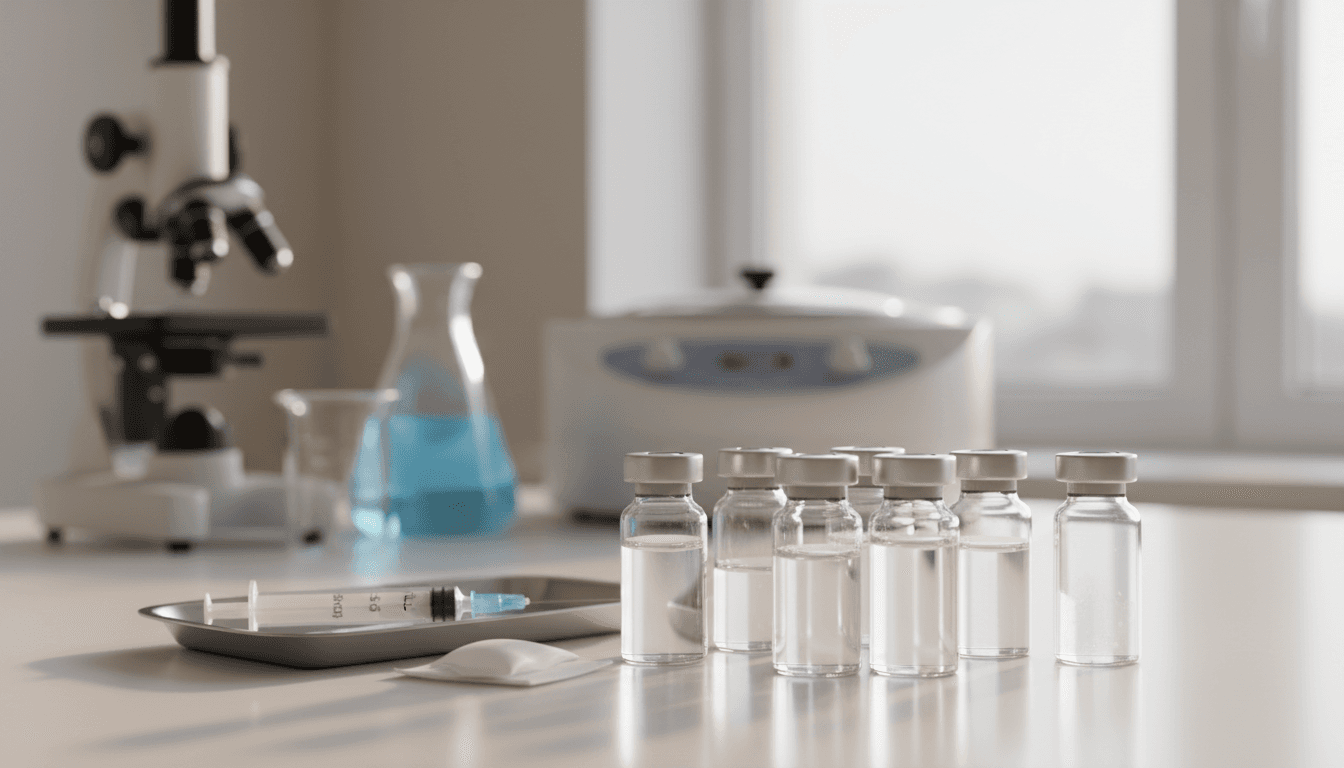
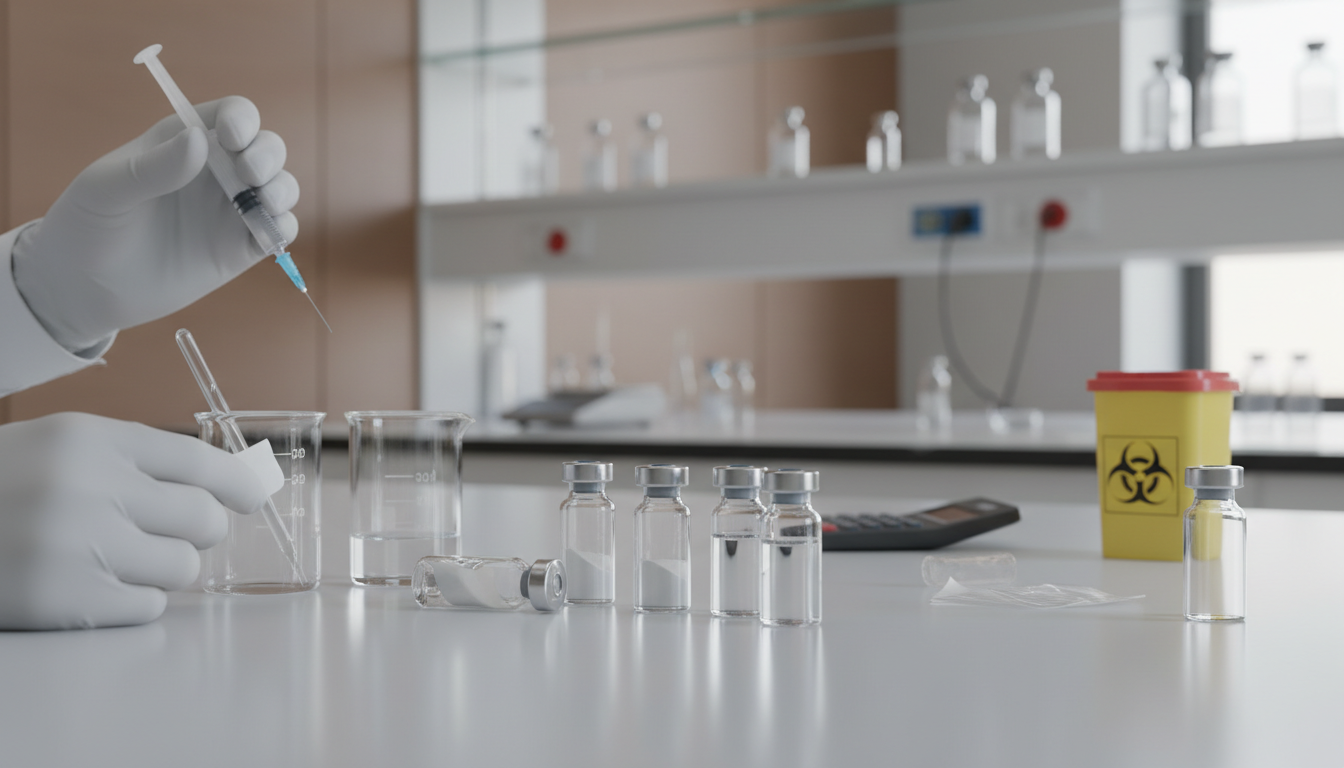
Before you begin, you and your provider will ensure you have the correct supplies. Sourcing these through a legitimate pharmacy connected to your prescribing doctor is the only safe way to proceed. Here’s what a typical kit includes:
- Peptide Vial: The peptide itself, usually in a lyophilized (freeze-dried) powder form.
- Bacteriostatic Water: Sterile water containing 0.9% benzyl alcohol, an agent that prevents bacterial growth. This is used to reconstitute the peptide powder.
- Syringes: Most subcutaneous peptide injections use very small insulin syringes, typically between 29 and 31 gauge with a short 5/16 inch needle (PeptidesRx).
- Alcohol Prep Pads: To sterilize the tops of the vials and the injection site on your skin.
- Sharps Container: An FDA-cleared container for safely disposing of used needles and syringes.
Your provider should supply these items or direct you to a pharmacy where you can obtain them with your prescription.
Before You Start: The Most Important Context
Knowing how to inject a peptide is only one part of the equation. Understanding the context around your therapy is essential for your safety and success.
First and foremost, peptide therapy should always be done under the supervision of a qualified medical provider. They will assess your health, determine if you are a good candidate, and write a prescription for a specific peptide and dose. While the internet is full of anecdotal advice, a provider tailors the protocol to your unique biology.
The legal status of peptides in the U.S. is complicated. Some, like the GLP-1 agonist semaglutide, are FDA-approved and sold under brand names like Wegovy. Many others, though widely researched, are not. These can often be legally obtained through a licensed compounding pharmacy with a doctor's prescription (FormBlends). Avoid websites that let you buy bam15 peptide or pgpipn peptide buy online labeled "for research use only." These sources are unregulated and carry significant risks. For a deeper look into a popular class of peptides, read our post on whether GLP-1s are peptides.
Finally, it's good to know the basic difference between molecule types. Peptides are short chains of amino acids that act as signaling messengers. This is different from peptide vs amine hormones like adrenaline or thyroid hormone, which are derived from single amino acids and have different structures and functions. Understanding what you are taking is the first step.
Not sure which treatment is right for you or where to find a qualified professional? Take our free quiz to get matched with a provider who can guide you through this process.
Peptide How to Use: A Step-by-Step Guide for Injections
Most peptides, from BPC-157 to CJC-1295/Ipamorelin, are administered subcutaneously, meaning into the fatty layer just beneath the skin. Here is a detailed breakdown of the process.
Step 1: Reconstitution (Mixing Your Peptide)
Your peptide will likely arrive as a solid, freeze-dried powder in a glass vial. You must mix it with bacteriostatic water before use. This process is called reconstitution.
- Prepare: Wash your hands thoroughly. Gently pop the plastic cap off both the peptide vial and the bacteriostatic water vial. Use an alcohol pad to wipe the rubber stoppers on top of both vials.
- Draw the Water: Take a new syringe and draw air into it, equal to the amount of water you will use. Insert the needle into the bacteriostatic water vial and inject the air. This equalizes the pressure and makes drawing the water easier. Turn the vial upside down and pull the plunger back to draw the correct amount of sterile water. A common amount is 1 or 2 milliliters (mL).
- Mix: Insert the needle into the peptide vial, angling it so the water runs down the side of the glass instead of spraying directly onto the powder. Slowly inject the water.
- Swirl, Don't Shake: Remove the syringe and gently swirl the vial until the powder is completely dissolved. Do not shake it, as this can damage the delicate peptide molecules. The final solution should be clear. For a concrete example, if you mix a 5mg vial of BPC-157 with 2mL of bacteriostatic water, your final concentration is 2,500 micrograms (mcg) per mL (PeptideNerds).
Step 2: Calculating Your Dose
Accurate dosing is critical. This is where many people get confused, but a little math makes it simple. You can also use a peptide dosage calculator reconstitution tool like our free one here.
Let’s continue with our BPC-157 example:
- Your vial contains 2,500 mcg per mL.
- Your prescribed dose is 250 mcg.
To find your dose volume, divide the prescribed dose by the concentration:
- 250 mcg / 2,500 mcg/mL = 0.1 mL
On a standard U-100 insulin syringe, 1 mL is equal to 100 units. So, 0.1 mL is equal to 10 units. You would draw the liquid up to the "10" mark on the syringe. Always double-check your math and confirm the dose with your provider's instructions. Getting this right is as important as the injection itself.
Step 3: Preparing the Injection Site
Choosing and preparing the right spot ensures the peptide is absorbed correctly and minimizes discomfort.
- Choose a Site: The most common subcutaneous injection sites are the abdomen (at least two inches away from the belly button), the top/front of the thighs, and the fatty part of the upper/outer arms (ThePeptideGuides).
- Rotate Sites: You must rotate your injection sites with each dose. Continuously injecting in the same spot can cause lipodystrophy, which is a build-up of fatty tissue or scarring that can block absorption. You can rotate between quadrants on your abdomen or switch between your left and right thigh.
- Clean the Area: Use a new alcohol prep pad to clean the skin at your chosen injection site. Wipe in a circular motion, moving outward. Let the alcohol air dry completely before injecting. Do not fan or blow on it, as this can introduce germs.
Feeling a bit lost with all the calculations and steps? Our free 3-minute quiz can connect you with a vetted provider who will create a simple, clear protocol just for you.
Step 4: Drawing the Peptide into the Syringe
Now you will draw your calculated dose from the reconstituted peptide vial.
- Use an alcohol pad to wipe the rubber stopper of your peptide vial again.
- Take a new, sterile insulin syringe. Pull the plunger back to draw air into the syringe, equal to the volume of your dose (e.g., to the 10-unit mark for a 0.1 mL dose).
- Insert the needle into the vial and inject the air. This step pressurizes the vial, making it easier to withdraw the liquid.
- With the needle still in the vial, turn the vial upside down. Slowly pull back on the plunger to draw your exact dose into the syringe.
- Check for large air bubbles. A few tiny ones are okay, but you can remove larger ones by gently flicking the syringe barrel and pressing the plunger slightly to push the air out. Ensure you still have the correct dose in the syringe.
Step 5: Administering the Subcutaneous Injection
You are now ready to perform the injection.
- Gently pinch a 1- to 2-inch fold of skin and fat at your cleaned injection site.
- Hold the syringe like a dart. With a quick, smooth motion, insert the full length of the needle into the pinched skin at a 90-degree angle. If you have very little body fat, your provider may suggest a 45-degree angle.
- Once the needle is in, release the pinch of skin.
- Slowly and steadily push the plunger all the way down to inject the medication.
- Wait a few seconds before withdrawing the needle to ensure all the peptide is delivered.
- Remove the needle at the same angle you inserted it. You can apply gentle pressure with a cotton ball or gauze if there is a tiny drop of blood, but do not rub the area. A small red dot or welt is normal and should fade quickly.
Step 6: Safe Disposal and Storage
Proper disposal and storage are final, crucial steps.
- Disposal: Immediately place the used syringe and needle into your FDA-cleared sharps container. Never throw loose needles in the trash, and never reuse a syringe.
- Storage: Store your reconstituted peptide vial in the refrigerator. Do not freeze it. Most reconstituted peptides remain stable for 30 to 60 days when refrigerated, but you should always follow the specific instructions from your pharmacy or provider (PeptidesRx).
A Practical Look at Peptide How to Use for Common Goals
While the injection process is similar, the specific peptides, doses, and frequencies vary by goal. It is vital to follow a protocol prescribed by a medical professional, not one from a glow protocol peptide dosage chart reddit thread.
- For Weight Loss: GLP-1 and dual GIP/GLP-1 agonists like tirzepatide are prescribed. These are typically injected once a week, starting at a low dose and titrating up over several months to minimize side effects. For example, Zepbound (tirzepatide) starts at 2.5 mg weekly and increases to a maintenance dose as high as 15 mg (Telehealth Ally). While branded versions can cost over $1,000 per month, compounded options from a legitimate pharmacy can be significantly more affordable, often in the $100-$400 range (Peptide Publicus). Many people search online for how to
buy tirzepatide peptide australiaor elsewhere, but working with a local provider and pharmacy is the safest route. - For Repair and Recovery: Peptides like BPC-157 and TB-500 are common. A typical research dose for BPC-157 is 250-500 mcg per day, often injected near the site of injury for localized benefits or in the abdomen for systemic effects. In 2026, the field saw exciting news with BPC-157 receiving FDA breakthrough therapy designation for treating IBD (FormBlends), signaling its growing validation. Learn more in our guide to BPC-157 injections.
- For Anti-Aging and Skin: GHK-Cu is a popular choice for improving skin quality. The question of
how often to take ghk cu peptidedepends entirely on the protocol your doctor designs. It may be injected daily or several times per week. For more on this, check our post on how to use GHK-Cu peptide.
Common Mistakes to Avoid
A successful peptide protocol is as much about avoiding errors as it is about following steps. Here are some common pitfalls:
- Improper Reconstitution: Vigorously shaking the vial can destroy the peptide. Always swirl gently.
- Incorrect Dosing: Misreading the syringe or miscalculating the dose can lead to ineffective results or increased side effects.
- Poor Injection Technique: Re-using needles is dangerous and increases infection risk. Forgetting to rotate sites can lead to painful lumps and poor absorption.
- Unsafe Sourcing: Buying from an unregulated website is the biggest mistake. You have no guarantee of the product's purity, sterility, or even what it contains. Always use a prescription from a provider and a licensed pharmacy. Find one by checking out legitimate online peptide clinics.
- Ignoring Side Effects: Mild nausea with a GLP-1 might be expected, but persistent or severe symptoms should be reported to your doctor immediately.
When to Contact Your Doctor
It’s important to distinguish between normal injection site reactions and signs of a problem.
Normal Reactions May Include:
- A small red dot at the injection site
- Mild stinging during the injection
- A small, temporary welt or lump that disappears within a few hours
Reasons to Call Your Provider Immediately:
- Signs of Infection: Increasing redness, warmth, swelling, pain, or pus at the injection site.
- Allergic Reaction: Hives, rash, swelling of the face or throat, or difficulty breathing.
- Severe Side Effects: For GLP-1s, this could be severe abdominal pain (potential pancreatitis), persistent vomiting, or symptoms of gallbladder issues. The FDA prescribing information for drugs like Wegovy lists these warnings (Reference ID: 5676420).
- Thyroid Symptoms: For GLP-1 agonists, report any new neck lump, persistent hoarseness, or difficulty swallowing due to the boxed warning for thyroid C-cell tumors (Reference ID: 5676420).
Always err on the side of caution. Your healthcare provider is your partner in this process and needs to be aware of any adverse reactions you experience.
Ready to start your peptide therapy protocol the right way? Take our free 3-minute quiz to get matched with a licensed provider who can create a plan for you.
FAQs
How do you reconstitute a 5mg peptide vial?
You will typically use 1 to 2 mL of bacteriostatic water, injected slowly into the vial. For example, adding 2 mL of water to a 5mg vial creates a concentration of 2,500 mcg/mL. However, always follow the specific instructions from your pharmacy or provider, as concentrations can vary. You can use a reconstitution calculator to help.
How do you take GLP 3 peptide?
"GLP-3" is not a standard medical term for a peptide. You may be thinking of GLP-1 agonists (like semaglutide and tirzepatide), which are taken as once-weekly subcutaneous injections for weight loss, or perhaps GIP or GCG receptor agonists. If you have encountered a product called "GLP-3," it is crucial to consult a medical professional to identify the substance and learn the correct administration, as its safety and use are unknown.
How often do you take Klow peptide?
Protocols like the "Klow peptide" or "Glow peptide" stack are often discussed on forums but are not medically standardized. The question of how often to take klow peptide would depend on the specific peptides included in such a stack, which often includes GHK-Cu, CJC-1295/Ipamorelin, and others. The frequency could range from daily to a few times per week. Because these are not official protocols, they should only be considered under the direct supervision of a doctor who can create a safe dosing schedule.
Are peptides legal to use?
The legality of peptides is nuanced. Some, like Wegovy (semaglutide) and Egrifta (tesamorelin), are fully FDA-approved for specific conditions. Many others can be legally prescribed by a doctor for off-label use and dispensed by a licensed U.S. compounding pharmacy. It is generally not legal to purchase peptides labeled "for research use only" for your own personal administration, and it is highly unsafe. For more details, see our guide on whether peptide therapy is FDA approved.
Can I find Cartalax peptide reviews?
You may be able to find Cartalax peptide reviews on various online forums or international websites. Cartalax is a type of peptide bioregulator studied primarily in Russia for cartilage and musculoskeletal health. It is not approved by the FDA for use in the United States. Relying on anecdotal reviews for non-approved substances is risky, as their purity, efficacy, and long-term safety have not been established by U.S. regulatory bodies.
Contributing to evidence-based peptide education and provider transparency.
Too many clinics, not enough clarity?
We don't sell peptides. Tell us your goals and we'll connect you with a vetted provider who can figure out what actually makes sense for you.
See what's right for youRelated articles
How Protein and Muscle Growth Actually Work
It's not just about eating more. Understand the real science of protein and muscle growth to learn how much you need and the best timing to see results.
Peptide ScienceWhat are the best peptides for muscle growth and fat loss?
Exploring peptides for muscle growth and fat loss? Discover the most effective options for body recomposition, how they actually work, and what to expect.
Peptide ScienceThe Key L-Lysine Benefits for Skin, Immunity & Stress
Discover the science-backed l-lysine benefits. Our guide covers how this essential amino acid may boost collagen, fight viruses, and aid calcium absorption.