What to Expect From the Mounjaro Weight Loss Injection
Curious about the Mounjaro weight loss injection? This guide explores how it works, typical results, potential side effects, and how it compares to Ozempic.

This content is for informational purposes only and does not constitute medical advice. Always consult with a qualified healthcare professional before making any decisions about your health or treatment.
The Mounjaro weight loss injection has become a significant topic in health and wellness, offering a powerful tool for individuals struggling with chronic weight management. While officially approved by the FDA to help manage type 2 diabetes, its active ingredient, tirzepatide, has demonstrated remarkable effectiveness for weight loss. As a result, many doctors now prescribe it off-label for this purpose. This guide will walk you through everything you need to know about using Mounjaro for weight loss in 2026, from how it works and what results to expect to the real costs involved.
What is Mounjaro and How Does it Work for Weight Loss?
Mounjaro (tirzepatide) is a once-weekly injectable medication that has gained attention for its powerful effects on both blood sugar control and weight loss. Unlike other popular medications that only target one pathway, Mounjaro is the first of its kind to be a dual-action agonist. This means it activates two different hormone receptors in the body: the glucagon-like peptide-1 (GLP-1) receptor and the glucose-dependent insulinotropic polypeptide (GIP) receptor.
According to its prescribing information, this dual mechanism is what sets it apart (Lilly, 2022). Activating both GLP-1 and GIP receptors helps the body in several ways:
- It boosts insulin release in response to food, helping to control blood sugar.
- It slows down digestion, making you feel fuller for longer after meals.
- It communicates with the brain's appetite centers to reduce hunger and cravings.
This combination makes the mounjaro weight loss injection exceptionally effective. Clinical studies, known as the SURMOUNT trials, have shown stunning results. For instance, one study found that participants taking the highest dose of tirzepatide lost an average of 20% to 22.5% of their starting body weight over 72 weeks (Oregon State University, 2026). More recent head-to-head trial data from SURMOUNT-5 confirmed its superiority, showing that users of tirzepatide-based medications lost 20.2% of their body weight compared to 13.7% for those on semaglutide (Wegovy) (Truveta, 2024). These results from both clinical trials and real-world data highlight why so many are turning to these GLP-1 weightloss shots.
If you're wondering whether a medication like Mounjaro could be right for your weight management goals, understanding your options is the first step. Take our free 3-minute quiz to get matched with a provider who can review your health profile and discuss potential treatments with you.
Understanding the Mounjaro Weight Loss Injection Dosing Schedule
A common question for those starting their treatment is about the proper dosage. The dosing for the mounjaro weight loss injection is designed to be gradual. This helps your body get used to the medication and minimizes potential side effects. You will not start at the maximum dose.
According to the official prescribing information, the typical dosing schedule is as follows (AccessData FDA, 2025):
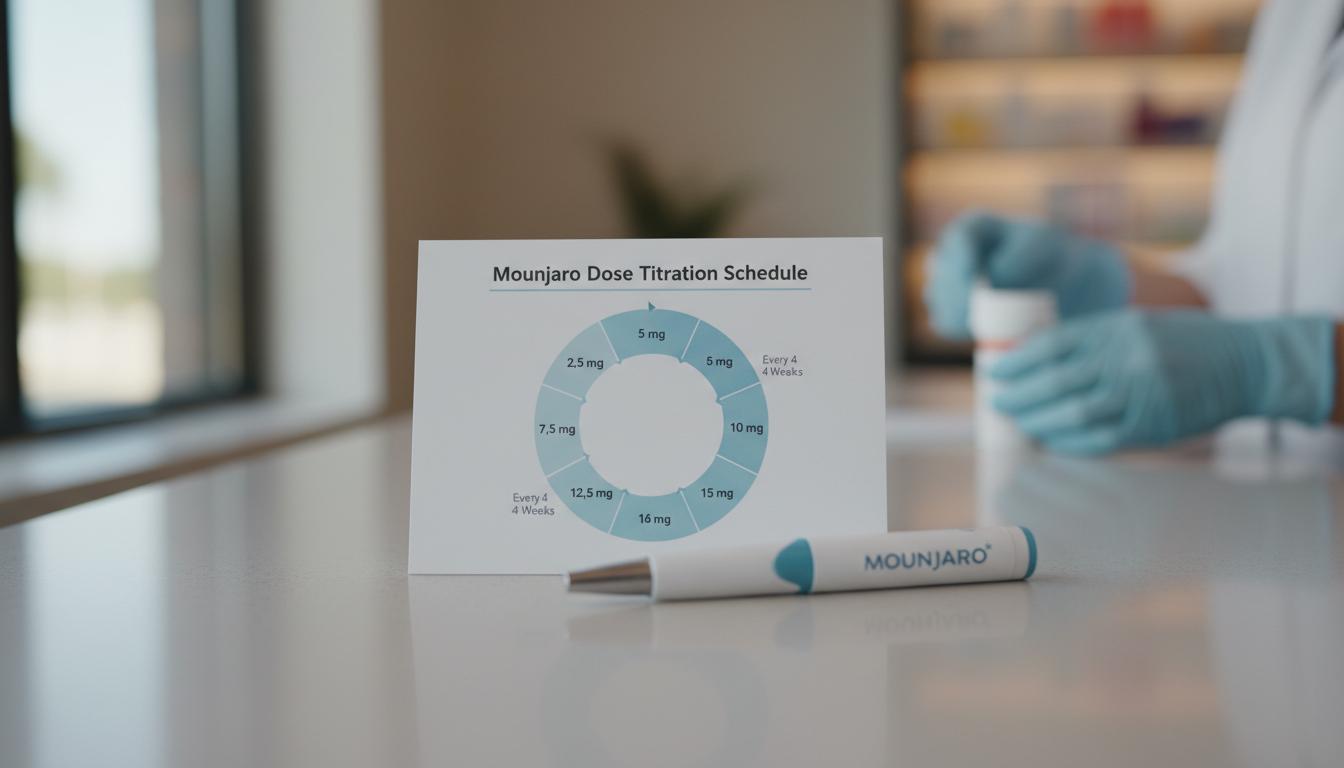
- Starting Dose: You will begin with 2.5 mg injected once a week for the first four weeks. This initial dose is not considered a therapeutic dose for glycemic control or significant weight loss; its primary purpose is to let your body acclimate.
- Titration: After four weeks on the 2.5 mg dose, your provider will likely increase your dose to 5 mg once weekly. The dose can then be increased in 2.5 mg increments every four weeks as needed, based on your tolerance and results.
- Common Dosages: The available doses are 2.5 mg, 5 mg, 7.5 mg, 10 mg, 12.5 mg, and 15 mg. Your provider will work with you to find the most effective dose that you an tolerate well. For example, some people see significant mounjaro 7.5 weight loss, while others may need to titrate higher to see their desired results.
- Maximum Dose: The maximum dose for adults is 15 mg once per week.
A frequent question is, "can i stay on 2.5 mounjaro for weight loss?" While some individuals may experience mild appetite suppression and some weight loss on the starting mounjaro 2.5 mg weight loss dose, it is not intended for long-term therapy. The clinical trials that showed dramatic weight loss used higher doses, typically 10 mg, 12.5 mg, and 15 mg. Staying on the 2.5 mg dose long-term is something you would need to discuss with your healthcare provider, but it’s unlikely to produce the results seen in studies.
Once you and your provider find a dose that works for you and you have reached your weight loss goals, you may discuss a mounjaro maintenance dose for weight loss. This might involve staying on your current effective dose or potentially lowering it to a level that helps maintain your weight without causing unwanted side effects. The concept of a "mounjaro "maintenance dose" for weight loss" is an important part of a long-term strategy that your doctor will help you develop. You can learn more about tirzepatide dosing by reviewing our tirzepatide dosing chart.
The Real Cost of Mounjaro for Weight Loss in 2026
Cost is one of the biggest factors for anyone considering weight loss shots Mounjaro. The price can vary dramatically depending on your insurance coverage and access to savings programs. It's crucial to understand the potential expenses before starting treatment.
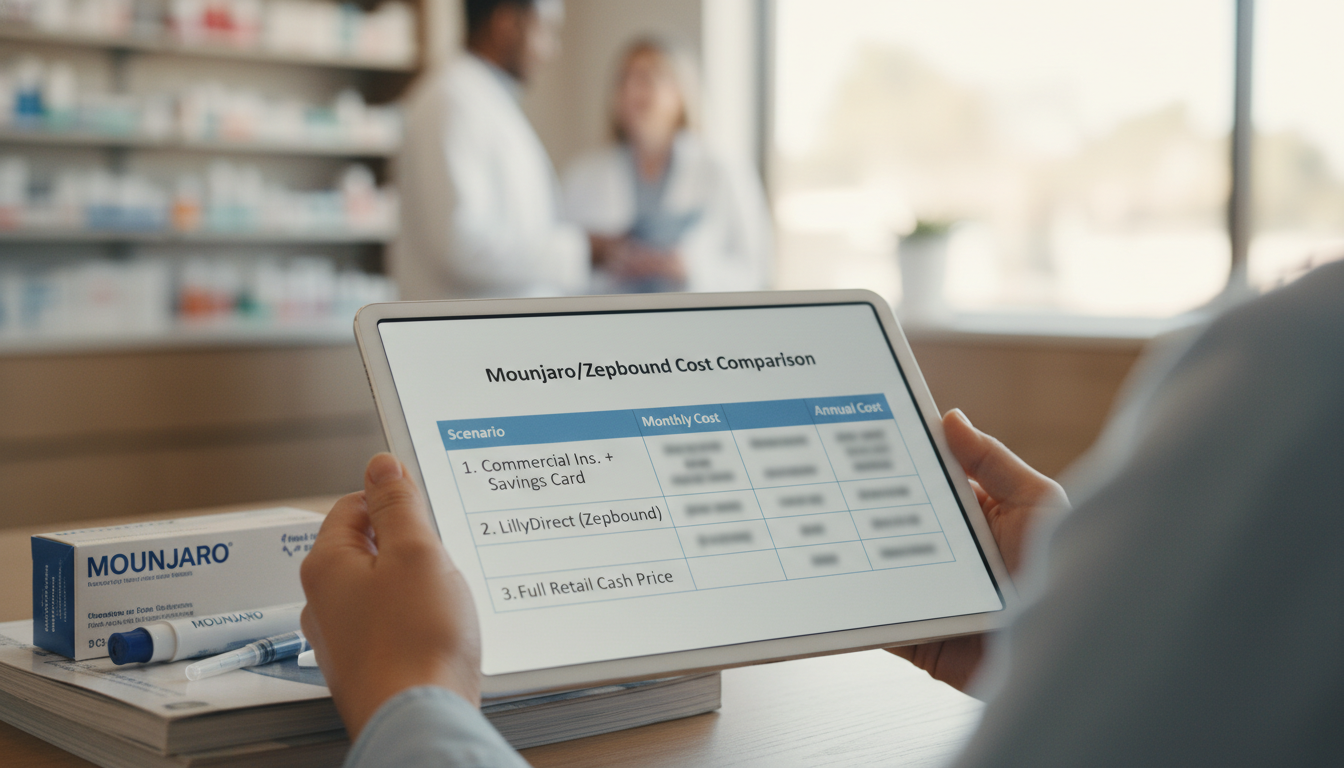
The mounjaro cash price without any insurance coverage is substantial. In 2026, the retail list price is approximately $1,069 to $1,100 per month for a one-month supply, regardless of the dose strength (HealthFactsJournal, 2026; Formblends, 2026). This can bring the annual out-of-pocket cost to over $13,000, which is prohibitive for many people.
If you have commercial health insurance, the situation can be very different. The key question is whether your specific plan covers Mounjaro. Many people ask, "does blue cross blue shield cover mounjaro for weight loss?" or "does bcbs cover mounjaro for weight loss?" The answer is: it depends entirely on your specific plan. Because Mounjaro is FDA-approved for type 2 diabetes, many insurance plans will only cover it with a prior authorization demonstrating a diabetes diagnosis. They may deny coverage for off-label weight loss use. If your plan does cover it, Eli Lilly offers a Savings Card that can reduce your copay to as low as $25 per month (Formblends, 2026).
So what are the options if insurance won't cover it?
- Zepbound via LillyDirect: For those seeking tirzepatide specifically for weight loss, Eli Lilly markets the exact same medication under the brand name Zepbound, which is FDA-approved for chronic weight management. One of the best self-pay options in 2026 is accessing Zepbound through the LillyDirect program, which offers it at a starting price of $349 per month (HealthFactsJournal, 2026). This is a significant reduction from the full retail price.
- Compounded Tirzepatide (No Longer an Option): Previously, some patients turned to compounded tirzepatide as a lower-cost alternative. However, in early 2026, the FDA removed tirzepatide from its drug shortage list. This action means that compounding pharmacies are no longer legally permitted to produce versions of the drug (HealthFactsJournal, 2026). This change makes branded Zepbound the primary viable self-pay path.
The financial commitment can range from a few hundred dollars a year with excellent insurance to over $18,000 without any assistance (HealthFactsJournal, 2026). Understanding your Mounjaro price and the cost of tirzepatide is a critical step.
Figuring out insurance coverage and payment options can be confusing. Want to see which options fit your budget and goals? Our free quiz takes 3 minutes and matches you with vetted providers who can help you understand the costs associated with different treatments.
Common Side Effects and Safety of the Mounjaro Weight Loss Injection
Like all effective medications, the Mounjaro weight loss injection comes with potential side effects. Most are mild to moderate and tend to decrease over time as your body adjusts. The most common side effects are gastrointestinal and are often dose-dependent, meaning they can appear or worsen after a dose increase.
According to a 2026 guide on Mounjaro side effects, the most frequently reported issues include (Telehealth Ally, 2026):
- Nausea (affecting 17% to 24% of users)
- Diarrhea (affecting 13% to 20% of users)
- Decreased appetite
- Vomiting
- Constipation
- Indigestion
For most people, these side effects are most noticeable in the first two to four weeks after starting the medication or increasing the dose. They often subside on their own. Another concern some users raise is hair thinning, or telogen effluvium. This affects around 5% of patients and is generally attributed to the rapid weight loss itself, not a direct effect of the drug (Telehealth Ally, 2026).
Beyond the common side effects, it is vital to be aware of the serious risks. Mounjaro has an FDA Boxed Warning for the risk of thyroid C-cell tumors. This warning is based on studies in rats where tirzepatide caused these tumors. It is not known whether Mounjaro causes such tumors in humans (Lilly, 2022). Because of this potential risk, Mounjaro is contraindicated and should not be used by people with a personal or family history of medullary thyroid carcinoma (MTC) or by those with Multiple Endocrine Neoplasia syndrome type 2 (MEN 2).
You should discuss your full medical history with your doctor before starting Mounjaro. For a more detailed look at potential reactions, you can read our guides on Mounjaro side effects and if Mounjaro is safe for weight loss.
What to Consider and Next Steps
Choosing to start a medication like Mounjaro is a big decision. It requires a careful conversation with a healthcare provider who can assess your health status, discuss the benefits and risks, and monitor your progress. Mounjaro is not a magic bullet; it is a tool to be used alongside a healthy diet and regular physical activity for sustainable results.
When considering the mounjaro weight loss injection, weigh the proven effectiveness against the significant cost and potential side effects. While the average weight loss of over 20% is impressive, the monthly expense without good insurance can be a major barrier. It's also important to be prepared for the initial gastrointestinal side effects and to understand the serious warnings associated with the medication.
The landscape of weight management is evolving quickly, with new medications and treatment plans becoming available. Exploring all your options, from tirzepatide to other GLP-1 medications, is a smart first step.
Ready to explore your options? Take our free 3-minute quiz to get matched with a licensed provider who can help you determine the best path forward for your health goals.
FAQs
How much weight can you lose with Mounjaro injections?
Clinical trials have shown that people taking the highest dose of Mounjaro (15 mg) can lose an average of 20% to 22.5% of their total body weight over a 72-week period. Results can vary based on the individual, dose, and adherence to lifestyle changes.
What is the Mounjaro cash price in 2026?
Without insurance, the Mounjaro cash price is around $1,100 per month. A more affordable self-pay option is Zepbound, the weight-loss-approved version of tirzepatide, which is available via LillyDirect starting at $349 per month.
Can I stay on 2.5 mg of Mounjaro for weight loss?
The 2.5 mg dose is intended as a starting dose to help your body acclimate to the medication. While some people may see minor weight loss, most of the significant results seen in clinical trials were at higher doses (5 mg to 15 mg). It is not typically used as a long-term maintenance dose for weight loss.
Is Mounjaro or Ozempic better for weight loss?
Head-to-head clinical trials and real-world data have shown that tirzepatide (Mounjaro and Zepbound) generally leads to greater average weight loss than semaglutide (Ozempic and Wegovy). For example, the SURMOUNT-5 trial found Zepbound users lost 20.2% of body weight compared to 13.7% for Wegovy users at 72 weeks.
Contributing to evidence-based peptide education and provider transparency.
Too many clinics, not enough clarity?
We don't sell peptides. Tell us your goals and we'll connect you with a vetted provider who can figure out what actually makes sense for you.
See what's right for youRelated articles
A Step-by-Step Gelatin Recipe for Weight Loss
Seen the viral "pink trick"? We break down the simple gelatin recipe for weight loss. Learn our step-by-step method to help manage hunger and feel full.
GLP-1 Weight LossOzempic Cost in 2026: What You'll Actually Pay
The 2026 Ozempic cost can be anywhere from $25 to over $1,400 a month. Discover why and learn how to find savings with or without insurance coverage.
GLP-1 Weight LossHow Zep Weight Loss Works and What to Expect
Thinking about zep weight loss? We cover how this drug works, what realistic results look like, common side effects, and how it compares to Ozempic.