Mounjaro Dosage in mL vs mg: A Simple Explanation
Find the exact Mounjaro dosage in mL for your pen. Our simple chart explains the difference between mg and mL for each dose strength so you can inject safely.
This content is for informational purposes only and does not constitute medical advice. Consult with a qualified healthcare provider before starting any new medication or treatment plan.
Mounjaro (tirzepatide) has become a major topic in conversations about weight management and diabetes control. One of the most common questions we see is about the specific Mounjaro dosage in mL. Understanding this is key to using the medication safely and effectively. While doses are prescribed in milligrams (mg), the actual liquid you inject is measured in milliliters (mL). This guide breaks down exactly what you need to know about Mounjaro pen volumes, the standard titration schedule, and what you can expect as you begin. We'll cover everything from how it works to what real-world results look like.
For a comprehensive overview of the active ingredient, you can explore our main guide on what to expect when taking Tirzepatide.
What is Mounjaro?
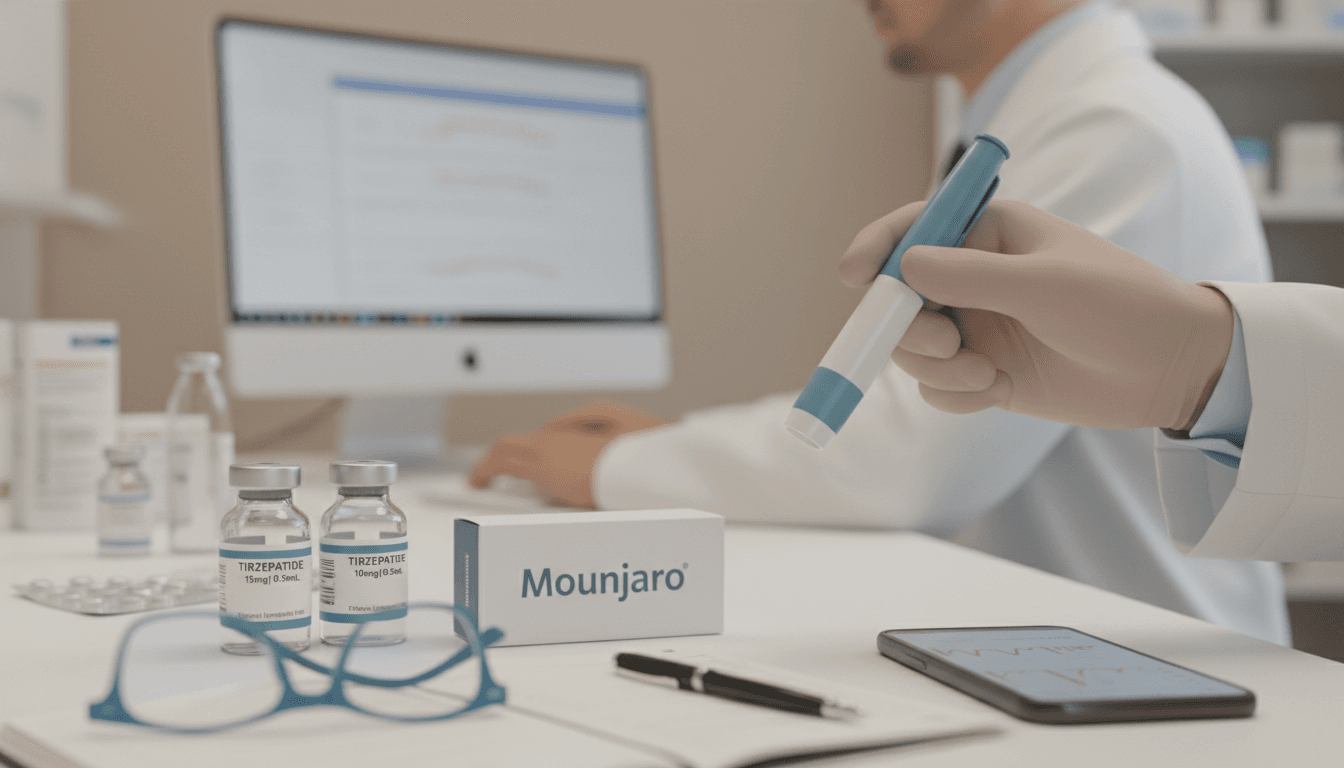
Mounjaro is the brand name for the medication tirzepatide. It is an injectable prescription medicine primarily indicated to improve blood sugar (glycemic) control in adults and children 10 years and older with type 2 diabetes, used alongside diet and exercise. While that is its official FDA-approved purpose, it has gained significant popularity for its remarkable effectiveness in promoting weight loss.
Tirzepatide is a first-in-class medication known as a dual GIP and GLP-1 receptor agonist. This means it mimics two different natural hormones in your body that are involved in regulating blood sugar and appetite. This dual action is what sets it apart from other drugs like Ozempic or Wegovy, which are GLP-1 agonists only.
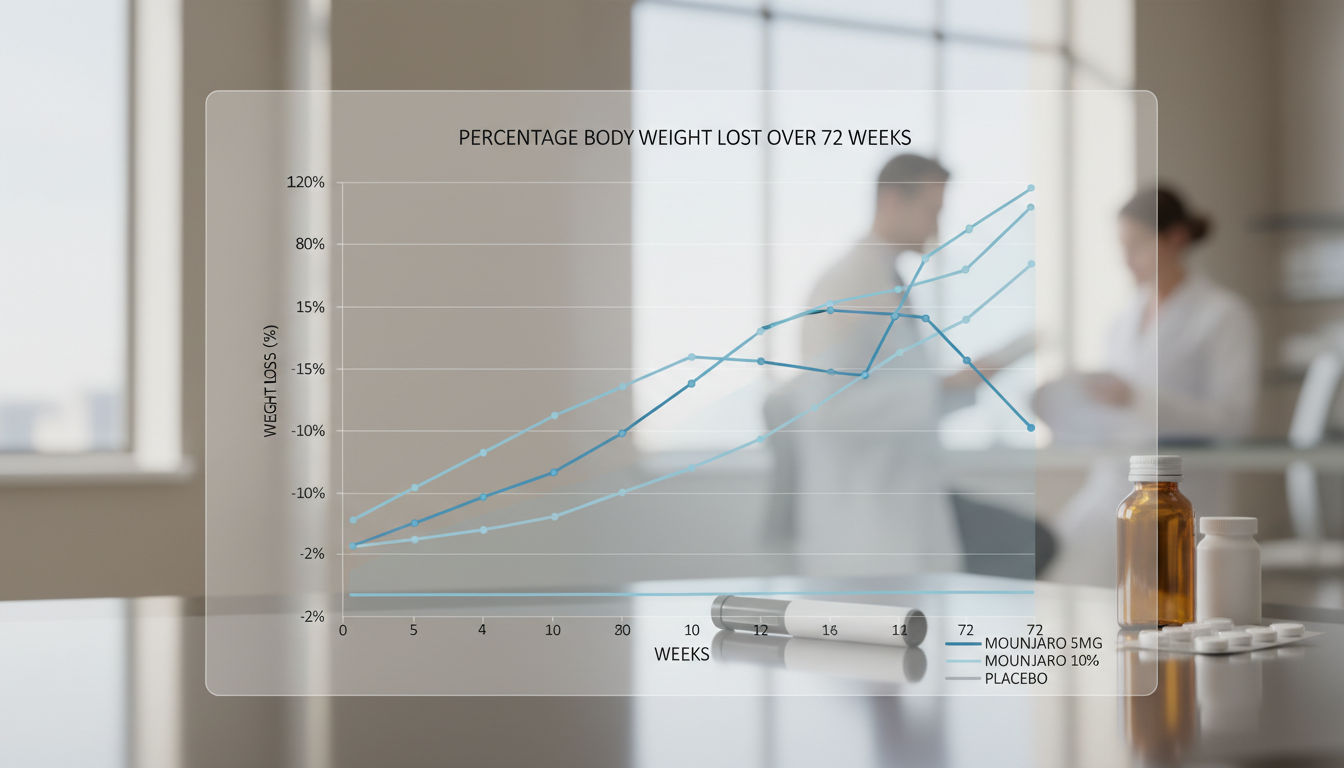
Clinical trials have shown impressive results. According to a 2026 review from Semaglutide Guide, participants using Mounjaro for weight loss lost an average of 15% to 20% of their starting body weight over 72 weeks. These significant outcomes have made Mounjaro a focal point for individuals and doctors looking for effective weight loss solutions. The medication is typically administered once a week via a simple subcutaneous injection.
You can learn more about its specific application for weight management in our article exploring if Mounjaro is good for weight loss.
How Does Mounjaro Work?
The science behind Mounjaro's effectiveness lies in its unique dual-agonist mechanism. It targets two separate incretin hormone receptors in the body: the glucagon-like peptide-1 (GLP-1) receptor and the glucose-dependent insulinotropic polypeptide (GIP) receptor.
Incretin hormones are released by your gut after you eat. They play a crucial role in managing blood sugar levels. Here’s a breakdown of how Mounjaro’s dual action works:
- Stimulating Insulin Release: When your blood sugar rises after a meal, Mounjaro helps your pancreas release more insulin. This is a "glucose-dependent" process, meaning it primarily happens when blood sugar is high, which reduces the risk of hypoglycemia (low blood sugar).
- Reducing Glucagon Production: Mounjaro also reduces the amount of glucagon your pancreas produces. Glucagon is a hormone that tells your liver to release stored sugar into the bloodstream. By lowering glucagon, Mounjaro helps prevent your blood sugar from spiking too high, especially between meals.
- Slowing Gastric Emptying: The medication slows down how quickly food moves from your stomach to your intestines. This prolonged digestion period helps you feel fuller for longer after eating, which naturally leads to a reduced calorie intake. It's a key reason why users report a significantly decreased appetite.
- Acting on Brain Receptors: Both GLP-1 and GIP receptors are also found in areas of the brain that control appetite and satiety. By activating these receptors, Mounjaro sends powerful signals to your brain that you are full, reducing hunger cravings and the desire to eat. For a deeper dive into this process, see how GLP-1 medications are explained.
This combined GIP and GLP-1 action is what makes tirzepatide so potent. While GLP-1 agonists like semaglutide are highly effective, the addition of GIP agonism appears to create a synergistic effect, leading to even greater improvements in both blood sugar control and weight loss. Clinical trial data from SURPASS-2 showed tirzepatide outperformed semaglutide in both A1C reduction and total weight lost.

Feeling unsure if Mounjaro or another GLP-1 medication is the right fit for your health goals? It can be a lot to sort through. Take our free 3-minute quiz to get matched with a qualified provider who can review your case and create a plan for you.
Benefits of Mounjaro
The evidence supporting Mounjaro's benefits is strong, with extensive clinical trials backing its use for both diabetes management and weight loss. Users often report life-changing results that go beyond the numbers on a scale.
Significant Weight Loss
This is perhaps the most talked-about benefit. Mounjaro has demonstrated some of the most impressive weight loss results of any medication to date.
- Clinical Trial Data: In studies of individuals without diabetes, those taking the highest dose (15 mg) of tirzepatide lost an average of around 21% of their body weight over 72 weeks, as noted by GLP1Toolkit.io. In a separate review, Telehealth Ally reported that clinical trials showed an approximate 22.5% body weight loss. These figures are significantly higher than what is typically seen with diet and exercise alone or even with other weight loss medications.
- Real-World Experiences: Many users share their "mounjaro before and after 4 weeks" results online, often reporting a noticeable reduction in appetite and some initial weight loss, even on the starting doses. While the most dramatic results occur over many months, the quick impact on hunger can be motivating. You can read more about what to expect from the Mounjaro weight loss injection in our dedicated guide.
Improved Glycemic Control
For its primary indication, Mounjaro excels at managing type 2 diabetes.
- A1C Reduction: The SURPASS-2 trial highlighted that the 15 mg dose of tirzepatide reduced A1C levels by an average of 2.3 percentage points. This is a substantial improvement that can significantly lower the risks associated with uncontrolled diabetes. To put this in perspective, this reduction was superior to that of the high-dose semaglutide group in the same study.
- Insulin Sensitivity: By promoting weight loss and acting on key metabolic pathways, Mounjaro can also improve the body's overall sensitivity to insulin, making it easier to manage blood sugar long-term.
Potential Cardiovascular Benefits
While more research is ongoing, emerging evidence suggests that the benefits of GLP-1-based therapies extend to heart health. Significant weight loss and improved blood sugar control are both major factors in reducing cardiovascular risk. By lowering weight, blood pressure, and inflammatory markers, medications like Mounjaro may contribute to a healthier heart profile. Patients interested in this aspect should discuss it with their cardiologist and primary care provider.
Risks and Side Effects
Like any effective medication, Mounjaro comes with potential risks and side effects. The most common ones are gastrointestinal in nature and are often a result of the medication's effect on slowing digestion.
According to a comparison on Telehealth Ally, nausea is one of the most frequent side effects, affecting around 30-31% of users, which is a common rate for this class of drugs. Other common side effects include:
- Diarrhea
- Decreased appetite
- Vomiting
- Constipation
- Indigestion or heartburn
- Stomach pain
For most people, these side effects are most pronounced when starting the medication or increasing the dose. They typically lessen or resolve over a few days or weeks as the body adjusts. You can learn more about the duration of these issues in our post, "How Long Do Mounjaro Side Effects Last?".
A less common but concerning side effect some users search for is "mounjaro weight loss side effects hair loss." While not listed as a common side effect in clinical trials, some people report temporary hair shedding (telogen effluvium). This condition is often associated with rapid weight loss itself rather than a direct effect of the drug. As the body stabilizes at a new weight, hair growth cycles usually return to normal.
It is crucial to be aware of the more serious, though rare, potential risks listed in the official prescribing information:
- Boxed Warning: Mounjaro has a boxed warning for the risk of thyroid C-cell tumors. In rodent studies, tirzepatide caused these tumors. It is unknown if this risk applies to humans. Therefore, Mounjaro should not be used by people with a personal or family history of medullary thyroid carcinoma (MTC) or Multiple Endocrine Neoplasia syndrome type 2 (MEN 2).
- Pancreatitis: Inflammation of the pancreas.
- Kidney Problems: Dehydration from severe vomiting or diarrhea can cause or worsen kidney issues.
- Severe Stomach Problems: Mounjaro has not been studied in people with severe stomach issues like gastroparesis.
- Gallbladder Problems: Some users may develop gallbladder issues, including gallstones.
You should always discuss your full medical history with your doctor to determine if Mounjaro is a safe option for you. For more detail, read our guides on common Mounjaro side effects and whether Mounjaro is safe for weight loss.
Considering the benefits and risks can be overwhelming. If you want professional guidance on whether this treatment path is right for you, help is available. Our free quiz can connect you with a provider who specializes in metabolic health.
Detailed Guide to Mounjaro Dosage in mL
This is where we get into the specifics. While your doctor prescribes a dose in milligrams (mg), the physical product is a liquid measured in milliliters (mL). Understanding the conversion from mg to the Mounjaro dosage in mL is simple once you know how the pens are packaged.
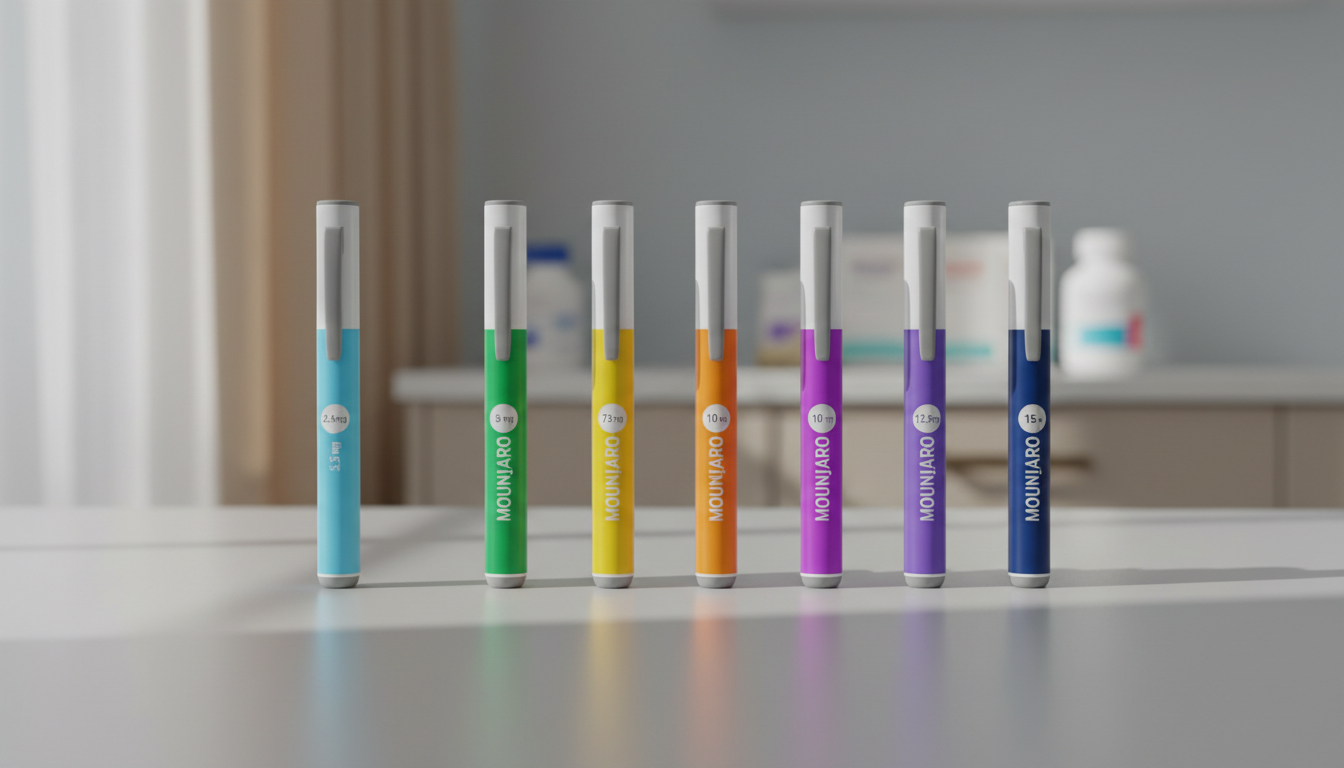
According to the FDA's prescribing information, Mounjaro is supplied in single-dose pens or vials. For all available strengths of the single-dose pens, from 2.5 mg to 15 mg, each dose is contained in 0.5 mL of solution.
Here is the standard breakdown for single-dose pens:
- 2.5 mg dose: 2.5 mg / 0.5 mL
- 5 mg dose: 5 mg / 0.5 mL
- 7.5 mg dose: 7.5 mg / 0.5 mL
- 10 mg dose: 10 mg / 0.5 mL
- 12.5 mg dose: 12.5 mg / 0.5 mL
- 15 mg dose: 15 mg / 0.5 mL
This means that regardless of your dose strength, you will always be injecting the same volume—0.5 mL—if you are using the standard single-dose pens. The concentration of the medicine within that 0.5 mL is what changes as your dose increases.
Some forms of Mounjaro, such as multi-dose KwikPens or certain vials, may have different volumes. For example, some prescribing documents mention a KwikPen containing four doses, where each 2.5 mg dose is delivered in 0.6 mL of solution (from a total pen volume of 2.4 mL). It is critical to always follow the instructions specific to the product you were prescribed.
How to Get Started: Administration and Your First Mounjaro Dosage in mL
Getting started with Mounjaro involves a careful dose-escalation schedule, known as titration. This process is designed to help your body adapt to the medication and minimize the potential for gastrointestinal side effects. You should never start at a high dose.
The standard titration schedule for adults is as follows:
- Starting Dose (Weeks 1-4): You will begin with a 2.5 mg injection once a week for the first four weeks. According to the prescribing information, this initial dose is not intended for glycemic control but is for treatment initiation. For a single-dose pen, this corresponds to a Mounjaro dosage in mL of 0.5 mL.
- First Increase (Weeks 5-8): After four weeks on the 2.5 mg dose, your provider will likely increase your dose to 5 mg once a week, which is also 0.5 mL in a single-dose pen.
- Subsequent Increases: If needed for better blood sugar control or further weight loss, your doctor may continue to increase the dose in 2.5 mg increments every four weeks. The available doses are 7.5 mg, 10 mg, 12.5 mg, and a maximum of 15 mg per week for adults.
Each step up (e.g., from 5 mg to 7.5 mg) should only occur after at least four weeks on the current dose. This slow and steady approach is a cornerstone of safely using GLP-1 and dual-agonist therapies.
Mounjaro is administered as a subcutaneous (under the skin) injection in the abdomen, thigh, or upper arm. The single-dose pens are designed for ease of use. You simply uncap the pen, press it against your skin, and push the button to inject. The needle is hidden, and the click of the pen lets you know the dose has been delivered. To ease the process, you can find helpful resources that explain how to inject semaglutide, as the technique is very similar.
Legal Status and FDA Approval
Mounjaro (tirzepatide) received its initial approval from the U.S. Food and Drug Administration (FDA) in May 2022. Its official indication is as an adjunct to diet and exercise to improve glycemic control in adults with type 2 diabetes mellitus. In 2024, this approval was expanded to include pediatric patients aged 10 years and older with type 2 diabetes.
It’s important to distinguish Mounjaro from its sister brand, Zepbound. Zepbound also contains tirzepatide but was specifically FDA-approved in November 2023 for chronic weight management in adults with obesity or who are overweight with at least one weight-related condition (like high blood pressure or high cholesterol).
So, while both medications contain the exact same active ingredient, their FDA-approved uses and branding are different. Many doctors prescribe Mounjaro "off-label" for weight loss, which is a common and legal practice where a doctor prescribes a drug for a condition other than its official indication.
Due to high demand and cost, some patients seek out compounded tirzepatide. Compounded medications are prepared by specialized pharmacies but are not FDA-approved. It's essential to work with a reputable clinic and pharmacy if considering this route. For more information on the regulatory landscape, you can read our article on whether peptide therapy is FDA-approved.
The high cost of these brand-name drugs is a significant barrier for many. Without insurance, Mounjaro can cost between $900 and $1,200 per month. With good insurance coverage, the cost can be as low as $25 per month. Exploring your options with a knowledgeable provider is the best way to determine your final cost.
Ready to explore your options? A licensed provider can help you understand the benefits and risks of Mounjaro and see if it's the right choice for your health. Take our free 3-minute quiz to get matched with a provider who can guide you through the next steps.
FAQs
What is the starting Mounjaro dosage in mL?
The recommended starting dose of Mounjaro for adults is 2.5 mg, administered once weekly. For the common single-dose pens, this 2.5 mg dose is contained in a volume of 0.5 mL. You stay on this initial dose for four weeks before increasing.
How much weight can you lose on Mounjaro in 1 week?
Weight loss in the first week varies greatly. Some individuals may lose several pounds due to changes in water weight and reduced food intake, while others may see little to no change. The medication needs time to build up in your system. Consistent, significant weight loss is typically observed over months, not days. Focus on the long-term trend rather than weekly fluctuations.
How much does Mounjaro cost per month in 2026?
The cash price for Mounjaro in 2026 remains high, typically ranging from $900 to over $1,200 for a one-month supply without insurance. However, Telehealth Ally notes that some programs can bring the cash price down to around $299 per month. With commercial insurance and savings cards, the cost can be as low as $25 per month. You can learn more from our guide on the Mounjaro price in the USA.
Can you go from 5mg to 10mg Mounjaro?
No, you should not skip dose levels. The FDA-approved titration schedule recommends increasing the dose in 2.5 mg increments only after at least four weeks on the current dose. Jumping from 5 mg to 10 mg would skip the 7.5 mg dose and significantly increase the risk of severe gastrointestinal side effects. Always follow your doctor's instructions.
What is the difference between Mounjaro and Zepbound?
There is no difference in the active ingredient; both Mounjaro and Zepbound contain tirzepatide. The difference is their FDA-approved indication. Mounjaro is officially approved for improving blood sugar in type 2 diabetes, while Zepbound is approved for chronic weight management. They are the same medication in different packaging for different purposes.
What is the maximum Mounjaro dosage in mL?
The maximum recommended dose for adults is 15 mg once weekly. In a single-dose pen, this 15 mg dose is delivered in 0.5 mL of solution. For pediatric patients (aged 10 and older), the maximum recommended dose is 10 mg once weekly, which also corresponds to a 0.5 mL injection volume.
Contributing to evidence-based peptide education and provider transparency.
Too many clinics, not enough clarity?
We don't sell peptides. Tell us your goals and we'll connect you with a vetted provider who can figure out what actually makes sense for you.
See what's right for youRelated articles
A Step-by-Step Gelatin Recipe for Weight Loss
Seen the viral "pink trick"? We break down the simple gelatin recipe for weight loss. Learn our step-by-step method to help manage hunger and feel full.
GLP-1 Weight LossOzempic Cost in 2026: What You'll Actually Pay
The 2026 Ozempic cost can be anywhere from $25 to over $1,400 a month. Discover why and learn how to find savings with or without insurance coverage.
GLP-1 Weight LossHow Zep Weight Loss Works and What to Expect
Thinking about zep weight loss? We cover how this drug works, what realistic results look like, common side effects, and how it compares to Ozempic.