What Are the Testosterone Gel Side Effects in Males?
Considering testosterone gel? We break down the common and serious testosterone gel side effects in males, from skin irritation to long-term health risks.

This content is for informational purposes only and does not constitute medical advice. Always consult with a qualified healthcare provider for any health concerns or before making any decisions related to your health or treatment.
Testosterone replacement therapy (TRT) can be a significant step for men with clinically low testosterone, a condition known as hypogonadism. While options like injections exist, many prefer the convenience of a daily topical gel. But what are the testosterone gel side effects in males? Understanding the potential risks is just as important as knowing the benefits.
This guide provides a detailed look at the side effects associated with testosterone gels like AndroGel, TESTIM, and Vogelxo, based on the latest 2026 FDA information. We'll cover everything from minor skin irritations to more serious health warnings, helping you have a more informed conversation with your doctor.
Common Testosterone Gel Side Effects in Males
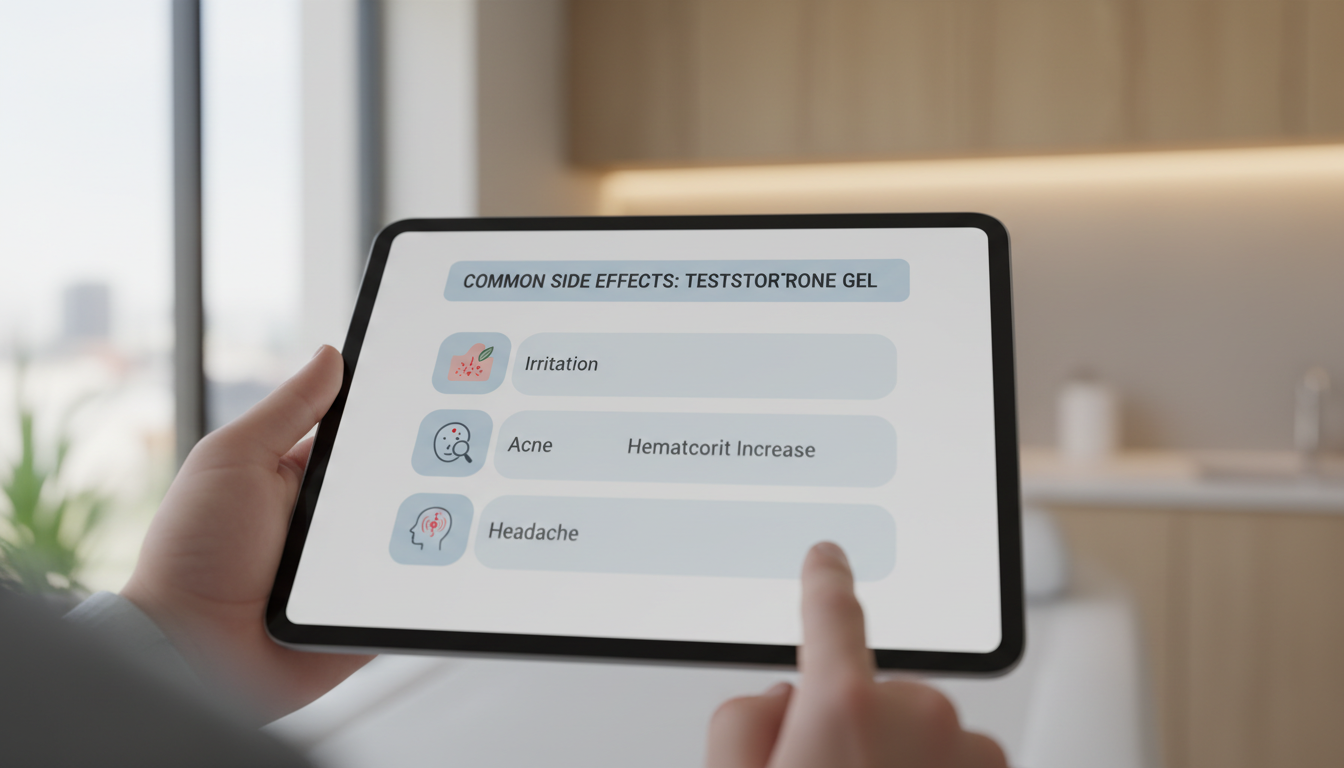
When you start any new medication, your body may need time to adjust. Most side effects of testosterone gel are mild and manageable. The most frequently reported issues in clinical trials are related to where you apply the gel and minor changes in lab results.
According to prescribing information for popular brands like AndroGel 1%, adverse reactions occurring in 5% or more of patients include acne, application site reactions, and abnormal lab tests. Other brands like TESTIM and Vogelxo report similar effects, with application site reactions and increased hematocrit occurring in at least 2% of users (HIGHLIGHTS OF PRESCRIBING INFORMATION - AndroGel 1%; DailyMed - TESTIM- testosterone gel; HIGHLIGHTS OF PRESCRIBING INFORMATION - Vogelxo).
Here is a breakdown of the most common side effects and their reported frequencies from clinical studies.
| Side Effect | Reported Frequency | What It Means |
|---|---|---|
| Application Site Reaction | ≥ 2-5% | Redness, itching, burning, or irritation where the gel was applied. This is generally the most common side effect. |
| Acne | ≥ 5% | The increase in androgens can stimulate oil glands, leading to pimples or oily skin, often on the back, chest, or face. |
| Abnormal Lab Tests | ≥ 5% | This can include several changes detected in your blood work, most notably an increase in hematocrit or Prostate-Specific Antigen (PSA). |
| Increased Hematocrit | ≥ 2% | Hematocrit is the percentage of red blood cells in your blood. Testosterone can stimulate red blood cell production, making the blood thicker. |
| Prostatic Disorders | ≥ 5% | This may include an enlarged prostate (BPH) or other prostate-related changes. This is why regular monitoring is crucial. |
| Headache | ≥ 2% | Some users may experience headaches as their body adjusts to new hormone levels. |
It's important to remember that not everyone will experience these side effects. Many men use testosterone gel with minimal or no issues. Having symptoms of low free testosterone can be disruptive, and for many, the benefits of TRT outweigh the manageable side effects.
If you're exploring what TRT is and whether it's right for you, understanding this risk profile is a critical first step.
Feeling unsure about your symptoms or treatment options? A qualified provider can help make sense of it all. Take our free 3-minute quiz to get matched with a licensed professional who specializes in hormone optimization.
Serious Side Effects to Watch For
Beyond the more common irritations, there are more serious potential testosterone gel side effects in males that you and your doctor must monitor. In July 2025, the FDA updated its warnings for testosterone products, highlighting a few key areas of concern while notably removing a previous warning about general cardiovascular risk (HIGHLIGHTS OF PRESCRIBING INFORMATION - AndroGel 1%).
The Boxed Warning: Secondary Exposure
Every FDA-approved testosterone gel carries a "boxed warning," the most serious type of warning issued by the FDA. This warning is not about a risk to you, but to others.
The gel can transfer from your body to women and children through skin-to-skin contact.
This is a major safety concern. If a child is accidentally exposed, they can experience virilization. This means showing premature signs of puberty, such as pubic hair growth, enlarged genitals, increased libido, and aggressive behavior. Women exposed may experience acne or changes in body hair (DailyMed - TESTIM- testosterone gel). To prevent this, you must:
- Wash your hands with soap and water immediately after applying the gel.
- Cover the application area with clothing once the gel has dried.
- Wash the application area thoroughly with soap and water before any situation where skin-to-skin contact with another person is anticipated.
Venous Thromboembolism (VTE)
One of the key 2025 FDA warnings involves an increased risk of blood clots in the veins, known as venous thromboembolism or VTE. These clots can occur in the deep veins of your legs (deep vein thrombosis, DVT) and can travel to the lungs (pulmonary embolism, PE), which can be life-threatening. Symptoms of a DVT include pain, swelling, warmth, or redness in a leg. Symptoms of a PE include shortness of breath, chest pain, or coughing up blood. Any of these symptoms require immediate medical attention.
Increased Blood Pressure
The 2025 label updates also include a warning about potential increases in blood pressure. This could increase your risk of a heart attack or stroke over time. Your doctor will need to monitor your blood pressure regularly while you are on TRT (HIGHLIGHTS OF PRESCRIBING INFORMATION - AndroGel 1%). If you already have high blood pressure, it needs to be well-controlled before you start therapy.
Other Serious Risks
- Worsening of Benign Prostatic Hyperplasia (BPH): If you have an enlarged prostate, testosterone can sometimes make the symptoms worse. This can include difficulty urinating, a weak stream, or needing to urinate more frequently.
- Potential Effects on Spermatogenesis: High doses of testosterone can suppress the hormones that signal the testes to produce sperm. This can lead to a lower sperm count or even azoospermia (a complete absence of sperm), causing infertility. This effect is often reversible after stopping treatment, but not always.
- Sleep Apnea: Men with or without a pre-existing diagnosis of sleep apnea may see it worsen, especially those who are obese or have chronic lung disease.
- Edema (Fluid Retention): Some men may experience fluid retention, which can be a particular concern for those with pre-existing heart, kidney, or liver disease.
These risks sound alarming, but their occurrence is less frequent than common side effects. Your doctor will screen you for risk factors and conduct regular blood tests to check your testosterone levels and other health markers to ensure your therapy is both safe and effective.
Who Should Not Take Testosterone Gel?
Testosterone gel is not safe or appropriate for everyone. Your doctor will review your medical history to identify any contraindications. According to FDA guidelines, you should not use testosterone gel if you have certain conditions.
The primary contraindications for testosterone gel are:
- Prostate Cancer or Breast Cancer: Testosterone can act as a fuel for these hormone-sensitive cancers, potentially causing them to grow. Men with a known or suspected history of prostate or breast cancer should not use TRT.
- Pregnancy or Breastfeeding: While testosterone gel is indicated for males, this warning is on the label because of the risk of secondary exposure. The gel is categorized as a teratogen, meaning it can cause birth defects in a developing fetus.
Additionally, men with the following conditions should use testosterone with extreme caution and under close medical supervision:
- Severe Heart, Kidney, or Liver Disease: The risk of fluid retention (edema) can be dangerous for individuals with compromised organ function.
- Obstructive Sleep Apnea: TRT can worsen this condition, so a thorough evaluation is necessary.
- High Red Blood Cell Count (Polycythemia): Since testosterone can increase hematocrit, starting with an already high red blood cell count can increase the risk of blood clots or stroke.
- A desire to have children in the near future: Due to the potential for TRT to suppress sperm production, it's generally not recommended for men actively trying to conceive.
Deciding to start a testosterone treatment in males requires a careful conversation with a healthcare provider who can weigh your personal health profile against the potential benefits and risks.
Drug Interactions to Be Aware Of
Testosterone can interact with other medications, potentially changing how they work or increasing the risk of side effects. It is critical to tell your doctor about all prescription drugs, over-the-counter medications, and supplements you are taking.
Some key drug classes that may interact with testosterone gel include:
- Anticoagulants (Blood Thinners): Testosterone can increase the effect of oral blood thinners like warfarin. This could raise your risk of bleeding. Your doctor may need to adjust your anticoagulant dose and monitor you more closely.
- Insulin: Androgens may change your body's sensitivity to insulin. If you have diabetes, your blood sugar levels may need to be monitored more frequently, and your insulin dose might require adjustment.
- Corticosteroids: Using testosterone with corticosteroids (like prednisone) may increase the risk of fluid retention (edema). This is a particular concern for patients with heart or liver disease.
This is not a complete list of all possible interactions. The best way to ensure your safety is to provide a complete medication list to your prescribing doctor and pharmacist. You can also use an online tool, like our free drug interaction checker, to review potential conflicts before your appointment.
Feeling overwhelmed by the options and safety information? You don't have to figure it out alone. An experienced provider can guide you through the process. Find a vetted TRT provider near you with our simple 3-minute quiz.
How to Manage Testosterone Gel Side Effects
If you do experience side effects, many of them can be managed with simple adjustments or with help from your doctor. Proactive management can help you stay on track with your therapy.
For Application Site Reactions
This is the most common complaint, but it's often easy to solve.
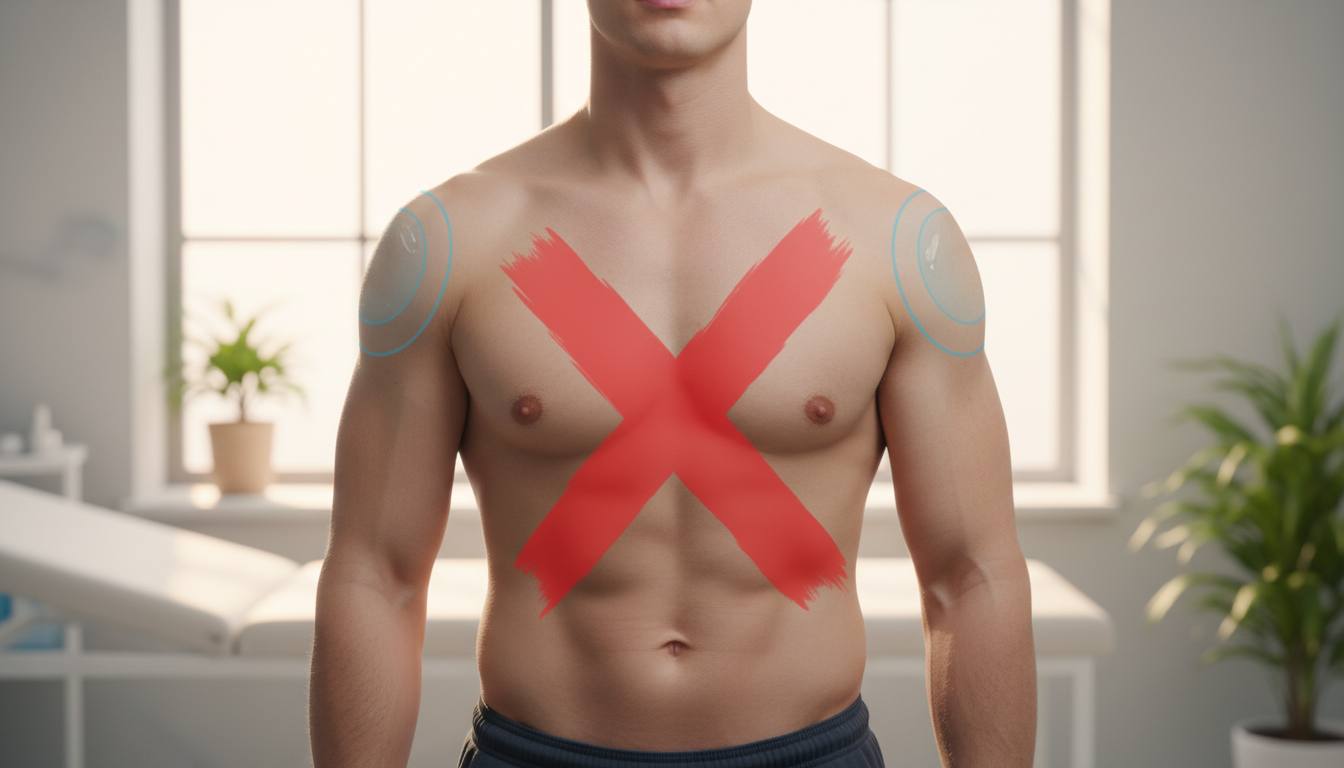
- Ensure Skin is Clean and Dry: Apply the gel after a shower, but make sure your skin is completely dry first. Applying to damp skin can increase irritation.
- Rotate Application Sites: Check your product's instructions. Most gels are for the upper arms and shoulders. Alternating between your left and right side each day can give your skin a break.
- Moisturize Later: Do not apply lotion or moisturizer right before or after the gel. However, using a gentle, fragrance-free moisturizer on the area several hours later or on off-days can help soothe the skin.
For Acne or Oily Skin
This side effect is related to the hormonal change itself.
- Practice Good Skin Hygiene: Wash the affected areas daily with a gentle cleanser.
- Use Non-Comedogenic Products: Look for skincare and body wash products labeled "non-comedogenic," which means they are formulated not to clog pores.
- Discuss with Your Doctor: If acne becomes severe, your doctor might adjust your dose or recommend topical treatments. Getting your levels checked is key, as excessively high testosterone can cause symptoms like acne.
For Increased Hematocrit
This is a more serious issue that requires medical management.
- Stay Hydrated: Drinking plenty of water can help with overall blood viscosity.
- Therapeutic Phlebotomy: If your hematocrit levels get too high (typically over 54%), your doctor may recommend donating blood. This is a safe and effective way to lower your red blood cell count.
- Dose Adjustment: Your doctor may lower your testosterone dose to reduce the stimulation of red blood cell production. This is a primary reason why it's crucial to get testosterone tested regularly.
For Managing Secondary Exposure Risk
This isn't a side effect for you, but it's the most important safety practice.
- Wash, Cover, Wait: Wash your hands with soap immediately after application. Cover the site with a t-shirt after the gel dries. Wait before allowing skin-to-skin contact, and wash the area first if contact is planned.
When to See a Doctor
It’s vital to stay in communication with your healthcare provider while on TRT. Some situations require immediate attention, while others can be discussed at your next scheduled appointment.
Contact your doctor or seek immediate medical attention if you experience:
- Symptoms of a blood clot in the leg (DVT): Pain, swelling, warmth, or unusual redness in one leg.
- Symptoms of a blood clot in the lung (PE): Shortness of breath, sharp chest pain, or coughing up blood.
- Signs of a heart attack or stroke: Chest pain, shortness of breath, weakness in one part or side of the body, or slurred speech.
- Signs of a severe allergic reaction: Hives, difficulty breathing, or swelling of your face, lips, tongue, or throat.
- Nausea, vomiting, swelling of the ankles, or changes in skin color, which could suggest liver problems.
Schedule an appointment to talk with your doctor if you notice:
- Skin irritation or acne that doesn't improve with simple care.
- Changes in urination, such as increased difficulty or frequency (potential BPH symptoms).
- Excessive mood swings, aggression, or anxiety.
- Your partner or children showing any signs of virilization.
Regular follow-ups are a standard part of testosterone therapy clinics and a key component of safe and effective treatment.
Ready to explore your options with a professional? Take our free 3-minute quiz to get matched with a licensed provider who can create a plan based on your health needs and goals.
FAQs
What is the most common side effect of testosterone gel?
The most common side effect reported in clinical trials is an application site reaction, which includes redness, itching, or irritation where the gel is applied. This occurred in over 5% of users in some studies, with other brands reporting rates over 2%.
Can testosterone gel raise your blood pressure?
Yes. The potential for increased blood pressure is a known risk and was part of an official FDA warning update in July 2025. Your doctor should monitor your blood pressure regularly while you are on TRT.
Does testosterone gel cause hair loss?
Hair loss is not listed as a common side effect in the prescribing information for major testosterone gel brands. However, dihydrotestosterone (DHT), a metabolite of testosterone, is linked to male pattern baldness in genetically predisposed individuals. You should discuss any concerns about hair loss with your doctor.
How long do testosterone gel side effects last?
This varies. Application site reactions may resolve within a few days of rotating sites or allowing the skin to adjust. Other side effects, like acne or changes in lab values, may persist and require a dose adjustment from your doctor to manage.
Can you get too much testosterone from the gel?
Yes, it is possible to absorb too much testosterone, leading to levels that are too high. This can increase the risk of side effects. This is why it is essential to use only the prescribed dose and to have your testosterone serum levels monitored regularly by your healthcare provider.
Contributing to evidence-based peptide education and provider transparency.
Too many clinics, not enough clarity?
We don't sell peptides. Tell us your goals and we'll connect you with a vetted provider who can figure out what actually makes sense for you.
See what's right for youRelated articles
Which Protein Supplements for Muscle Growth Actually Work?
Tired of the hype? Find out which protein supplements for muscle growth are backed by science and learn how to pick the right one for your goals.
Hormone TherapyWhat Are the Real Magnesium Glycinate Benefits?
Uncover the science-backed magnesium glycinate benefits. We explore its effects on sleep, stress, and muscle function and explain why it's a top choice.
Hormone TherapyWhat B12 Shot Benefits Can You Actually Expect?
B12 shots are often hyped for energy, but the real b12 shot benefits are more specific. Learn who is a true candidate and what results to expect.