What Happens When You Start a Testosterone Shot?
A testosterone shot can help with energy, libido, and muscle. We'll explain the pros and cons, how to get started, and what it really feels like.
This content is for informational purposes only and does not constitute medical advice. Always consult with a qualified healthcare provider before making any decisions about your health or treatment.
Low energy, a lagging libido, and trouble building muscle can feel like an inevitable part of aging. For many men, these issues are directly linked to declining hormone levels. A testosterone shot is one of the most common and effective ways to address clinically low testosterone. If you're experiencing the frustrating low testosterone effects on men, understanding how this therapy works is the first step toward getting back to feeling your best. This guide breaks down what a testosterone shot is, the benefits, the risks, and what to expect if you and your provider decide it's the right option for you.
What is a Testosterone Shot?
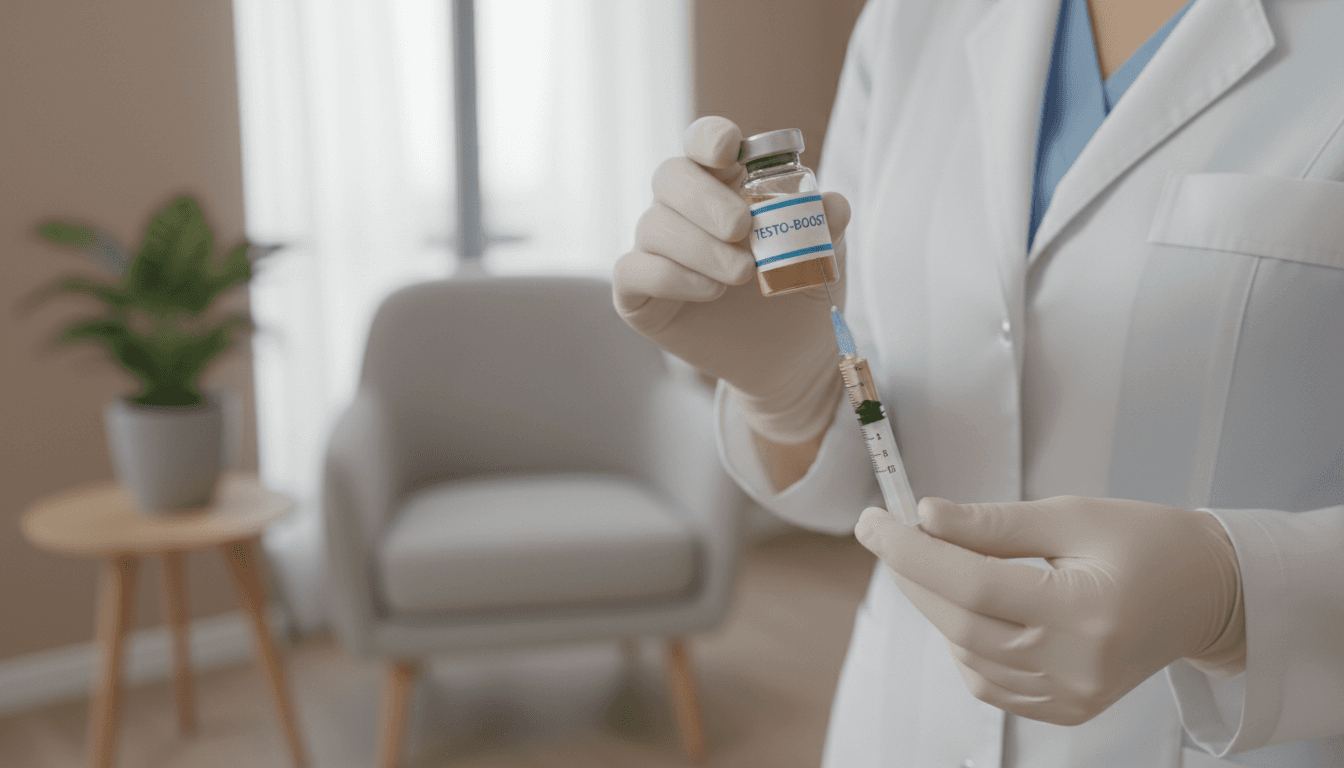
A testosterone shot is an injection of bioidentical testosterone directly into the body. This is a primary method for testosterone replacement therapy (TRT), a medical treatment designed to restore hormone levels in individuals with hypogonadism, a condition where the body does not produce enough testosterone on its own. It is a prescription testosterone drug administered by a healthcare professional or self-administered at home after proper training.
These injections are a cornerstone of hormone optimization for men with diagnosed deficiencies. Unlike other forms of TRT, such as gels or pellets, injections allow for precise dosing and can lead to stable, predictable hormone levels when managed correctly. The goal of TRT is not to create unnaturally high levels of the hormone but to bring your levels back into a healthy, normal range, alleviating the symptoms of low T. You can learn more about the basics in our guide, What is TRT?. While injections are common, other methods like testosterone gel are also available, each with its own set of considerations to discuss with a provider.
How Does a Testosterone Shot Work?
A testosterone shot works by delivering a synthetic form of testosterone, which is structurally identical to the hormone your body produces naturally. This is usually done through an intramuscular injection into a large muscle like the glute or thigh, or a subcutaneous injection into the fatty tissue of the abdomen.
Once injected, the testosterone drug is stored in the muscle or fat tissue and is slowly released into the bloodstream over days or weeks. This depends on the type of "ester" attached to the testosterone molecule. An ester is a chemical chain that controls how quickly the hormone is absorbed. The two most common forms used in the U.S. are:
- Testosterone Cypionate: This is a slow-acting ester with a half-life of about 7-8 days. It's typically injected once a week or every two weeks to maintain stable blood levels. You can read more in our deep dive on Testosterone Cypionate.
- Testosterone Enanthate: Very similar to cypionate, this ester also has a half-life of around 7-8 days and is dosed on a similar schedule. The choice between the two often comes down to provider and patient preference. We compare them directly in Testosterone Enanthate vs. Cypionate.
- Testosterone Undecanoate (Aveed): This is a very long-acting ester, injected once to start, again 4 weeks later, and then only once every 10 weeks. Its long duration requires it to be administered in a clinical setting.
The primary testosterone function is to act as the main male sex hormone. It binds to androgen receptors throughout the body, triggering a cascade of biological effects. When you supplement with a testosterone shot, you are manually restoring these signals. This helps reverse the low testosterone effects on men by improving cell growth in muscles, increasing red blood cell production, boosting bone density, and regulating mood and libido. It is a common misconception that all testosterone use is "steroid" use. While testosterone is technically a steroid hormone, medical TRT aims to restore normal physiological levels, not the unsafe, supraphysiological levels associated with illicit anabolic steroid abuse.
Feeling overwhelmed by the options and unsure if your symptoms are related to low T? You're not alone. Our free hormone symptom checker and provider matching tool can help you find clarity.
Take our free 3-minute quiz to get matched with a vetted provider who can create a plan for you.
What are the Benefits of a Testosterone Shot?
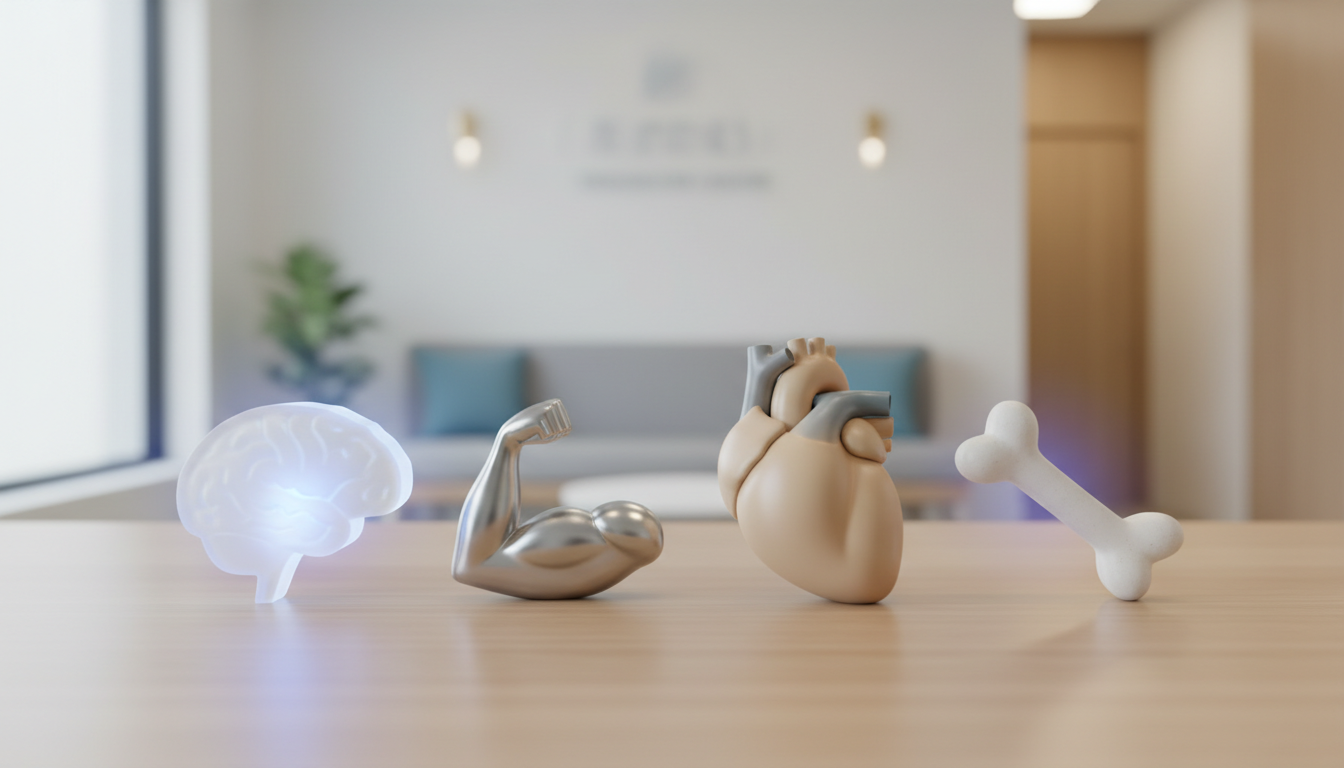
When used appropriately under medical supervision to treat hypogonadism, the benefits can be significant. The goal is to reverse the symptoms of low T and improve overall quality of life. The "benefits of testosterone for men" are well-documented in clinical research.
Improved Energy and Mood
One of the first things many men notice on TRT is a significant boost in energy levels. The constant feeling of fatigue and brain fog that often accompanies low T tends to lift. Research also suggests a strong link between testosterone levels and mood. While not a first-line treatment, some studies have shown that normalizing testosterone can help alleviate symptoms of depression in men with hypogonadism. This is an active area of research, often explored in discussions of testosterone replacement therapy for depression.
Increased Muscle Mass and Reduced Fat
Testosterone plays a critical role in body composition. It promotes muscle protein synthesis, making it easier to build and maintain lean muscle mass, especially when combined with resistance training. At the same time, it can help reduce body fat, particularly abdominal fat. This shift in body composition is one of the most sought-after testosterone effects on men. For those looking to optimize their fitness results, finding the best testosterone injection for muscle gain protocol is a key conversation to have with a provider.
Enhanced Libido and Sexual Function
A decline in sex drive is a classic symptom of low testosterone. TRT can effectively restore libido in most men with a deficiency. It may also improve the quality of erections, though erectile dysfunction can have many causes, including vascular issues. For many, the improvement in sexual health is a life-changing aspect of therapy and a major reason they explore if TRT works for them.
Stronger Bones
Testosterone is essential for maintaining bone mineral density. As men age and testosterone levels decline, their risk of osteoporosis and fractures increases. TRT helps to maintain bone strength by stimulating bone formation and reducing bone resorption, protecting against age-related bone loss. These are just some of the many benefits of TRT for men who are clinically deficient.
Risks and Side Effects of a Testosterone Shot
While TRT is generally safe when medically supervised, it's not without potential risks. It's crucial to understand both the pros and cons before starting treatment. Many side effects are dose-dependent and can be managed by adjusting your protocol with your doctor.
The most common testosterone injections side effects men might experience include:
- Injection Site Reactions: Pain, redness, or swelling at the injection site.
- Skin Changes: Oily skin or acne, particularly on the back and shoulders.
- Gynecomastia: Development of breast tissue, which can occur if testosterone converts to estrogen at a high rate. This is manageable with medication.
- Testicular Atrophy: When you supply the body with external testosterone, its own production shuts down, which can lead to smaller testicles and reduced sperm count, impacting fertility.
- Polycythemia: Testosterone stimulates red blood cell production. If levels get too high (polycythemia), it can thicken the blood and increase the risk of clotting. Regular blood monitoring is essential to prevent this.
Excessively high levels can lead to the symptoms of high testosterone, such as irritability, aggression, and poor judgment. These are more common with illicit use than with medically managed TRT, but it highlights the importance of proper dosing. The side effects of high testosterone in males are a key reason to work closely with a provider.
Recent large-scale studies have provided more clarity on cardiovascular risks. The TRAVERSE trial, published in the New England Journal of Medicine, found that TRT was not associated with a higher rate of major adverse cardiac events (like heart attack or stroke) in men with hypogonadism and high cardiovascular risk. However, the FDA notes that based on other studies, a new warning for increased blood pressure is being added to all testosterone drug labels. The TRAVERSE trial did find a higher incidence of atrial fibrillation, acute kidney injury, and pulmonary embolism in the testosterone group compared to placebo, underscoring the need for careful patient selection and monitoring.
For women, testosterone therapy is more complex. While sometimes used off-label in a low dose testosterone formulation for issues like low libido, the potential for testosterone side effects female is significant. These can include virilizing effects like a deeper voice, facial hair growth, and clitoral enlargement. A 2026 study in Nature Communications on testosterone gel for women with diminished ovarian reserve found that while the therapy didn't improve IVF outcomes, it did cause a statistically significant increase in hair growth. We take a closer look at the unique considerations in our article on testosterone for females.
How to Get Started with Testosterone Injections
Starting TRT is a medical process that should always begin with a conversation with a qualified healthcare provider. Self-diagnosing or obtaining testosterone from unregulated sources is dangerous and illegal.
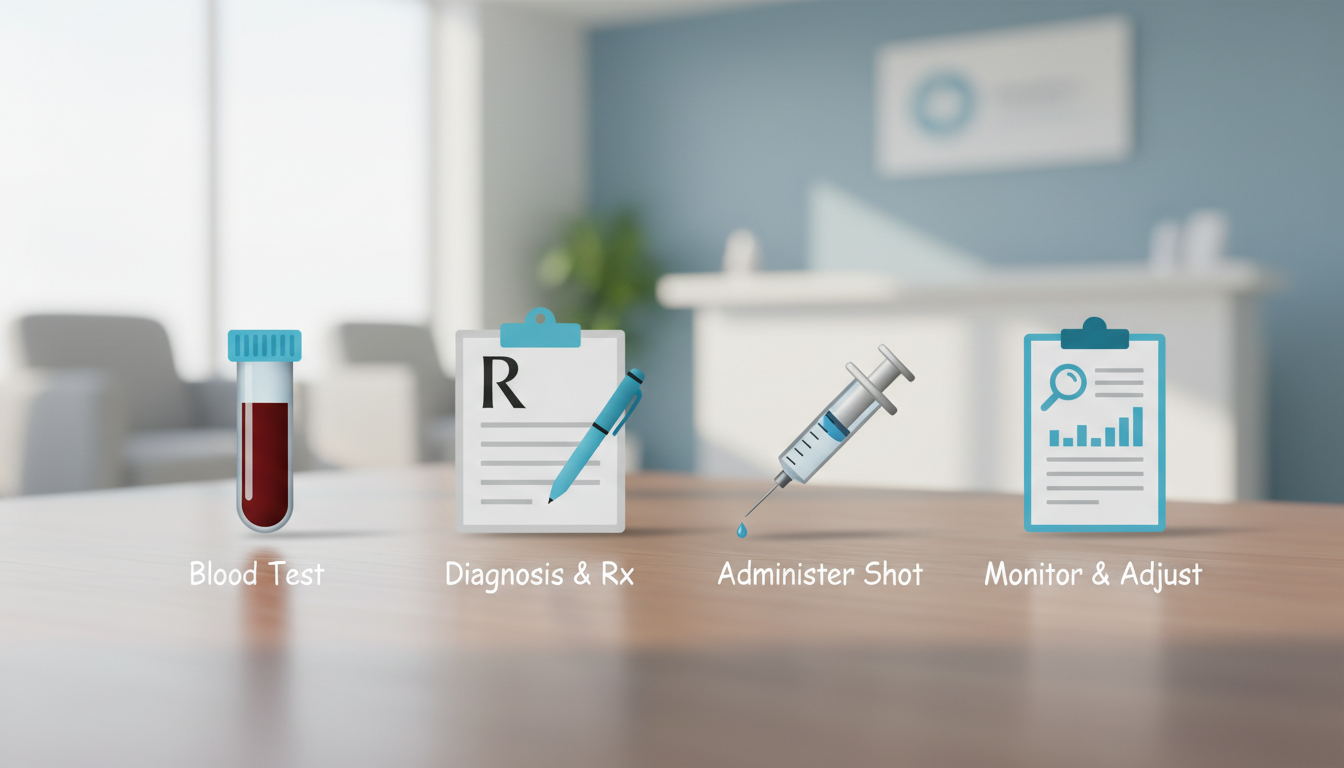
- Symptom Evaluation and Blood Testing: The first step is to discuss your symptoms with a doctor. They will likely order a comprehensive blood panel to check your total and free testosterone levels. This is typically done in the morning when testosterone is at its peak. You can learn more about how to get your testosterone tested or even explore options like an at-home testosterone testing kit.
- Diagnosis and Prescription: If your bloodwork confirms hypogonadism and your symptoms align with the diagnosis, your provider will discuss treatment options. If a testosterone shot is chosen, they will prescribe a specific type (e.g., cypionate) and dosage.
- Learning to Administer Injections: Your provider's office or a nurse will teach you how to properly and safely administer the injections. They will show you where to inject the testosterone, how to handle the vial and syringe, and proper sterile atechnique. Many patients quickly become comfortable with self-administering at home.
- Ongoing Monitoring: TRT is not a "set it and forget it" treatment. You will need regular follow-up appointments and blood tests to monitor your hormone levels, red blood cell count (hematocrit), and other important health markers. This allows your provider to adjust your dose to ensure it's both safe and effective.
Finding the right provider is the most important step. You want someone experienced in hormone therapy who listens to your concerns. Many people now use specialized online testosterone therapy clinics that offer convenient access to expert care. A good provider will guide you through the entire process, from testing to treatment management.
Trying to figure out where to start? Our free quiz can match you with the best online clinics and local providers for your needs. Find a provider today.
Legal Status and FDA Approval of Testosterone Drugs
In the United States, testosterone is classified as a Schedule III controlled substance. This means it has a currently accepted medical use but also a potential for abuse and dependence. It is illegal to possess or use testosterone without a valid prescription from a licensed healthcare provider.
The FDA has approved numerous testosterone products for the treatment of medical conditions, primarily primary or hypogonadotropic hypogonadism. This includes injections, gels, patches, and pellets. These approvals are based on clinical data demonstrating safety and efficacy for their intended use.
In early 2026, the FDA announced important labeling changes for all testosterone products based on new research. Citing the results of the large-scale TRAVERSE trial, the FDA removed the boxed warning about increased risk of major adverse cardiovascular events, as the trial showed TRT was noninferior to placebo for this endpoint. However, based on consistent findings from other studies, a new warning about the potential for testosterone to increase blood pressure was added.
Some specific formulations, like the long-acting injection AVEED (testosterone undecanoate), are subject to additional safety regulations. According to its prescribing information, AVEED is only available through a restricted program called a REMS (Risk Evaluation and Mitigation Strategy). This is due to the risk of serious pulmonary oil microembolism (POME) reactions, which can cause severe respiratory distress. Patients must be observed for 30 minutes in the clinic after each injection. This highlights the seriousness with which these treatments are regulated and the importance of professional medical oversight.
The Evolving Science: Testosterone for Other Conditions
While TRT is firmly established for male hypogonadism, research continues to explore its potential, and limitations, in other areas.
One area of significant interest has been its use in female fertility. It was theorized that a short course of testosterone might improve ovarian response in women with diminished ovarian reserve (DOR) undergoing in vitro fertilization (IVF). However, a major multinational, triple-blind clinical trial called T-TRANSPORT, published in Nature Communications in February 2026, provided a clear answer. The study gave women with DOR a transdermal testosterone gel for about nine weeks before their IVF cycle.
The results were definitive, the study was halted early for futility. The testosterone group showed no improvement in clinical pregnancy rates (15.7%) compared to the placebo group (14.9%). There were also no benefits in ovarian stimulation or live birth rates. The only statistically significant difference was a higher rate of a known testosterone side effect in females, increased hair growth, in the treatment group. This high-quality study suggests that for this specific purpose, testosterone is not beneficial. This is a crucial finding for managing patient expectations and guiding clinical practice in fertility.
This illustrates the scientific process. What seems plausible in theory must be tested rigorously. While testosterone remains a vital tool for certain conditions, it is not a cure-all, and its use must be guided by strong evidence.
FAQs
How long does it take for a testosterone shot to work?
Effects vary by individual and symptom. You might notice improvements in libido and energy within 3 to 6 weeks. Changes in mood may also appear in the first couple of months. Effects on muscle mass and fat distribution typically take longer, becoming more noticeable after 3 to 6 months of consistent therapy and lifestyle support.
What are the symptoms of low testosterone?
Common symptoms include chronic fatigue, reduced sex drive, erectile dysfunction, loss of muscle mass, increased body fat (especially around the waist), mood swings or depression, and brain fog. If you're experiencing several of these, it may be time to consult a provider. You can read more about symptoms of decreased testosterone here.
Is testosterone a steroid?
Yes, chemically, testosterone is an anabolic-androgenic steroid. However, in a medical context, testosterone replacement therapy (TRT) is very different from illicit steroid abuse. TRT uses prescribed doses to restore hormone levels to a normal, healthy range, while abuse involves using extremely high doses for performance enhancement, which carries severe health risks. We explain the difference in our article, "Is Testosterone a Steroid?".
What happens if you have high testosterone levels?
Naturally high testosterone within the normal range is generally not a concern. However, excessively high levels from improper TRT dosing or abuse can cause negative side effects. These symptoms of high testosterone can include acne, oily skin, increased risk of blood clots, mood swings, aggression, and potential long-term cardiac issues.
How much do testosterone shots cost?
The cost of testosterone shots can vary widely. Using insurance, you might pay a copay of $30 to $100 per month. Without insurance, a vial of testosterone cypionate can cost between $40 and $120. When factoring in provider visits, lab work, and supplies, the total monthly cost of TRT often falls between $150 and $400.
Can women take testosterone?
Yes, women produce and need testosterone, though in much smaller amounts than men. A provider may prescribe a low dose testosterone cream or gel off-label for symptoms like persistent low libido, especially after menopause. However, this must be done with extreme caution due to the risk of virilizing side effects, such as a deeper voice and hair growth, which can be permanent.
Ready to take the next step and see if testosterone therapy is right for you? A qualified provider can answer your questions and create a plan tailored to your health goals.
Take our free 3-minute quiz to get matched with a licensed provider who can help.
Contributing to evidence-based peptide education and provider transparency.
Too many clinics, not enough clarity?
We don't sell peptides. Tell us your goals and we'll connect you with a vetted provider who can figure out what actually makes sense for you.
See what's right for youRelated articles
Which Protein Supplements for Muscle Growth Actually Work?
Tired of the hype? Find out which protein supplements for muscle growth are backed by science and learn how to pick the right one for your goals.
Hormone TherapyWhat Are the Real Magnesium Glycinate Benefits?
Uncover the science-backed magnesium glycinate benefits. We explore its effects on sleep, stress, and muscle function and explain why it's a top choice.
Hormone TherapyWhat B12 Shot Benefits Can You Actually Expect?
B12 shots are often hyped for energy, but the real b12 shot benefits are more specific. Learn who is a true candidate and what results to expect.